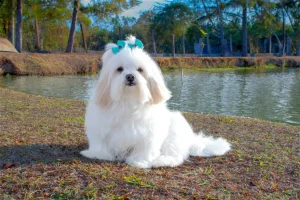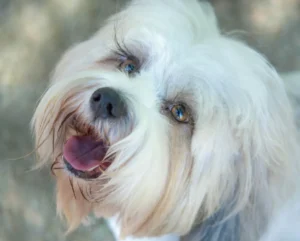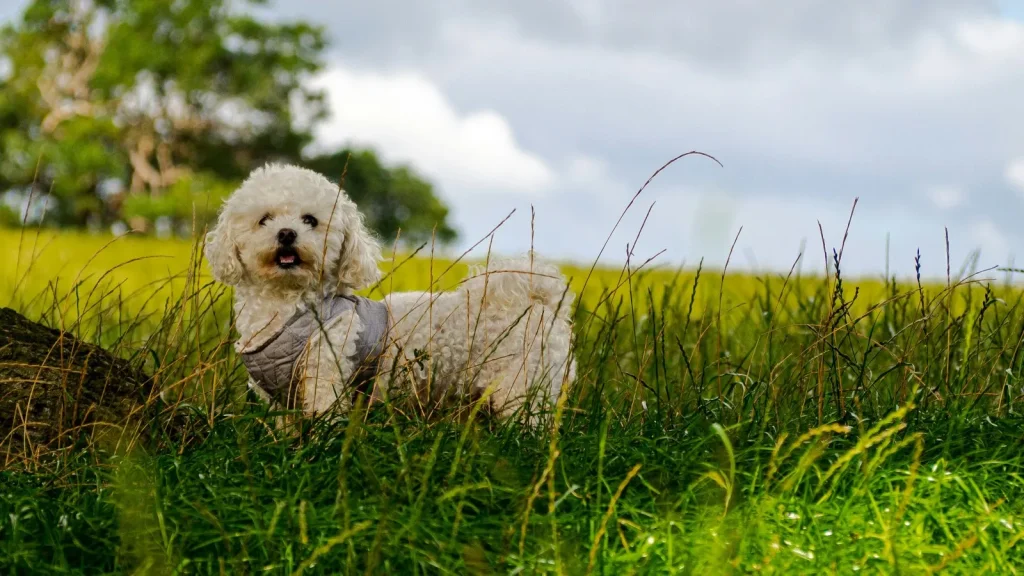
Bichon Frise Training Profile
Breed Group
Companion Dogs
Country of Origin
France / Belgium
Breed Size
Small
AKC Recognition
Yes, recognized in 1972
FCI Recognition
Yes, recognized in 1959
Mental stimulation needs
Very Low1 / 10
Trainability
8 / 10
Picky eater
Picky Eater3 / 10
Easy to train
Quick Learner8 / 10
Training stubbornness
Very Stubborn2 / 10
Puppy training
Easy10 / 10
Training FAQ
Are Bichon Frise easy to train?
Bichon Frises are highly intelligent and eager to please, making them generally easy to train with positive reinforcement. While they master tricks quickly, they are notoriously difficult to housebreak. Success requires consistent schedules, high-value treats, and great patience to manage their independent streak and small bladder capacity.
Easy to train: 8 / 10
Are Bichon Frise stubborn to train?
Bichon Frises are generally agreeable and eager to please, but they possess a famous independent streak that can manifest as stubbornness. They are particularly notorious for being difficult to housebreak. Success requires extreme patience, consistent positive reinforcement, and short, game-like sessions to keep their clever minds engaged.
Training stubbornness: 2 / 10
How do you train a Bichon Frise puppy?
Train your Bichon Frise puppy using short, positive sessions and plenty of rewards. Focus on early socialization and consistent potty training, as they can be challenging to housebreak. Use gentle guidance and fun tricks to engage their intelligent, agreeable nature while preventing potential stubbornness or separation anxiety.
Puppy training: 10 / 10
How difficult is potty training in Bichon Frise?
Potty training a Bichon Frise typically takes 4 to 8 months. While intelligent, their small bladders and independent nature make housebreaking challenging. Success requires a strict schedule, frequent outdoor trips, and consistent positive reinforcement. Patience is key, as some may take up to a year to fully master.
Potty training difficulty: 2 / 10
How many walks does a Bichon Frise need?
Bichon Frises have moderate exercise needs, requiring about 30 to 60 minutes of daily activity. They thrive with two short walks and indoor play sessions. While energetic, they tire easily and are prone to overheating, so keep walks low-impact to ensure your Bichon stays healthy and happy.
Walking need: 2 / 10
What is the best daily routine for a Bichon Frise?
A Bichon Frise's daily routine should balance moderate physical activity with mental engagement and consistent grooming. Provide 30 to 60 minutes of exercise daily, ideally split into two short 20-30 minute walks during cooler morning and evening hours to avoid overheating. Incorporate 10-15 minutes of training or interactive play, such as indoor fetch or puzzle games, to satisfy their intelligent nature and manage potential stubbornness. Feed adult Bichons twice daily and maintain a strict potty schedule to overcome their notorious difficulty with housebreaking. Daily care must include brushing to prevent coat matting and regular checks of their sensitive eyes and ears. Ensure they receive plenty of companionship throughout the day, as they are highly social and prone to separation anxiety.
Routine need: 6 / 10
Vet Insights
Bichon Frises are intelligent yet independent, requiring patient, positive training. While they learn tricks easily, housebreaking is notoriously challenging and requires consistent routines. They need moderate, low-impact exercise to avoid overheating. Daily care involves frequent grooming to prevent matting and constant companionship to manage separation anxiety, making them affectionate but high-maintenance pets for dedicated owners.