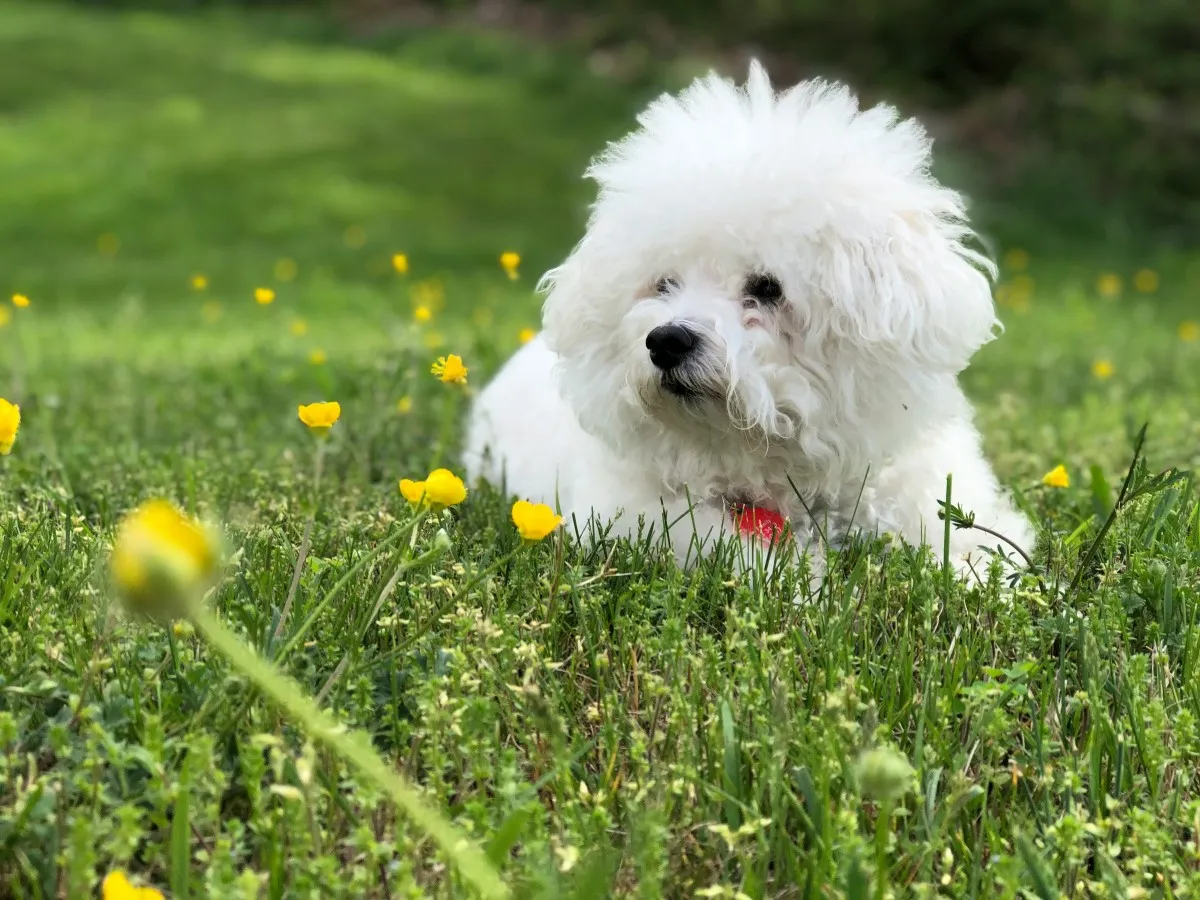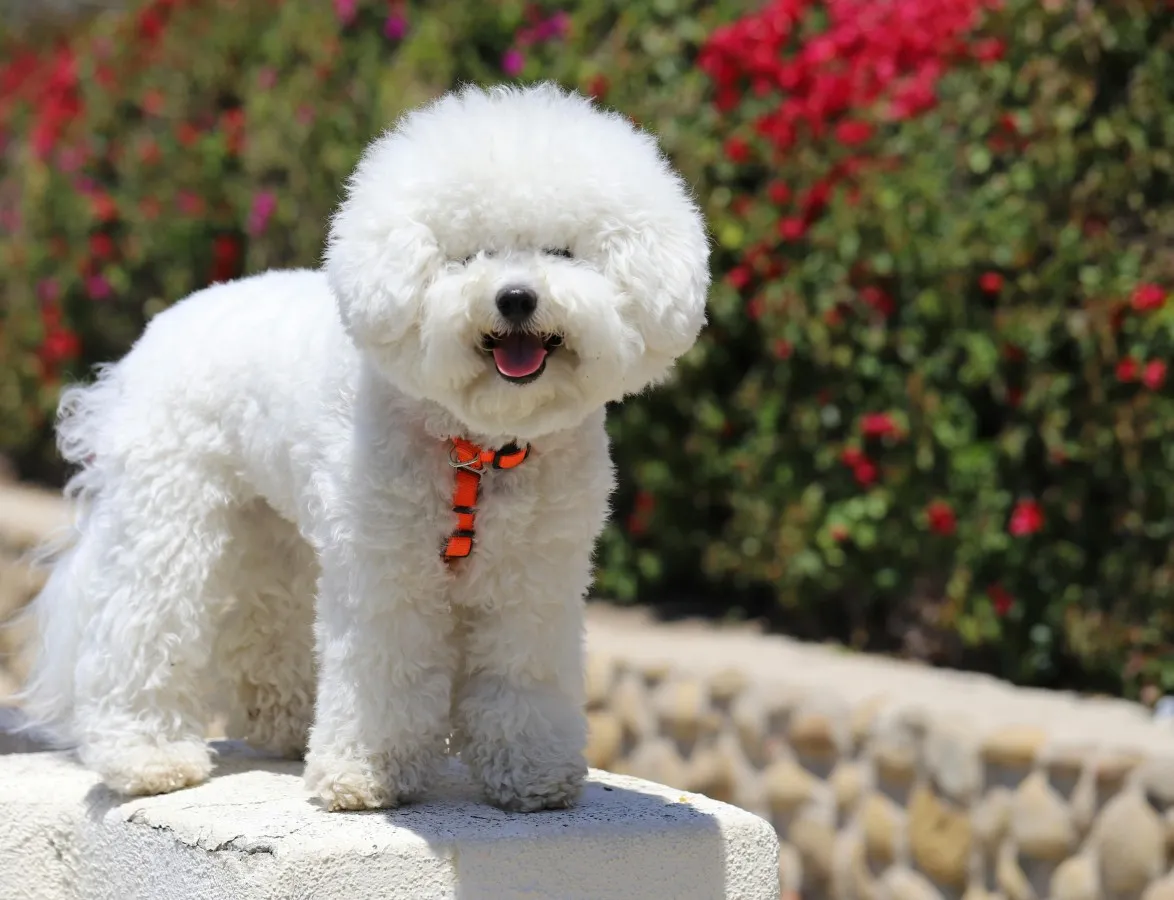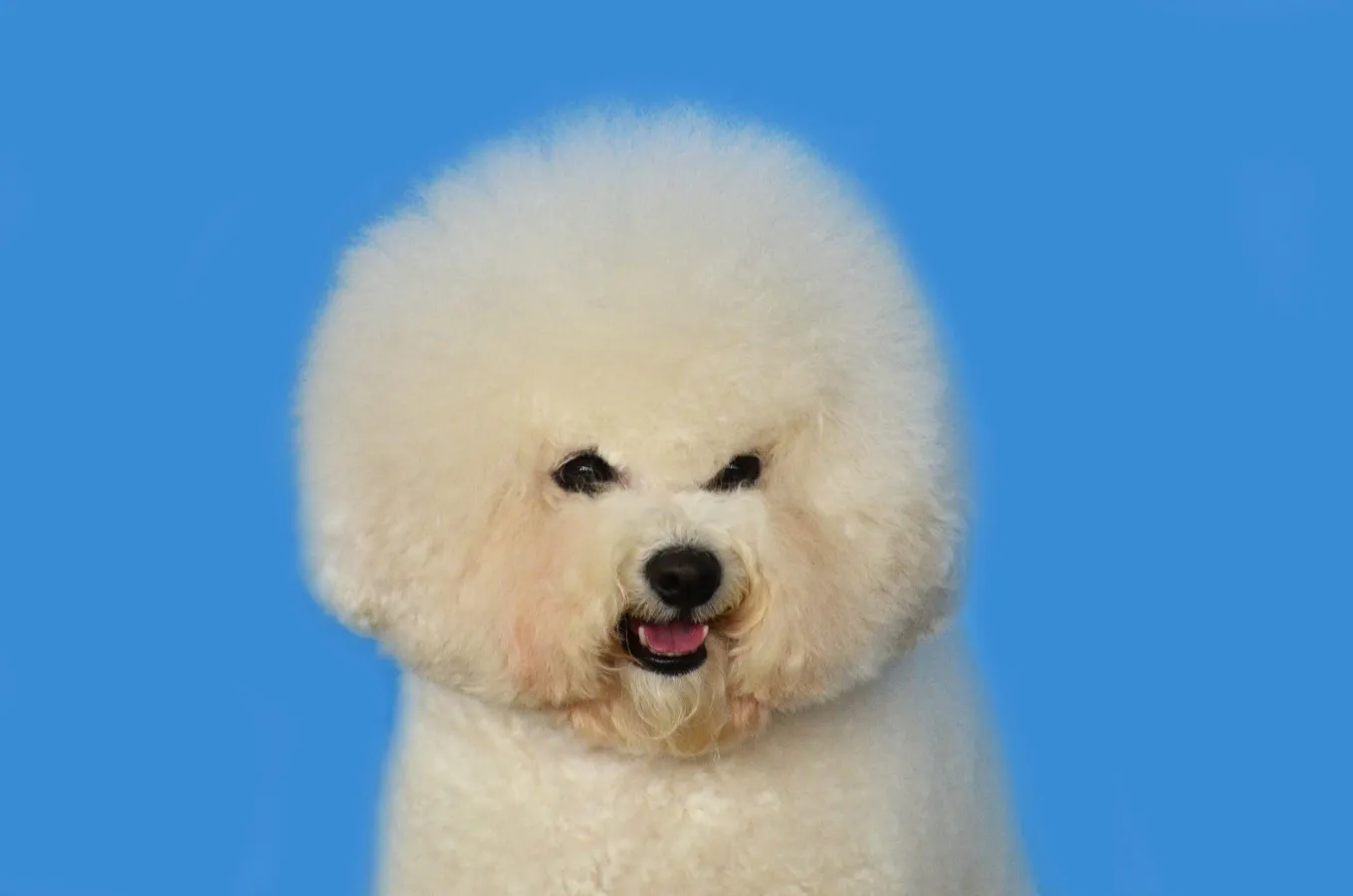
Bichon Frise - MAIN HUB
BREED GROUP
Companion Dogs
Country of origin
France / Belgium
BREED SIZE
Small
BREED HEIGHT
10 -
12 IN
25 -
30 cm
BREED WEIGHT
12 -
18 LB
5 -
8 KG
WHAT YOU NEED TO KNOW
american kennel club (AKC) recognition
Yes
Breed was recognized in 1972.

International Canine Federation (FCI) recognition
Yes
Breed was recognized in 1959.

WHAT DO OWNERS WANT TO KNOW?
Are Bichon Frises good family dogs?
Excellent
10 out of 10
The Bichon Frise is an excellent family dog due to its cheerful, playful personality and highly affectionate nature. They are well-suited for various households and first-time owners, though families should be prepared for their high grooming needs and potential for separation anxiety.

Are Bichon Frises good with kids?
Excellent
10 out of 10
Bichon Frises are generally excellent companions for children due to their gentle, patient, and playful nature. Their sturdy build makes them more resilient than other small breeds during active play, though their affectionate disposition ensures they bond deeply with family members. As with any breed, supervision is recommended to ensure interactions remain safe and respectful for both the dog and the child.
Are Bichon Frises good dogs for first time owners?
Exceptional
10 out of 10
Bichon Frises are highly recommended for first-time owners because they are cheerful, intelligent, and eager to please. Their small size and adaptable nature make them easy to manage in various living environments, though novices must be prepared for their significant grooming requirements and potential for separation anxiety. Consistent, positive training is key to managing their occasional stubbornness and ensuring a well-behaved companion.
Are Bichon Frises good apartment dogs?
Exceptional
10 out of 10
Bichon Frises are excellent apartment dogs due to their small size, moderate exercise needs, and cheerful, adaptable nature. Their hypoallergenic, low-shedding coats make them ideal for indoor living and residents with allergies. While they are active and enjoy short walks or indoor play, they do not require expansive space and are content in compact homes as long as they receive consistent human companionship.
Do Bichon Frises need a yard?
Not Required
10 out of 10
A yard is not strictly required for a Bichon Frise, as they adapt exceptionally well to apartment living due to their small size and moderate exercise needs. While a fenced yard is a bonus for supervised play and their playful energy, daily walks and indoor interactive play are sufficient to keep this cheerful, low-energy breed happy and healthy.
Can Bichon Frises be left at home alone?
Not Recommended
1 out of 10
Bichon Frises are highly social companions that thrive on human interaction and can develop separation anxiety if left alone for extended periods. While they can manage moderate periods of solitude with proper training and mental stimulation, they are best suited for households where someone is present for most of the day to prevent destructive behaviors.
Do Bichon Frises tolerate cats well?
Exceptional
10 out of 10
Bichon Frises are generally excellent companions for cats due to their friendly, non-aggressive, and highly social nature. They have a low prey drive and often view other pets as family members, making them well-suited for multi-pet households. Early socialization and gradual, supervised introductions typically lead to a peaceful and affectionate bond between them and their feline housemates.
Are Bichon Frises known to be aggressive?
Very Gentle
10 out of 10
Bichon Frises are not naturally aggressive; they are typically cheerful, friendly, and sociable companions. Any display of aggression is rare and usually stems from fear, a lack of proper socialization, or feeling threatened. With early socialization and positive reinforcement training, they remain gentle, well-mannered pets that generally get along well with everyone.
Do Bichon Frises have a lot of energy?
Average
5 out of 10
Bichon Frises have a moderate energy level and are known for their cheerful, playful personalities. While they are active and enjoy interactive play or short walks, their exercise needs are manageable, typically requiring about 30 to 45 minutes of daily activity. They thrive on human engagement and mental stimulation, making them well-suited for indoor life and various living situations.
How much exercise do Bichon Frises need?
~45 min a day
4 out of 10
Bichon Frises require about 30 to 45 minutes of daily exercise to stay healthy and happy. This can be achieved through daily walks, interactive play sessions, and mental stimulation. While they are energetic and enjoy activities like fetch or hide-and-seek, their needs are manageable, making them well-suited for apartment living and indoor play.
Do Bichon Frises tolerate hot weather well?
Average
5 out of 10
Bichon Frises generally tolerate hot weather well, but they can be prone to overheating due to their dense double coats. Owners should avoid walking them during peak heat hours and provide constant access to shade and fresh water. It is important to keep their coat well-groomed and avoid shaving them, as their fur acts as insulation against the heat and protects them from sunburn.
Are Bichon Frises good with cold weather?
Average
5 out of 10
Bichon Frises generally tolerate hot weather well, but they can be prone to overheating due to their dense double coats. Owners should avoid walking them during peak heat hours and provide constant access to shade and fresh water. It is important to keep their coat well-groomed and avoid shaving them, as their fur acts as insulation against the heat and protects them from sunburn.
Are Bichon Frises sometimes banned from rentals?
Never Banned
10 out of 10
Bichon Frises are rarely subject to breed bans, as they are small, non-aggressive, and widely regarded as ideal apartment dogs. Their compact size typically falls well within standard weight limits, and their hypoallergenic coats are a benefit for landlords. However, their tendency to bark when alerted or if experiencing separation anxiety means owners should focus on training to prevent noise complaints.
WHAT DO OWNERS WANT TO KNOW?