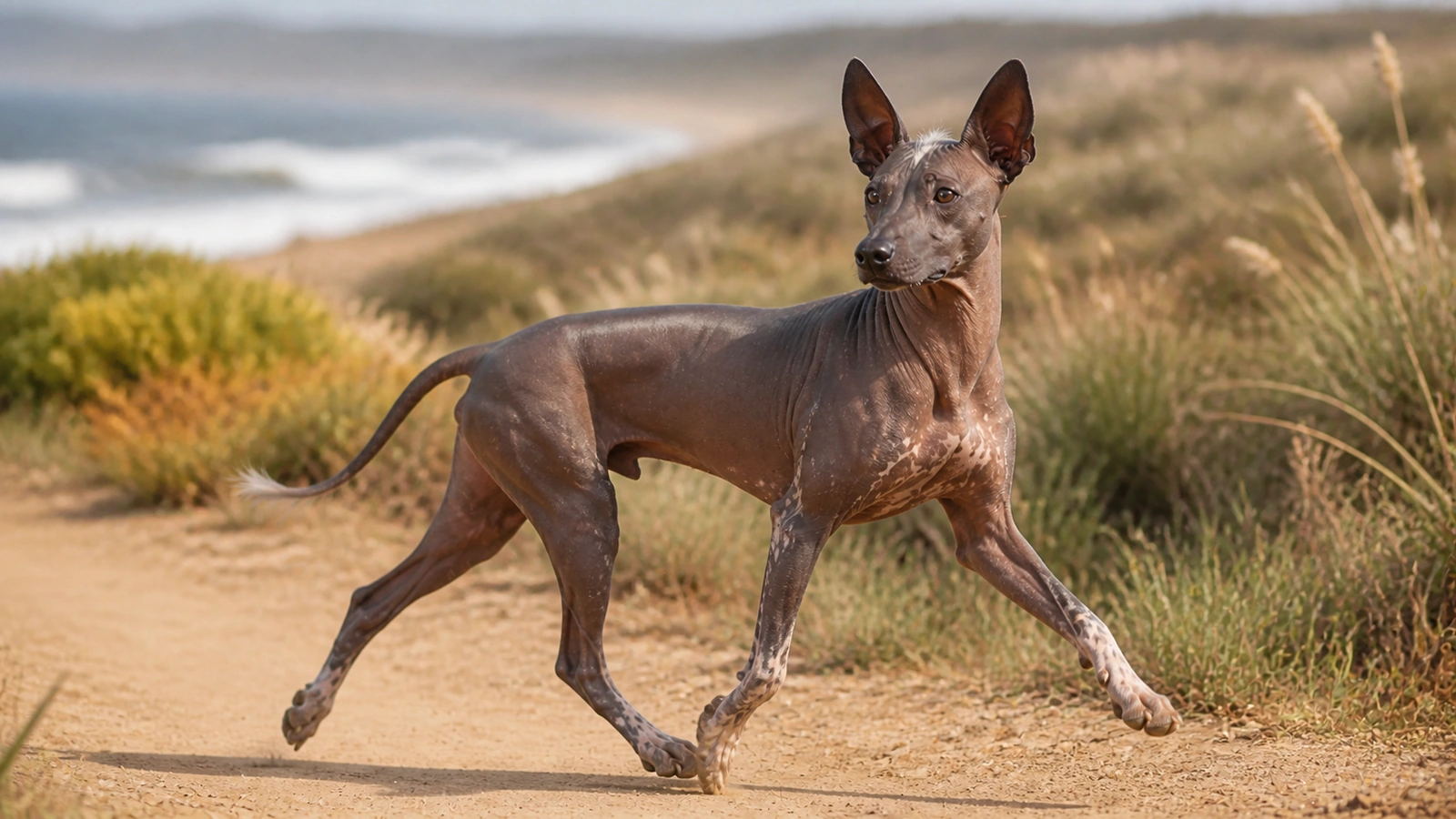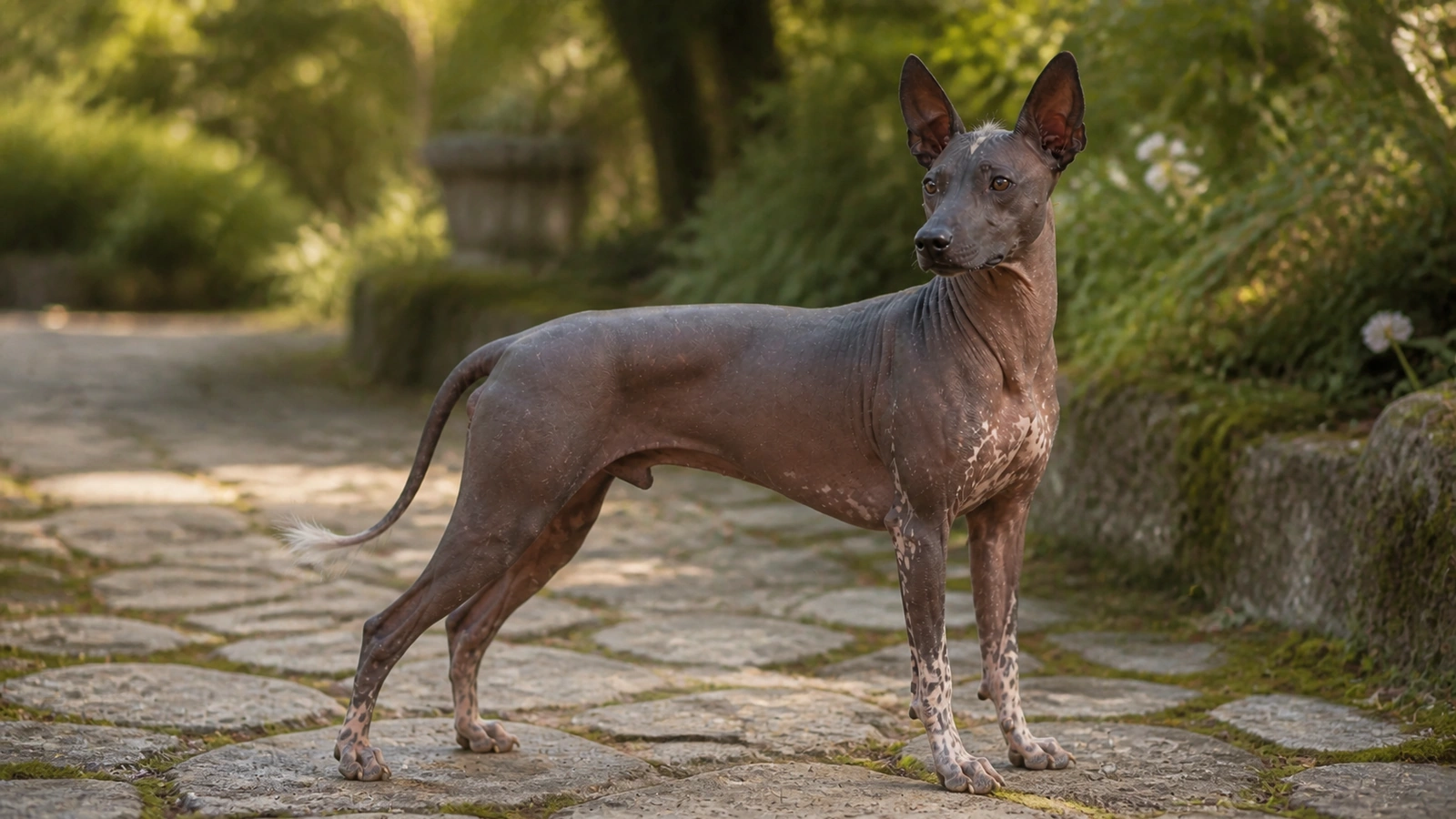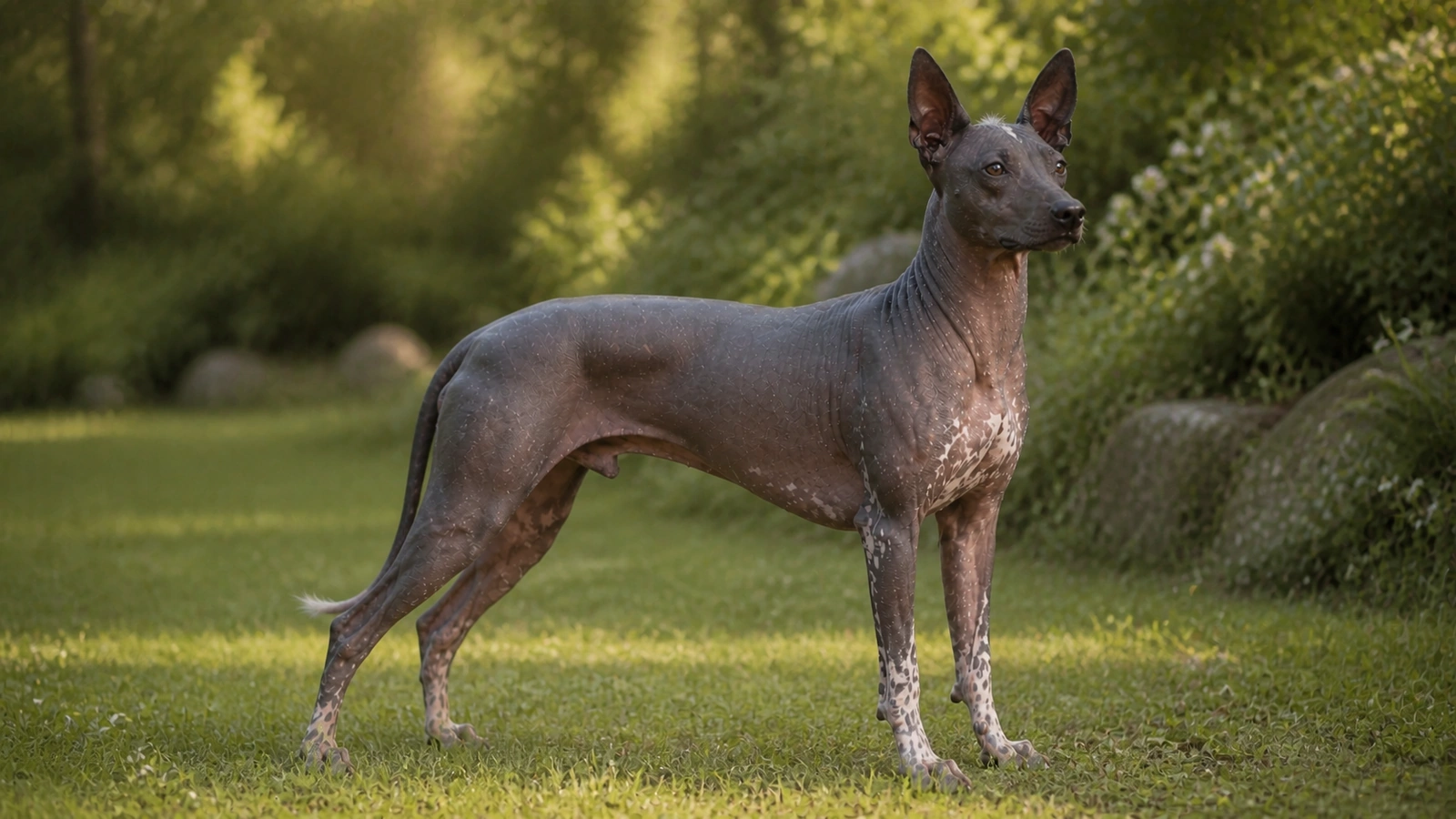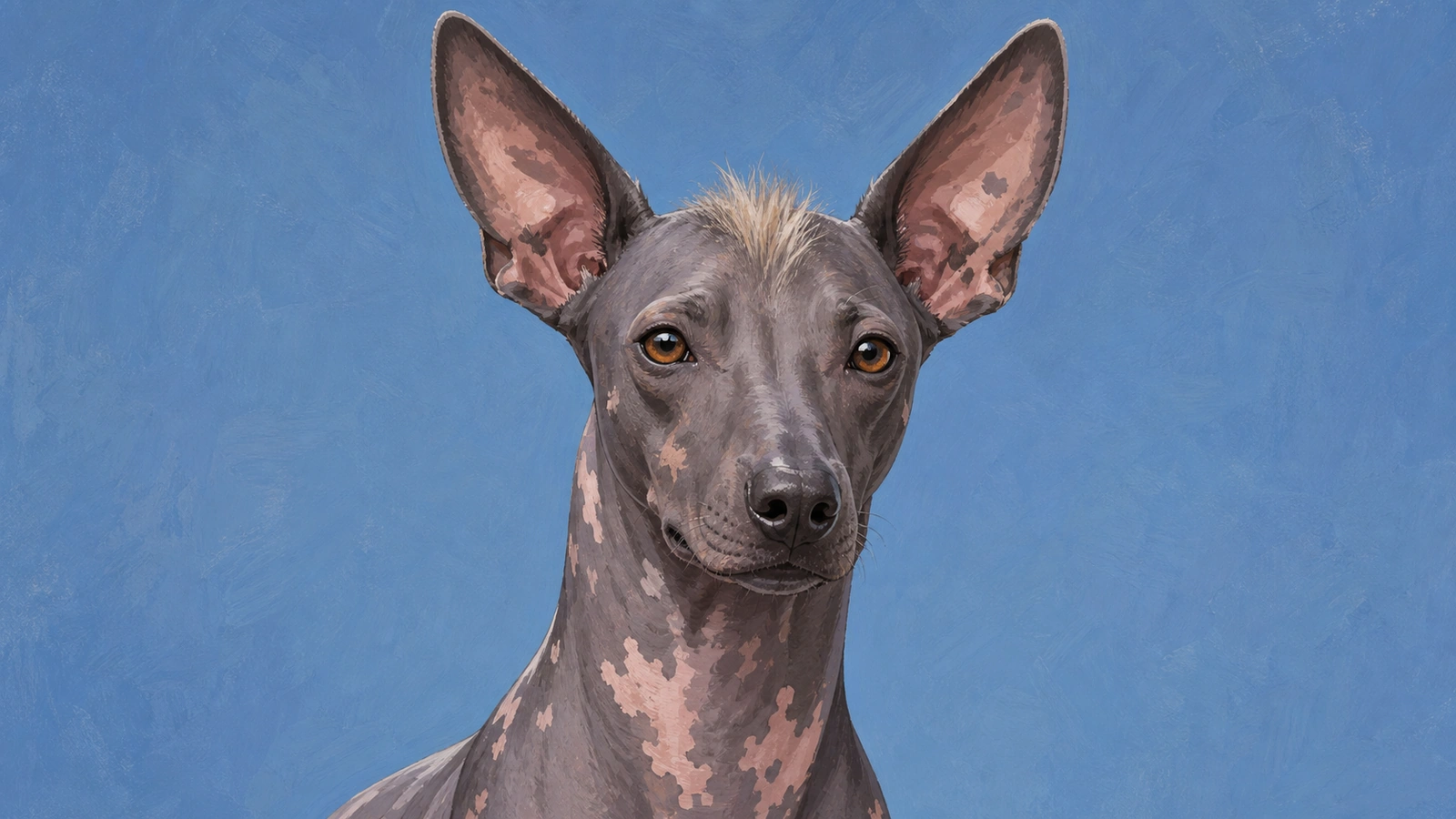
Peruvian Inca Orchid - MAIN HUB
BREED GROUP
Companion Dogs
Country of origin
Peru
BREED SIZE
Medium
BREED HEIGHT
10 -
26 IN
25 -
66 cm
BREED WEIGHT
9 -
55 LB
4 -
25 KG
WHAT YOU NEED TO KNOW
american kennel club (AKC) recognition
No
Breed was recognized in 0.

International Canine Federation (FCI) recognition
Yes
Breed was recognized in 1981.
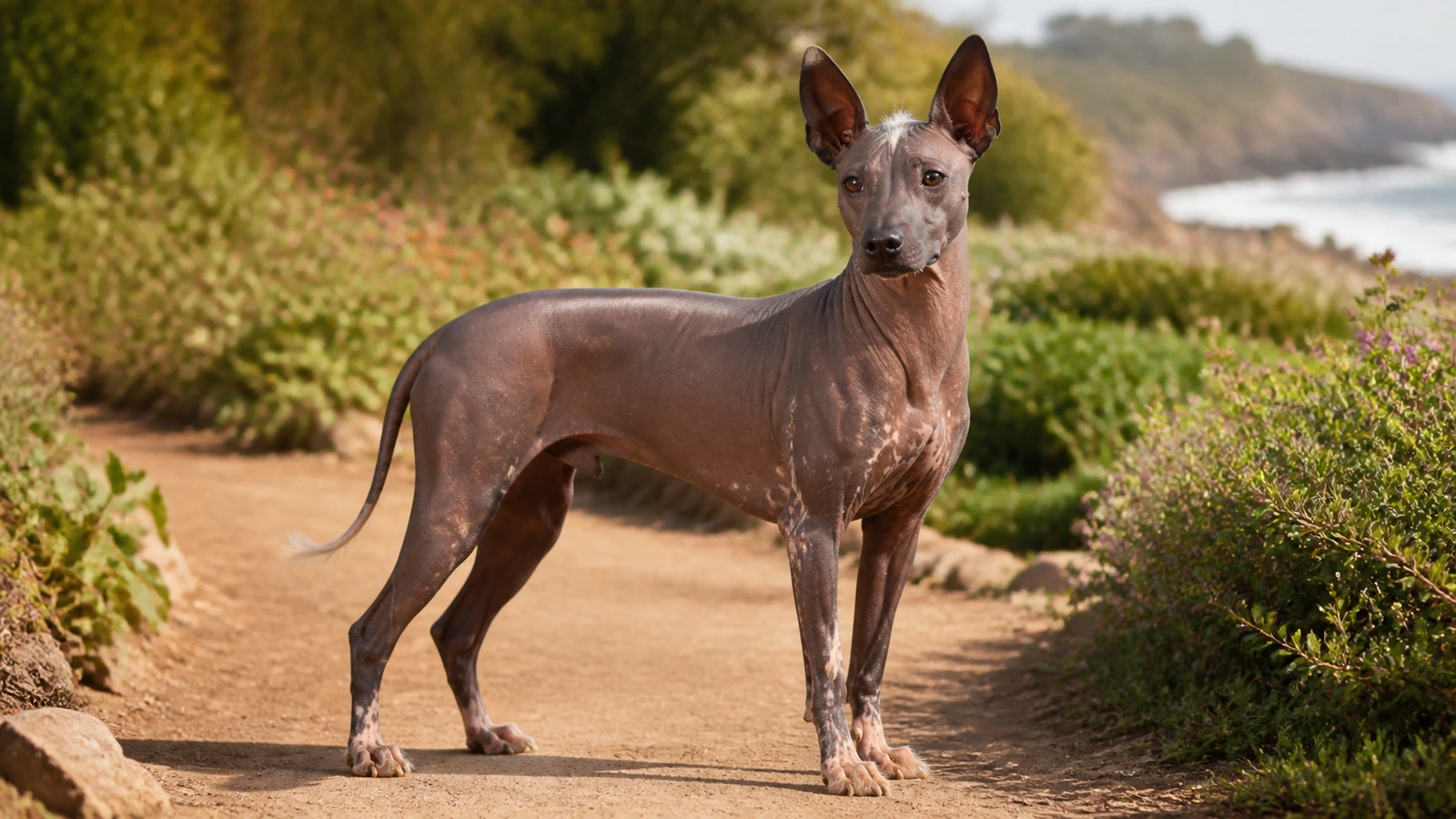
WHAT DO OWNERS WANT TO KNOW?
Are Peruvian Inca Orchids good family dogs?
Fair
2 out of 10
The Peruvian Inca Orchid is an affectionate and loyal companion that bonds deeply with its family, making it a devoted choice for attentive households. However, because they are often reserved around strangers and require consistent socialization, they are best suited for families who can provide a structured environment and dedicated training.
Are Peruvian Inca Orchids good with kids?
Not Recommended
2 out of 10
Peruvian Inca Orchids are generally not recommended for families with small children due to their sensitive nature and wariness of strangers. While they are deeply loyal to their owners, they can be easily overwhelmed by rowdy or unpredictable behavior and typically thrive best in quiet environments with older children who understand how to respect a dog's boundaries.
Are Peruvian Inca Orchids good dogs for first time owners?
Fair
2 out of 10
The Peruvian Inca Orchid is generally not recommended for first-time owners because they require a high degree of experience with dog behavior and psychology. Their independent, often stubborn nature and natural wariness of strangers demand consistent, firm training and extensive early socialization. Additionally, the specific skin care needs of the hairless variety and their potential for separation anxiety make them better suited for attentive, experienced handlers.
Are Peruvian Inca Orchids good apartment dogs?
Average
5 out of 10
Peruvian Inca Orchids can adapt well to apartment living thanks to their calm indoor nature and moderate exercise needs. Their tendency to be quiet and reserved makes them considerate neighbors, though they may bark to alert owners of strangers. While adaptable to smaller spaces, they require consistent daily walks and mental stimulation to remain happy and well-behaved.
Do Peruvian Inca Orchids need a yard?
Below Average
6 out of 10
A yard is not strictly required for a Peruvian Inca Orchid, as their exercise needs can be met through daily walks and indoor play. However, a securely fenced yard is highly recommended to provide a safe space for this agile sighthound to run off-leash and engage in active play sessions. Since they are sensitive to temperature extremes and sun, any outdoor time should be supervised, and shade must be provided.
Can Peruvian Inca Orchids be left at home alone?
Above Average
6 out of 10
Peruvian Inca Orchids form strong bonds with their families and are prone to separation anxiety if left alone for too long. While they can manage moderate periods of solitude if provided with a safe, cozy space and engaging toys, they thrive best in households where they receive consistent companionship and interaction. Prolonged isolation may lead to distress, including barking and destructive behaviors.
Do Peruvian Inca Orchids tolerate cats well?
Fair
2 out of 10
Peruvian Inca Orchids can coexist with cats if socialized early, but their strong sighthound prey drive often leads them to chase smaller animals. Because of this, introductions must be carefully managed and supervised to ensure the safety of all pets in the household.
Are Peruvian Inca Orchids known to be aggressive?
Moderate
6 out of 10
Peruvian Inca Orchids are not naturally aggressive and are known for their loyal and affectionate temperament toward their family. While they are essentially sighthounds that remain gentle with those they know, they are naturally alert and cautious around strangers, making them effective watchdogs. Because they possess a strong prey drive, they should be supervised around small animals, and early socialization is essential to ensure they develop into well-mannered companions.
Do Peruvian Inca Orchids have a lot of energy?
Moderate
5 out of 10
Peruvian Inca Orchids have moderate energy levels, often described as calm couch potatoes indoors while remaining quick and agile outdoors. They require about 20 to 30 minutes of daily activity, such as brisk walks or play sessions, to stay healthy. While they enjoy lounging with their families, their athletic sighthound heritage means they also thrive when participating in engaging activities like agility or lure coursing.
How much exercise do Peruvian Inca Orchids need?
~30 min a day
4 out of 10
Peruvian Inca Orchids require moderate daily exercise, typically involving 20 to 30 minutes of walking or active play in a fenced yard. As agile sighthounds, they also enjoy and excel in activities like lure coursing, agility, and rally. Owners should prioritize exercising them during cooler morning or evening hours and apply dog-safe sunscreen to the hairless variety to prevent sunburn during outdoor activities.
Do Peruvian Inca Orchids tolerate hot weather well?
Good
6 out of 10
Peruvian Inca Orchids can tolerate warm weather but require significant protection due to their exposed skin. The hairless variety is highly susceptible to sunburn and requires dog-safe sunscreen and limited exposure to direct sunlight. Owners should provide access to shade and air conditioning, and ideally exercise them during the cooler early morning or evening hours to prevent skin damage and overheating.
Are Peruvian Inca Orchids good with cold weather?
Good
6 out of 10
Peruvian Inca Orchids can tolerate warm weather but require significant protection due to their exposed skin. The hairless variety is highly susceptible to sunburn and requires dog-safe sunscreen and limited exposure to direct sunlight. Owners should provide access to shade and air conditioning, and ideally exercise them during the cooler early morning or evening hours to prevent skin damage and overheating.
Are Peruvian Inca Orchids sometimes banned from rentals?
Sometimes Restricted
5 out of 10
Peruvian Inca Orchids are sometimes restricted in rentals, primarily due to size variations that may exceed weight limits or their reserved nature around strangers. While not typically on aggressive breed lists, their unique appearance and skin care needs mean they thrive best with attentive owners. Always check specific landlord policies regarding weight caps and potential insurance requirements for this ancient sighthound.
WHAT DO OWNERS WANT TO KNOW?