Skip to content

Keeshond - MAIN HUB

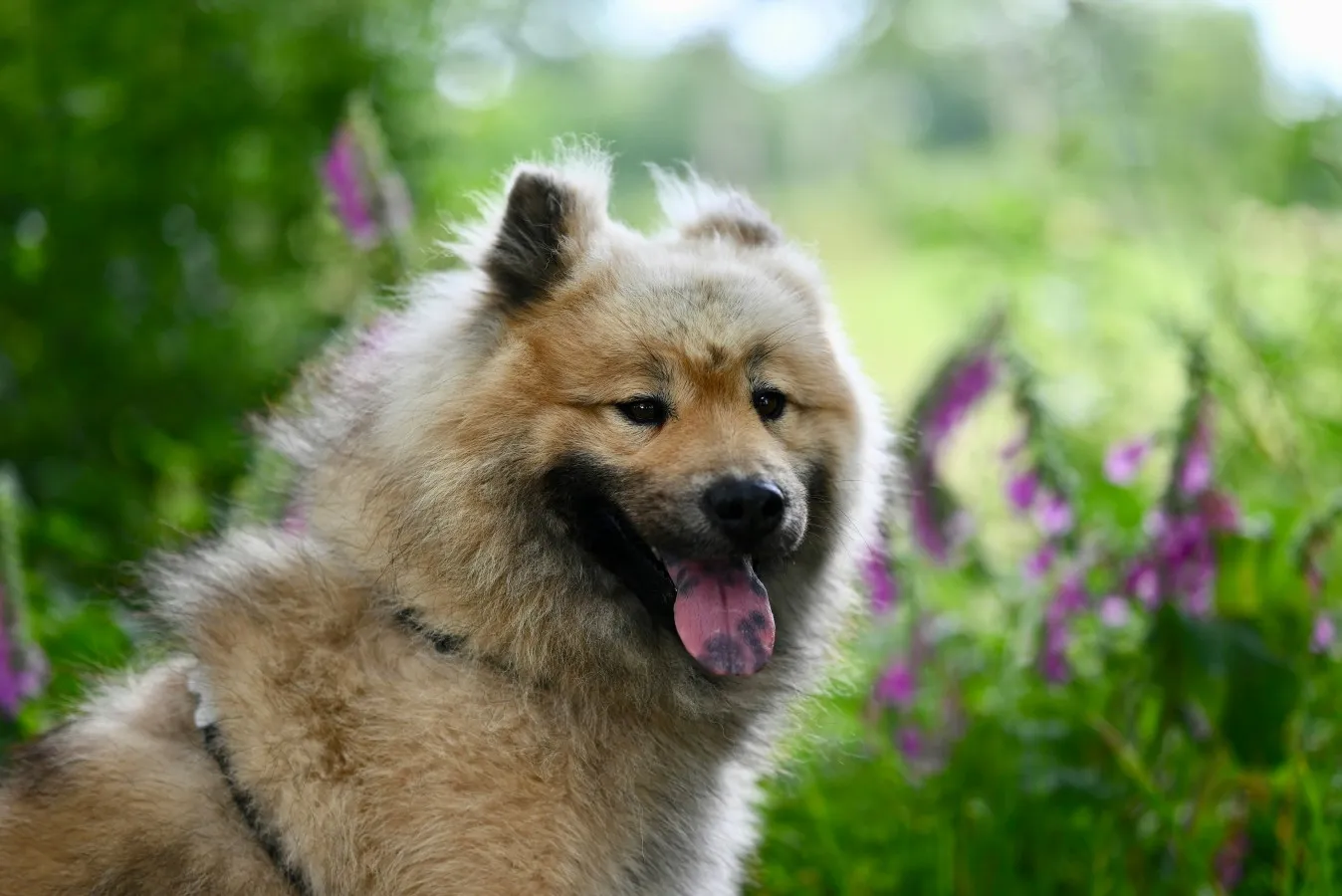
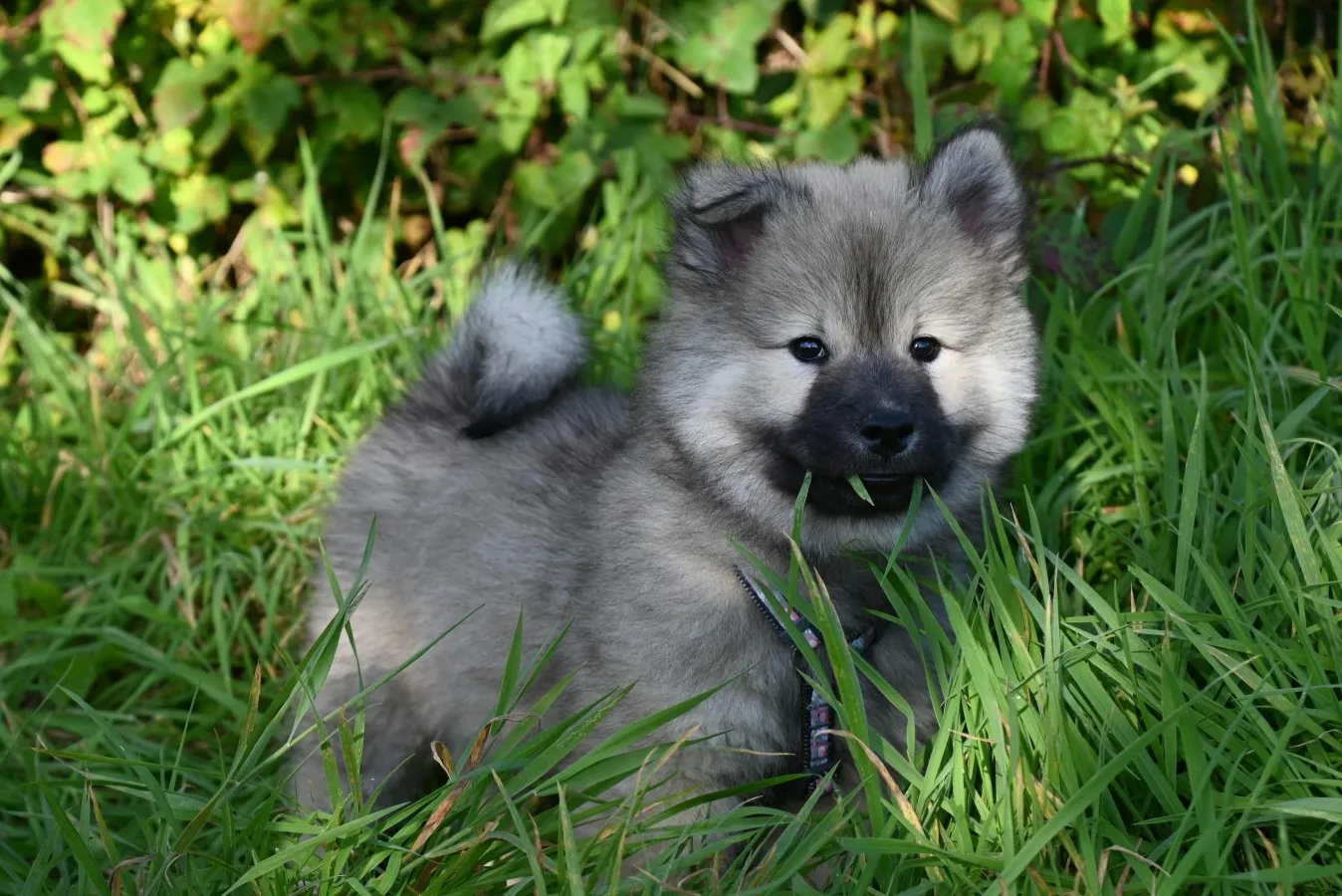
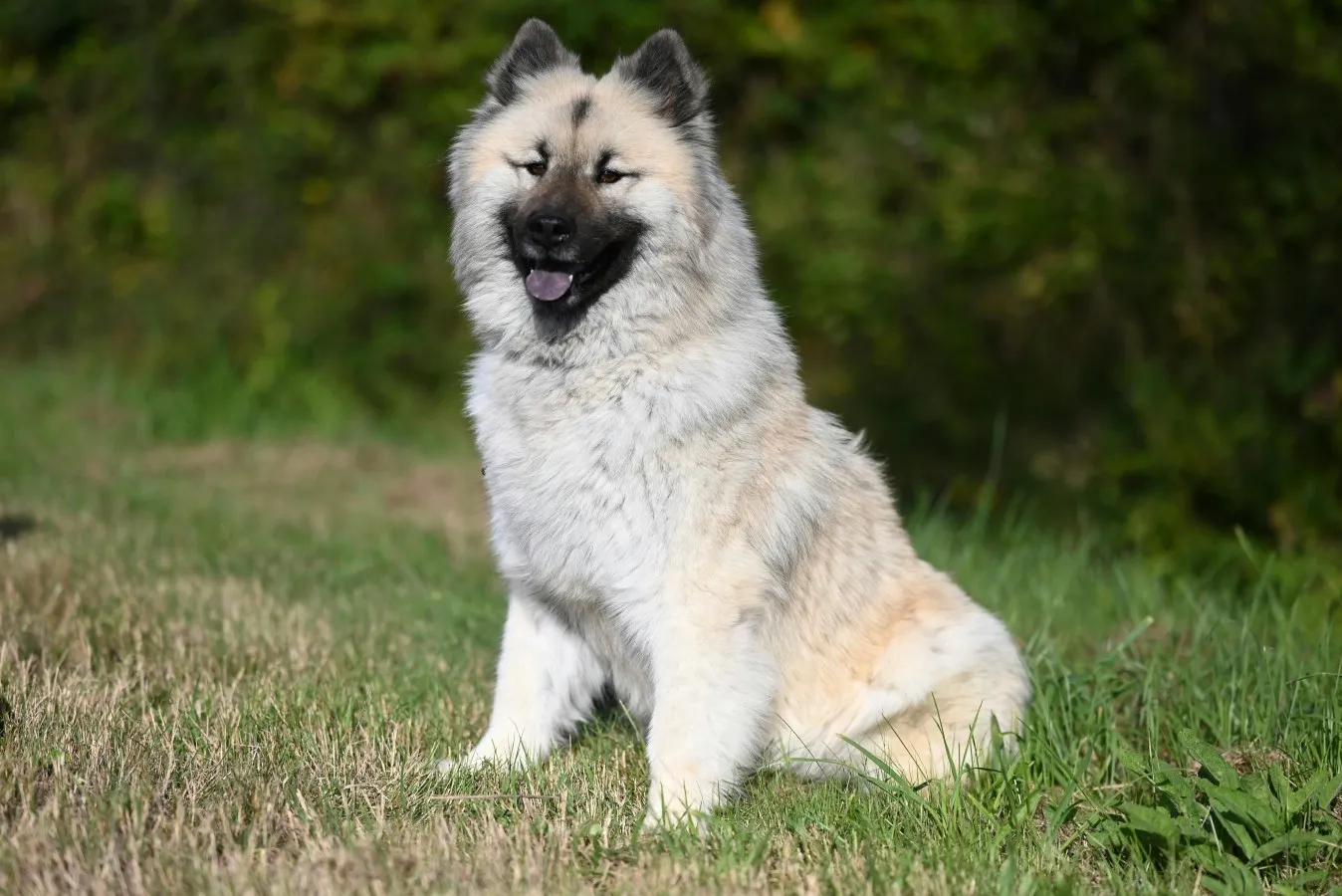
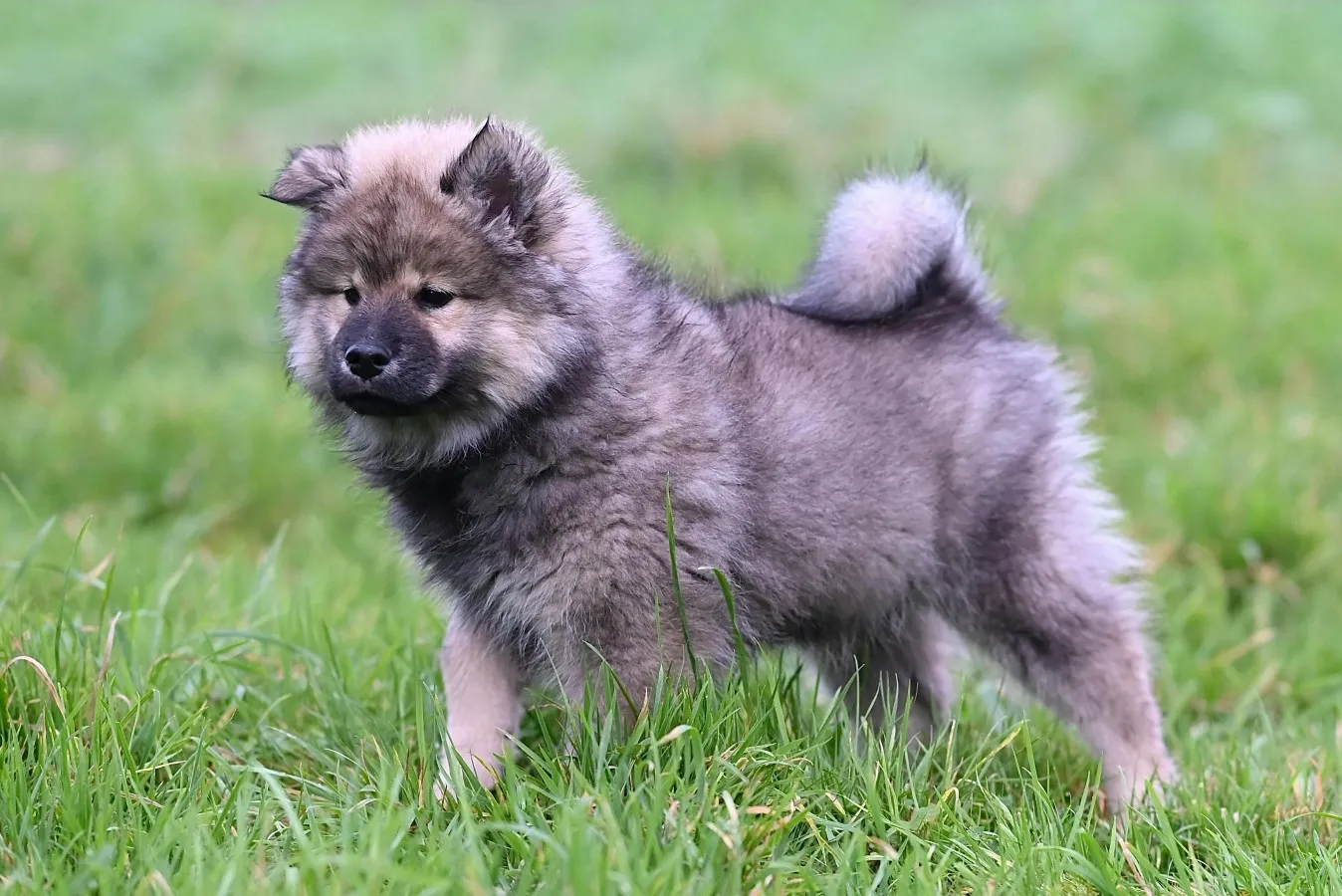
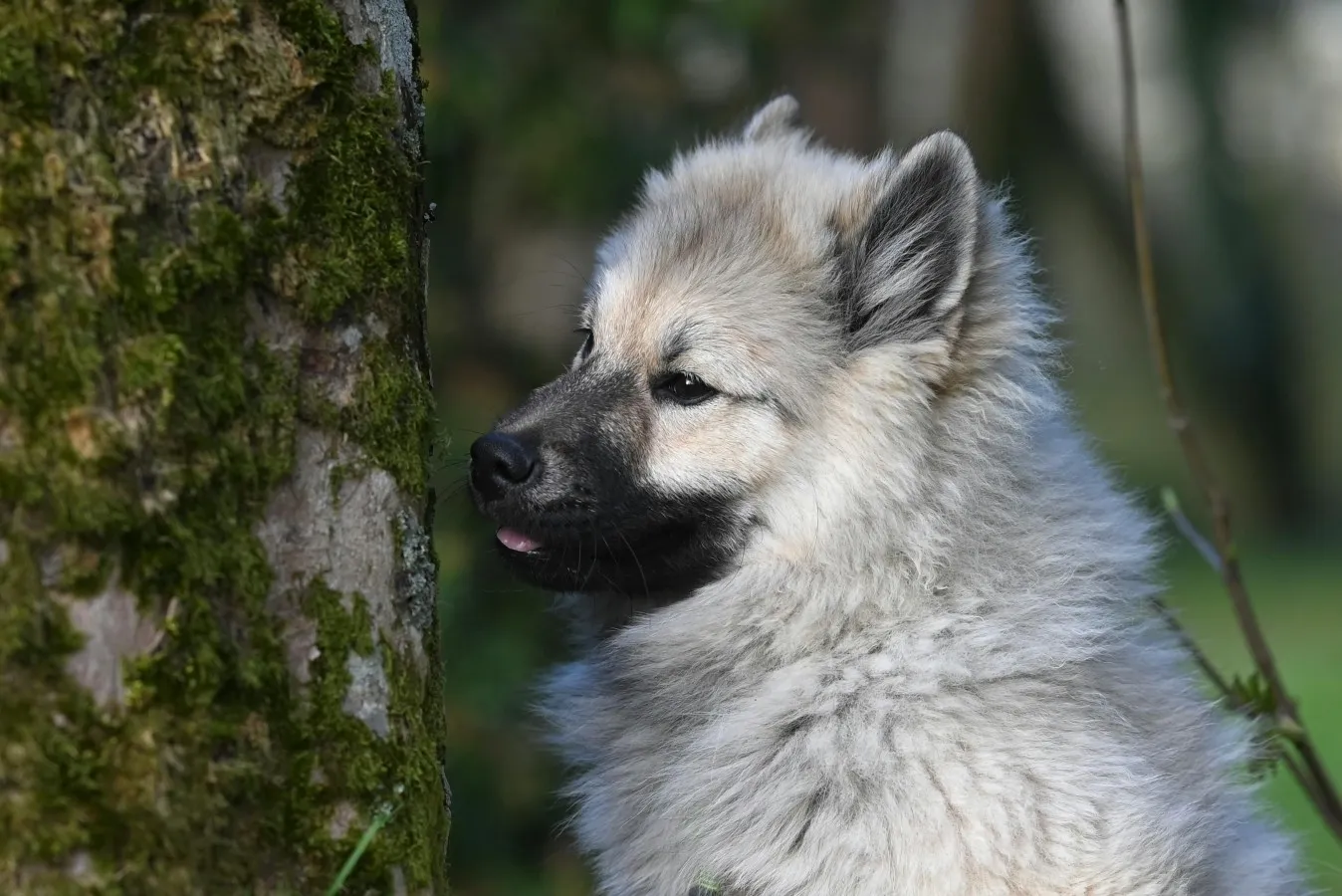
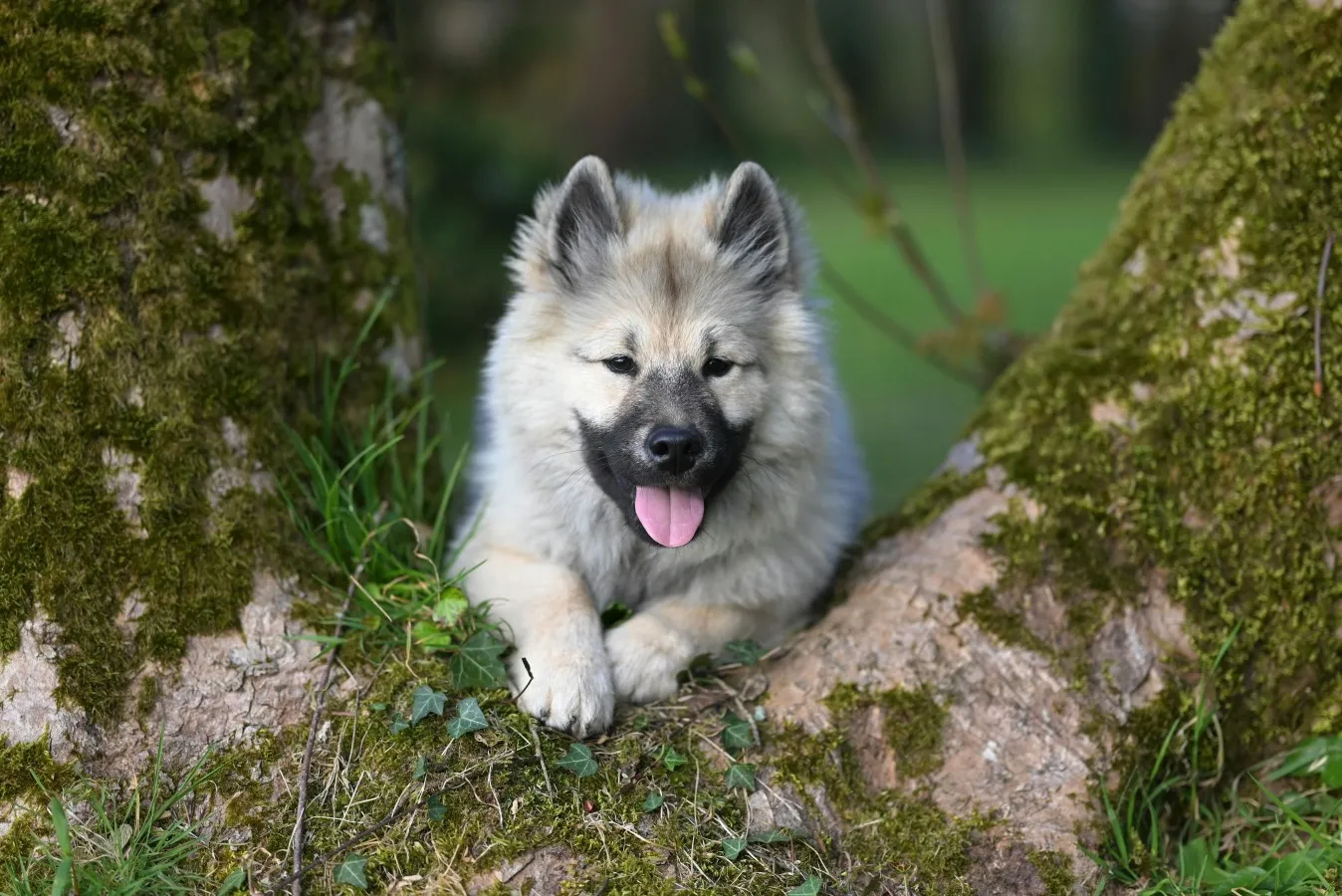
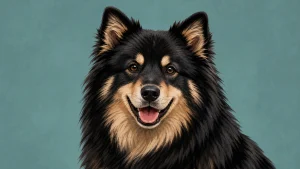
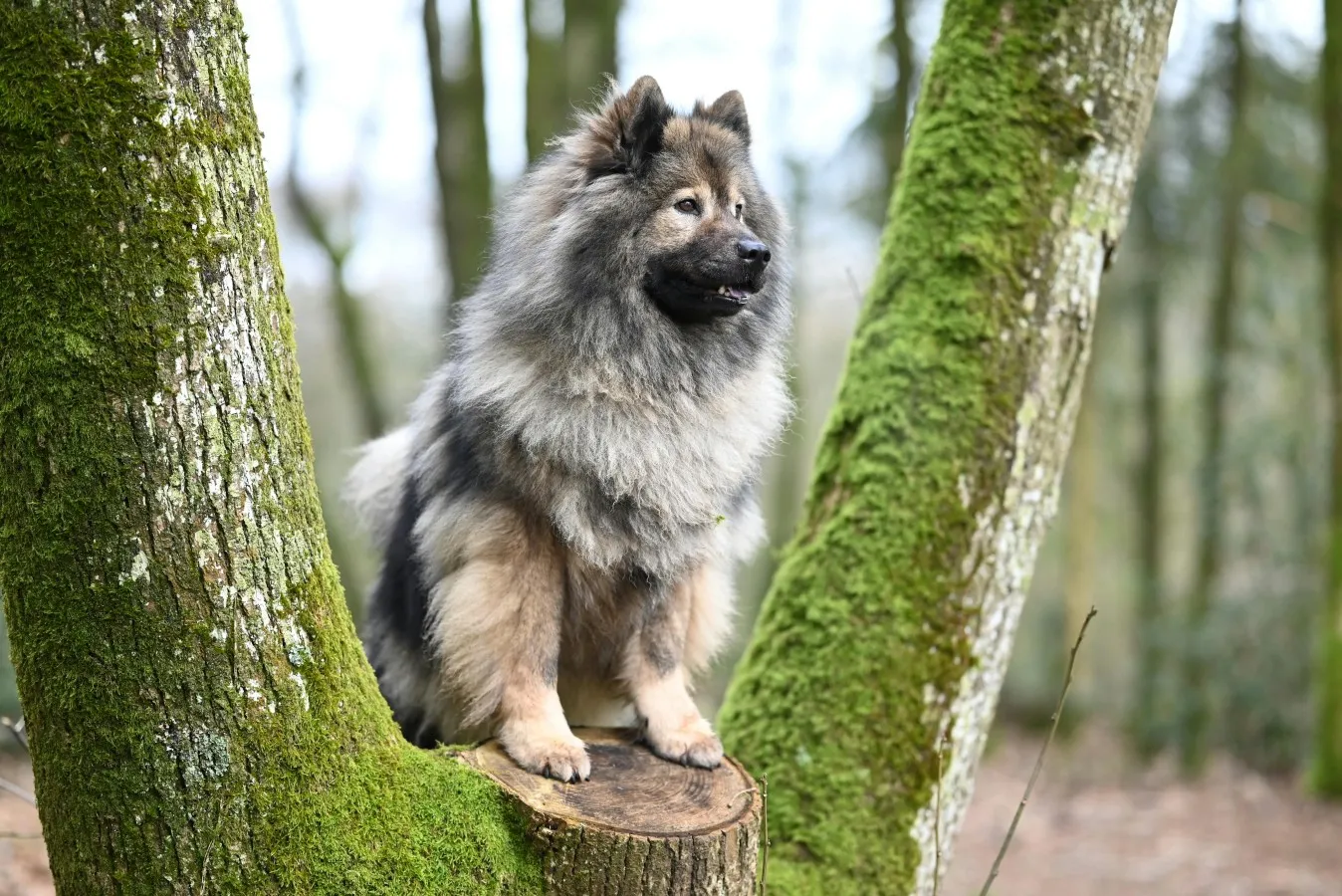
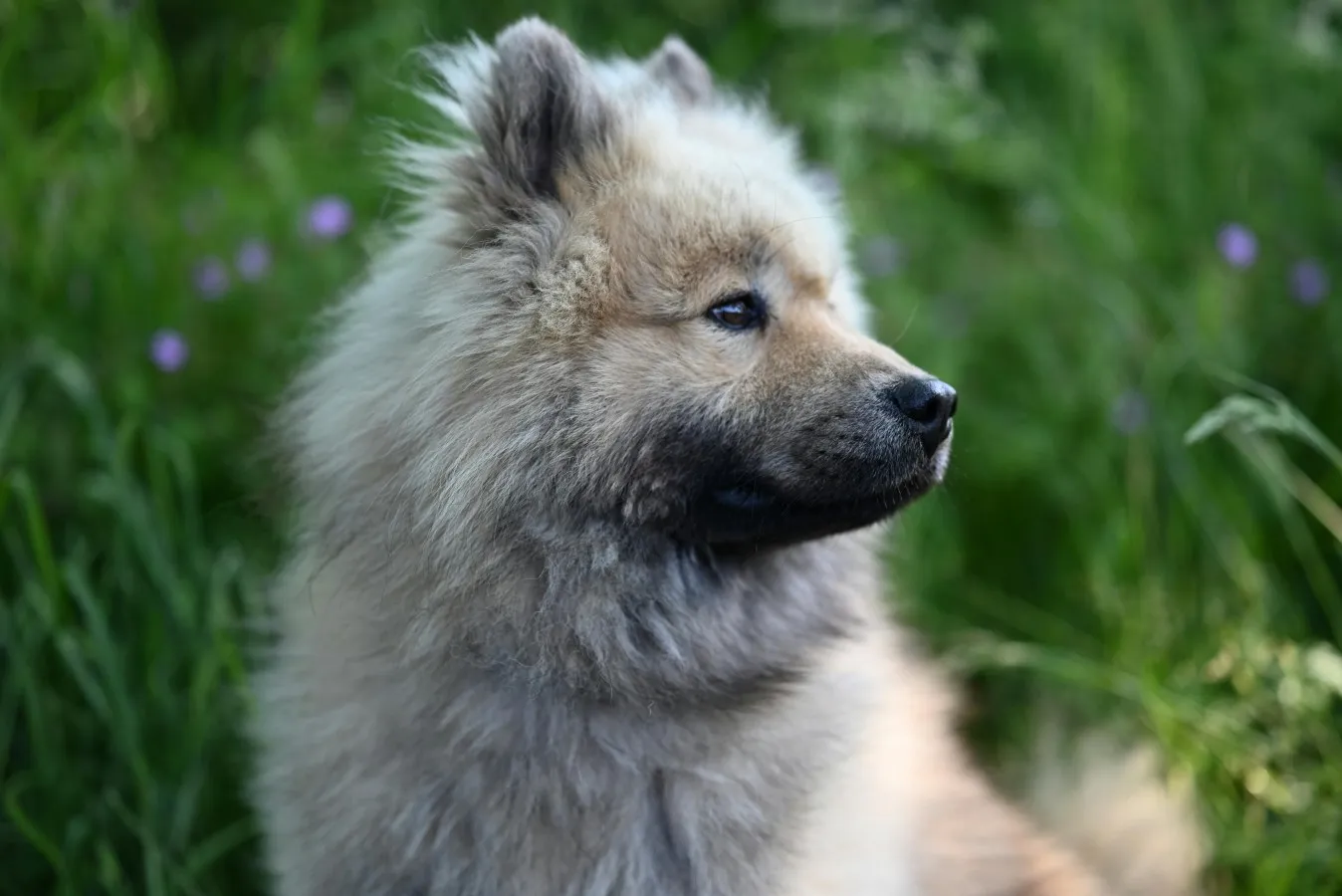
Meet the “Smiling Dutchman!” A fluffy, loyal Keeshond brings joy with its iconic “spectacles” and heart of gold. Perfect for an affectionate home.

BREED GROUP

Companion Dogs

Country of origin

Netherlands

BREED SIZE

Medium

BREED HEIGHT

17 -

18 IN

43 -

46 cm

BREED WEIGHT

35 -

45 LB

16 -

20 KG

WHAT YOU NEED TO KNOW

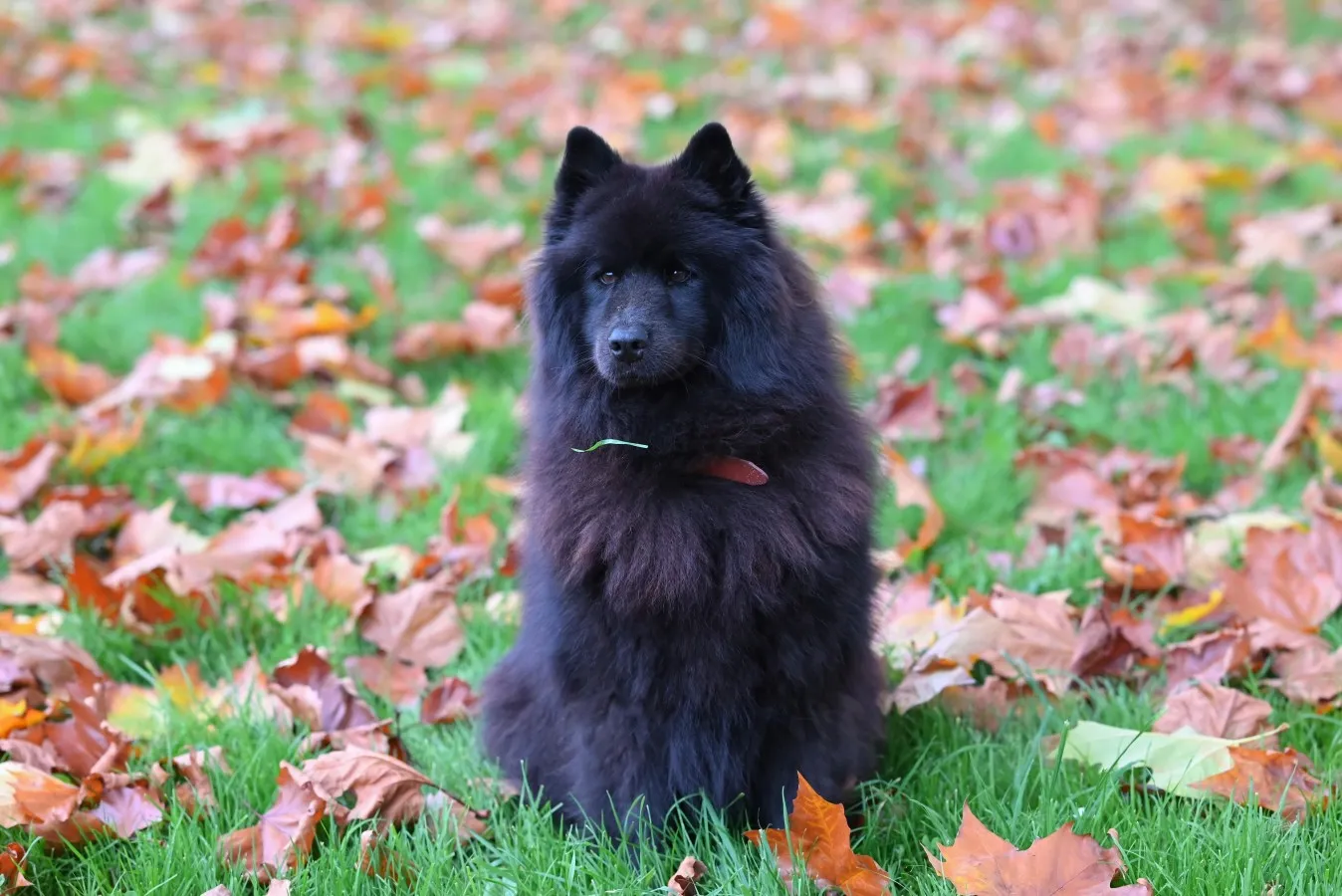
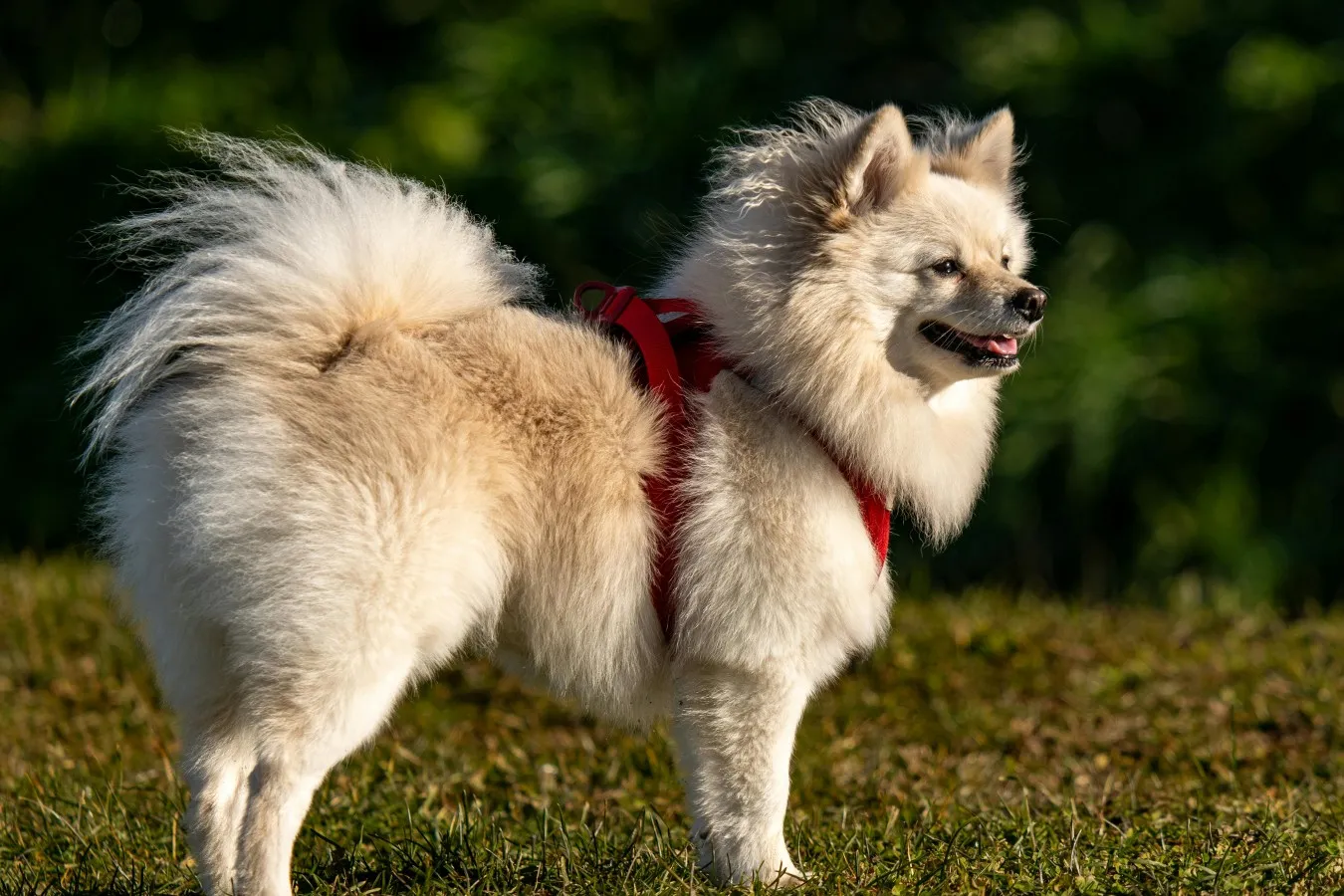
The Keeshond is a medium-sized, sturdy spitz-type dog originating from the Netherlands, where it historically served as a loyal barge guardian. Known as the "Smiling Dutchman," this breed is famous for its expressive "spectacles" and lush silver-gray double coat. Keeshonden are highly affectionate, intelligent, and eager to please, making them excellent family companions and therapy dogs. While they have moderate exercise needs, they thrive on human interaction and can struggle with separation anxiety. Potential owners should expect regular grooming requirements and be prepared for their alert, vocal nature.
american kennel club (AKC) recognition

Yes

Breed was recognized in 1930.

International Canine Federation (FCI) recognition

Yes

Breed was recognized in 1957.
WHAT DO OWNERS WANT TO KNOW?

Are Keeshonds good family dogs?

Excellent

10 out of 10

Keeshonden make excellent family companions due to their highly affectionate, intelligent, and eager-to-please nature. They thrive on human interaction and are well-suited for families that can provide the constant companionship they crave to avoid separation anxiety.

Excellent

10 out of 10

Keeshonden are exceptionally good with children, known for their gentle, patient, and playful nature. Often referred to as the "Smiling Dutchman," they thrive on human companionship and are sturdy enough to be tireless playmates for active kids. While they are naturally affectionate and tolerant, supervision is always recommended with younger children to ensure play remains safe and respectful for both the dog and the child.

Exceptional

10 out of 10

Keeshonden are highly recommended for first-time owners due to their adaptable, easy-going nature and strong desire to please. Their intelligence and eagerness to learn make them relatively easy to train, though consistency is key to managing an occasional stubborn streak. Prospective owners should be prepared for regular grooming to maintain their thick double coat and should ensure they can provide the constant companionship this social breed requires to thrive.

Exceptional

8 out of 10

Keeshonden are excellent apartment dogs because they are highly adaptable and have moderate exercise needs that are easily met with daily walks. While they are medium-sized, their calm indoor demeanor and "velcro" nature make them well-suited for smaller living spaces. However, owners must provide consistent training to manage their alert, vocal barking and ensure they are not left alone for long periods to avoid separation anxiety.

Not Required

10 out of 10

A yard is not strictly required for a Keeshond, as they adapt well to apartment living and have moderate exercise needs. While a fenced yard is a bonus for their alert and lively nature, daily walks and frequent human companionship are sufficient to keep this affectionate and intelligent breed happy and healthy.

Poor

2 out of 10

Keeshonden are highly social companions that thrive on human interaction and may develop separation anxiety if left alone for extended periods. While they can typically manage moderate periods of solitude, they thrive in households where someone is frequently present to provide the constant companionship they crave and prevent boredom-induced behaviors like nuisance barking.

Great

8 out of 10

Keeshonden generally get along well with cats, especially when raised together from a young age or properly socialized. Their friendly and affectionate nature makes them excellent additions to multi-pet households. However, their natural prey drive may lead to occasional chasing, so slow introductions and supervision are recommended to ensure a harmonious relationship.

Gentle

9 out of 10

Keeshonden are not naturally aggressive and are renowned for their gentle, friendly temperament. While they are highly alert watchdogs that will bark to announce a stranger's arrival, they typically greet visitors with a wagging tail once welcomed. Early socialization is essential to ensure their natural vigilance remains balanced and they remain confident and friendly around new people.

Moderate

5 out of 10

Keeshonden are lively dogs with moderate energy levels that require about an hour of daily physical activity and mental stimulation. While they are relatively calm indoors, they thrive on human companionship and need consistent engagement to prevent boredom-induced behaviors like nuisance barking or spinning.

~60 min a day

6 out of 10

Keeshonden require about an hour of daily physical activity to maintain their health and happiness. This should include regular walks of at least 30 minutes, supplemented by active playtime like fetch or hide-and-seek. Because of their thick double coats, they are prone to overheating, so it is best to exercise them during the cooler parts of the day or engage in indoor activities to keep them stimulated without overexertion.

Danger

1 out of 10

Keeshonden are sensitive to hot and humid weather due to their thick double coats, which make them prone to overheating quickly. While their coat provides some insulation, they are not suited for extreme heat and should never be shaved. Owners should provide constant access to shade, fresh water, and air conditioning, and limit exercise to the cooler morning or evening hours.

Danger

1 out of 10

Keeshonden are sensitive to hot and humid weather due to their thick double coats, which make them prone to overheating quickly. While their coat provides some insulation, they are not suited for extreme heat and should never be shaved. Owners should provide constant access to shade, fresh water, and air conditioning, and limit exercise to the cooler morning or evening hours.

Moderate Risk

6 out of 10

Keeshonden are sometimes subject to apartment breed restrictions because they are occasionally included on insurance "aggressive breed" lists due to their vocal nature. While they are medium-sized and generally friendly, their tendency to bark as a watchdog can sometimes conflict with noise policies in multi-family housing. Always check specific rental agreements and insurance requirements, as they are not as widely restricted as larger guarding breeds.

WHAT DO OWNERS WANT TO KNOW?


Photo
Reviewed by
Dr. Vojtech Gabriel
DVM · PhD · MBA
Veterinarian Researcher Dog breed specialist
Verified

"Keeshonden are generally robust, but as a veterinarian, I focus on screening for Primary Hyperparathyroidism (PHPT), a hereditary condition they are uniquely predisposed to that can lead to kidney failure if left untreated. They are also prone to orthopedic issues like hip and elbow dysplasia and patellar luxation, making weight management and joint support essential. Owners should monitor for eye conditions such as Progressive Retinal Atrophy (PRA) and be vigilant about heat stress due to their thick double coats. Regular veterinary check-ups, including cardiac screening and monitoring for diabetes or epilepsy, are vital for maintaining their health throughout their 12 to 15-year lifespan."


Other Companion Dogs