Keeshond Health and Costs
Breed Group
Companion Dogs
Country of Origin
Netherlands
Breed Size
Medium
AKC Recognition
Yes, recognized in 1930
FCI Recognition
Yes, recognized in 1957
Rarity
Common2 / 10
Purchase cost
Moderate to Expensive6 / 10
Life expectancy
Moderate Lifespan6 / 10
Health
Moderate health concerns4 / 10
Health problem risk
Moderate health concerns4 / 10
Maintenance cost
Moderate upkeep cost4 / 10
A Veterinarian's Guide
Keeshond Health Problems and Costs
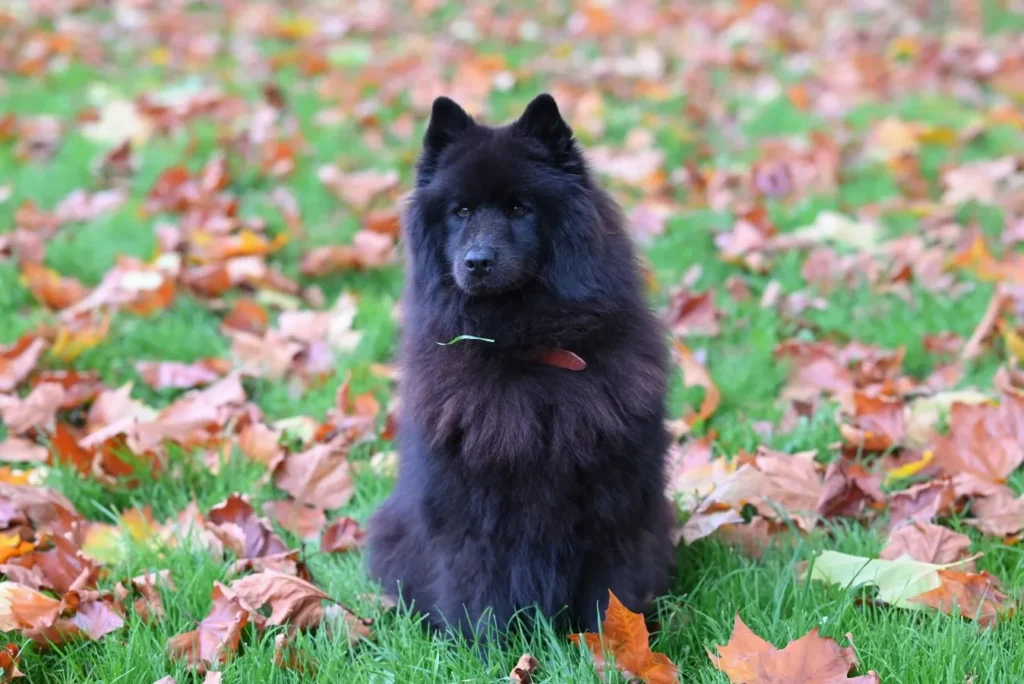
The Keeshond is a fluffy, amiable spitz that once rode the canal barges of Holland. Most of the breed's health planning comes down to one condition that is far more common in Keeshonden than in almost any other breed, plus the usual medium-dog list of joints, eyes, and heart. Knowing it before you bring a puppy home, or while you already share your life with one, makes the screening and the vet visits much easier to plan.
In this guide
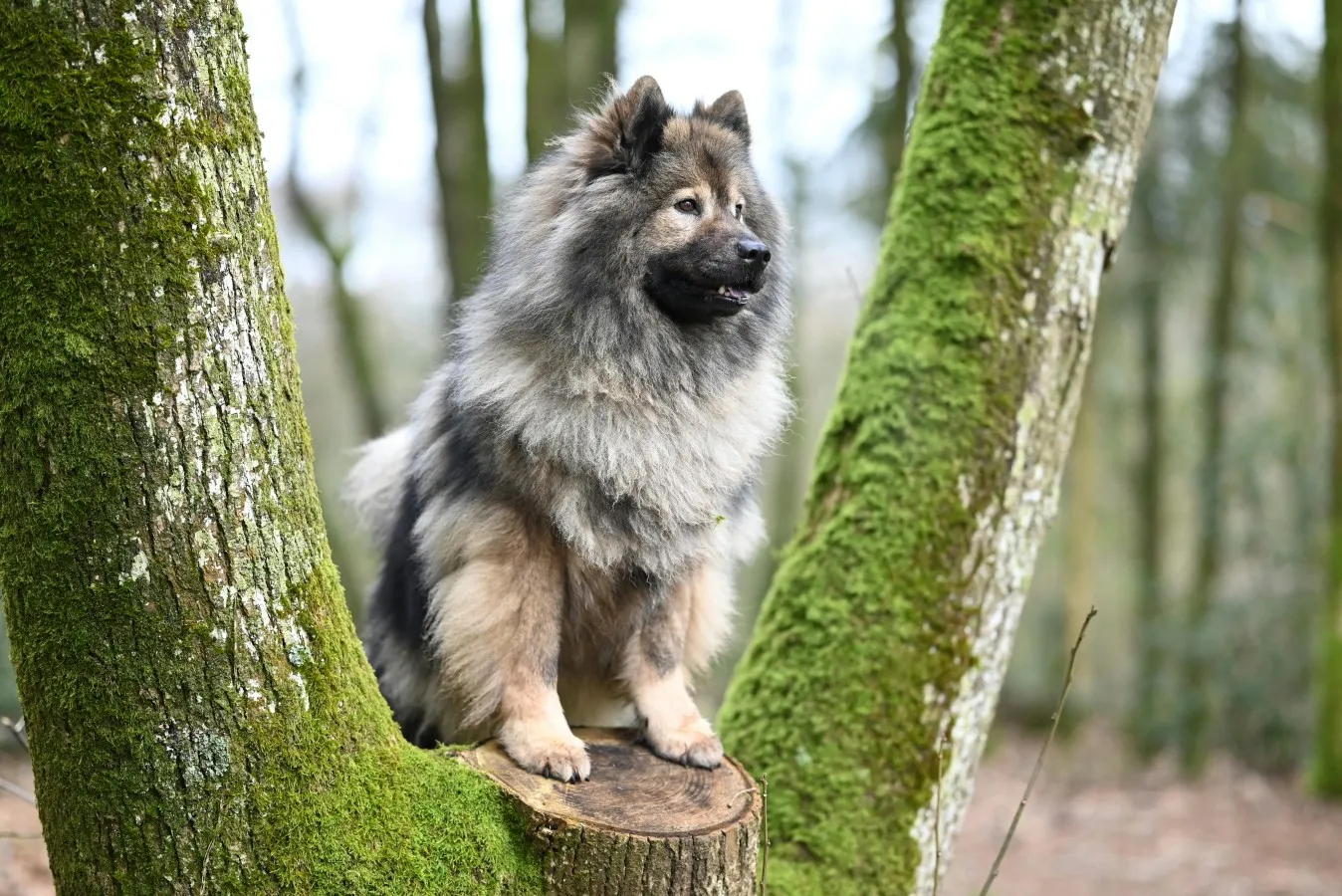
What Is Primary Hyperparathyroidism in Keeshonden?
Do not wait for a Keeshond to become very thirsty, weak, or sick before checking calcium. Mild cases often show no signs at all, so regular bloodwork is how this condition is usually caught early.
Primary hyperparathyroidism (PHPT) happens when the parathyroid glands, small glands in the neck, release too much of the hormone that raises blood calcium. The AKC Canine Health Foundation describes the Keeshond as the breed most often affected, and the condition is inherited in a dominant pattern, meaning one abnormal gene from one parent is enough. It usually appears in adult to older dogs, and most Keeshonden carrying the gene will develop it if they live long enough.
Signs, when they appear, include increased thirst and urination, lethargy, muscle weakness, reduced appetite, vomiting, and calcium oxalate bladder stones. Treatment is surgical removal of the affected gland or a minimally invasive ablation, where the tissue is destroyed with heat or an injected chemical under ultrasound. Treatment before the kidneys are damaged usually works well, and the same source suggests monitoring calcium about twice a year starting around age six in dogs known to carry the gene. A DNA test is available for puppies and breeding dogs.
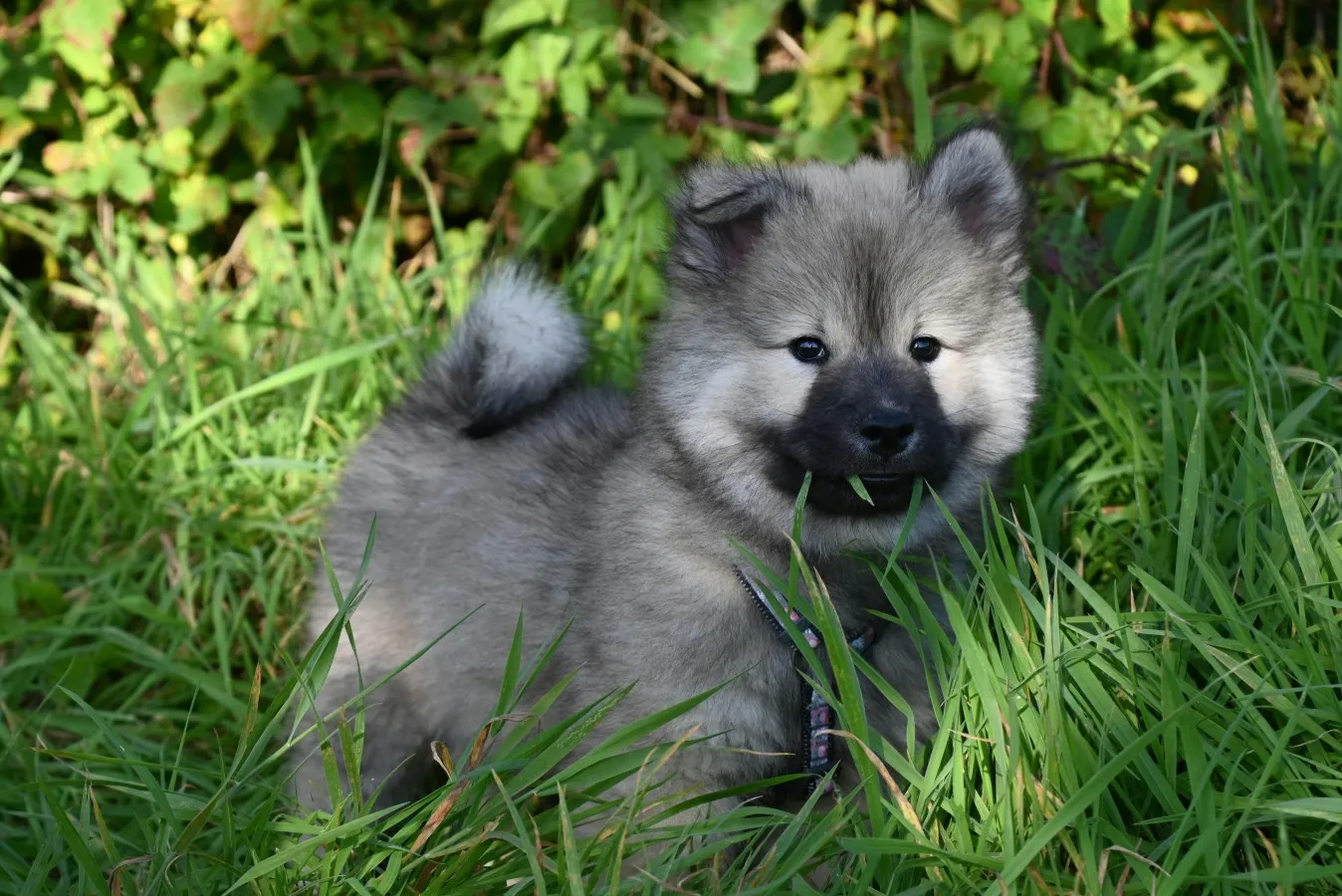
Which Joint Problems Affect Keeshonden?
The AKC's non-sporting group health testing page lists hip, elbow, and patella evaluations for the breed. Hip dysplasia is a poorly fitting hip joint, found with X-rays, and patellar luxation is a kneecap that slips out of place, which PetMD says may make a dog favor one leg. Both can lead to arthritis over time. Keeping your dog lean takes strain off the joints, and because the thick coat hides body shape, feel for the ribs under the fur rather than judging by sight.
What About Eyes, Heart, and Seizures?
An ophthalmologist eye evaluation is the fourth test on the breed club's list. Veterinary breed profiles also name heart valve defects, epilepsy, and diabetes among conditions seen in the breed, though not every Keeshond will develop them. A first seizure, even a brief one, deserves a veterinary visit, as does unexplained weight loss together with increased thirst.
- 01
Seizure or collapse
Especially a seizure lasting more than a few minutes or repeating.
- 02
Unable to urinate
Straining with little or no urine, as stones can block the flow.
- 03
Difficulty breathing
Or blue, gray, or very pale gums.
- 04
Repeated vomiting with severe weakness
A dog that cannot stand or will not drink.
Is Heat a Concern for a Dog With a Thick Coat?
Vetstreet describes the breed as sensitive to heat and best kept indoors in hot weather, so limit hard exercise in warm weather and always provide shade and water. Do not shave the coat for summer, since the double coat insulates against heat as well as cold. Regular brushing to remove loose undercoat is the better way to keep the skin cool and comfortable.
What Does Managing a Keeshond's Health Actually Cost?
| Condition or Need | Typical Cost Range | Notes |
|---|---|---|
| Routine annual care | $600 to $1,000/year | Exams, vaccines, parasite prevention |
| Calcium and kidney bloodwork | $100 to $200 per visit | More often if your veterinarian advises |
| Parathyroid surgery | $2,000 to $4,000 | Varies with imaging and surgical approach |
| Epilepsy or diabetes management | Ongoing monthly cost | Medication and monitoring if diagnosed |
Questions to Ask a Breeder Before Buying a Puppy
Ask whether the parents have been tested for the PHPT gene, since a responsible breeder should know their lines' status. Also ask for the results of the evaluations the breed club recommends: hips, elbows, patellas, and an eye exam. A breeder who produces paperwork without hesitation gives you real information rather than reassurance alone, and one unfamiliar with PHPT deserves extra caution.
Daily Life With a Keeshond
Keeshonden are affectionate and stay close to their people, and the personality profile goes deeper. They can be smart but stubborn and may bark, so short, consistent, positive training works best. Exercise needs are moderate, and a daily walk or yard play is usually enough.
The thick double coat sheds moderately year-round and more in shedding season. Grooming means brushing several times a week, with more during heavy shedding and only occasional baths.
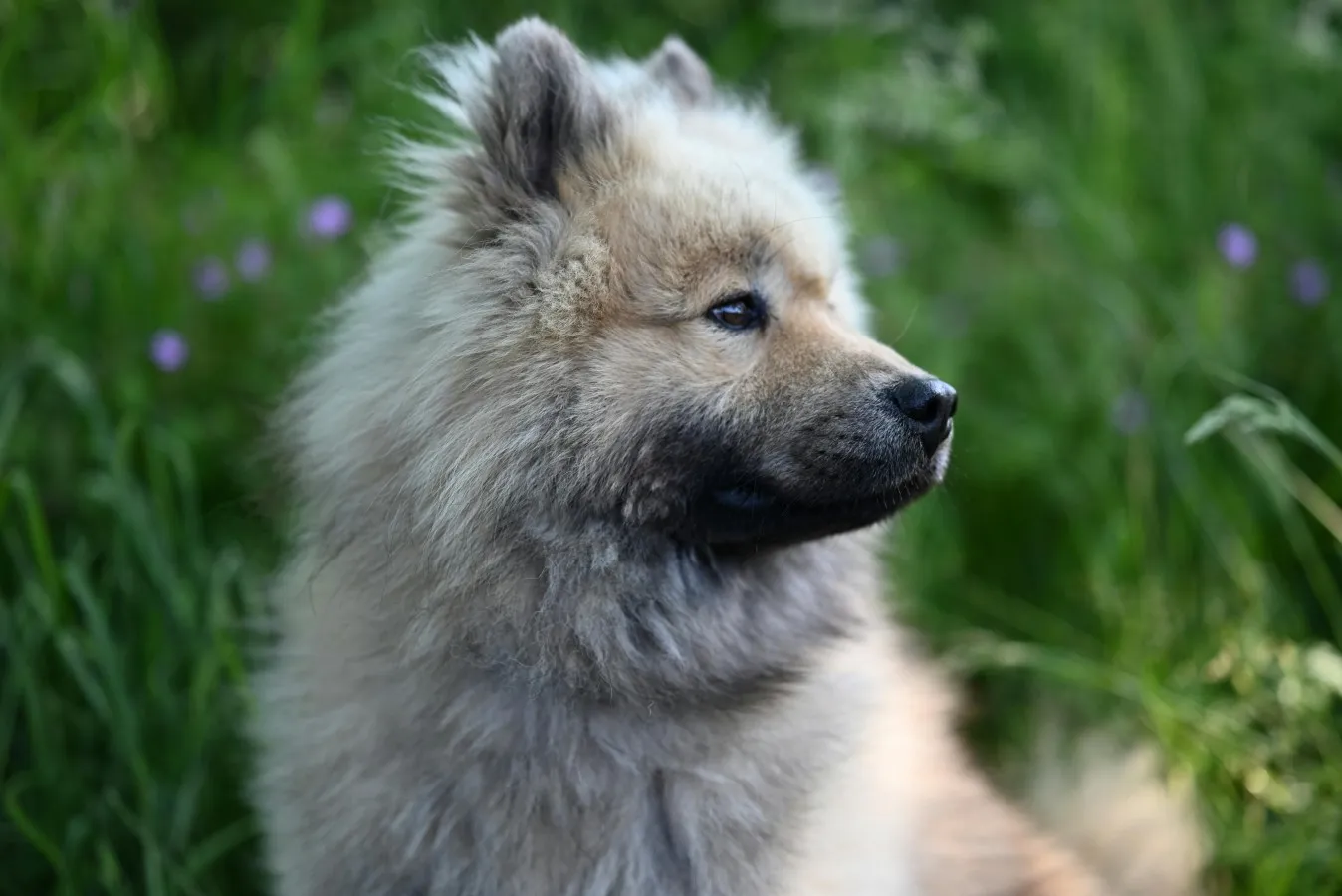
Keeping Your Keeshond Healthy for the Long Run
In a large 2024 UK study, Keeshonden lived about 12 years on average, and some live well into their teens. Keep your dog lean, ask your veterinarian to include calcium in senior bloodwork, and have increased thirst or any seizure examined promptly. Pet insurance is worth pricing while your dog is young and healthy, before any bloodwork abnormalities are on the record.
Final Thoughts From a Veterinarian
Keeshonden are friendly dogs with one signature risk: primary hyperparathyroidism. Ask for the DNA test, have calcium checked regularly, keep your dog lean, and never shave the coat. Your veterinarian can tailor a plan to your dog.
Health & Costs FAQ
How much do Keeshond cost?
The cost of a Keeshond typically ranges from $1,000 to $3,000 when purchased from a reputable breeder, with averages often between $2,000 and $2,500. Adoption is a more affordable alternative at $100 to $500. Owners should also budget for grooming, which can cost $80 to $140 per session.
Purchase cost: 6 / 10
How long do Keeshond live?
Keeshonden lived about 12 years on average in a large 2024 UK longevity study, and some live well into their teens. A lean weight, regular calcium checks, and routine veterinary care help them stay healthy into their senior years.
Life expectancy: 6 / 10
Are Keeshond healthy dogs?
Keeshonden are friendly, sturdy dogs, but they carry one notable inherited risk: primary hyperparathyroidism, which a DNA test can detect. Hip, elbow, and kneecap problems and eye disease are also screened for, so choose a breeder who shares test results.
Health: 4 / 10
What health problems do Keeshond have?
Keeshonden are most notably prone to primary hyperparathyroidism (PHPT), a hormonal condition that raises blood calcium. Hip dysplasia, patellar luxation, and eye problems are screened for, and epilepsy and diabetes are also reported. A DNA test for PHPT and joint and eye evaluations help guide breeding.
Health problem risk: 4 / 10
Are Keeshond expensive to maintain?
Keeshonden have moderate upkeep costs. The thick double coat sheds year-round and heavily in season, so plan on brushing several times a week, but baths are only occasional. Routine veterinary care plus regular calcium monitoring make up most of the ongoing expense.
Maintenance cost: 4 / 10
How much does it cost to own a Keeshond per month?
Owning a Keeshond typically costs between $100 and $180 per month. This budget covers high-quality food, routine veterinary check-ups, and preventative medications. Due to their thick double coats, you should also factor in costs for professional grooming tools or monthly salon visits.
Monthly ownership cost: 4 / 10
How much does pet insurance cost for a Keeshond?
Pet insurance for a Keeshond typically costs between $40 and $60 per month, depending on age, location, and coverage. Enrolling while your dog is young and healthy matters in this breed, since a later calcium abnormality could be treated as pre-existing.
Pet insurance cost: 3 / 10
Will homeowners insurance cover a Keeshond?
Yes, most homeowners insurance policies will cover a Keeshond. They are generally not classified as an aggressive or restricted breed. However, it is always wise to confirm specific liability coverage and disclose your pet to your insurance provider to ensure full protection.
Homeowners insurance difficulty: 9 / 10
Are Keeshond on insurance restricted breed lists?
No, Keeshonden are not typically found on insurance restricted-breed lists. They are generally viewed as low-risk family dogs, though policies differ, so always disclose your dog to your provider and confirm the terms.
Insurance restriction risk: 2 / 10
Can you get renters insurance with a Keeshond?
Yes, you can typically obtain renters insurance with a Keeshond, as they are rarely found on restricted breed lists. Most policies provide essential liability protection for this friendly breed. However, always confirm with your insurance provider and review your lease agreement to ensure your specific situation is fully covered.
Renters insurance difficulty: 8 / 10