Skip to content

Majorca Shepherd Dog - MAIN HUB

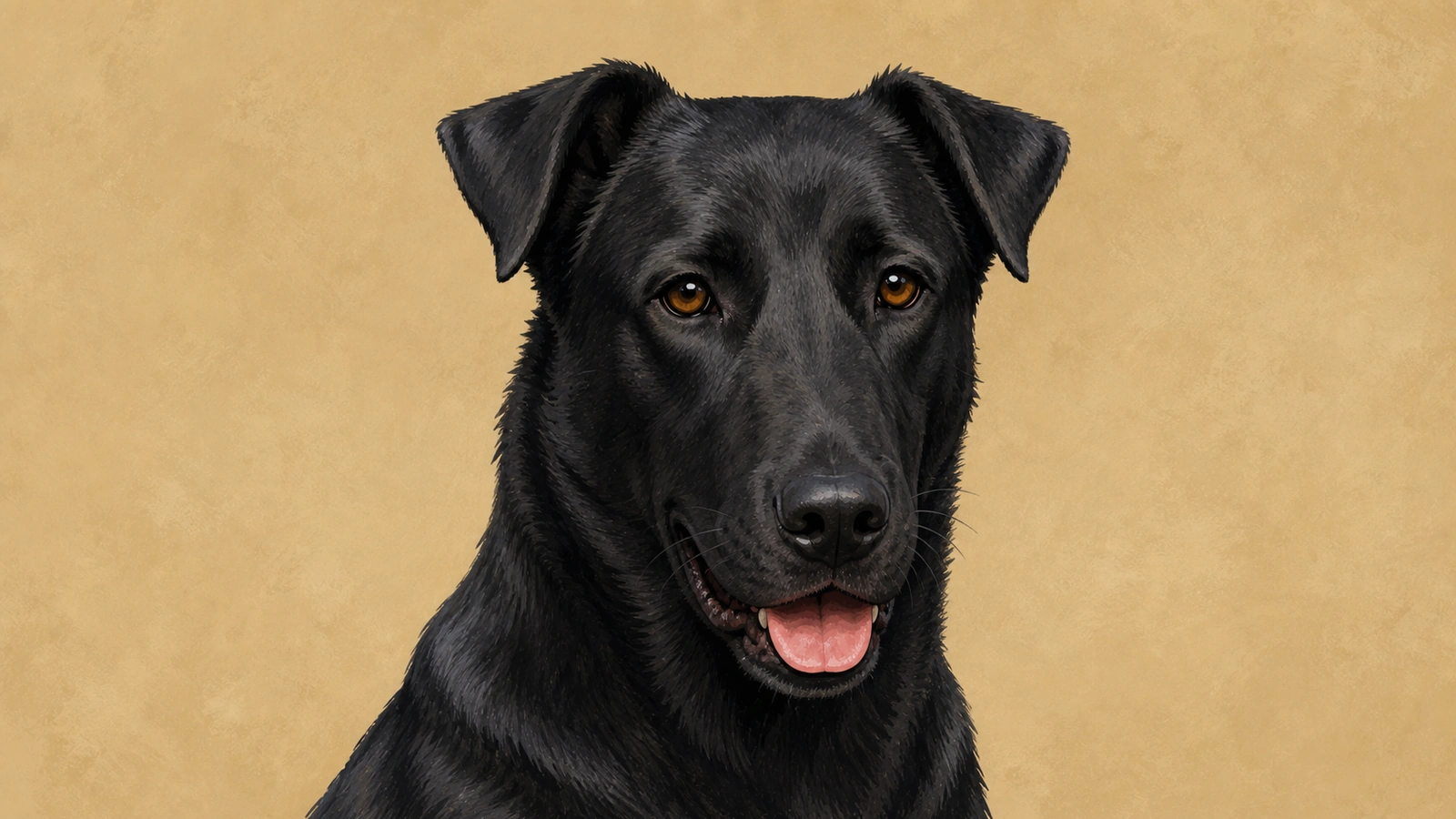
A powerful and loyal Spanish guardian, the Majorca Shepherd Dog is a devoted, intelligent companion for active owners who value a protective friend.

BREED GROUP

Herding Dogs

Country of origin

Spain

BREED SIZE

Large

BREED HEIGHT

22 -

28 IN

56 -

71 cm

BREED WEIGHT

77 -

88 LB

35 -

40 KG

WHAT YOU NEED TO KNOW

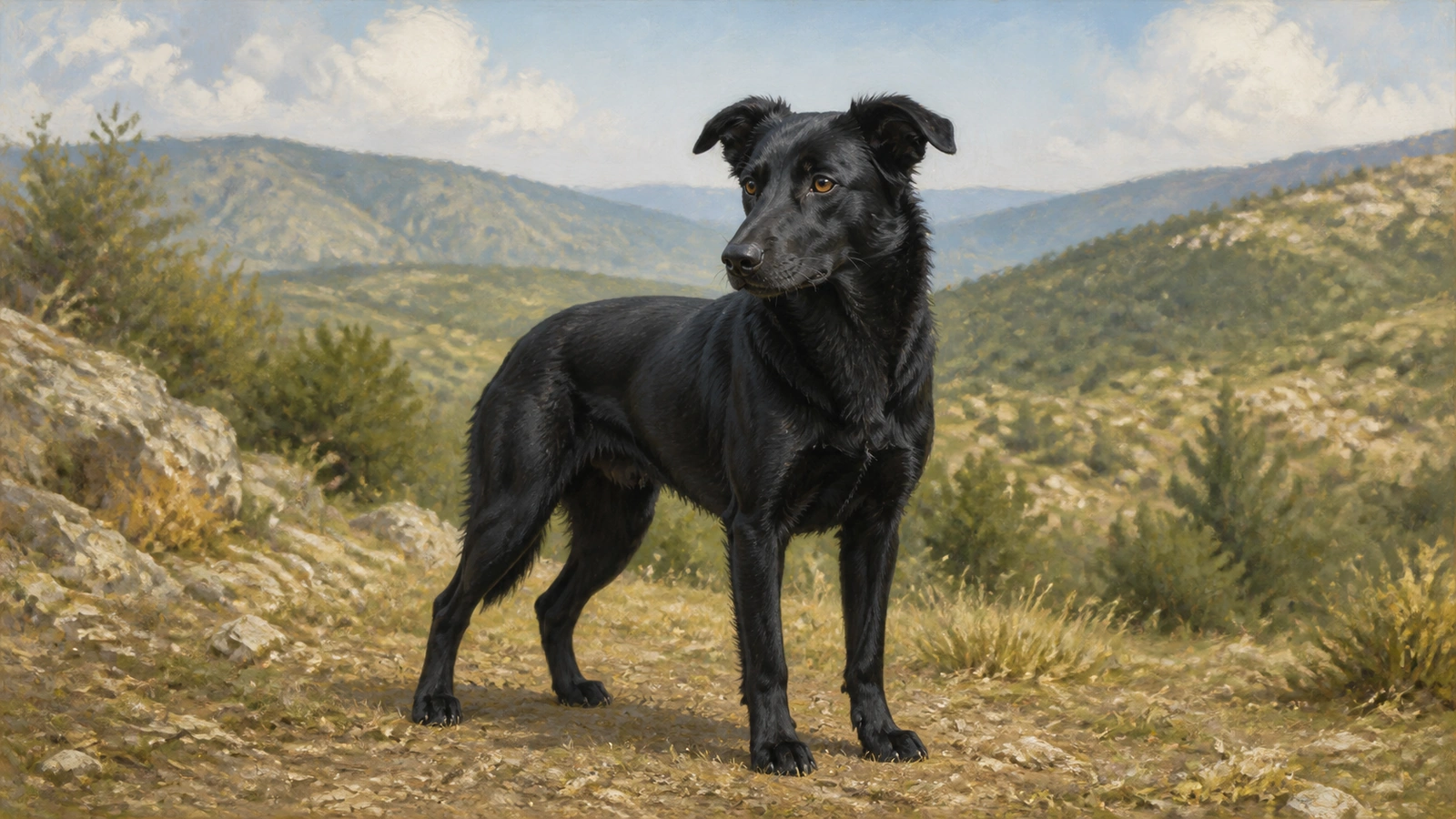
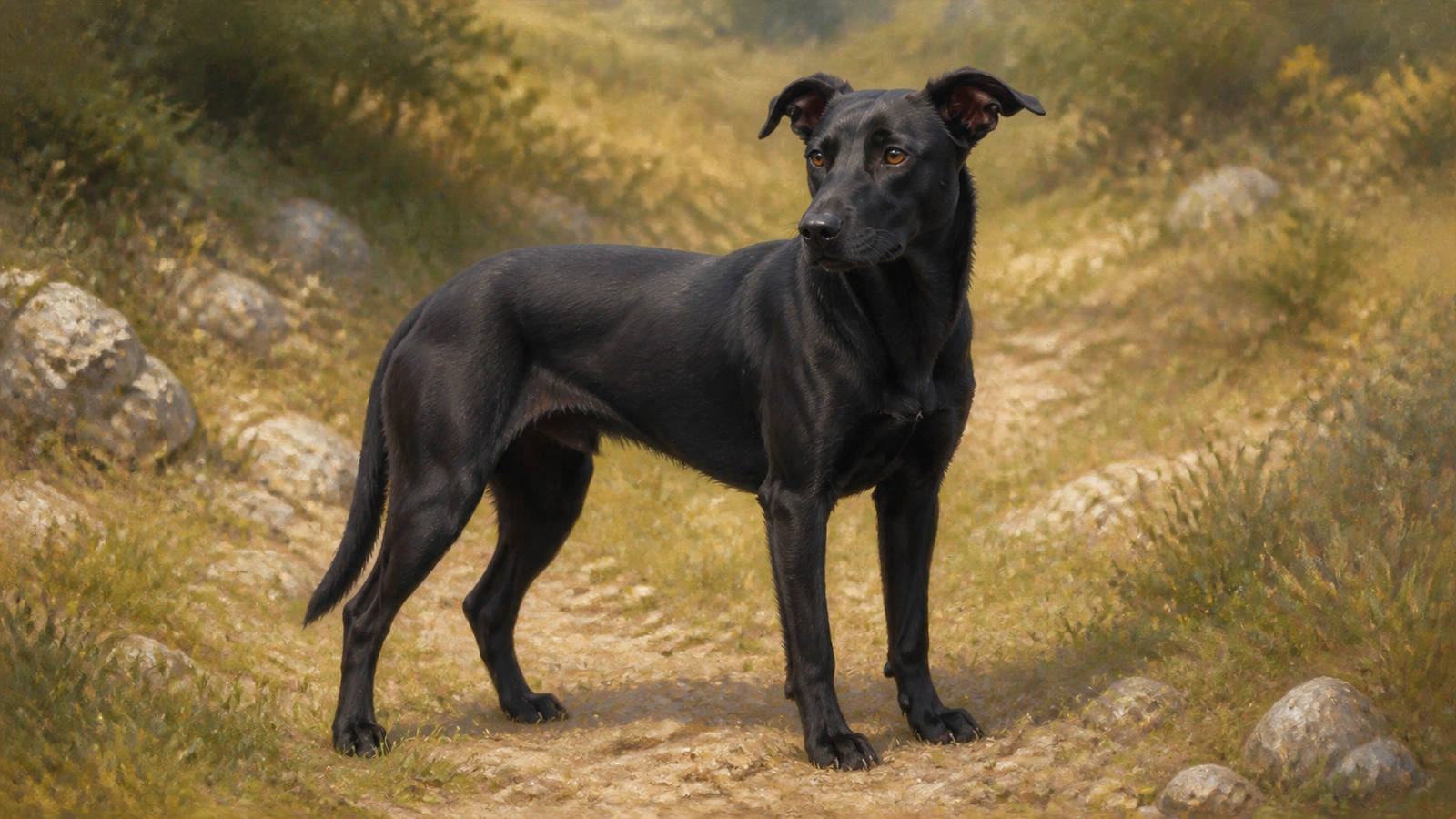
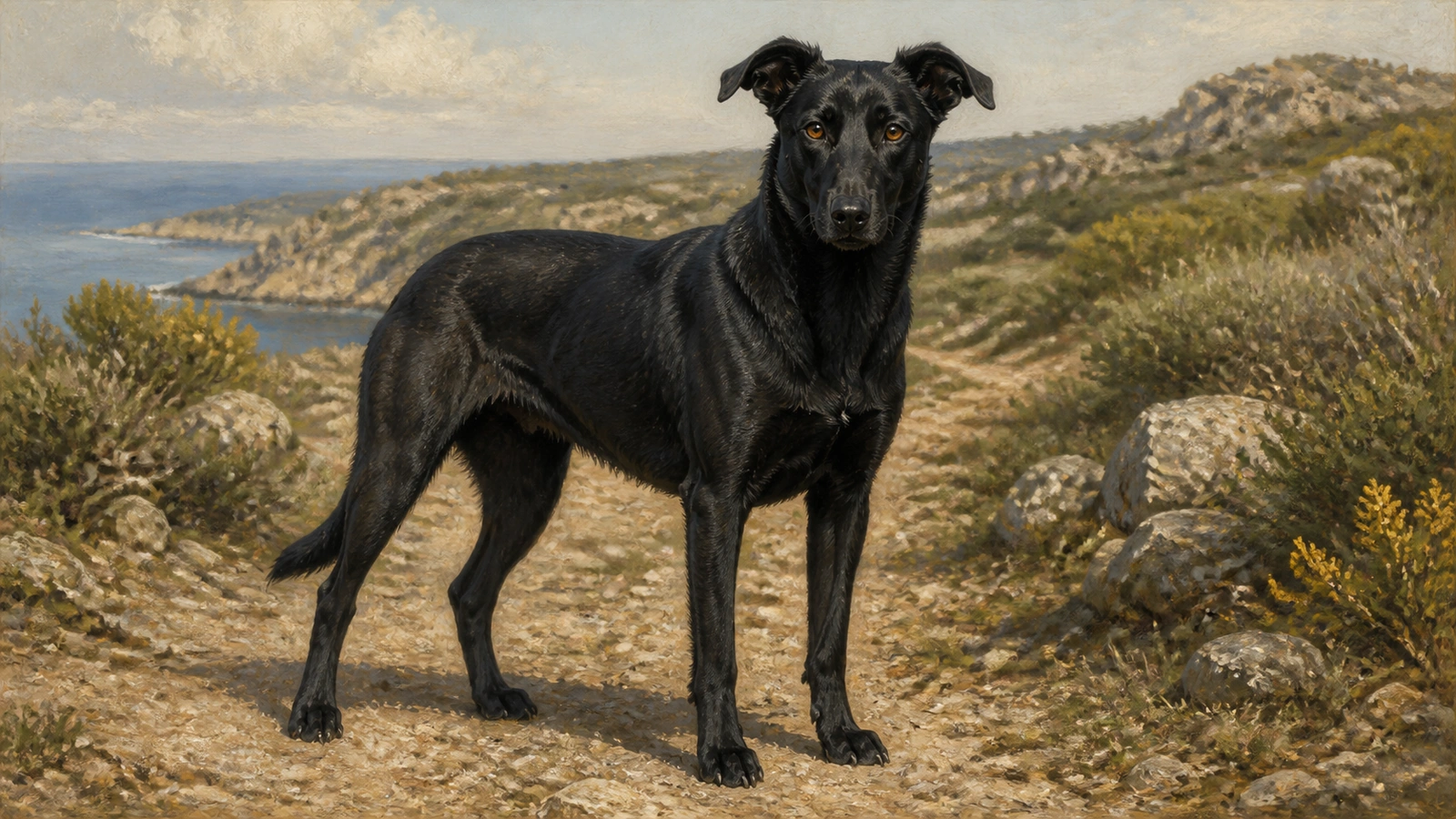
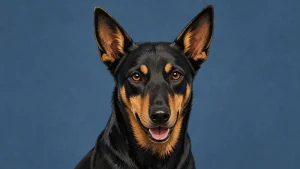
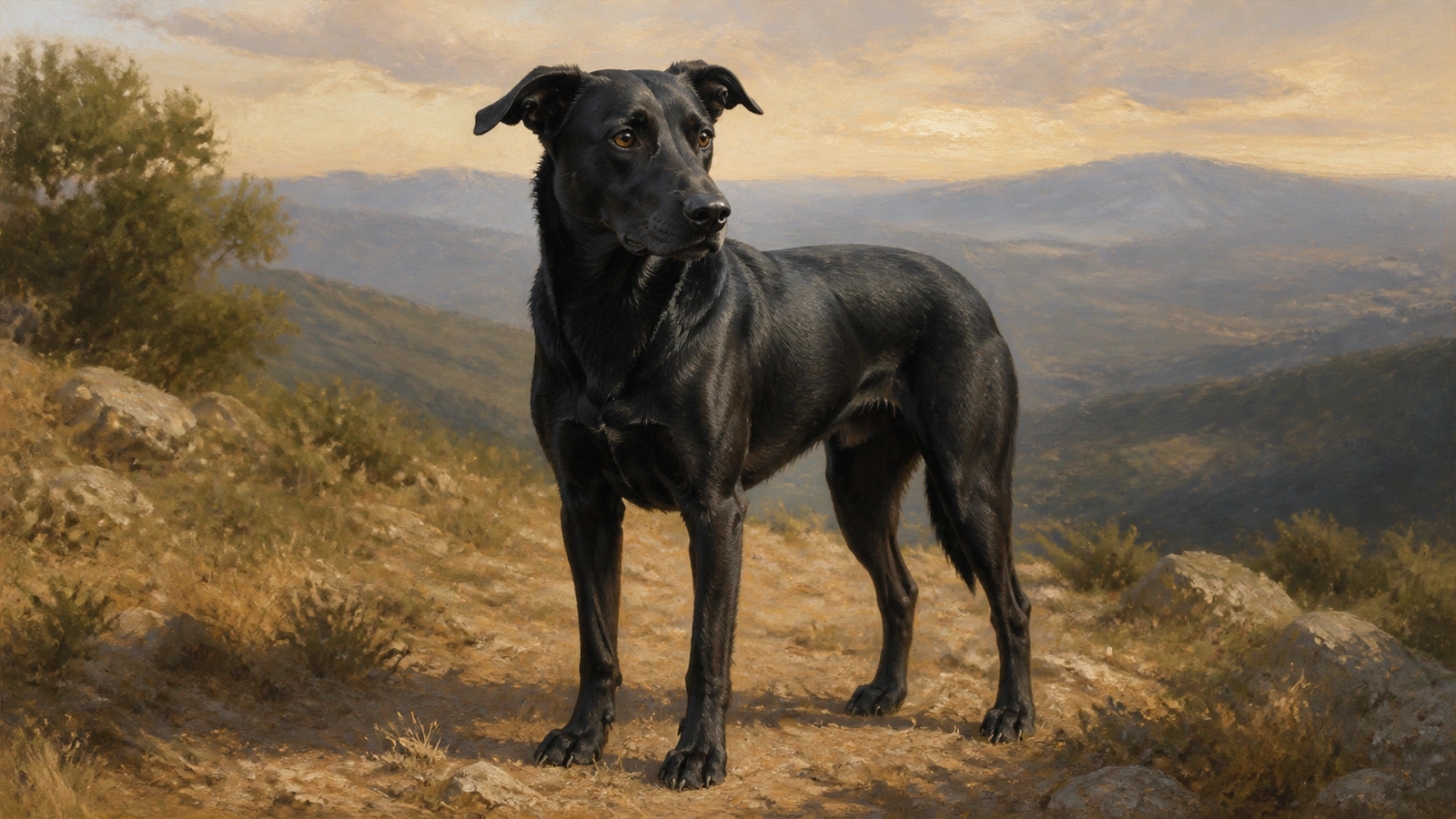
The Majorca Shepherd Dog, or Ca de Bestiar, is a powerful and loyal Spanish breed originally developed for herding and guarding on the Balearic Islands. Characterized by a robust, athletic build and a striking all-black coat, these intelligent dogs are deeply devoted to a single owner. They possess strong protective instincts and can be reserved or suspicious of strangers, requiring experienced handling and early socialization. Due to their high energy levels and independent nature, they thrive best in active environments with regular tasks, making them rewarding companions for dedicated owners.
american kennel club (AKC) recognition

No

Breed was recognized in 0.

International Canine Federation (FCI) recognition

Yes

Breed was recognized in 1982.
WHAT DO OWNERS WANT TO KNOW?

Are Majorca Shepherd Dogs good family dogs?

Poor

2 out of 10

The Majorca Shepherd Dog can be a loyal and devoted companion for active families, but they are often best suited for experienced owners due to their independent nature and strong protective instincts. While they are deeply dedicated to their people, their high energy levels and requirement for early socialization mean they thrive best in households that can provide consistent training and regular tasks.

Not Recommended

2 out of 10

Majorca Shepherd Dogs are not recommended for homes with children due to their dominant personality, high energy, and intense protective instincts. Originally bred as independent guardians, their headstrong nature and large, powerful build can make them unpredictable during play. While they are loyal to their primary owner, they require an environment with experienced handlers and are generally better suited for adult-only households where their working needs can be consistently met.

Poor

2 out of 10

Majorca Shepherd Dogs are generally not recommended for first-time owners due to their independent nature, dominant personality, and strong protective instincts. They thrive best with experienced handlers who can provide firm, consistent leadership and regular working tasks to manage their high energy. Without expert guidance and early socialization, their headstrong and territorial traits can be challenging for those new to dog ownership.

Great

8 out of 10

Majorca Shepherd Dogs can adapt to apartment living if their significant physical and mental exercise needs are met. While they are large and possess high energy, they can be calm indoors provided they receive structured energy releases and purposeful engagement through activities like long walks and training. Success in a smaller space depends heavily on the owner's commitment to providing the rigorous daily activity these working dogs require to thrive.

Rarely Needed

9 out of 10

A yard is not strictly required for a Majorca Shepherd Dog, as they can adapt to apartment living if their significant physical and mental exercise needs are met. However, a yard is highly beneficial for providing these high-energy working dogs with a safe space for the structured tasks and rigorous daily activity they require to prevent boredom and destructive behaviors. Daily walks and purposeful engagement remain essential regardless of yard access.

Above Average

6 out of 10

Majorca Shepherd Dogs are independent and autonomous working dogs that can tolerate solitude better than many other breeds. While they are deeply loyal to their primary owners, their history as self-reliant farm guardians allows them to handle being alone for moderate periods. However, to prevent boredom and potential destructive behavior, they must be provided with significant physical exercise and mental stimulation before and after periods of isolation.

Below Average

3 out of 10

Majorca Shepherd Dogs generally coexist well with cats because they possess a remarkably low hunting instinct for a working breed. While their protective nature remains, they typically view household cats as members of the family rather than prey. Early socialization is still recommended to foster a peaceful environment and manage their dominant tendencies.

Moderate

6 out of 10

Majorca Shepherd Dogs are not inherently aggressive but possess strong protective instincts and a natural suspicion of strangers. Originally developed for herding and guarding, they are deeply loyal to their owners and will act decisively to protect their territory if they perceive a threat. Early socialization and consistent, experienced handling are essential to ensure their guarding tendencies remain controlled and do not escalate into unnecessary reactivity.

Moderate

5 out of 10

Majorca Shepherd Dogs are high-energy working dogs that require substantial daily exercise, typically needing at least 60 to 120 minutes of activity. They thrive on structured tasks such as long walks, hiking, and mental challenges like obedience training or agility. Without adequate physical outlets and a regular job to do, they can become bored and develop destructive behaviors.

~120+ min a day

2 out of 10

Majorca Shepherd Dogs are high-energy working dogs that require substantial daily exercise, typically needing at least 60 to 120 minutes of activity. They thrive on structured tasks such as long walks, hiking, and mental challenges like obedience training or agility. Without adequate physical outlets and a regular job to do, they can become bored and develop destructive behaviors.

Exceptional

3 out of 10

Majorca Shepherd Dogs are remarkably resilient and adapt well to hot climates, a trait developed over centuries on the sun-soaked Balearic Islands. Despite their black coats, they can tolerate high temperatures and even periods without water, though owners should still provide constant shade and fresh water during peak heat. Limit strenuous activity during the hottest parts of the day to ensure their continued comfort and safety.

Exceptional

3 out of 10

Majorca Shepherd Dogs are remarkably resilient and adapt well to hot climates, a trait developed over centuries on the sun-soaked Balearic Islands. Despite their black coats, they can tolerate high temperatures and even periods without water, though owners should still provide constant shade and fresh water during peak heat. Limit strenuous activity during the hottest parts of the day to ensure their continued comfort and safety.

Rarely Banned

8 out of 10

Majorca Shepherd Dogs are typically not included on standard apartment breed restriction lists, which often target breeds like Pit Bulls or German Shepherds. Because they are a rare breed outside of Spain and are often medium-to-large in size, they are more likely to face general weight limits rather than specific breed bans. However, due to their protective nature and working background, prospective owners should provide training certifications and vet records to ensure approval from landlords or insurance providers.

WHAT DO OWNERS WANT TO KNOW?


Photo
Reviewed by
Dr. Vojtech Gabriel
DVM · PhD · MBA
Veterinarian Researcher Dog breed specialist
Verified

"The Majorca Shepherd Dog is a robust and hardy breed, but as a veterinarian, I emphasize monitoring for conditions common to large working dogs. They are predisposed to hip and elbow dysplasia, as well as patellar luxation, so maintaining a lean weight and providing joint supplements is essential to manage musculoskeletal health. Like many deep-chested breeds, they are at significant risk for gastric dilatation-volvulus (bloat), a life-threatening emergency; I recommend feeding multiple smaller meals and avoiding vigorous activity immediately after eating. Additionally, their pendulous ears require weekly cleaning to prevent infections, especially if they enjoy swimming. Early socialization and firm, consistent training are vital to manage their naturally territorial and protective instincts."
Other Herding Dogs