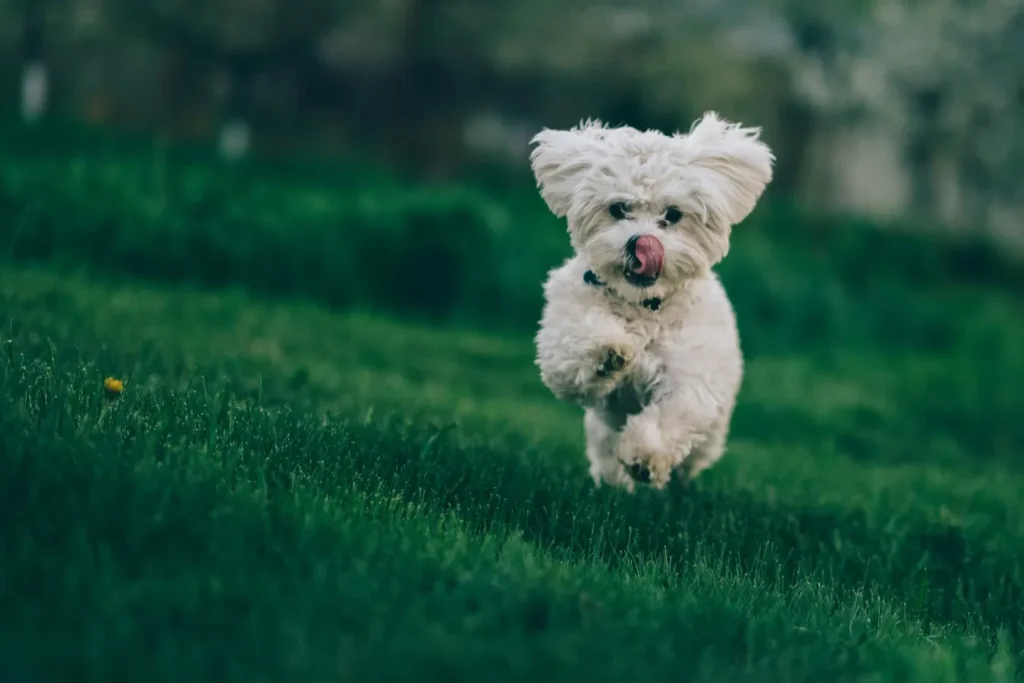
Bichon Frise Personality Profile
Breed Group
Companion Dogs
Country of Origin
France / Belgium
Breed Size
Small
AKC Recognition
Yes, recognized in 1972
FCI Recognition
Yes, recognized in 1959
Friendliness
Very Friendly10 / 10
Attachment
Velcro Dog10 / 10
Playfulness
Very Playful10 / 10
Smart
Smart7 / 10
Cuddle
Very Cuddly10 / 10
Separation anxiety
Highly Anxious10 / 10
Personality FAQ
Are Bichon Frise smart?
Bichon Frises are intelligent and eager to please, making them highly trainable. They excel at learning tricks and obedience commands. Positive reinforcement works best, as they are sensitive dogs that respond poorly to harsh corrections.
Smart: 7 / 10
Do Bichon Frise like to cuddle?
Bichon Frises are incredibly affectionate and thrive on human companionship. They love to cuddle and be the center of attention, often following their owners from room to room. They are true lap dogs at heart.
Cuddle: 10 / 10
Do Bichon Frise get separation anxiety?
Because they bond so closely with their families, Bichon Frises are highly prone to separation anxiety. They do not tolerate being left alone for long periods and can become destructive or vocal if isolated.
Separation anxiety: 10 / 10
Do Bichon Frise bark a lot?
Bichon Frises are known for being fairly vocal little dogs. They tend to bark to alert owners to visitors or unusual noises, and separation anxiety can make the barking worse when they're left alone. Consistent training and enough companionship help keep the noise manageable.
Barking: 7 / 10
Are Bichon Frise protective or territorial?
While they will alert you to visitors, Bichon Frises are generally too friendly to be effective guard dogs. They are not highly territorial and typically welcome guests warmly once properly introduced.
Protective tendency: 3 / 10
Vet Insights
Bichon Frises are intelligent, cheerful, and incredibly affectionate companions. Known as "Velcro dogs," they thrive on human presence and love being lap dogs. While their playful nature makes them great family pets, they are prone to separation anxiety and can be quite vocal. They are generally friendly and welcoming toward strangers, though they lack strong protective instincts.