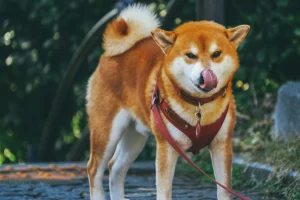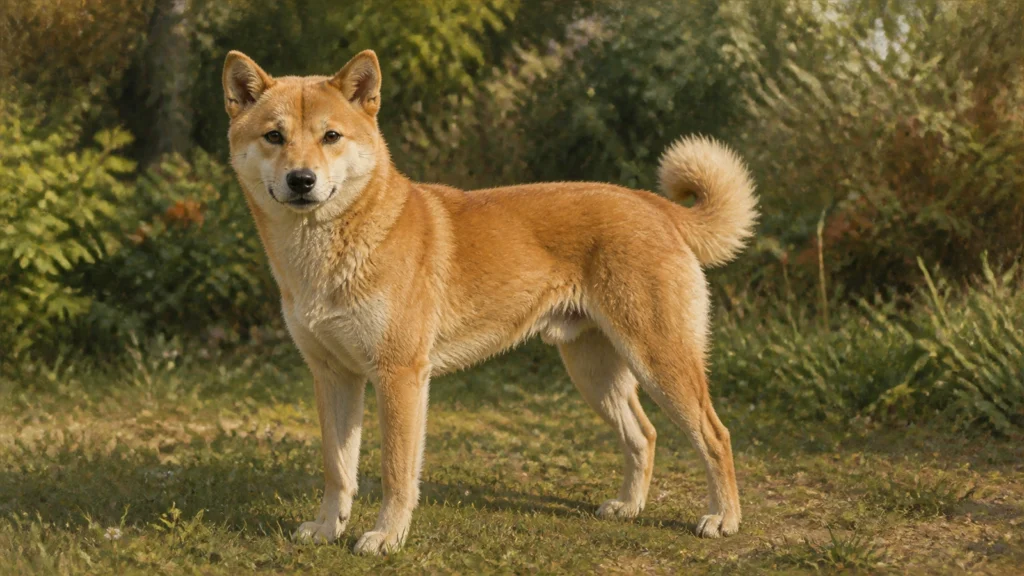
Jindo Grooming Profile
Breed Group
Spitz Dogs
Country of Origin
South Korea
Breed Size
Medium
AKC Recognition
No
FCI Recognition
Yes, recognized in 1995
Allergy-friendly
Worst Choice2 / 10
Shedding
Very High2 / 10
Grooming need
Professional groomingLow-maintenance
Very Hard1 / 10
Size
Medium8 / 10
Growth timeline
15-18 months4 / 10
Grooming FAQ
Are Jindo hypoallergenic or allergy-friendly?
Jindo are considered to have moderate allergy-friendly tendencies. They possess a double coat coat that has high shedding. Their grooming needs are easy.
Allergy-friendly: 2 / 10
Do Jindo shed?
Jindos are seasonal shedders that experience heavy blowouts twice a year, typically in spring and fall. While they shed moderately year-round, these seasonal periods require daily brushing to manage the intense undercoat loss. Their dense double coat is relatively clean but not hypoallergenic, necessitating regular maintenance for owners.
Shedding: 2 / 10
How often should you groom a Jindo?
To maintain an Old English Sheepdog’s iconic double coat, brush thoroughly three to four times weekly to prevent painful mats. They require professional grooming every six to eight weeks for haircuts and bathing. Daily attention to facial hair, eye cleaning, and regular ear care are also essential. Change "Old English Sheepdog" to Jindo; Jindos are fastidious and require weekly brushing, not professional grooming 3-4 times weekly.
Are Jindo low-maintenance dogs?
Old English Sheepdogs are high-maintenance dogs due to their extensive grooming needs. Their thick double coats require daily brushing to prevent painful matting and regular professional grooming. Additionally, they are energetic working dogs that demand significant daily exercise and mental stimulation to stay healthy and happy. Change "Old English Sheepdog" to Jindo; Jindos are generally medium-maintenance due to their exercise needs and seasonal shedding, but they are naturally clean and easy to housebreak.
Low-maintenance: 1 / 10
How big do Jindo get?
Old English Sheepdogs are a large, slow-maturing breed that typically stands 21 to 24 inches tall. Males weigh between 70 and 100 pounds, while females range from 60 to 85 pounds. Their sturdy, muscular frame is covered in a thick, shaggy double coat that adds significant volume. Change "Old English Sheepdog" to Jindo; Jindos typically weigh 30-60 pounds and stand 18-22 inches tall.
Size: 8 / 10
When do Jindo stop growing?
Old English Sheepdogs are a slow-maturing, large breed. They typically reach their full adult height between 12 and 18 months of age. However, they continue to fill out, gain muscle mass, and broaden significantly until they are fully mature, which usually happens between 2 and 3 years old. Change "Old English Sheepdog" to Jindo; Jindos are medium-sized and typically reach full height by 12-18 months.
Growth timeline: 4 / 10
How much should a Jindo eat?
Old English Sheepdogs are a slow-maturing, large breed. They typically reach their full adult height between 12 and 18 months of age. However, they continue to fill out, gain muscle mass, and broaden significantly until they are fully mature, which usually happens between 2 and 3 years old. Change "Old English Sheepdog" to Jindo; Jindos are often light or picky eaters and do not require the high-calorie intake of a large, slow-maturing breed like the OES.
Feeding amount: 4 / 10
How often should a Jindo puppy eat?
Jindo puppies should be fed 4 meals/day to support their rapid growth and high energy levels. Consult your veterinarian for a specific feeding schedule.
Puppy feeding frequency: 7 / 10
Vet Insights
Jindos are medium-sized, loyal guard dogs reaching full maturity by age three. They are heavy seasonal shedders with thick double coats, making them a poor choice for allergy sufferers. While fastidious and easy to housebreak, they require significant exercise and firm ownership.