Welsh Springer Spaniel Grooming Profile
Breed Group
Sporting Dogs
Country of Origin
United Kingdom
Breed Size
Medium
AKC Recognition
Yes, recognized in 1914
FCI Recognition
Yes, recognized in 1954
Allergy-friendly
Fair5 / 10
Shedding
Moderate5 / 10
Grooming need
30-60 mins/week6 / 10
Low-maintenance
Moderate6 / 10
Size
Medium6 / 10
Growth timeline
18-24 months5 / 10
Grooming FAQ
Are Welsh Springer Spaniel hypoallergenic or allergy-friendly?
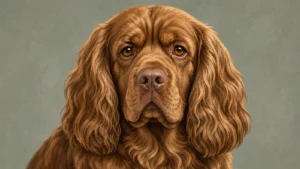
Welsh Springer Spaniels are not hypoallergenic. They possess a silky double coat that sheds moderately year-round, releasing dander that can trigger allergies. Regular grooming can help reduce loose hair, but they are not recommended for individuals with severe pet allergies.
Allergy-friendly: 5 / 10
Do Welsh Springer Spaniel shed?
Welsh Springer Spaniels are moderate year-round shedders with a silky, dense double coat. While they do not lose fur in large clumps, you should expect consistent loose hair. Regular brushing at least twice a week is essential to manage shedding.
Shedding: 5 / 10
How often should you groom a Welsh Springer Spaniel?
To keep your Welsh Springer Spaniel's coat healthy, weekly brushing is the minimum requirement, and they may need more frequent care if they spend time outdoors in heavy cover. They need occasional baths and regular trimming around the ears and feet, along with routine nail clipping. While they are relatively low-maintenance for a spaniel, weekly brushing is the minimum requirement, and they may need more frequent care if they spend time outdoors in heavy cover.
Grooming need: 6 / 10
Are Welsh Springer Spaniel low-maintenance dogs?
Welsh Springer Spaniels are moderate-maintenance dogs. While their grooming needs are manageable with regular brushing, they are highly energetic and require ample daily exercise. They thrive on human companionship and need consistent training to prevent boredom and separation anxiety.
Low-maintenance: 6 / 10
How big do Welsh Springer Spaniel get?
Welsh Springer Spaniels are medium-sized sporting dogs with a compact, sturdy build. Males typically stand 18 to 19 inches tall and weigh 40 to 50 pounds, while females are slightly smaller. Their size makes them versatile companions for active families.
Size: 6 / 10
When do Welsh Springer Spaniel stop growing?
Welsh Springer Spaniels typically reach their full adult height by 12 to 15 months of age. They will continue to fill out, gaining muscle and developing their adult coat, and reach full physical maturity closer to 2 years of age. While height peaks around 12–15 months, they often continue to fill out and reach full physical maturity closer to 2 years of age.
Growth timeline: 5 / 10
How much should a Welsh Springer Spaniel eat?
Adult Welsh Springer Spaniels typically require 1.5 to 2.5 cups of high-quality dry food daily, divided into two meals. Because they are prone to hypothyroidism, which can lead to weight gain, caloric intake should be monitored very closely alongside their high exercise needs.
Feeding amount: 5 / 10
How often should a Welsh Springer Spaniel puppy eat?
Welsh Springer Spaniel puppies require frequent, small meals to fuel their rapid development and active nature. It is generally recommended to feed them three meals daily until six months of age. After this, transition to two meals daily to help regulate digestion and maintain consistent energy levels.
Puppy feeding frequency: 6 / 10
Vet Insights
Welsh Springer Spaniels are active, loyal sporting dogs that reach full maturity by age two. They have moderate grooming needs, requiring brushing two to three times weekly to manage their year-round shedding. Energetic and affectionate, they need significant daily exercise and a controlled diet of 1.5 to 2.5 cups of food to maintain their sturdy, medium-sized build.