Welsh Springer Spaniel Health and Costs
Breed Group
Sporting Dogs
Country of Origin
United Kingdom
Breed Size
Medium
AKC Recognition
Yes, recognized in 1914
FCI Recognition
Yes, recognized in 1954
Rarity
Common3 / 10
Purchase cost
Moderate6 / 10
Life expectancy
Long Lifespan8 / 10
Health
Fairly healthy6 / 10
Health problem risk
Average health burden5 / 10
Maintenance cost
Moderate upkeep cost4 / 10
A Veterinarian's Guide
Welsh Springer Spaniel Health Problems and Costs
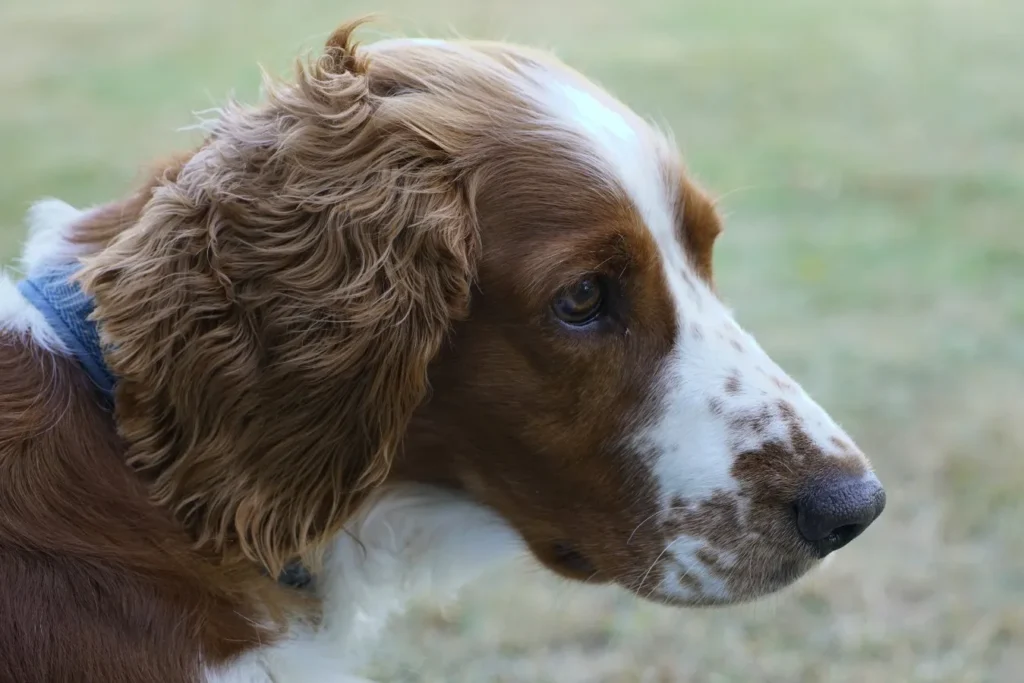
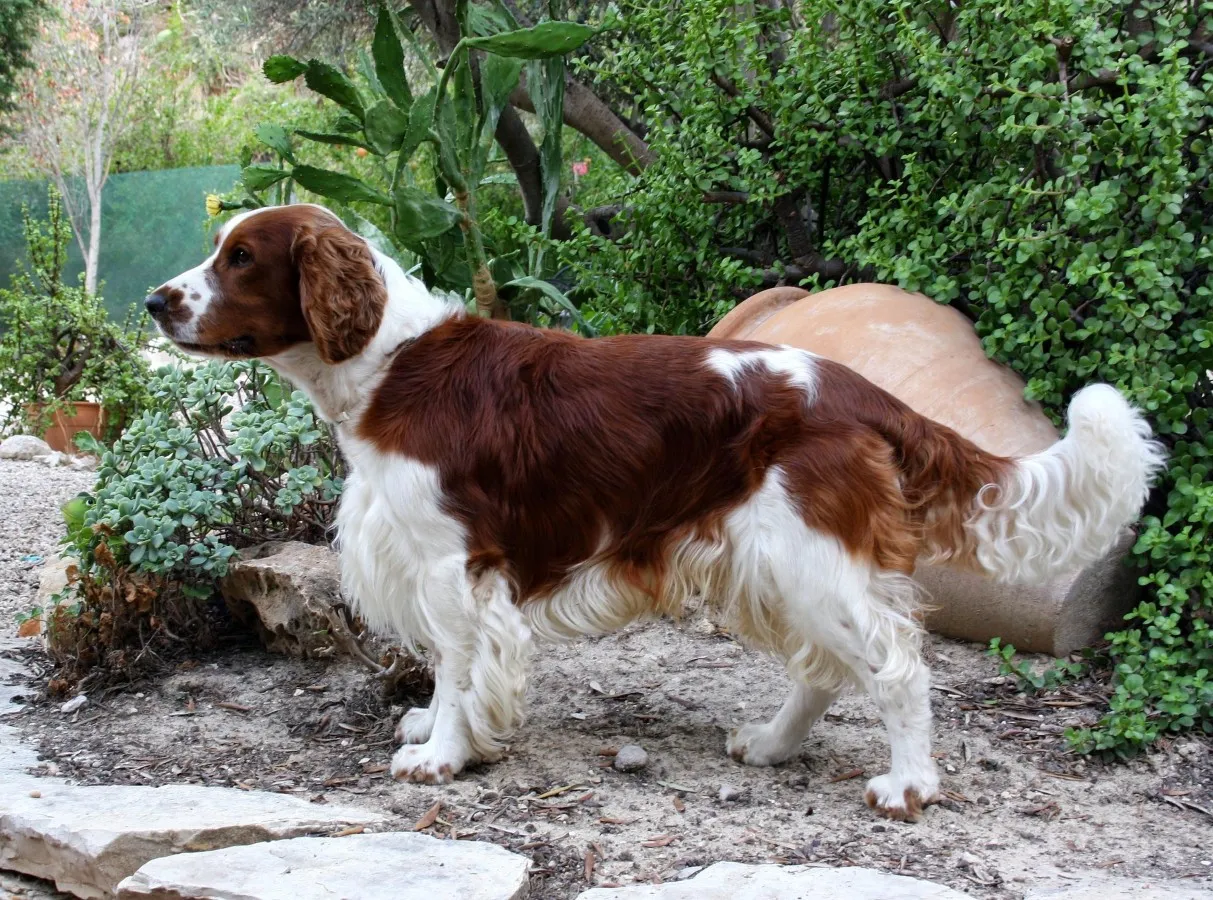
The Welsh Springer Spaniel is a medium-sized, red-and-white bird dog from Wales with a cheerful, people-loving temperament. It is generally healthy and often lives into the teens, but a few issues repeat in the breed: hips and elbows, a painful type of glaucoma, entropion, epilepsy, thyroid disease, and ear infections. Knowing them before you bring a puppy home, or while you already share your life with one, makes screening and vet visits much easier to plan.
In this guide
Why Do Hips and Elbows Need Screening in This Breed?
Hip dysplasia, an inherited malformation in which the joint surfaces do not fit together tightly, leads to a loose joint, pain, and arthritis over time. The word comes from the Greek dys-, "abnormal," and plasis, "formation." The Welsh Springer is affected more often than the average breed, and elbow dysplasia is a related problem in the front legs. Responsible breeders screen breeding dogs with hip and elbow evaluations, and the national breed club lists both among its recommended tests.
For a pet, certified hip radiographs give an objective picture of joint health before limping or stiffness appears. Keeping your dog lean for life is one of the most effective ways to slow how quickly any underlying joint problem progresses.
What Eye Conditions Should Owners Watch For?
A suddenly red, cloudy, squinting, or painful eye is an emergency. Glaucoma can steal vision within about a day, so see a veterinarian immediately rather than waiting to see if it settles.
Glaucoma, a painful buildup of pressure inside the eye, is described in the breed, which is prone to a narrow-angle form. The name comes from the Greek glaukos, "bluish-gray," after the cloudy look of an affected eye. It is usually managed with medication, and sometimes surgery, and when one eye is affected the other often follows later.
Entropion means the eyelid rolls inward so the lashes rub the surface of the eye. It causes tearing, squinting, and discomfort, and surgery may be needed depending on severity. An annual eye exam with a veterinarian, and a certified eye evaluation for breeding dogs, catches both problems early.
What Should Owners Know About Epilepsy?
Epilepsy, a tendency toward repeated seizures with no other cause found, is listed among the conditions the breed is at risk for. No genetic test is currently available, and medication usually controls the seizures. A seizure typically involves sudden collapse, paddling or twitching, and a period of confusion afterward.
- 01
A long seizure
Convulsions that last more than a few minutes.
- 02
Back-to-back seizures
Another seizure before the dog has fully recovered.
- 03
Slow or poor recovery
Staying collapsed, unresponsive, or very confused afterward.
- 04
A first-ever seizure
Call your veterinarian the same day, even if the dog looks normal again.
A phone video of an episode is one of the most useful things you can bring to the appointment, since seizures usually stop before a dog reaches the clinic. A log of dates and durations helps your veterinarian decide whether and when to start medication, which is typically paired with periodic blood monitoring.
Why Do the Ears Need So Much Attention?
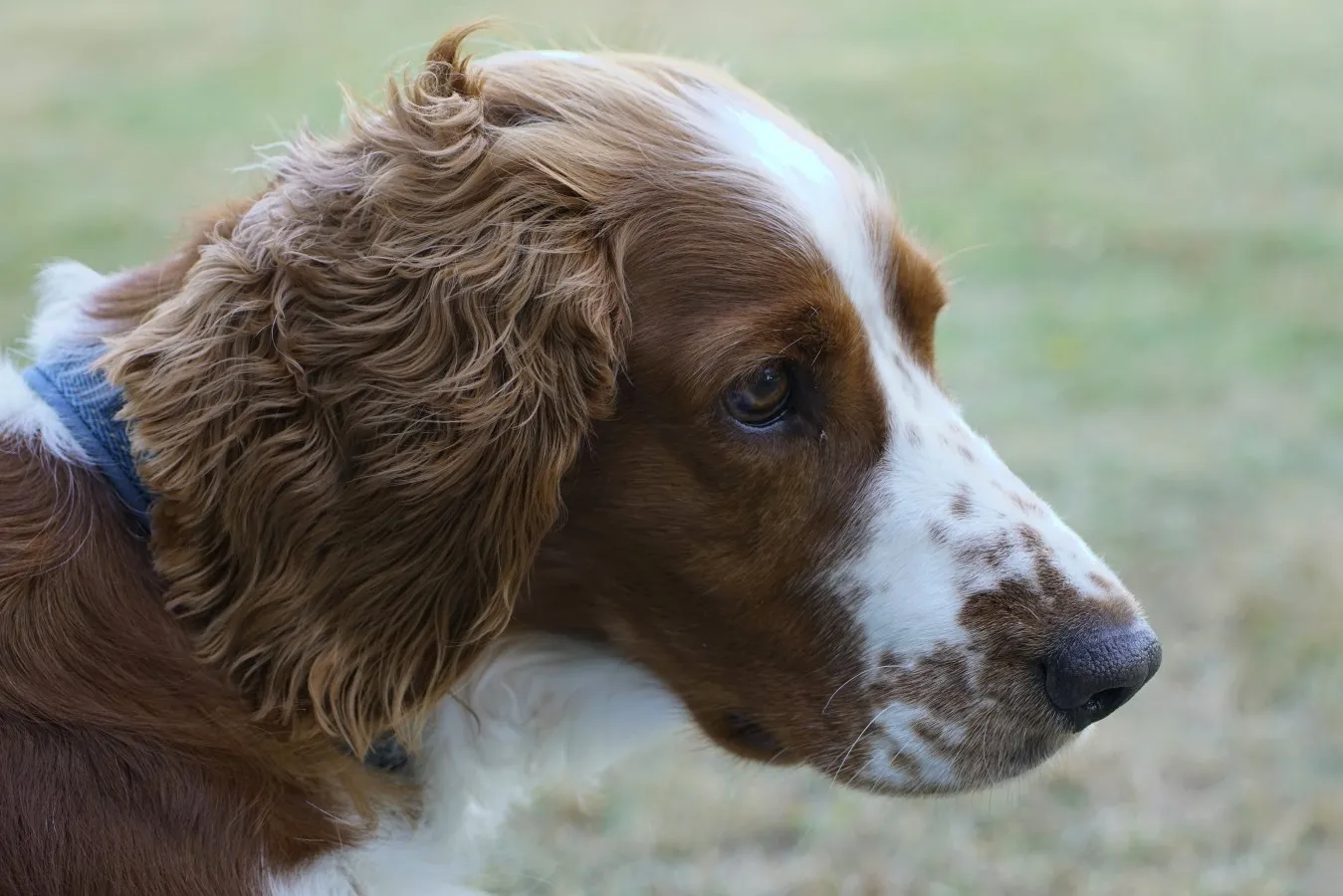
Like other dogs with long, pendulous ears, Welsh Springers are prone to ear infections. The hanging flap traps warmth and moisture, which yeast and bacteria enjoy, and a dog that loves to swim gives them plenty to work with. Drying the ears after every swim and checking them weekly cuts down on how often infections take hold. A head shake, scratching, redness, or a bad smell is the cue for an exam rather than more home cleaning.
Why Do Thyroid and Weight Matter?
The national breed club recommends a thyroid evaluation for breeding dogs. Hypothyroidism, or low thyroid hormone activity, tends to show up in middle age as weight gain, low energy, and coat changes that owners often blame on getting older. A blood panel confirms it, and daily medication manages it for life.
Some Welsh Springers are also predisposed to putting on weight. Because extra pounds strain the joints, a hands-on rib check at routine visits is worth more than the number on the scale alone.
What Does Managing a Welsh Springer Spaniel's Health Actually Cost?
| Condition or Need | Typical Cost Range | Notes |
|---|---|---|
| Hip and elbow screening x-rays | $150 to $400 | One time, ideally after age two |
| Annual eye exam | $75 to $150 | More valuable from middle age on |
| Entropion correction surgery | $300 to $800 | Only if diagnosed |
| Anti-seizure medication | $30 to $80/month | Ongoing if epilepsy is diagnosed |
| Drug-level and organ bloodwork | $100 to $200/year | For dogs on seizure medication |
| Ear cleaning supplies | $10 to $25/month | Higher for dogs that swim |
Ranges vary by region and clinic. Many owners weigh whether pet insurance is worth it against ongoing costs like these, and pricing a policy while your dog is young and healthy keeps more options open.
Questions to Ask a Breeder Before Buying a Puppy
Ask to see hip, elbow, eye, and thyroid results for both parents, which match the tests the breed club recommends. It also helps to ask whether any relatives have had seizures or glaucoma, and how the breeder handles the breed's strong attachment to people when puppies go to new homes.
Daily Life With a Welsh Springer Spaniel
This is an active, affectionate sporting dog that tends to stay close to its people, so it does best in a home where someone is around much of the day. The personality profile explains the temperament, and practicing short, calm absences from puppyhood is part of training. A dog that becomes destructive or vocal only when left alone may be struggling with separation anxiety, and your veterinarian can discuss training and, when appropriate, other support.
The coat needs regular grooming, with brushing at least weekly, and ear checks fit naturally into that routine. Plenty of daily exercise also helps keep weight, and therefore joints, in good shape.

Keeping Your Welsh Springer Spaniel Healthy for the Long Run
Schedule hip and elbow radiographs, thyroid testing, and annual eye exams. Dry the ears after swimming, keep your dog lean, and learn the seizure and eye emergency signs before you ever need them.
Final Thoughts From a Veterinarian
Welsh Springer Spaniels are generally healthy and often reach 12 to 15 years. Screen hips, elbows, eyes and thyroid, keep ears dry, and treat a suddenly painful eye or a long seizure as an emergency. Your veterinarian can tailor the plan to your dog.
Health & Costs FAQ
How much do Welsh Springer Spaniel cost?
The cost of a Welsh Springer Spaniel from a reputable breeder typically ranges from $1,200 to $2,500. Prospective owners should also budget approximately $500 to $1,500 for initial supplies and vaccinations, plus ongoing expenses for high-quality food and preventative healthcare to manage breed-specific hereditary risks.
Purchase cost: 6 / 10
How long do Welsh Springer Spaniel live?
Welsh Springer Spaniels typically enjoy a long lifespan of 12 to 15 years. This hardy breed remains active well into its senior years with proper care. To maximize their longevity, owners should prioritize a balanced diet, regular exercise, and consistent veterinary checkups to monitor for hereditary conditions.
Life expectancy: 8 / 10
Are Welsh Springer Spaniel healthy dogs?
Welsh Springer Spaniels are generally healthy and often live 12 to 15 years, but they are not problem-free. Hip and elbow dysplasia, glaucoma, entropion, epilepsy, and ear infections all occur in the breed. Breeders screen hips, elbows, eyes, and thyroid, and regular veterinary checkups and a lean weight help catch trouble early.
Health: 6 / 10
What health problems do Welsh Springer Spaniel have?
Welsh Springer Spaniels can develop hip and elbow dysplasia, glaucoma, entropion, and epilepsy, and their long ears are prone to infections. Thyroid disease and weight gain are also worth watching. A suddenly red, painful eye or a long seizure is an emergency, and screening of hips, elbows, eyes, and thyroid catches many issues early.
Health problem risk: 5 / 10
Are Welsh Springer Spaniel expensive to maintain?
Welsh Springer Spaniels have moderate upkeep costs. Grooming is manageable at home with weekly brushing, so costs come mainly from quality food, routine veterinary care, and ear care. Setting money aside for hip, elbow, eye, and thyroid screening, and for possible epilepsy or glaucoma care, is wise because those are the larger bills this breed can face.
Maintenance cost: 4 / 10
How much does it cost to own a Welsh Springer Spaniel per month?
Expect to spend between $200 and $250 per month to own a Welsh Springer Spaniel. This budget covers high-quality food, routine veterinary care, and preventative medications. Additionally, budgeting for professional grooming and potential hereditary health screenings is recommended to ensure your dog remains healthy and happy.
Monthly ownership cost: 5 / 10
How much does pet insurance cost for a Welsh Springer Spaniel?
Pet insurance for a Welsh Springer Spaniel typically costs between $35 and $70 per month. Because the breed can develop hip dysplasia, glaucoma, and epilepsy, a policy is worth pricing while your dog is young and healthy. Conditions diagnosed before coverage starts are usually excluded, so timing matters.
Pet insurance cost: 4 / 10
Will homeowners insurance cover a Welsh Springer Spaniel?
Yes, most homeowners insurance policies cover Welsh Springer Spaniels, as they are not typically on restricted breed lists. Since they are generally considered friendly and low-risk, you can likely secure standard liability protection. Always disclose your pet to your insurer to ensure your coverage remains active and accurate.
Homeowners insurance difficulty: 9 / 10
Are Welsh Springer Spaniel on insurance restricted breed lists?
No, Welsh Springer Spaniels are not typically found on insurance restricted-breed lists. As a friendly and medium-sized breed, they are generally considered low-risk by most insurers. Owners can usually secure standard homeowners or renters coverage, but it is always best to disclose your pet to your insurance provider.
Insurance restriction risk: 2 / 10
Can you get renters insurance with a Welsh Springer Spaniel?
Yes, you can typically get renters insurance with a Welsh Springer Spaniel. They are rarely included on restricted breed lists due to their friendly nature. Most policies provide liability coverage for this breed, but always disclose your pet to your insurer and confirm any specific building rules.
Renters insurance difficulty: 8 / 10