Skip to content

Russian Toy - MAIN HUB

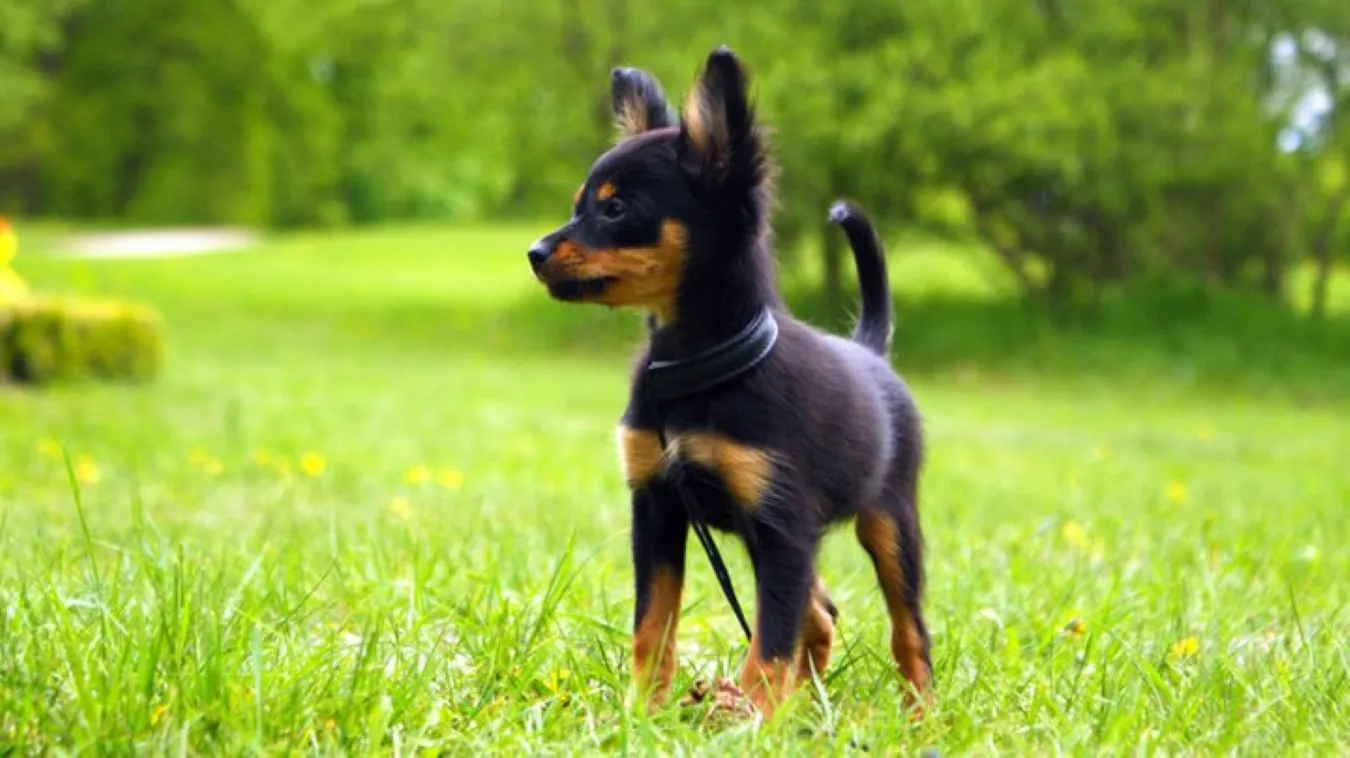
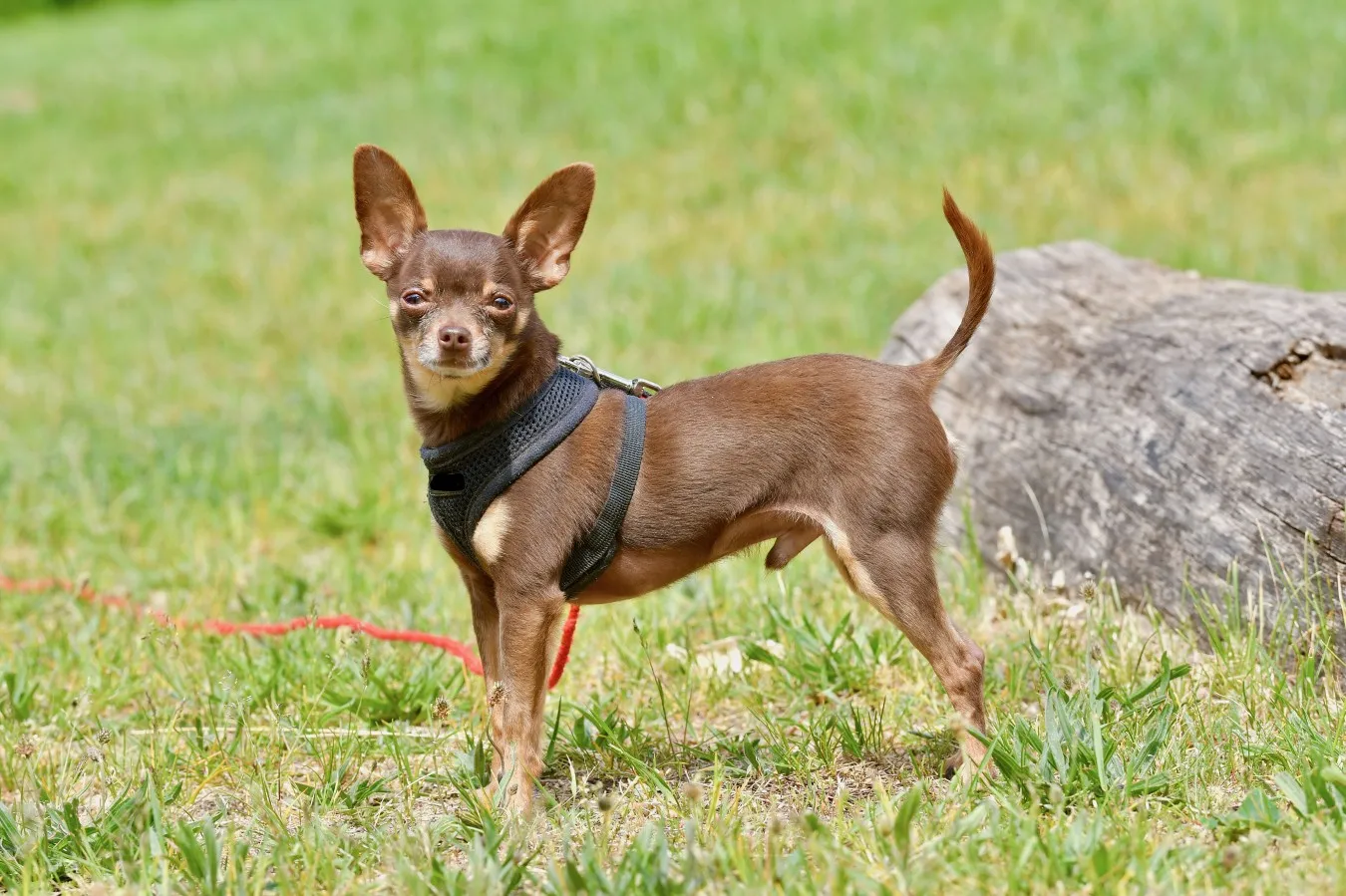
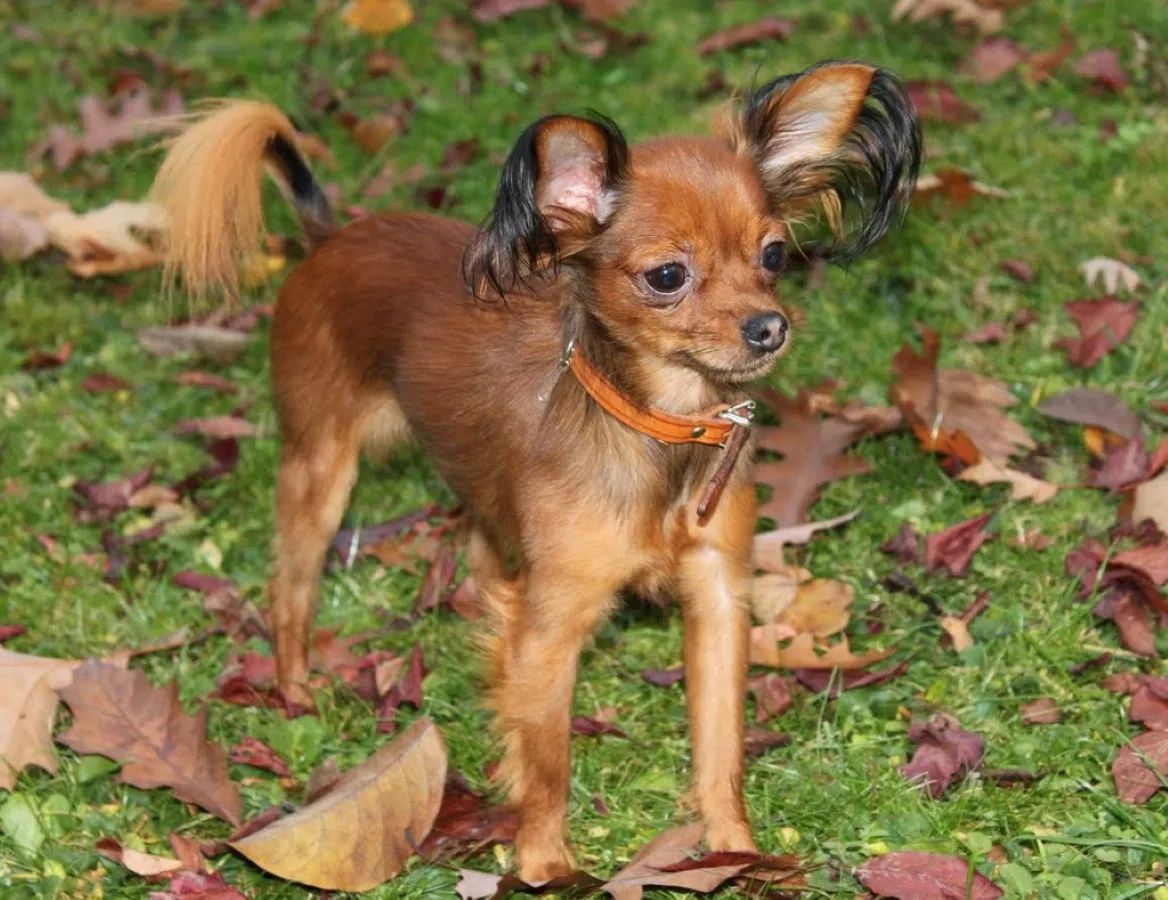
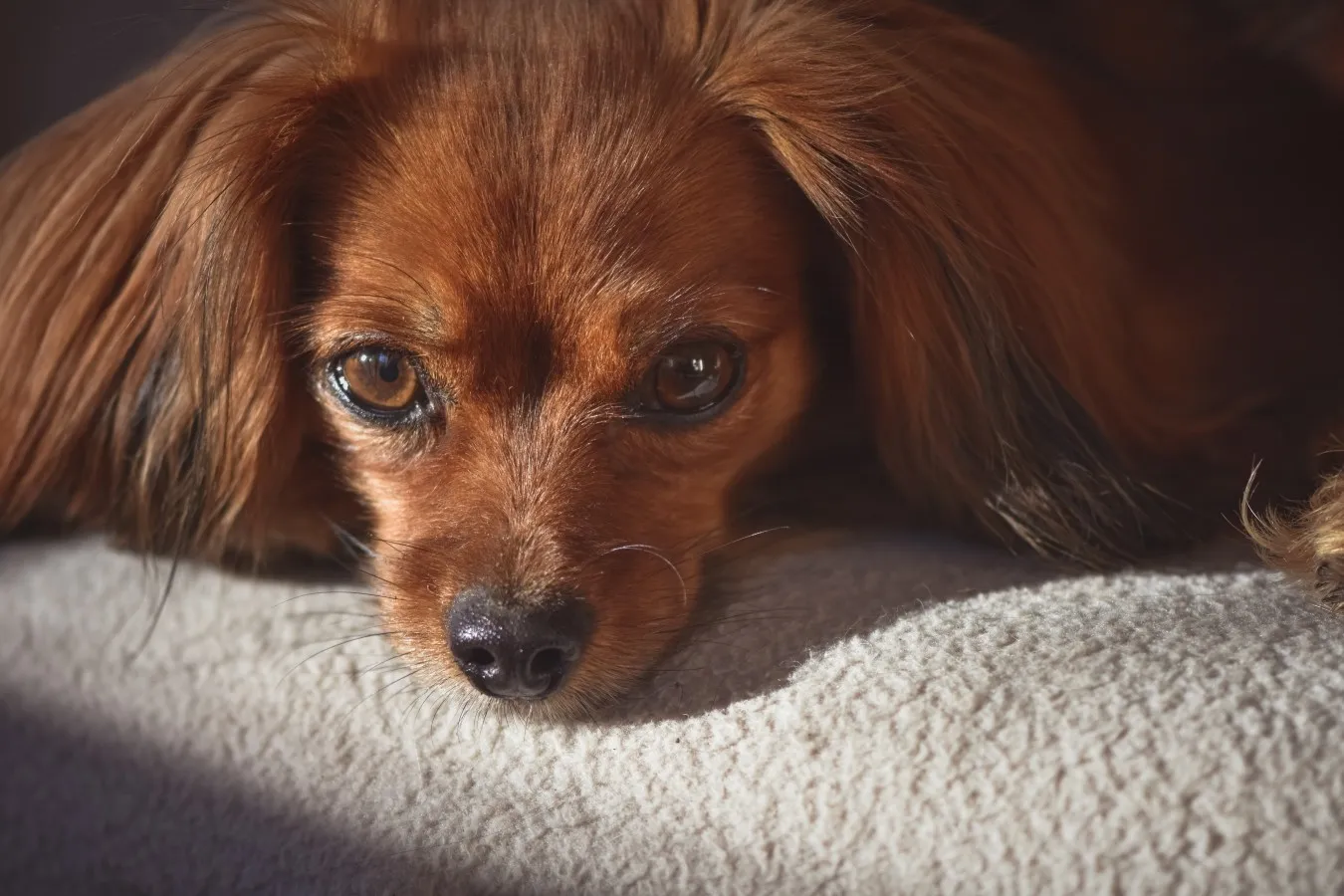
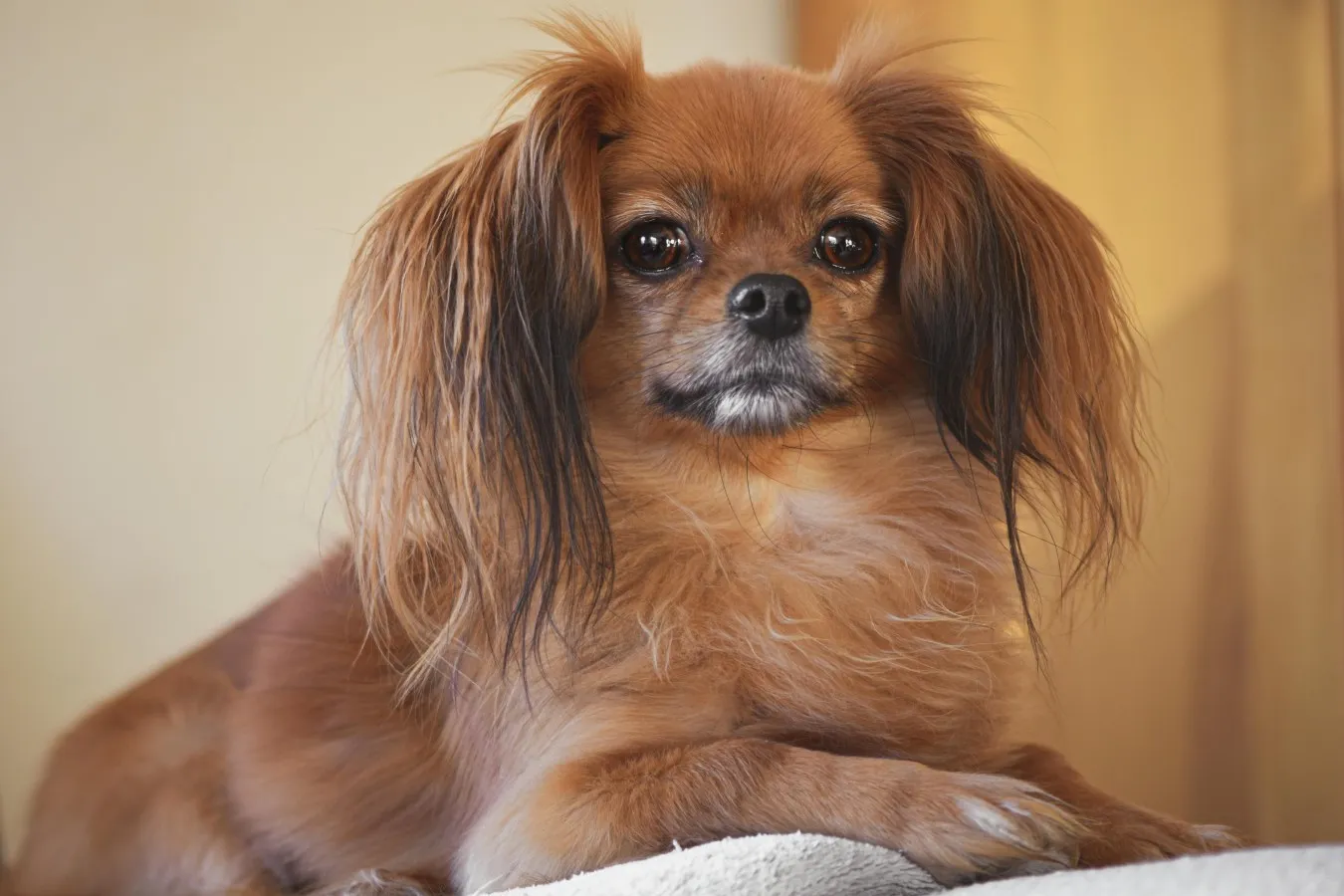
The Russian Toy is a tiny, elegant firecracker! Loyal and cheerful, this petite pup thrives on snuggles and is the perfect big personality for your lap.

BREED GROUP

Toy Dogs

Country of origin

Russia

BREED SIZE

Toy

BREED HEIGHT

8 -

11 IN

20 -

28 cm

BREED WEIGHT

2 -

7 LB

1 -

3 KG

WHAT YOU NEED TO KNOW

The Russian Toy is a tiny, elegant breed from Russia with a big personality. Weighing under 6.5 pounds, they are loyal, active, and cheerful companions. Originally bred as ratters for the aristocracy, they come in smooth and long-coated varieties. These intelligent dogs thrive on human interaction and are excellent for apartment living, though they can be vocal watchdogs. While generally healthy with a lifespan of 12-14 years, they are delicate and better suited for calm households without very young children. Early socialization is key to managing their occasional reserve with strangers.
american kennel club (AKC) recognition

Yes

Breed was recognized in 2022.

International Canine Federation (FCI) recognition

Yes

Breed was recognized in 2006.
WHAT DO OWNERS WANT TO KNOW?

Are Russian Toys good family dogs?

Average

5 out of 10

Russian Toys are loyal and cheerful companions that thrive on human interaction, making them affectionate family pets. However, due to their tiny and delicate frame, they are better suited for calm households with older children rather than those with very young kids. Their alert nature also makes them excellent watchdogs for the family home.

Average

5 out of 10

Russian Toys are generally better suited for families with older, respectful children who can handle them gently. Due to their tiny and delicate size, they can be easily injured during rough play with younger children, making supervision and a calm household environment essential for their safety.

Highly Recommended

9 out of 10

Russian Toys are highly recommended for first-time owners because they are intelligent, eager to please, and relatively easy to train. Their adaptable nature makes them excellent for apartment living, though novice owners should be mindful of their delicate physical build and potential for vocalization. While they can have a stubborn streak, they typically respond well to consistent, positive reinforcement.

Exceptional

10 out of 10

Russian Toys are exceptional apartment dogs due to their tiny size and low exercise needs. They adapt perfectly to small living spaces and are content with indoor play, making them ideal companions for city dwellers.

Not Required

1 out of 10

A yard is not strictly required for a Russian Toy, as they are an ideal size for apartment living and can often satisfy their exercise needs with indoor play. While they enjoy having a yard to chase toys to their heart's content, daily walks and mental stimulation are sufficient to keep this small, active breed happy. Owners in suburban or rural areas should ensure top-notch fencing, as their tiny size allows them to slip through small gaps.

Poor

2 out of 10

Russian Toys are highly social companions that thrive on human interaction and can be prone to separation anxiety if left alone for too long. While they can manage moderate periods of solitude if provided with mental stimulation like long-lasting chew toys, they are best suited for households where they can spend the majority of their time with their owners.

Excellent

9 out of 10

Russian Toys generally coexist peacefully with cats, especially when raised together from a young age. Their small and delicate nature makes them less of a threat to felines, and they often thrive in the company of other household pets. While they may occasionally exhibit a drive to chase due to their background as ratters, early socialization and supervised introductions are usually successful in creating a harmonious multi-pet home.

Gentle

9 out of 10

Russian Toys are not naturally aggressive and are typically described as cheerful, good-natured, and affectionate companions. While they are alert watchdogs that will bark to announce strangers, they are generally friendly or cautious rather than aggressive. However, without early socialization, they can become distrustful of strangers, and their terrier heritage may occasionally lead to a stubborn streak or challenges with unknown dogs.

Average

5 out of 10

Russian Toys are moderately high-energy, spirited dogs that thrive on interactive play and daily walks. While they are active and athletic, they are equally happy to lounge with their owners once their physical and mental exercise needs are met. Providing sufficient activity is essential to prevent boredom and potential destructive behaviors.

~45 min a day

5 out of 10

Russian Toys require approximately 30 to 60 minutes of daily exercise, though some sources suggest at least an hour for active adults. This should include short walks, interactive play like fetch, and mental stimulation through puzzle toys or trick training. Because they are delicate and sensitive to extreme temperatures, indoor play is a recommended alternative during very cold or hot weather.

Average

5 out of 10

Russian Toys have a moderate tolerance for warm weather but can be prone to overheating due to their small size and high energy levels. Owners should ensure they have access to shade and fresh water during outdoor activities. On particularly hot days, it is best to limit strenuous exercise to the cooler morning or evening hours or opt for indoor play to keep them safe and comfortable.

Average

5 out of 10

Russian Toys have a moderate tolerance for warm weather but can be prone to overheating due to their small size and high energy levels. Owners should ensure they have access to shade and fresh water during outdoor activities. On particularly hot days, it is best to limit strenuous exercise to the cooler morning or evening hours or opt for indoor play to keep them safe and comfortable.

Rarely Banned

8 out of 10

Russian Toys are rarely subject to breed bans due to their tiny size and friendly reputation. They are generally considered ideal apartment dogs and are widely accepted in most rental properties. However, because they can be vocal watchdogs, owners should focus on consistent training to avoid noise complaints and always verify specific landlord policies regarding pet deposits or weight limits.

WHAT DO OWNERS WANT TO KNOW?


Photo
Reviewed by
Dr. Vojtech Gabriel
DVM · PhD · MBA
Veterinarian Researcher Dog breed specialist
Verified

"Russian Toys are tiny, spirited companions, but their delicate frame requires careful management to prevent injury. As a veterinarian, I emphasize monitoring for patellar luxation and Legg-Calve-Perthes disease, which are common orthopedic concerns in small breeds. Their small mouths make them highly prone to early-onset periodontal disease and retained deciduous teeth, necessitating daily brushing and professional cleanings. Owners must also be vigilant about hypoglycemia, especially in puppies, and maintain a consistent feeding schedule. Because of their fragile necks and tracheas, I strongly recommend using a harness instead of a collar for walks. While generally healthy, regular screenings for Progressive Retinal Atrophy (PRA) and cardiac health are important for long-term well-being."


Other Toy Dogs