Russian Toy Health and Costs
Breed Group
Toy Dogs
Country of Origin
Russia
Breed Size
Toy
AKC Recognition
Yes, recognized in 2022
FCI Recognition
Yes, recognized in 2006
Rarity
Fairly Common4 / 10
Purchase cost
Moderate8 / 10
Life expectancy
Long Lifespan8 / 10
Health
Generally healthy7 / 10
Health problem risk
Moderate health concerns4 / 10
Maintenance cost
Low maintenance cost2 / 10
A Veterinarian's Guide
Russian Toy Health Problems and Costs
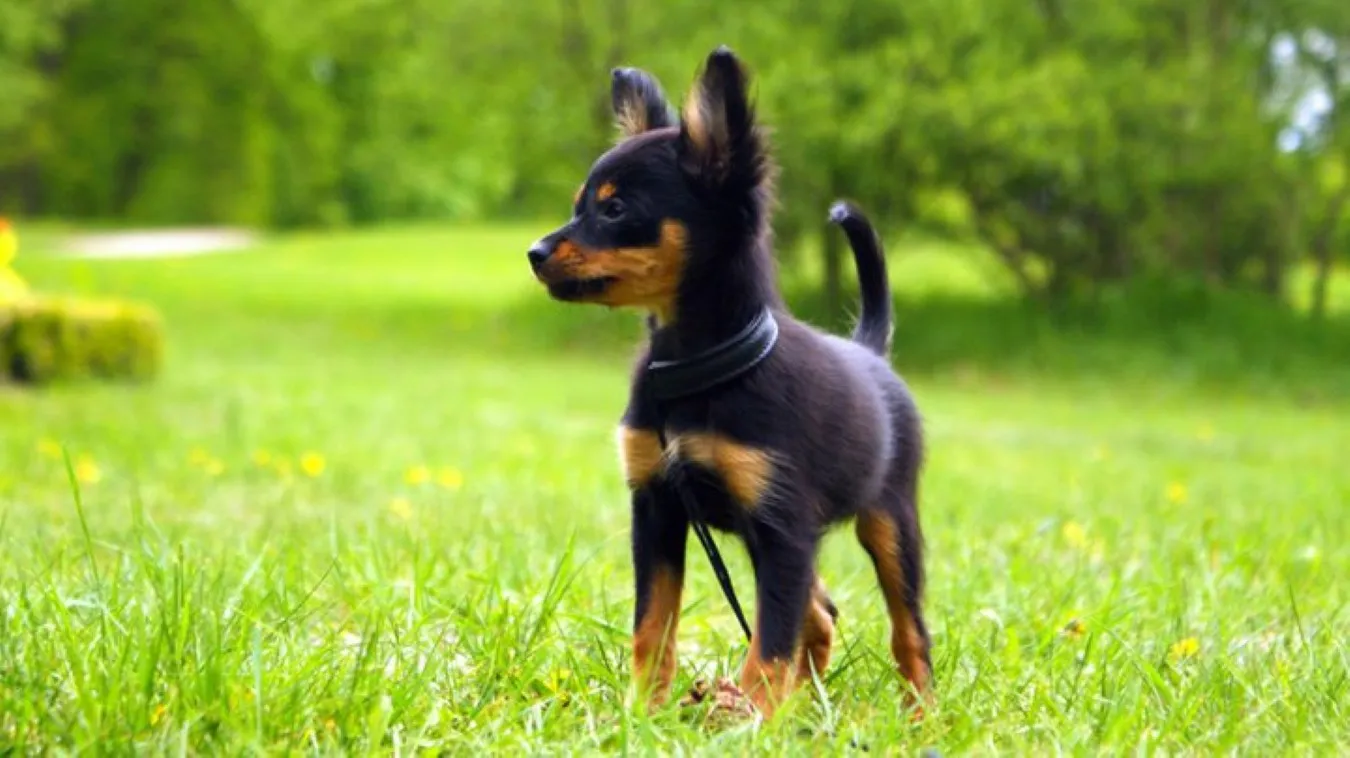
The Russian Toy is one of the smallest companion breeds in the world, a lively, long-legged little dog that comes in smooth and long-coated varieties. Its size is charming, and it is also why the health issues look different from what owners of larger dogs expect: kneecaps, teeth, fragile bones and low blood sugar in puppies. Knowing them before you bring a puppy home, or while you already share your life with one, makes the screening and the vet visits much easier to plan.
In this guide

Are Kneecap and Hip Problems Common in This Breed?
Patellar luxation means the kneecap slips out of its groove. The word patella is Latin for "small dish," and luxare means "to dislocate." It is usually inherited and is common in small breeds. The classic sign is a skipping step, where a dog briefly holds a back leg up and then carries on. Mild cases are managed with weight control and controlled exercise, while moderate to severe grades are usually corrected with surgery, and the outlook is good in mildly or moderately affected dogs. The breed club recommends a patella evaluation for breeding dogs.
Legg-Calve-Perthes disease is a separate hip problem seen in young small breeds, especially terriers, usually between four and eleven months of age. The blood supply to the top of the thigh bone is disrupted and the bone breaks down, causing a hind-leg limp and pain. The treatment recommended by the Merck Veterinary Manual is surgery to remove the damaged bone, and the prognosis after surgery is excellent. A young dog that skips, hops or favors a back leg is worth an exam rather than a wait-and-see approach.
Why Is Dental Disease Such a Concern in This Breed?
A tiny mouth leaves little room for teeth. Russian Toys are known to retain their baby teeth, which fail to fall out on schedule and crowd the adult teeth behind them, and they are more prone to periodontal disease, an infection of the gums and bone around the teeth. The word comes from the Greek peri-, "around," and odous, "tooth." A veterinarian can check the mouth at each puppy visit, and retained teeth that need removing are often taken out under the same anesthesia as a spay or neuter.
Brushing the teeth every day or two, started as early as a puppy will tolerate it, does more for this breed than any other single habit. Professional cleanings under anesthesia, timed by your veterinarian, deal with what brushing misses.

Why Does Low Blood Sugar Matter So Much in Puppies?
Hypoglycemia, abnormally low blood sugar, is a real concern in very small puppies. The word comes from the Greek hypo, "below," and glykys, "sweet." Young toy puppies have little body fat and muscle to store energy, so a missed meal, stress or cold can drop their sugar quickly. Small, frequent meals as directed by your veterinarian help prevent it.
- 01
Unusual drowsiness
A puppy that is limp, very sleepy, or hard to rouse.
- 02
Wobbling or trembling
Weakness, poor balance, or shaking.
- 03
Disorientation
Staring, confusion, or being unable to settle.
- 04
Collapse or seizure
Fainting, or seizure-like activity.
While you get to the clinic, the AKC advises that a little light corn syrup or honey rubbed on the gums can temporarily help a very small puppy, but it is only a stopgap, and the puppy still needs a veterinarian right away.
How Fragile Are a Russian Toy's Bones?
Pick your Russian Toy up with both hands, supporting the chest and hindquarters, and use steps rather than letting it jump from furniture, because this breed's fine bones can fracture from falls that a sturdier dog would shrug off.
Fractures are a recognized risk in the Russian Toy because of its small size and delicate build. Most come from falls, being stepped on or being dropped, so the prevention is simple: careful handling, supervision around children and larger dogs, and no leaping from beds and sofas.
Do the Heart and Eyes Need Checking?
The breed club recommends a cardiac evaluation and an eye exam by a veterinary ophthalmologist for breeding dogs. Breed guides list leaky heart valve disease, called mitral valve disease, as well as cataracts and progressive retinal atrophy, an inherited breakdown of the retina, among the conditions that can occur. Routine exams where your veterinarian listens to the heart, plus an annual eye check, are a sensible way to catch changes early.
What Does Managing a Russian Toy's Health Actually Cost?
| Condition or Need | Typical Cost Range | Notes |
|---|---|---|
| Patellar luxation surgery | $1,200 to $2,800 | Only for moderate to severe grades |
| Legg-Calve-Perthes surgery | $1,500 to $3,000 | If diagnosed, generally an excellent outcome |
| Professional dental cleaning | $200 to $500 | Recurring, timed by your veterinarian |
| Puppy feeding and monitoring supplies | $20 to $50/month | Helps lower low blood sugar risk early on |
| Well-fitted harness | $15 to $40 | One time |
Food and medication doses scale down with size, but orthopedic surgery and dental work do not shrink as much, so it is worth pricing pet insurance while your dog is young and healthy.
Questions to Ask a Breeder Before Buying a Puppy
Ask for the parents' kneecap, heart and eye results. The breed club recommends a patella evaluation, a cardiac evaluation and an eye evaluation for breeding dogs, so ask to see the paperwork rather than relying on a verbal promise.
It is also worth asking how the puppies are fed, how old they are when they go home, and whether any littermates or relatives had kneecap problems or retained baby teeth.
Daily Life With a Russian Toy
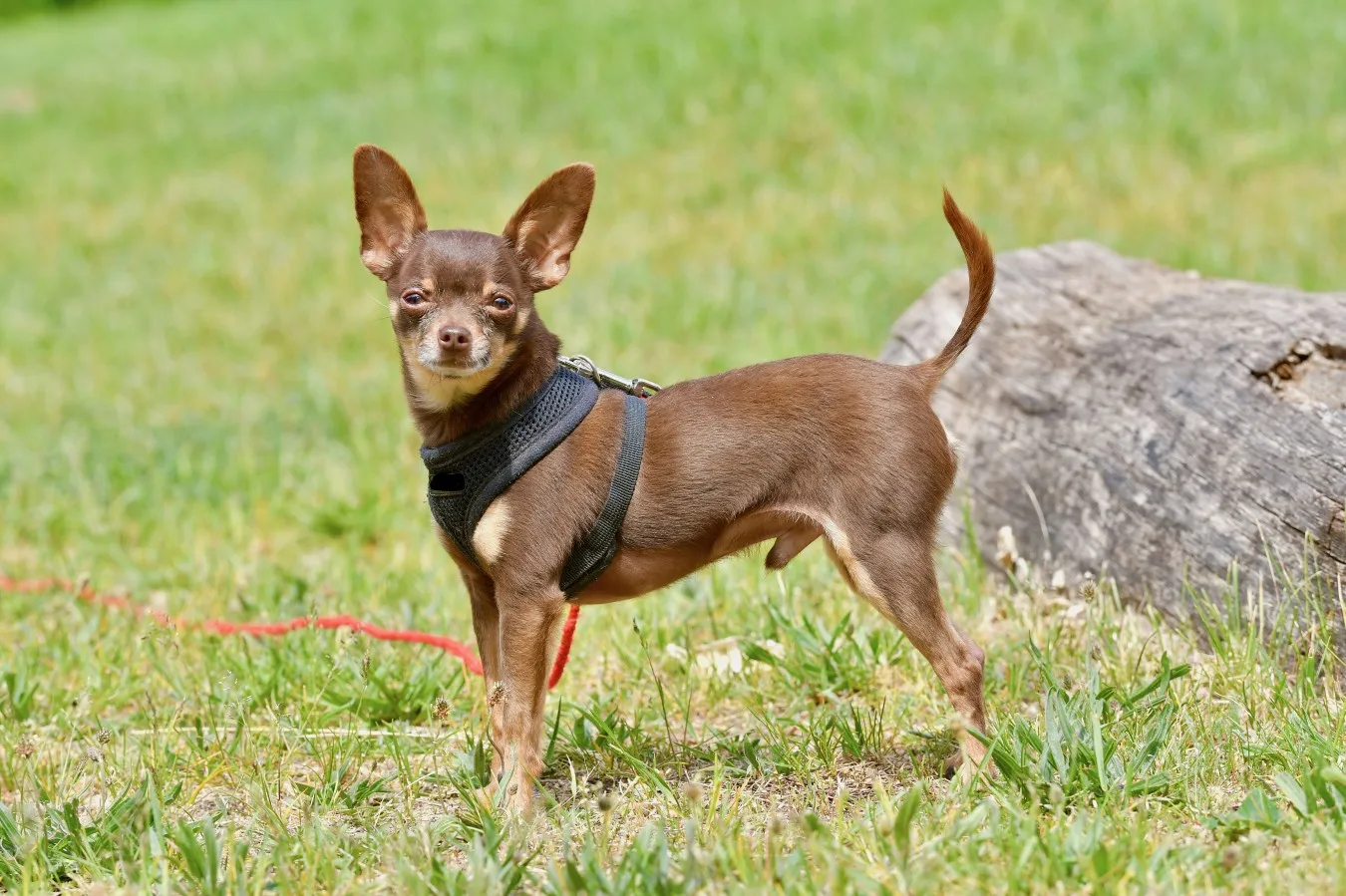
This is a cheerful, active and loyal little dog that bonds closely with its family and can be reserved with strangers. Plan on about an hour of daily activity, including indoor play, and a harness rather than a collar, since pulling against a collar puts pressure on a tiny neck. Small dogs also lose body heat quickly, so a coat is a practical choice in cold weather.
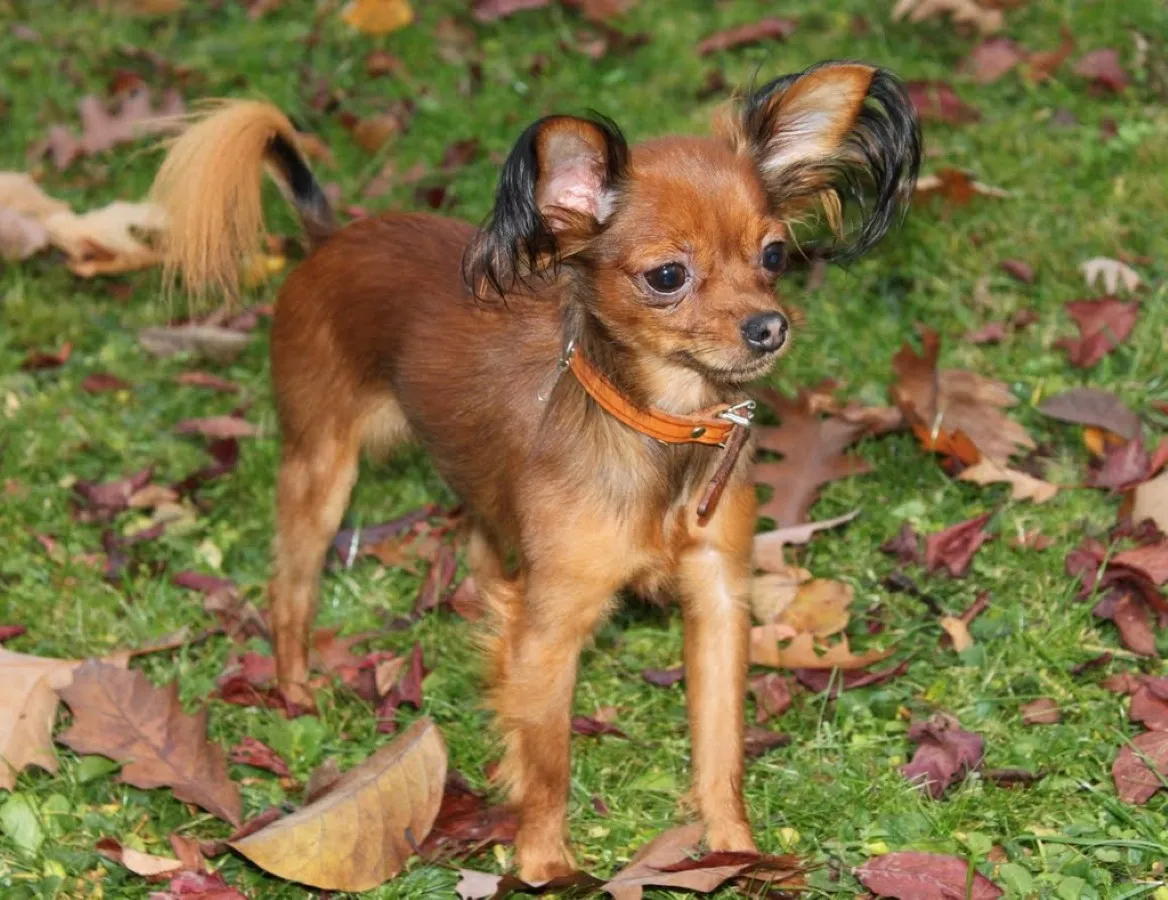
The smooth coat needs about weekly brushing, while the long coat needs brushing three or four times a week to prevent mats, as the grooming page explains. Russian Toys are intelligent and eager to please, as the personality profile describes, but they need clear, consistent training so that a small size does not become a license to boss the household.
Keeping Your Russian Toy Healthy for the Long Run
Brush the teeth often, handle your dog with care, and keep puppy meals small and regular. Have the kneecaps and heart checked at routine visits, and book an annual eye exam as your dog matures.
Final Thoughts From a Veterinarian
Russian Toys usually live 12 to 14 years and cost about $100 to $150 a month. Brush those small teeth, use a harness, handle with care, feed puppies small frequent meals, and treat wobbliness or seizures as an emergency. Your veterinarian can tailor the plan.
Health & Costs FAQ
How much do Russian Toy cost?
The cost of a Russian Toy typically ranges from $1,200 to $2,500 when purchased from a reputable breeder. Owners should budget an additional $500 to $1,000 for initial supplies and vaccinations. Their small size makes ongoing costs like food and preventative care relatively affordable.
Purchase cost: 8 / 10
How long do Russian Toy live?
Russian Toys typically live 12 to 14 years. Careful handling to protect their fragile bones, daily dental care, a healthy diet and regular veterinary checkups help these spirited dogs live a full, happy life.
Life expectancy: 8 / 10
Are Russian Toy healthy dogs?
Russian Toys are generally healthy, long-lived companions, typically reaching 12 to 14 years, but their small size brings specific risks. Patellar luxation, dental crowding and retained baby teeth, low blood sugar in tiny puppies, and fractures are the main concerns. Gentle handling, daily dental care and regular veterinary checkups help.
Health: 7 / 10
What health problems do Russian Toy have?
Russian Toys are prone to patellar luxation, dental disease with retained baby teeth, and fractures from their fragile bones, and tiny puppies can develop low blood sugar. Legg-Calve-Perthes disease, heart disease and eye conditions such as progressive retinal atrophy are also listed. Kneecap, heart and eye screening and consistent dental care help catch problems early.
Health problem risk: 4 / 10
Are Russian Toy expensive to maintain?
Russian Toys are relatively affordable to maintain because of their tiny size and modest food needs, and the smooth coat needs only weekly brushing. Owners should budget for regular dental care, routine veterinary visits and monitoring for kneecap problems.
Maintenance cost: 2 / 10
How much does it cost to own a Russian Toy per month?
Expect to spend about $100 to $150 per month to own a Russian Toy. This budget covers modest food needs, routine veterinary checkups and preventative medications. Their small size keeps costs low, though dental care is a recurring expense.
Monthly ownership cost: 5 / 10
How much does pet insurance cost for a Russian Toy?
Pet insurance for a Russian Toy typically costs about $25 to $50 per month, though premiums vary with age, location and the level of coverage chosen. A policy is worth pricing while your dog is young and healthy, since kneecap surgery, dental work and fracture repair can be costly.
Pet insurance cost: 3 / 10
Will homeowners insurance cover a Russian Toy?
Yes, most homeowners insurance policies cover Russian Toys, as they are a small breed not typically found on restricted lists. Because they are not classified as aggressive, they are considered low-risk. Always disclose your pet to your insurer to ensure your liability coverage remains fully active.
Homeowners insurance difficulty: 9 / 10
Are Russian Toy on insurance restricted breed lists?
No, Russian Toys are not typically found on insurance restricted-breed lists. These lists primarily target larger breeds perceived as high-liability risks. Due to their tiny size and non-aggressive reputation, most insurers view them as low-risk pets, making it easy to secure standard homeowners or renters coverage.
Insurance restriction risk: 2 / 10
Can you get renters insurance with a Russian Toy?
Yes, you can typically get renters insurance with a Russian Toy. As a small, non-aggressive breed, they are rarely found on restricted lists. Most policies provide liability coverage for them without issue. Always disclose your pet to your insurer and confirm specific building rules with your landlord.
Renters insurance difficulty: 8 / 10