Skip to content

Russian Toy Training Profile

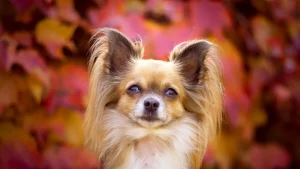
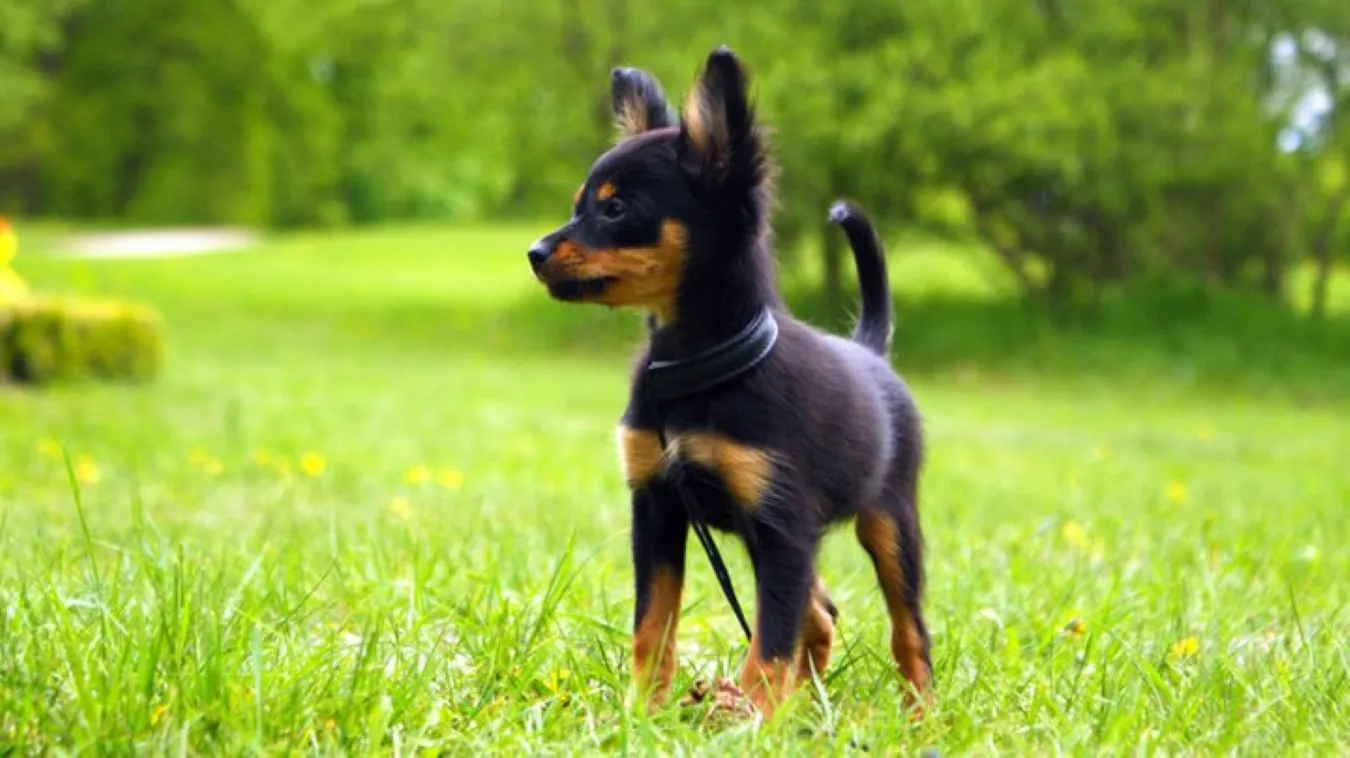
Russian Toys are intelligent, lively, and eager to please, making them highly trainable through positive reinforcement. Despite their small size, they possess a spirited personality and require consistent leadership to manage their stubborn streak. Focus on short, engaging sessions and early socialization to ensure these affectionate, alert companions thrive.
TRAINABILITY

Stubborn

3 out of 10

MENTAL STIMULATION NEEDS

Very Low

1 out of 10

LOVE FOR GRUB

Voracious

9 out of 10

TRAINING FAQ

Are Russian Toys easy to train?

Very Easy

10 out of 10

Russian Toys are intelligent, eager to please, and generally very easy to train using positive reinforcement methods. While they can be slightly reserved with strangers, their devoted nature makes them quick learners that excel in obedience and agility. Early socialization and consistent, gentle leadership are key to managing their bold personalities and ensuring they grow into confident, well-mannered companions.

Stubborn

3 out of 10

Russian Toys are intelligent and eager to please, though they can occasionally exhibit a stubborn streak typical of small dog breeds. To succeed, owners must use consistent and patient training techniques focused on positive reinforcement like treats and praise. Keeping training sessions short, engaging, and mentally stimulating is essential to maintain their interest and prevent them from becoming bored or willful.

Average

6 out of 10

Train your Russian Toy puppy using positive reinforcement with plenty of high-value treats and praise to manage their occasional stubbornness. Keep training sessions short, fun, and engaging to prevent boredom in this intelligent breed. Focus on early socialization to build confidence and establish basic obedience commands through consistent, gentle guidance to ensure they grow into well-behaved and charming companions.

Challenging

3 out of 10

Potty training a Russian Toy typically takes 4 to 6 months. While they are intelligent and eager to please, their tiny bladders and occasional stubbornness can make the process challenging. Success requires a consistent schedule, positive reinforcement with high-value treats, and close supervision to manage their independent nature and frequent needs.

Above Average

7 out of 10

Russian Toys are active and spirited dogs that require around 30 to 60 minutes of daily activity to stay healthy. This can be achieved through one or two brisk walks daily combined with indoor play sessions. Because of their delicate size and fragile necks, it is highly recommended to use a harness rather than a collar during walks and to avoid extreme temperatures.

Moderate Low

5 out of 10

A Russian Toy’s daily routine should focus on companionship and moderate activity. Provide 30 to 45 minutes of daily exercise through short walks and interactive play sessions like fetch, ensuring they use a harness to protect their fragile necks. Feed adult Russian Toys twice daily and puppies three to four times to support their fast metabolism and prevent hypoglycemia. Essential daily care includes dental brushing to prevent periodontal disease, a quick wipe down or brushing of their coat, and short training sessions or puzzle toys to engage their sharp, terrier-like minds. Ensure they have plenty of lap time and are kept safely indoors or supervised outside to protect them from predators.

VET INSIGHTS

Russian Toys are intelligent, loyal companions with spirited personalities. While generally eager to please, they possess a stubborn streak requiring patient, positive reinforcement. Potty training is challenging, often taking four to six months. They need 30 to 60 minutes of daily exercise using a harness and benefit from routines emphasizing dental care, managed feeding, and consistent human companionship.

Photo
Reviewed by
Dr. Vojtech Gabriel
DVM · PhD · MBA
Veterinarian Researcher Dog breed specialist
Verified

Explore Other Breed TRAINING PROFILES