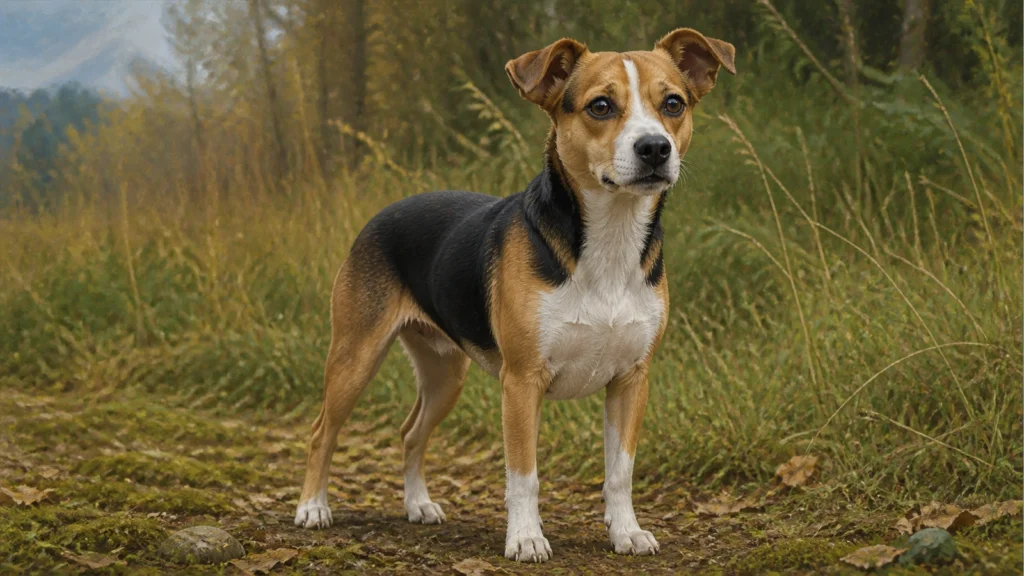
Cheagle Training Profile
Breed Group
Hybrid Dogs
Country of Origin
United States
Breed Size
Small
AKC Recognition
No
FCI Recognition
No
Mental stimulation needs
Below Average4 / 10
Trainability
6 / 10
Picky eater
Average6 / 10
Easy to train
Average5 / 10
Training stubbornness
Moderate6 / 10
Puppy training
Moderate5 / 10
Training FAQ
Are Cheagle easy to train?
Cheagles are moderately intelligent but can be hard to train due to their high energy and short attention spans. They often inherit a stubborn streak and independent nature from both parent breeds. Success requires patience, consistency, and short, engaging sessions using positive reinforcement to maintain their focus.
Easy to train: 5 / 10
Are Cheagle stubborn to train?
Cheagles are known for a stubborn, independent streak inherited from both the Beagle and Chihuahua. They may resist house training and are easily distracted by scents. To succeed, owners must use consistent positive reinforcement, high-value treats, and short, engaging sessions to keep this clever hybrid focused and motivated.
Training stubbornness: 6 / 10
How do you train a Cheagle puppy?
Train your Cheagle puppy using short, engaging sessions and positive reinforcement to manage their high energy and short attention spans. Focus on early socialization and basic obedience commands like sit, stay, and quiet to address potential territorial barking. Because they inherit a stubborn streak from both the Beagle and Chihuahua, use high-value treats and consistent routines to maintain their focus and build a strong bond.
Puppy training: 5 / 10
How difficult is potty training in Cheagle?
Cheagles are known for a stubborn, independent streak inherited from both the Beagle and Chihuahua. They may resist house training and are easily distracted by scents. To succeed, owners must use consistent positive reinforcement, high-value treats, and short, engaging sessions to keep this clever hybrid focused and motivated.
Potty training difficulty: 5 / 10
How many walks does a Cheagle need?
Cheagles are active hybrids that typically require at least 30 minutes of daily exercise to stay healthy and prevent destructive behaviors. Because they can be easily overexcited or distracted, it is best to break their activity into several smaller sessions throughout the day. While they adapt well to apartment living, providing consistent daily walks and interactive playtime is essential to satisfy their inquisitive nature and high energy levels.
Walking need: 10 / 10
What is the best daily routine for a Cheagle?
A Cheagle's daily routine should focus on managing their high energy and short attention spans with frequent, varied activity. Provide 30 to 60 minutes of daily exercise, ideally split into two or three short, brisk walks combined with interactive play like fetch or scent games to satisfy their tracking instincts. Feed adults twice daily and puppies three to four times, monitoring portions to prevent obesity inherited from the Beagle parent. Essential daily care includes short, 5-10 minute training sessions using positive reinforcement and high-value treats to overcome their stubborn streak, alongside mental stimulation through puzzle toys to prevent destructive boredom. Ensure they have a secure environment for play and plenty of opportunities for bonding and rest.
Routine need: 3 / 10
Vet Insights
Cheagles are energetic, friendly hybrids requiring patient, consistent training with positive reinforcement to manage their stubborn streak and short attention spans. Daily care involves 30 to 60 minutes of exercise, ideally split into short sessions, alongside mental stimulation. Owners must prioritize early socialization and managed feeding to prevent obesity, making them lively, affectionate companions for active households.