Skip to content

Lakeland Terrier - MAIN HUB

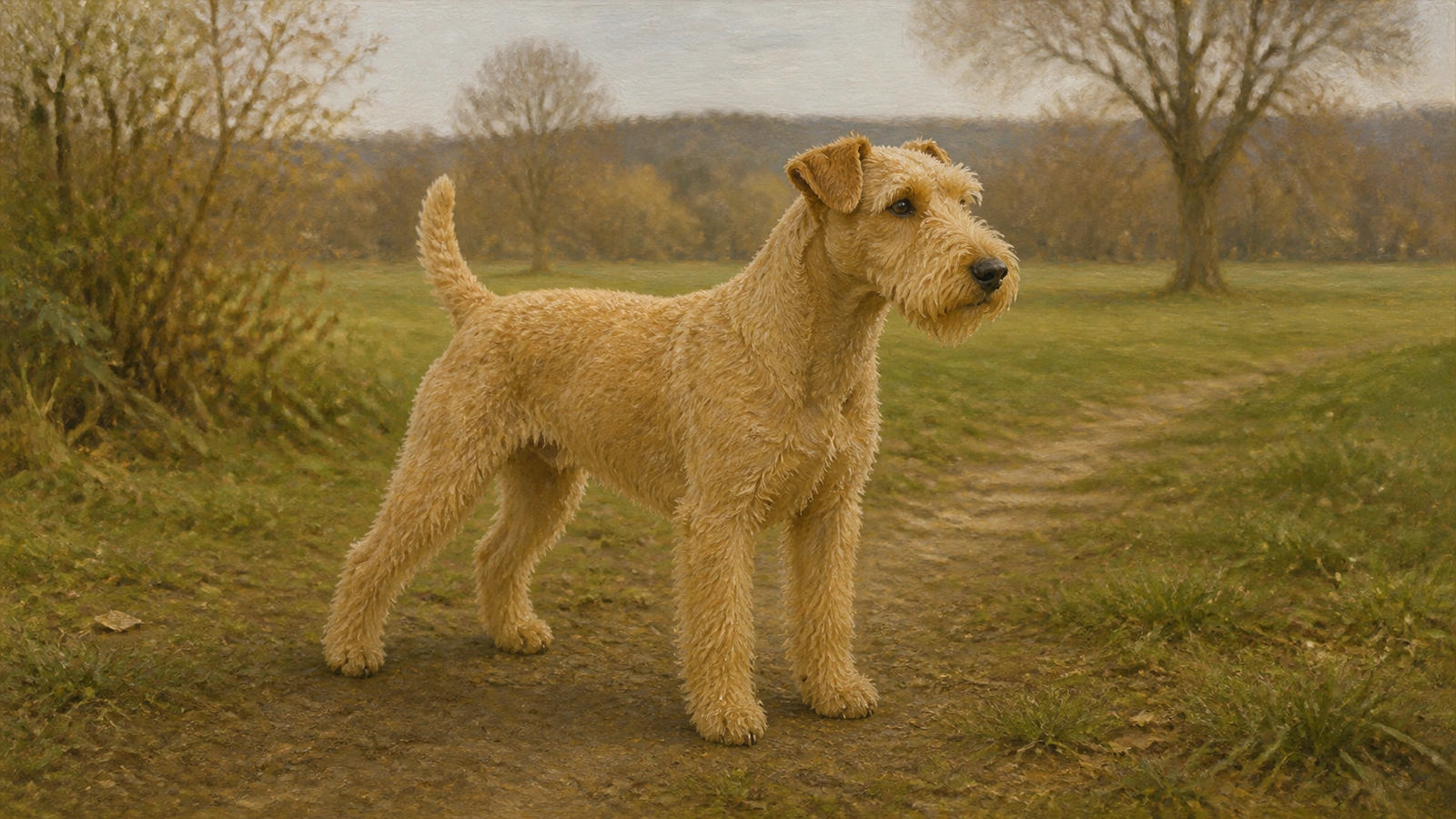
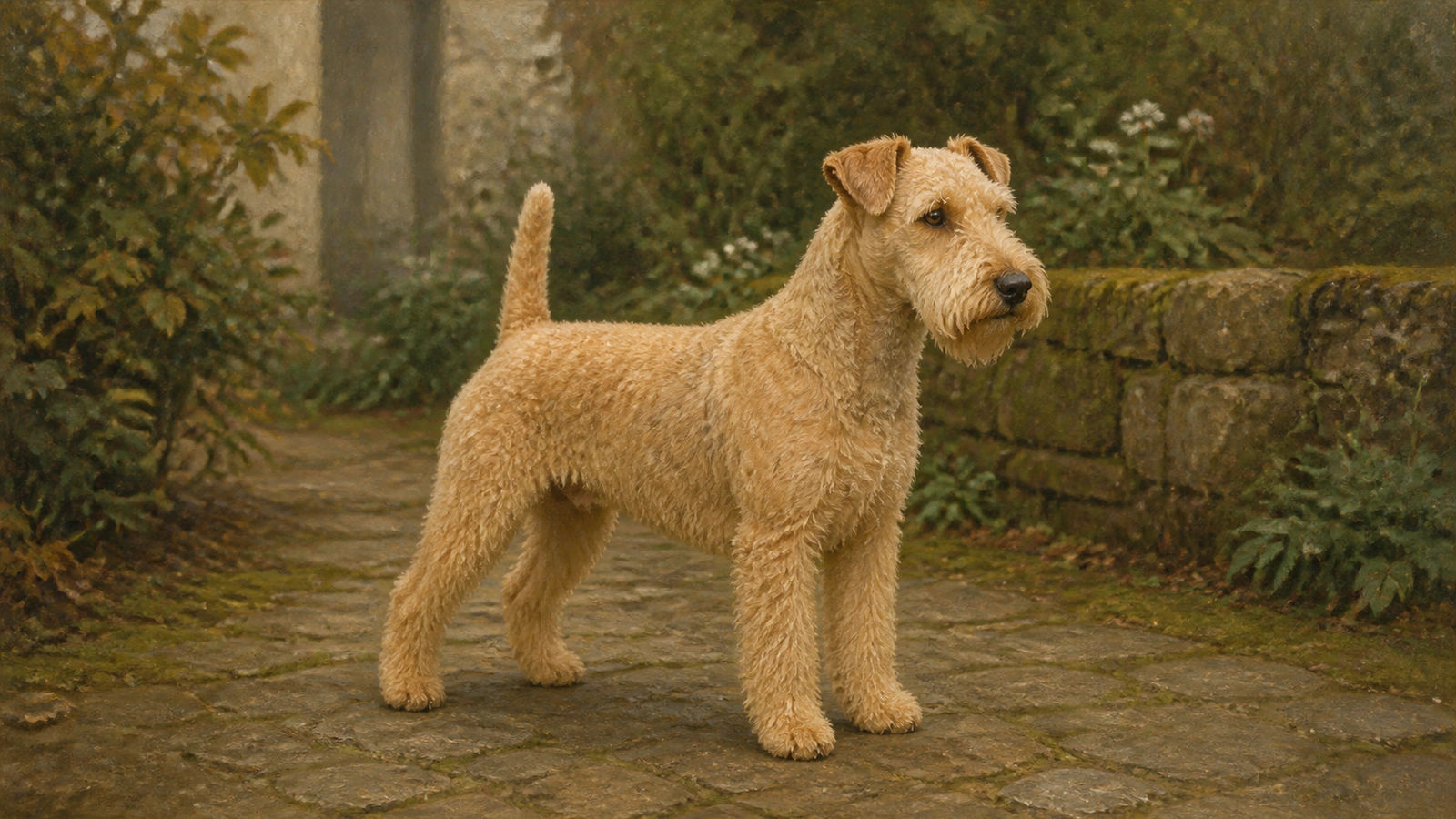
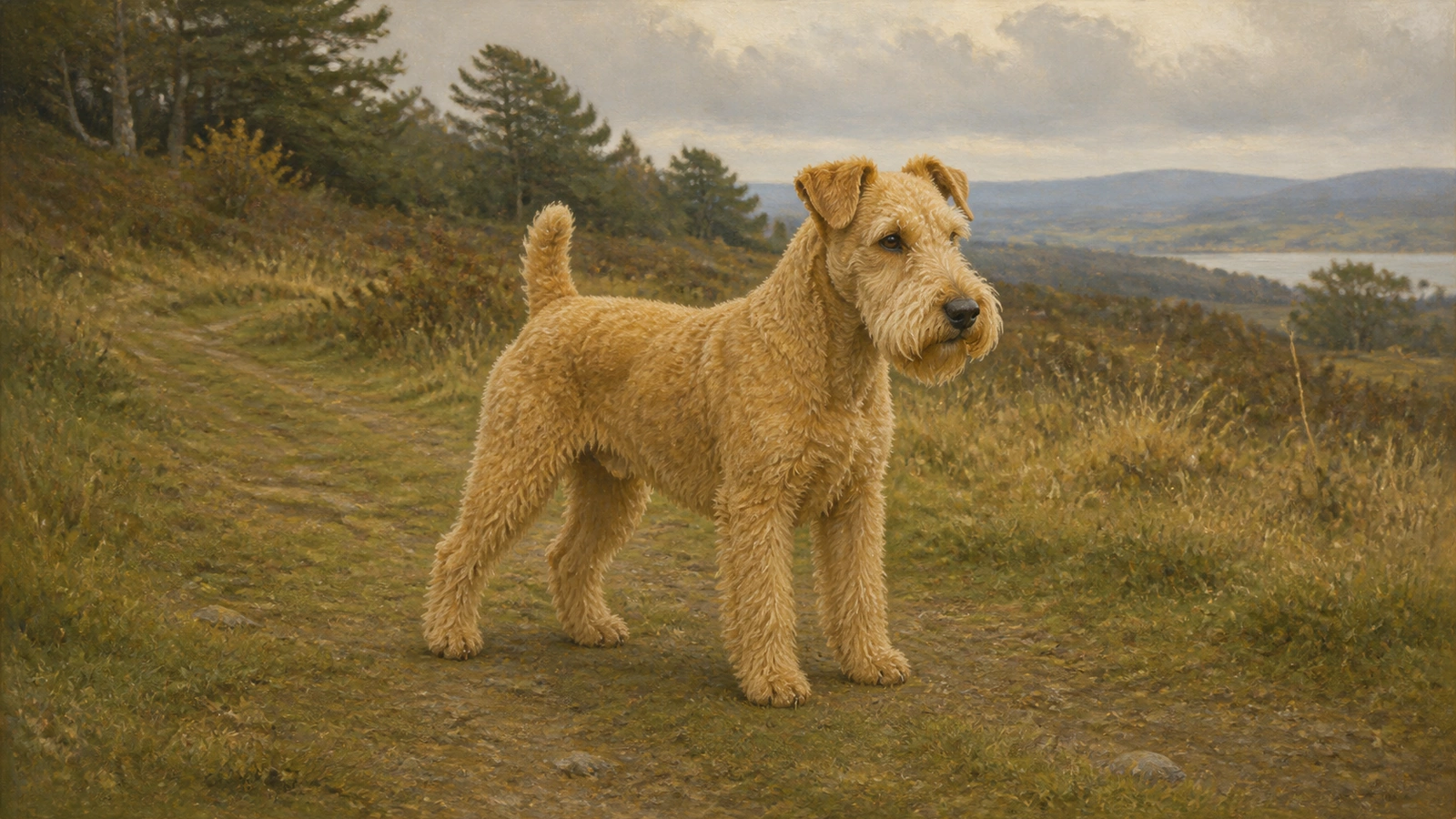
Meet the Lakeland Terrier: a bold, spirited, and low-shedding companion from England, perfect for active families who love an intelligent adventure!

BREED GROUP

Terrier Dogs

Country of origin

United Kingdom

BREED SIZE

Small

BREED HEIGHT

14 -

15 IN

36 -

38 cm

BREED WEIGHT

15 -

17 LB

7 -

8 KG

WHAT YOU NEED TO KNOW

The Lakeland Terrier is a small, sturdy breed from England's Lake District, originally developed for hunting foxes. Known for their bold, spirited personality and distinctive wiry, low-shedding coat, they make loyal companions for active families. These intelligent dogs require 1 to 2 hours of daily exercise and consistent training to manage their independent streak and high prey drive. While affectionate with their families and generally good with children, they need early socialization to handle strangers and other animals. Their weather-resistant double coat requires regular grooming or hand-stripping to maintain its characteristic texture.
american kennel club (AKC) recognition

Yes

Breed was recognized in 1934.

International Canine Federation (FCI) recognition

Yes

Breed was recognized in 1954.

WHAT DO OWNERS WANT TO KNOW?

Are Lakeland Terriers good family dogs?

Good

7 out of 10

The Lakeland Terrier is a loyal and affectionate companion that is generally good with children, making it a solid choice for active families. However, they require significant daily exercise and consistent training to manage their independent nature and high prey drive. Early socialization is also essential to help them interact properly with strangers and other animals.

Good

7 out of 10

Lakeland Terriers are generally good with children, particularly older ones who can match their high energy and respect their space. They are playful, affectionate, and protective companions that bond closely with their families. However, they may be less tolerant of the unpredictable behavior of toddlers, so supervision and early socialization are essential to ensure safe and positive interactions.

Not Recommended

1 out of 10

Lakeland Terriers are generally not recommended for first-time owners due to their stubborn, independent nature and high energy levels. They require a confident owner who can provide consistent training and significant mental and physical stimulation to manage their bold personality and strong prey drive. While they are affectionate companions, their specific handling and socialization needs are typically best suited for those with prior experience.

Not Recommended

1 out of 10

Lakeland Terriers can adapt well to apartment living due to their compact size and versatile nature, provided their high energy and mental stimulation needs are met. While they are suitable for smaller spaces, they require significant daily exercise to prevent boredom and potential barking. Their bold, loyal personality makes them excellent companions for active city dwellers who are committed to consistent training and outdoor activity.

Highly Recommended

9 out of 10

A yard is not strictly required for a Lakeland Terrier, as they are adaptable and can live in apartments if provided with sufficient daily exercise. However, they are high-energy dogs that benefit greatly from a securely fenced yard to explore and play. Owners must ensure fencing is sturdy and dig-proof to accommodate their hunting instincts and prevent them from wandering.

Poor

2 out of 10

Lakeland Terriers are spirited and highly social dogs that generally do not thrive when left alone for extended periods. While they can tolerate short durations of solitude, prolonged isolation often leads to boredom and separation anxiety, potentially resulting in destructive behaviors like digging or excessive barking. They are best suited for households where they receive consistent companionship and regular mental stimulation to keep them out of trouble.

Average

3 out of 10

Lakeland Terriers can coexist peacefully with cats, especially when raised together from a young age. However, due to their background as hunters, they possess a strong prey drive and may be inclined to chase smaller animals. Early socialization and slow, supervised introductions are essential to ensure a harmonious multi-pet household and to manage their natural hunting instincts.

Reactive

2 out of 10

Lakeland Terriers are not naturally aggressive toward people, but they are bold, feisty, and possess a "never-back-down" attitude typical of terriers. While they are affectionate with their families, they can be wary of strangers and may show aggression toward other dogs or small animals due to their high prey drive and historical roots as fearless hunters. Early socialization and consistent, positive training are essential to manage these instincts and ensure they remain well-behaved companions.

High

8 out of 10

Lakeland Terriers are high-energy, spirited dogs with roots as fearless hunters. They require between 60 and 90 minutes of daily exercise, including brisk walks and vigorous play, to satisfy their stamina and intelligence. Without sufficient physical activity and mental challenges like puzzles or agility, they can become bored and exhibit destructive behaviors.

~75 min a day

7 out of 10

Lakeland Terriers require approximately 60 to 90 minutes of daily exercise to stay healthy and manage their high energy. This should include a mix of brisk walks, vigorous play, and mental challenges like puzzle toys or agility training. Because of their strong hunting instincts and high prey drive, they should always be kept on a lead during walks or in a securely fenced area.

Good

6 out of 10

Lakeland Terriers have a moderate tolerance for hot weather thanks to their double coats, which act as insulation to help regulate body temperature. While they can handle warmth better than many breeds, their high energy levels mean owners should avoid vigorous exercise during the hottest parts of the day. It is essential to provide constant access to shade and fresh water to prevent overheating.

Good

6 out of 10

Lakeland Terriers have a moderate tolerance for hot weather thanks to their double coats, which act as insulation to help regulate body temperature. While they can handle warmth better than many breeds, their high energy levels mean owners should avoid vigorous exercise during the hottest parts of the day. It is essential to provide constant access to shade and fresh water to prevent overheating.

Rarely Banned

8 out of 10

Lakeland Terriers are rarely subject to apartment breed bans, as their small size typically falls within standard pet weight limits. While they are generally accepted in rental properties, their high energy and tendency for vocal barking mean owners should prioritize consistent training and exercise to remain good neighbors. Always check specific landlord policies regarding general pet regulations or weight restrictions.

WHAT DO OWNERS WANT TO KNOW?


Photo
Reviewed by
Dr. Vojtech Gabriel
DVM · PhD · MBA
Veterinarian Researcher Dog breed specialist
Verified

"Lakeland Terriers are generally hardy, but as a veterinarian, I focus on several hereditary and lifestyle-related concerns. They are particularly prone to dental disease due to their small, compact jaws, making daily brushing and annual cleanings essential. I also monitor for eye conditions like Primary Lens Luxation (PLL), cataracts, and microphthalmia, which can lead to vision loss. Other notable predispositions include Legg-Calve-Perthes disease, patellar luxation, and hypothyroidism. Because they are prone to obesity, maintaining a lean weight is critical to prevent joint strain and metabolic issues. I also recommend screening for Von Willebrand's disease before any surgical procedures. Regular grooming and ear checks are vital to prevent skin infections and manage their weather-resistant coats."


Other Terrier Dogs