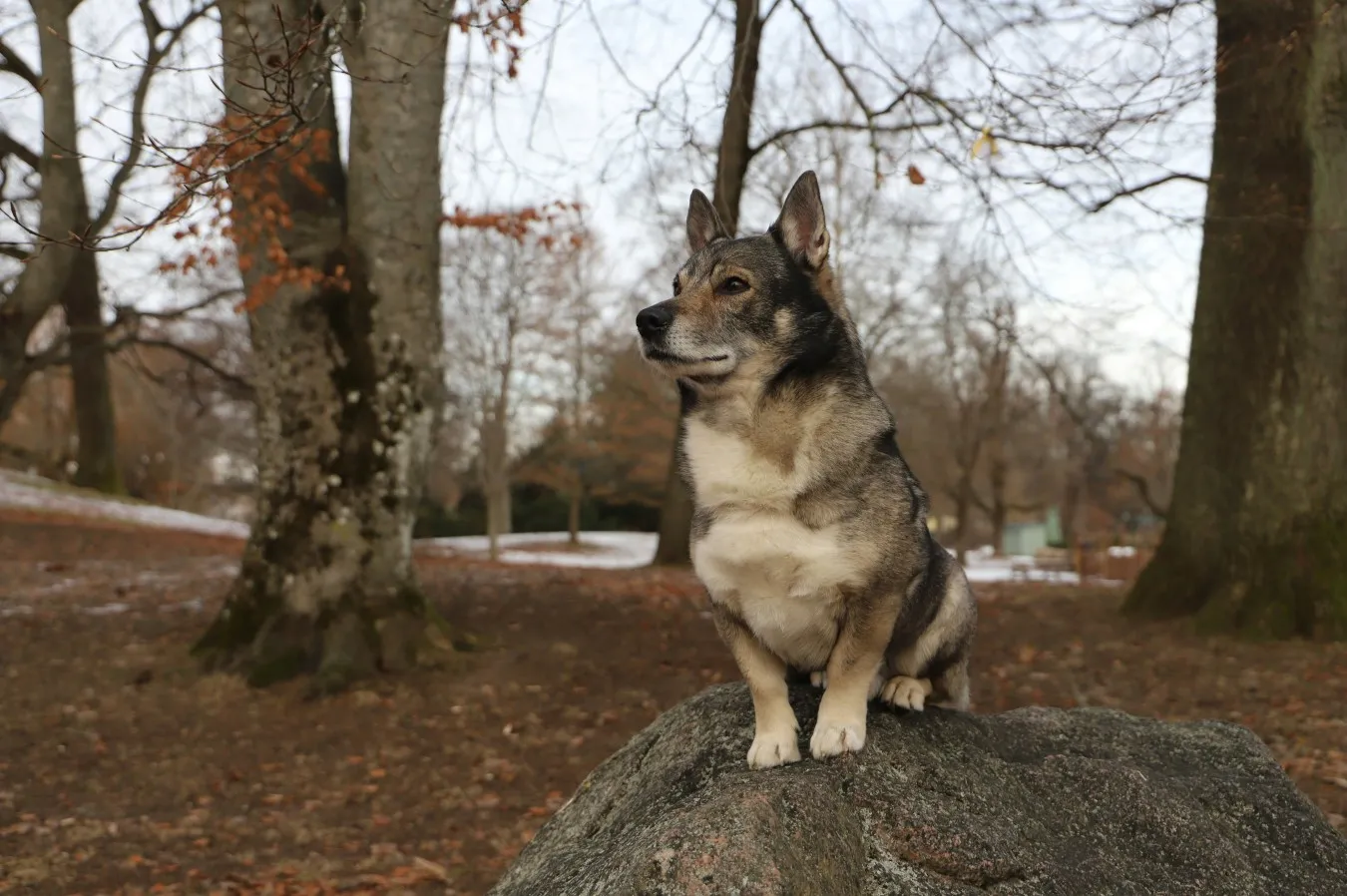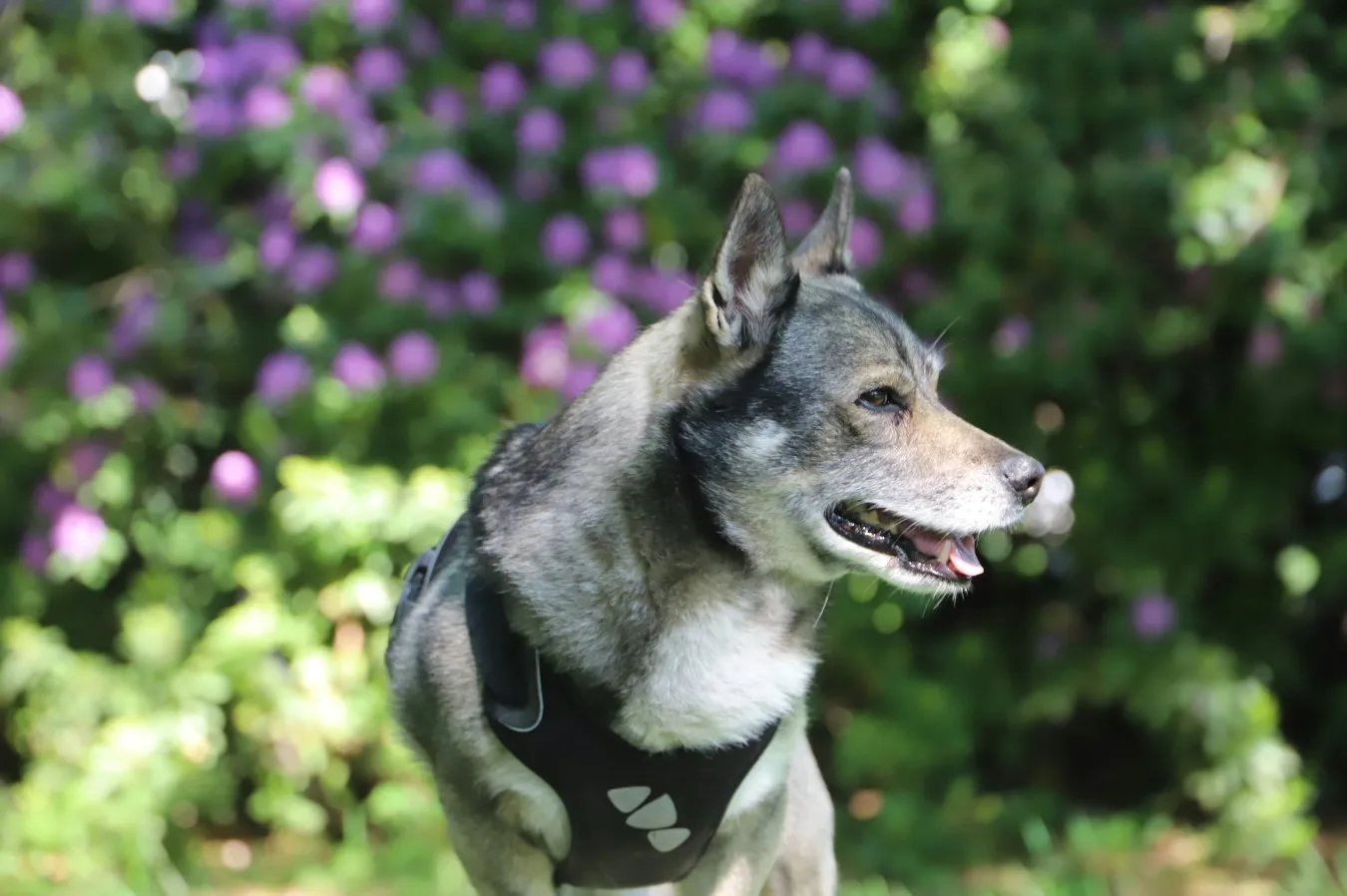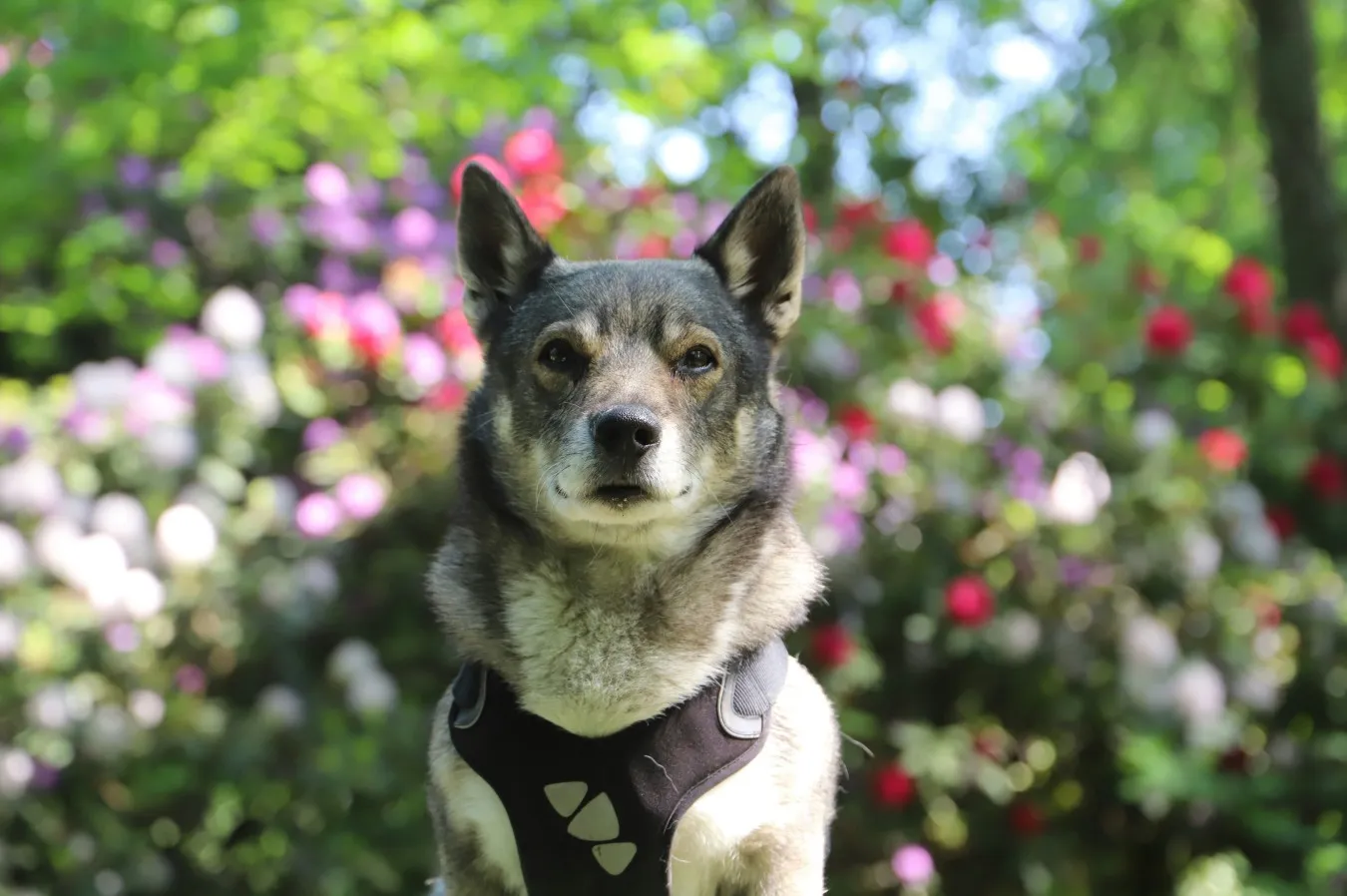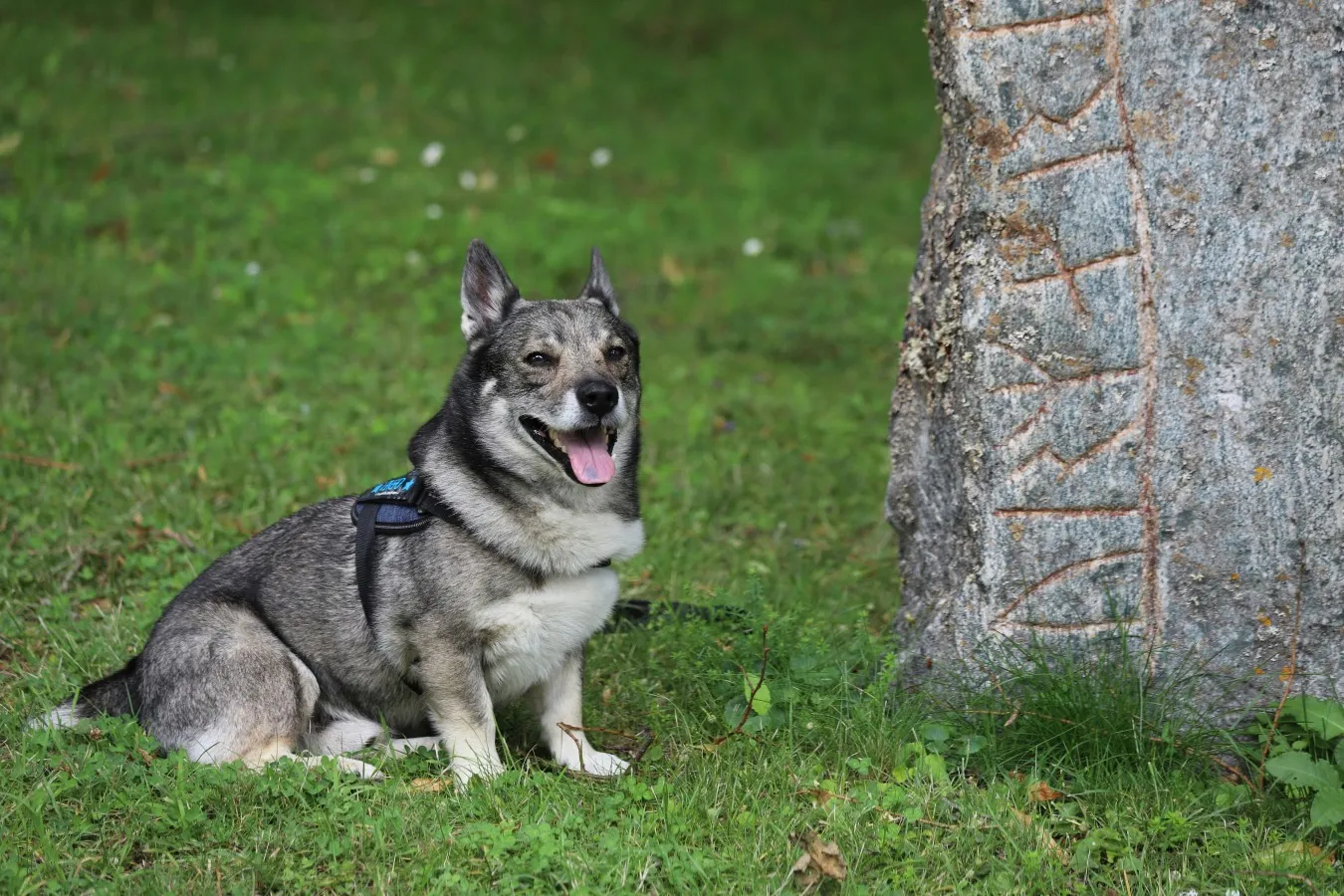
Swedish Vallhund - MAIN HUB
BREED GROUP
Spitz Dogs
Country of origin
Sweden
BREED SIZE
Medium
BREED HEIGHT
12 -
14 IN
30 -
36 cm
BREED WEIGHT
20 -
35 LB
9 -
16 KG
WHAT YOU NEED TO KNOW
american kennel club (AKC) recognition
Yes
Breed was recognized in 2007.

International Canine Federation (FCI) recognition
Yes
Breed was recognized in 1954.
WHAT DO OWNERS WANT TO KNOW?
Are Swedish Vallhunds good family dogs?
Very Good
8 out of 10
The Swedish Vallhund is an excellent family dog for active households, as they are affectionate, loyal, and thrive on regular interaction with their owners. Their intelligence and eagerness to please make them highly trainable companions, though they do require consistent physical and mental stimulation to stay happy and well-behaved.
Are Swedish Vallhunds good with kids?
Great
8 out of 10
Swedish Vallhunds are generally excellent with children, known for their playful sense of humor and patient nature. While they make sturdy and devoted playmates, their strong herding instinct may lead them to nip at heels, so consistent training and supervision are recommended. They thrive in active families where they are socialized early to respect boundaries and handle various household activities.
Are Swedish Vallhunds good dogs for first time owners?
Not Recommended
2 out of 10
They are often recommended for owners with at least some experience due to their complex herding and vocal behaviors.
Are Swedish Vallhunds good apartment dogs?
Good
6 out of 10
Swedish Vallhunds can adapt to apartment living if their high exercise and mental stimulation needs are met, though their vocal nature and energetic spirit can be challenging. While small, they are active herding dogs that require dedicated daily walks and training to prevent boredom and excessive barking. Owners must be committed to an active lifestyle to ensure these spirited companions thrive in smaller living environments.
Do Swedish Vallhunds need a yard?
Highly Recommended
8 out of 10
A yard is not strictly required for a Swedish Vallhund, as they can adapt to apartment living if provided with sufficient daily walks and mental stimulation. However, a securely fenced yard is highly recommended to accommodate their high energy levels and natural herding instincts, providing a safe space for them to run and play.
Can Swedish Vallhunds be left at home alone?
Fair
4 out of 10
Swedish Vallhunds are highly social shadows that thrive on human interaction and can develop separation anxiety if left alone for extended periods. While they can be trained to tolerate moderate absences of four to five hours through gradual desensitization, they are best suited for households where someone is present most of the day. Without sufficient companionship and mental engagement, they may become vocal or exhibit destructive behaviors.
Do Swedish Vallhunds tolerate cats well?
Great
8 out of 10
Swedish Vallhunds generally coexist well with cats, particularly when introduced early in life. While their strong herding instinct may occasionally prompt them to chase or nip at feline housemates, they are typically friendly and adaptable, making them suitable for multi-pet households with proper socialization and supervision.
Are Swedish Vallhunds known to be aggressive?
Protective
3 out of 10
Swedish Vallhunds are not typically aggressive and are known for their friendly, confident, and outgoing personalities. While they are loyal and protective watchdogs that will alert owners to strangers with loud, unique vocalizations, they are generally welcoming once properly introduced. Any nipping behavior usually stems from their strong natural herding instinct rather than malice. Early socialization and consistent training are essential to ensure their alert nature remains appropriate and does not develop into shyness or reactivity.
Do Swedish Vallhunds have a lot of energy?
Very High
9 out of 10
Swedish Vallhunds are high-energy herding dogs that require substantial daily physical activity and mental stimulation to stay healthy and well-behaved. Originally bred for farm work, they possess a rugged zest for life and thrive when given a job to do. Without an outlet for their boundless energy, such as long walks, interactive play, or dog sports like agility, they may develop unwanted behaviors like excessive barking or destructive chewing.
How much exercise do Swedish Vallhunds need?
60+ min a day
8 out of 10
Swedish Vallhunds are high-energy herding dogs that typically require 1 to 2 hours of daily physical activity to stay healthy and content. This exercise should include brisk walks, jogging, or interactive play like fetch, combined with mental challenges such as obedience training, agility, or scent games to satisfy their intelligent and working nature. Without sufficient outlets for their boundless energy, they may develop unwanted behaviors like excessive barking or destructive chewing.
Do Swedish Vallhunds tolerate hot weather well?
Fair
4 out of 10
Swedish Vallhunds are sensitive to hot weather because their thick double coats are designed for cold climates, making them prone to overheating and exhaustion. Owners should provide constant access to shade and fresh water, and limit vigorous exercise to the cooler morning or evening hours to keep them safe and comfortable.
Are Swedish Vallhunds good with cold weather?
Fair
4 out of 10
Swedish Vallhunds are sensitive to hot weather because their thick double coats are designed for cold climates, making them prone to overheating and exhaustion. Owners should provide constant access to shade and fresh water, and limit vigorous exercise to the cooler morning or evening hours to keep them safe and comfortable.
Are Swedish Vallhunds sometimes banned from rentals?
Rarely Banned
8 out of 10
Swedish Vallhunds are rarely subject to breed bans, as they are not typically classified as aggressive or restricted breeds. Their compact size usually falls well within common apartment weight limits. However, their vocal nature and high energy levels may lead to noise complaints if not properly managed, so owners should always verify individual landlord policies regarding barking and activity requirements.


WHAT DO OWNERS WANT TO KNOW?