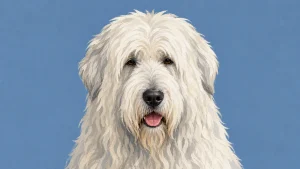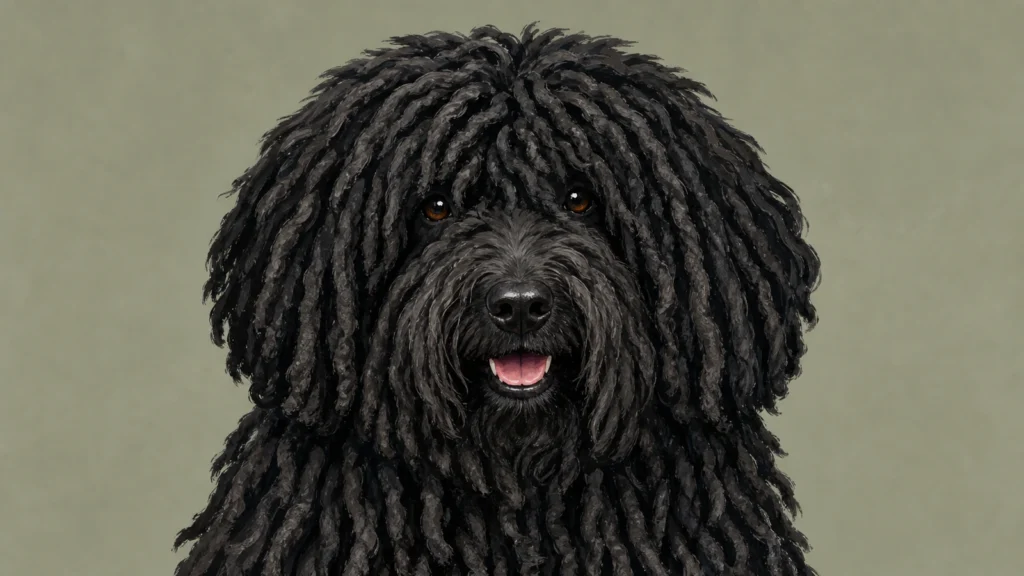
Puli
Breed Group
Herding Dogs
Country of Origin
Hungary
Breed Size
Medium
AKC Recognition
Yes, recognized in 1936
FCI Recognition
Yes, recognized in 1954
Family dog
Very Good8 / 10
Good with kids
Good8 / 10
First-time owner
Not Recommended1 / 10
Apartment dog
Good9 / 10
Yard need
Average5 / 10
Can be left alone
Poor2 / 10
What Do Owners Want to Know?
Are Puli good family dogs?
The Puli is an excellent companion for active families due to its loyal, intelligent, and energetic nature. While devoted to their owners, their strong herding instincts may lead to heel-nipping, and they require significant mental and physical stimulation to prevent boredom. Additionally, prospective families should be prepared for the intensive grooming needed to maintain their unique corded coat.
Family dog: 8 / 10
Are Puli good with kids?
Pulis are generally excellent with children, known for their playful, gentle, and affectionate nature. They form deep bonds with family members and often act as dedicated playmates. However, because of their strong herding instincts, they may attempt to herd children by nipping at their heels, so early socialization, consistent training, and supervision are essential to ensure safe and positive interactions.
Good with kids: 8 / 10
Are Puli good for first-time owners?
Pulis are generally not recommended for first-time owners due to their high intelligence, independent streak, and stubborn nature, which requires a firm and consistent training approach. Additionally, their unique corded coat demands a significant, specialized grooming commitment that can be overwhelming for novices. Successful ownership requires a dedicated individual prepared to provide substantial mental and physical stimulation to manage this spirited herding breed.
First-time owner: 1 / 10
Are Puli good apartment dogs?
They are generally considered excellent apartment dogs due to their medium size and adaptability, provided exercise needs are met.
Apartment dog: 9 / 10
Do Puli need a yard?
A yard is not strictly required for a Puli if owners provide significant daily physical and mental stimulation through walks and play. However, a securely fenced yard is highly recommended for this energetic herding breed to safely burn off energy and satisfy their natural athletic instincts.
Yard need: 5 / 10
Can Puli be left alone?
Pulis are loyal, intelligent companions that can typically manage being left alone for moderate periods if they have been well-exercised beforehand. However, they thrive on human interaction and mental stimulation, so prolonged isolation may lead to boredom and restlessness. They are best suited for active owners who can ensure they remain engaged and are not left solitary for extended parts of the day.
Can be left alone: 2 / 10
Are Puli good with cats?
Pulis generally coexist well with cats, especially when socialized from a young age. Their affectionate and intelligent nature helps them form strong bonds with other household pets. However, because of their deep-rooted herding instincts, they may occasionally attempt to herd feline companions. To ensure a peaceful multi-pet household, introductions should be slow, supervised, and accompanied by consistent training.
Good with cats: 9 / 10
Are Puli aggressive?
Pulis are not naturally aggressive; they are loyal, affectionate, and deeply devoted to their families. While they can be wary or suspicious of strangers and may bark to alert their owners, any aggressive behavior is usually a result of poor socialization or a lack of mental and physical stimulation. Early exposure to different people and environments, combined with consistent training, ensures they remain well-mannered companions.
Aggression tendency: 3 / 10
Are Puli high-energy dogs?
Pulis are exceptionally high-energy herding dogs that require significant daily physical and mental stimulation to thrive. These agile companions need at least one to two hours of vigorous activity, such as long walks, hiking, or agility training, to prevent boredom and restlessness. Providing a job or puzzle toys is essential to satisfy their intelligent and spirited nature.
Energy level: 9 / 10
How much exercise does a Puli need?
Pulis are high-energy dogs that require at least one to two hours of daily exercise to remain healthy and happy. This should include long walks, hiking, or off-leash play in a secure area. Because they are exceptionally intelligent, they also need significant mental stimulation through activities like agility, herding trials, puzzle toys, and trick training to prevent boredom and destructive behaviors. Owners must be cautious in hot weather, as their dense corded coats can lead to overheating.
Exercise need: 9 / 10
Can Puli live in hot weather?
Pulis are well-suited to all climates and can thrive in hot weather, provided they are managed carefully. Their unique corded coat can buffer sun exposure, but the heavy cords also have the potential to trap heat and cause overheating. Owners should provide ample shade and fresh water, and avoid intense exercise during the hottest parts of the day to ensure their safety and comfort.
Hot weather tolerance: 4 / 10
Can Puli live in cold weather?
Pulis are well-suited for cold weather thanks to their dense, weather-resistant corded coats, which were historically developed to protect them from the extreme climates of the Hungarian plains. While their unique double coat provides excellent insulation against the cold, owners should still avoid leaving them outdoors for prolonged periods during freezing temperatures to ensure their safety.
Cold weather tolerance: 9 / 10
Are Puli banned in apartments or rentals?
Pulis are rarely subject to breed bans as they are medium-sized dogs not typically classified on aggressive breed lists. However, their vocal nature and high energy may lead to individual landlord concerns regarding noise or activity levels. Prospective owners should always confirm specific rental policies regarding herding breeds and prepare a pet resume to demonstrate their dog's training and temperament.
Rental restriction risk: 6 / 10
Vet Insights
Pulis are generally a healthy and hardy breed, but as a veterinarian, I focus on several hereditary conditions that can impact their quality of life. They are predisposed to hip dysplasia and patellar luxation, making weight management and joint supplements essential to prevent early-onset arthritis. Progressive Retinal Atrophy (PRA) is a known concern, so I recommend regular eye examinations to monitor for vision loss. Additionally, their iconic corded coat requires a massive commitment to hygiene; if not dried thoroughly after bathing, the cords can trap moisture, leading to skin infections or mildew. Early socialization is also critical to manage their natural wariness of strangers and strong herding instincts.