Puli Health and Costs
Breed Group
Herding Dogs
Country of Origin
Hungary
Breed Size
Medium
AKC Recognition
Yes, recognized in 1936
FCI Recognition
Yes, recognized in 1954
Rarity
Fairly Common4 / 10
Purchase cost
Moderate6 / 10
Life expectancy
Long Lifespan6 / 10
Health
Generally healthy7 / 10
Health problem risk
Mild health concerns3 / 10
Maintenance cost
High maintenance cost7 / 10
A Veterinarian's Guide
Puli Health Problems and Costs
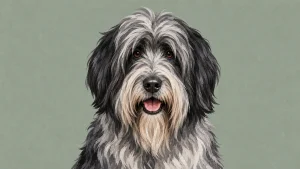
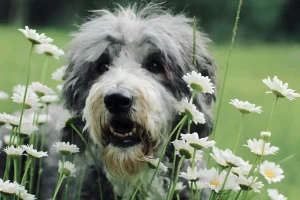
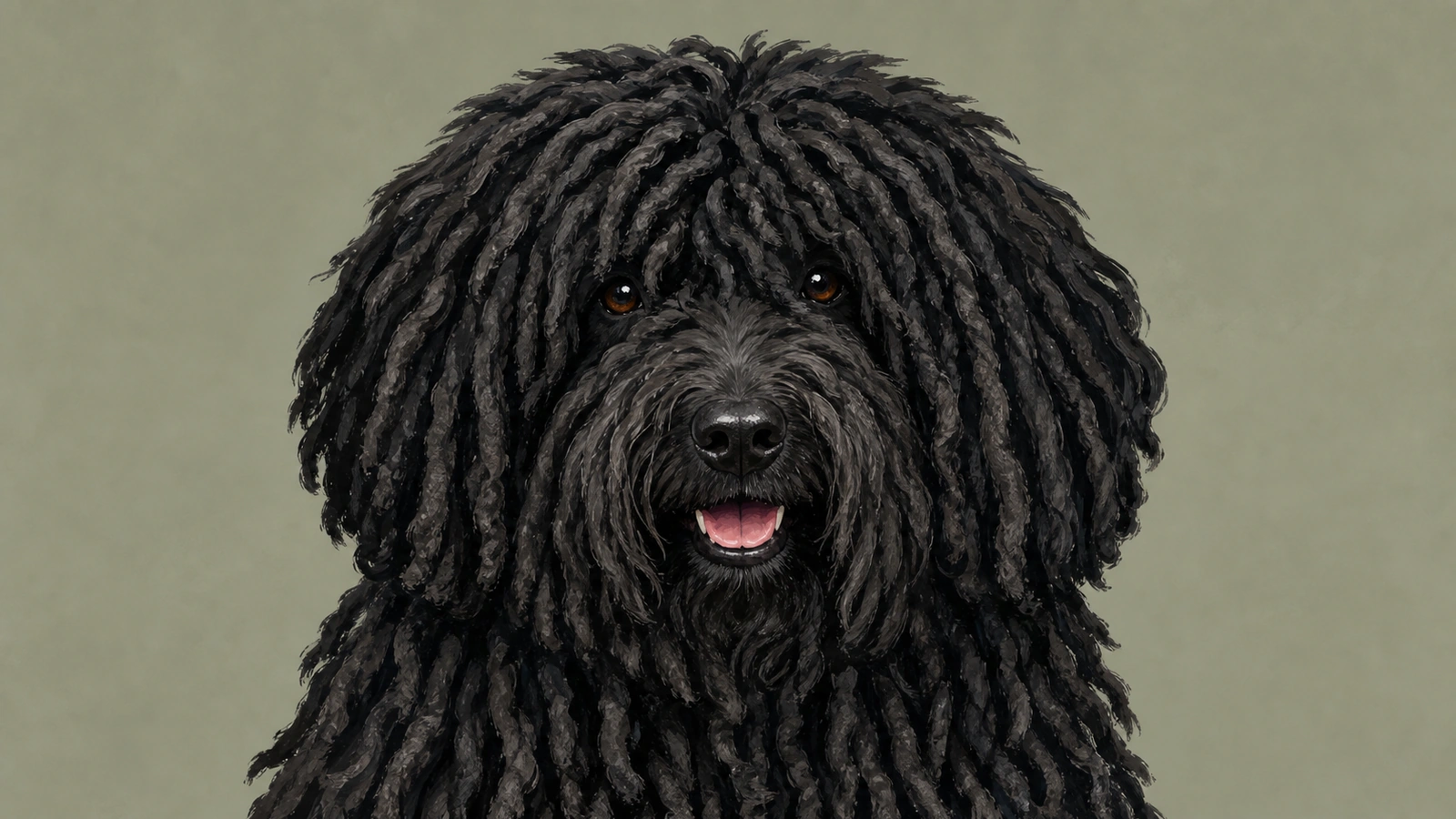
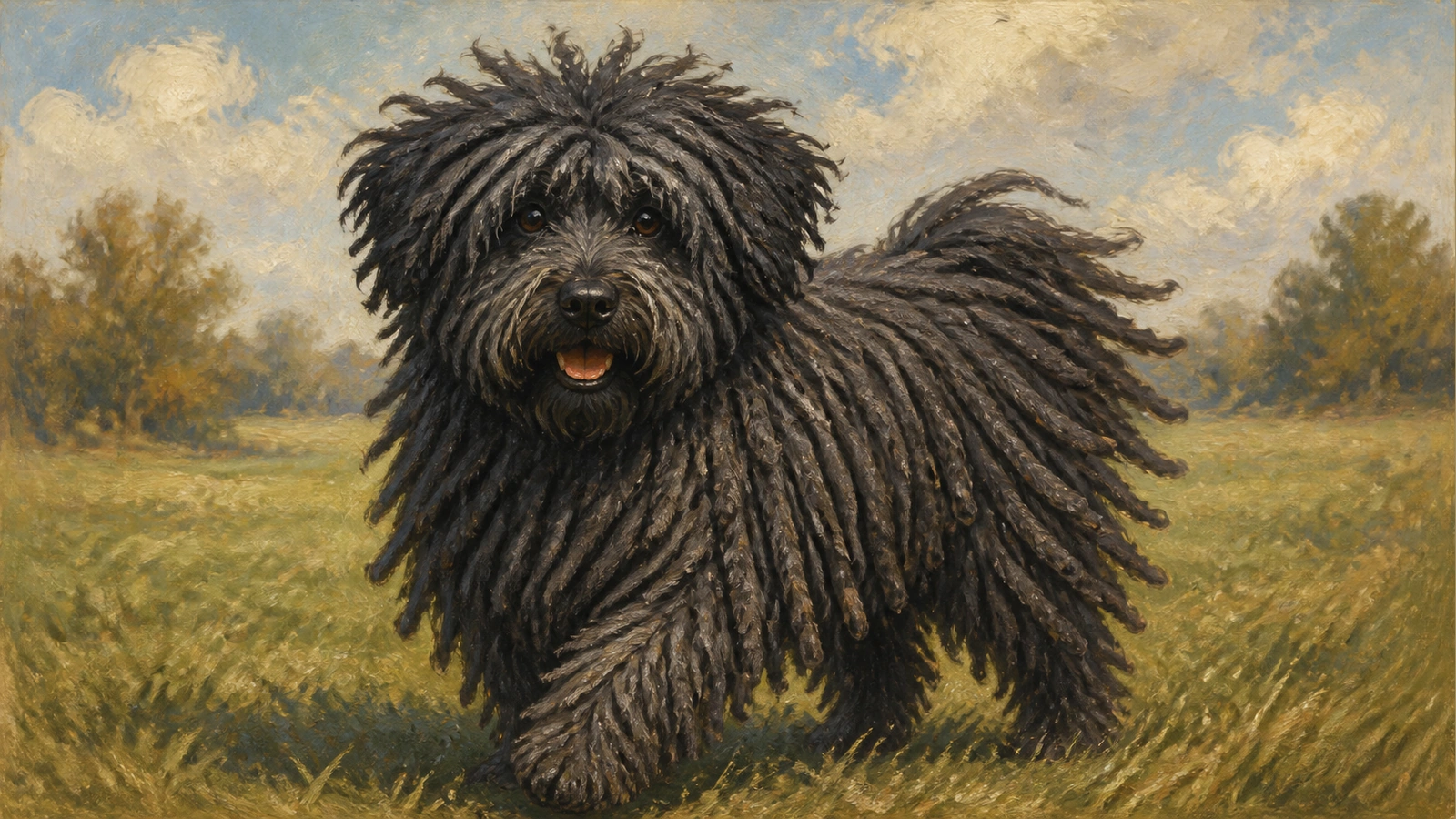
The Puli is best known for its corded coat, but underneath it is a hardy Hungarian herding dog built for long days of moving sheep. It is generally healthy, and a short list of problems repeats in the breed: hips, kneecaps, eyes, a spinal cord disorder, and skin trouble under the cords. Knowing them before you bring a puppy home, or while you already share your life with one, makes screening and coat care much easier to plan.
In this guide
Why Do Hips and Knees Need Regular Screening?
Hip dysplasia, an inherited malformation of the hip joint that leads to a loose joint, pain, and arthritis over time, is the Puli's best-known inherited joint concern. Patellar luxation, a kneecap that slips out of its normal groove, also occurs in the breed, and a skipping or hopping step on one hind leg is a common sign. An energetic herding dog can hide early discomfort simply by staying busy, so watching it move around the yard is not a reliable screen.
That is why the breed club recommends hip and patella evaluations for breeding dogs, ideally done by a veterinarian who can grade the joints formally. Weight management protects joints that may already carry some structural risk, and a lean body condition is one of the few risk factors an owner fully controls. A hands-on check is worth doing too, because a thick coat can hide extra weight.
What Eye and Spinal Cord Conditions Can Affect the Breed?
Progressive retinal atrophy, or PRA, is an inherited breakdown of the retina's light-sensing cells. Atrophy comes from the Greek for "without nourishment." Difficulty seeing in the dark is often the first sign, and there is currently no effective treatment. Dogs usually adapt well to gradual vision loss in a familiar home, so owners are often surprised how late it is noticed, and a formal exam by a veterinary ophthalmologist is the dependable way to track it. The breed club lists an ophthalmologist evaluation among its recommended tests.
Degenerative myelopathy is a spinal cord disorder that begins with weakness in the hind legs and can progress to paralysis. There is no cure, but a DNA test exists, and the breed club recommends it for breeding dogs so that affected dogs are not bred.
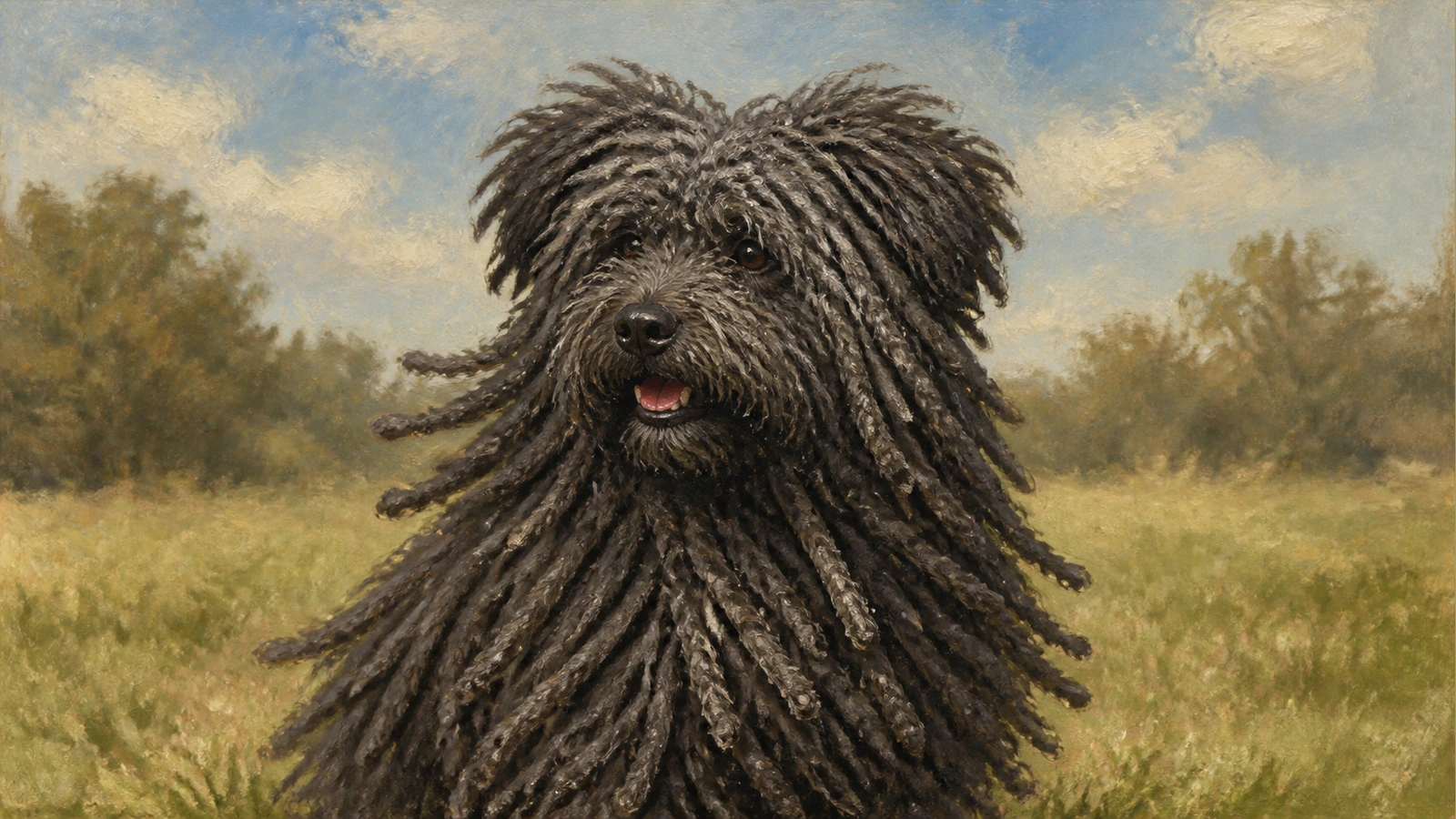
Why Does the Corded Coat Create a Real Skin Risk?
Never leave a Puli's cords damp. After every bath or swim, squeeze out the water and dry the coat completely with a fan or blow dryer, because moisture trapped against the skin can lead to mildew and skin infection.
The cords form as the double coat clumps and is separated into ropes, and they must be dried thoroughly after any wet activity. Bacteria and mildew thrive in a damp cord, and the cords hide the skin from casual view, so a problem can go unnoticed for a while. This is one of the few breeds where an inconsistent grooming routine causes a real medical problem rather than only a cosmetic one. Bathing and drying a fully corded adult can take an entire day.
- 01
Foul or musty smell
An odor from the coat that returns soon after drying.
- 02
Red or inflamed skin
Redness, sores, or crusts when you part the cords.
- 03
Constant scratching or licking
Itching that keeps your dog from settling.
- 04
Damp or heavy cords
Cords that stay wet long after a bath or swim.
Separating the cords by hand, especially near the skin, and drying carefully after every wet outing prevent most coat-related skin problems. Many pet owners instead keep the coat clipped short, which trades the breed's iconic look for much simpler care and carries no health downside.
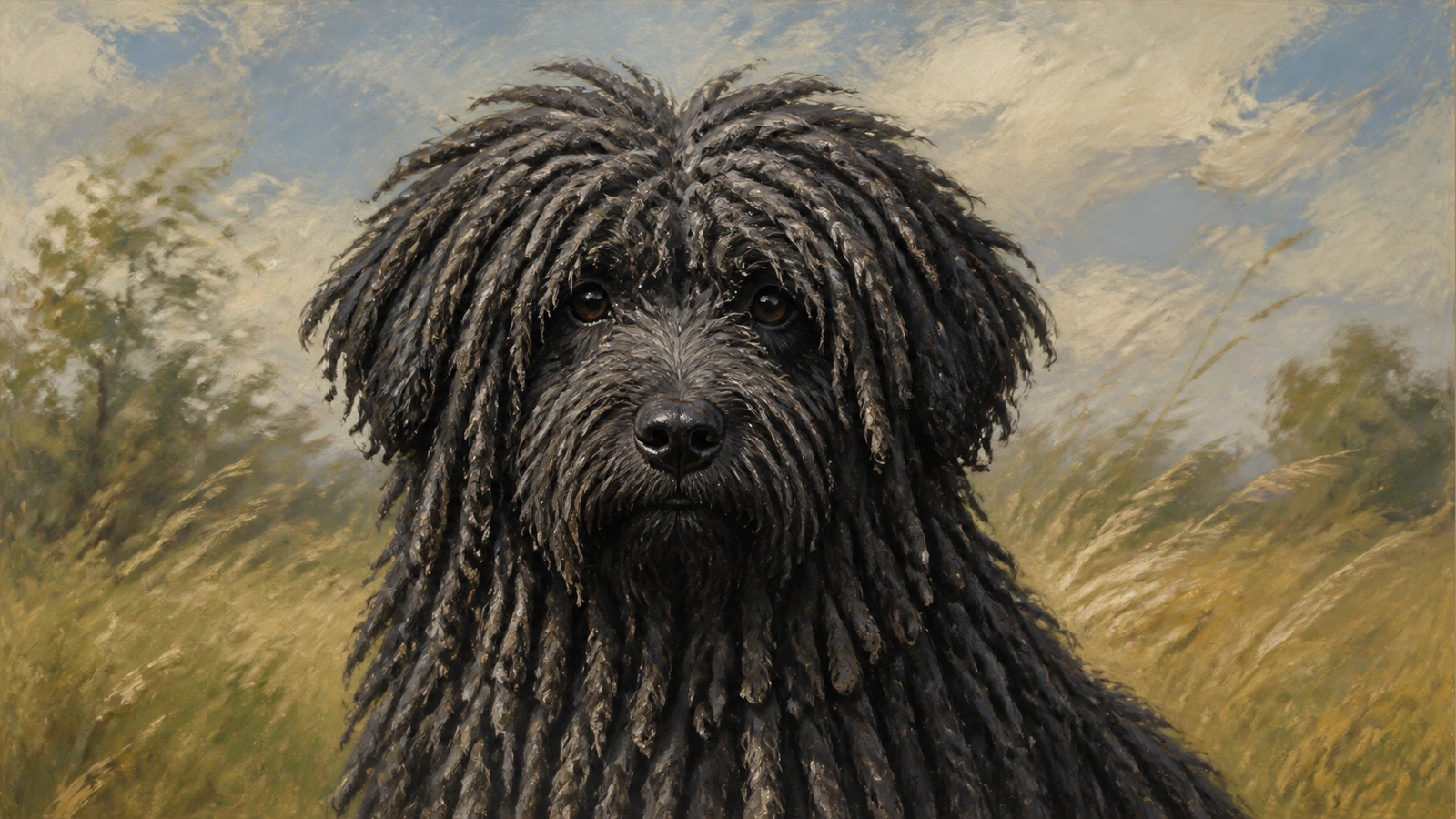
What Does Managing a Puli's Health Actually Cost?
| Condition or Need | Typical Cost Range | Notes |
|---|---|---|
| Hip radiographs (certified) | $250 to $450 | Before breeding, ideally |
| Patellar luxation surgery | $1,500 to $3,000 per knee | Moderate to severe grades |
| Annual eye exam | $75 to $200 | Starting in early adulthood |
| Skin infection treatment | $100 to $400 per episode | More with a specialist workup |
Questions to Ask a Breeder Before Buying a Puppy
Ask for hip, patella, and eye results for both parents, plus the DNA result for degenerative myelopathy, since those are the tests the breed club recommends. It also helps to ask how the breeder manages coat care in their own adult dogs, because corded coat maintenance takes real, ongoing time.
Meeting an adult Puli in person is worth the effort, ideally one with its coat kept the way you intend to keep your own dog's. Photos alone rarely convey how much daily maintenance a full set of cords requires.
Daily Life With a Puli
This is an intelligent, agile herding dog with real energy and a strong instinct to round things up. That can mean trying to herd children or small animals, which is why early socialization and consistent training matter, and the personality profile explains the loyalty and wariness of strangers that come with it. Plan on at least an hour of activity a day, since a bored Puli may invent its own jobs and bark a lot.
The coat does not shed much, but it picks up debris outdoors, and our grooming guide covers cord care in detail. The dense coat can also cause overheating in hot weather, so provide shade and fresh water, and check the ears regularly, handling the cords near the ears gently.
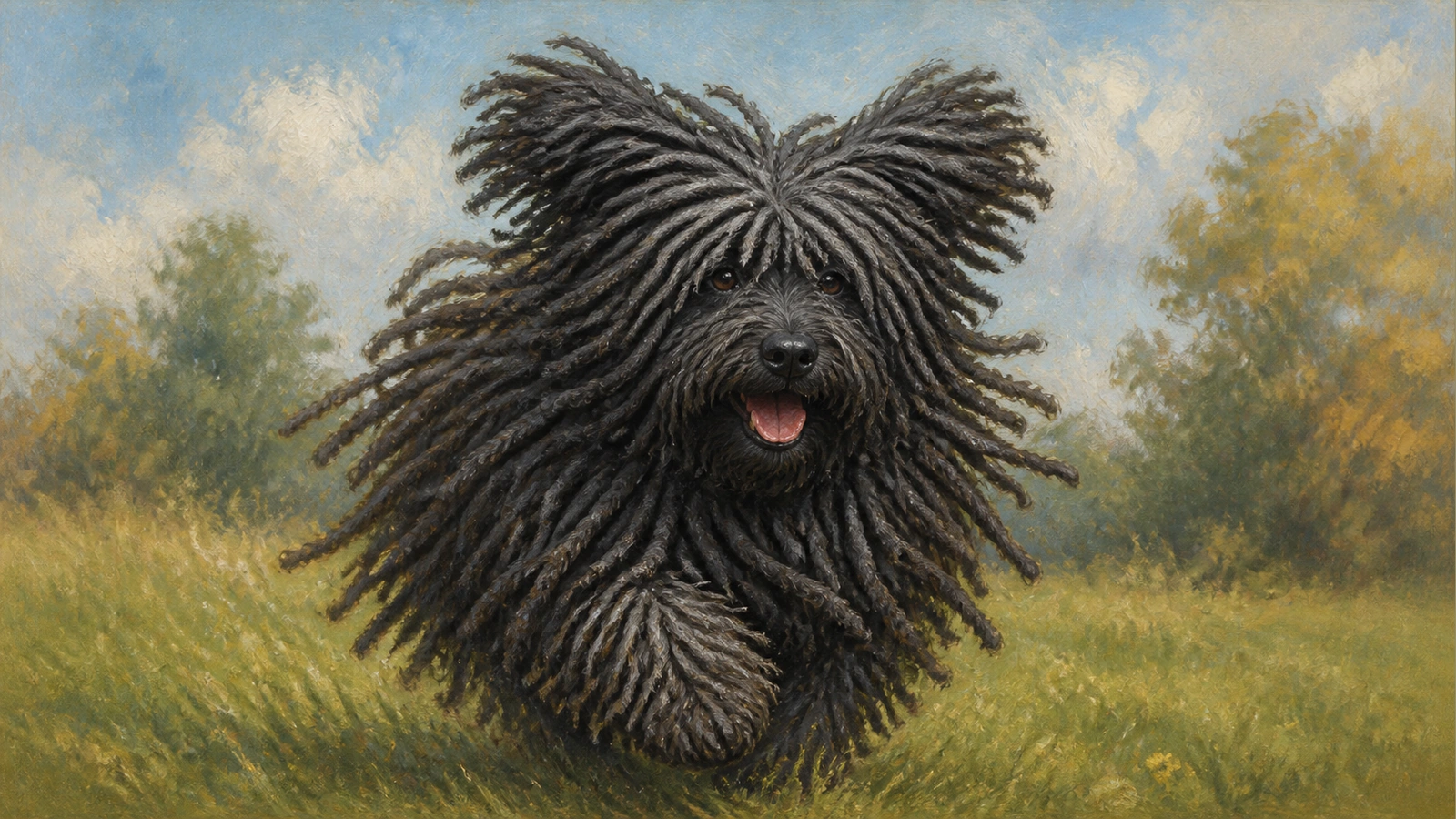
Keeping Your Puli Healthy for the Long Run
Schedule hip and patella evaluations, annual eye exams, and DNA testing for breeding dogs. Dry the coat completely after every bath or swim, and look at the skin under the cords regularly for redness, odor, or irritation. Pet insurance is worth pricing while your dog is young and healthy.
Final Thoughts From a Veterinarian
Pulis usually live around 10 to 15 years and cost about $130 to $340 a month. Keep the cords completely dry, check the skin beneath them, and schedule hip, knee, eye and DNA screening. Your veterinarian can tailor the plan.
Health & Costs FAQ
How much do Puli cost?
Puppy prices from reputable breeders vary by region and line. Beyond the purchase price, budget for supplies and for the ongoing cost of coat care, which is the main expense that sets this breed apart.
Purchase cost: 6 / 10
How long do Puli live?
Pulis typically live about 10 to 15 years, depending on the source. A lean weight, regular exercise, dental care, and routine veterinary checkups help them stay active into their senior years.
Life expectancy: 6 / 10
Are Puli healthy dogs?
Pulis are generally healthy, hardy herding dogs, but they are not problem-free. Hip dysplasia, patellar luxation, progressive retinal atrophy, and degenerative myelopathy are the conditions breeders screen for, and the corded coat can cause skin trouble if it stays damp. Screening and regular checkups help catch problems early.
Health: 7 / 10
What health problems do Puli have?
Pulis can develop hip dysplasia, patellar luxation (a kneecap that slips out of place), progressive retinal atrophy, and degenerative myelopathy, a spinal cord disorder. The corded coat can also hide skin infections if it is not dried thoroughly. Screening, a lean weight, and regular skin checks help limit problems.
Health problem risk: 3 / 10
Are Puli expensive to maintain?
Pulis have high maintenance needs because of the corded coat, which takes daily attention and can take hours to dry after a bath. Many owners pay for professional grooming, while others clip the coat short to simplify care. Budget as well for screening of hips, knees, and eyes, and for treatment if skin or joint problems appear.
Maintenance cost: 7 / 10
How much does it cost to own a Puli per month?
Expect roughly $130 to $340 per month to own a Puli, depending on food, region, insurance, and how much grooming you pay for. This covers high-quality food, routine veterinary care, and pet insurance. Professional coat care is the largest variable, so owners who groom at home may land at the lower end.
Monthly ownership cost: 4 / 10
How much does pet insurance cost for a Puli?
Pet insurance for a Puli typically costs between $35 and $60 per month, depending on age, location, and coverage. Premiums are often lower for generally healthy medium-sized breeds, but it is still worth pricing a plan while your dog is young, since joint and eye problems can add up.
Pet insurance cost: 3 / 10
Will homeowners insurance cover a Puli?
Yes, most homeowners insurance policies cover Pulis because they are rarely found on insurance restricted breed lists. While generally covered, it is essential to inform your insurance provider about your dog to ensure your liability coverage remains valid and covers any breed-specific needs or incidents.
Homeowners insurance difficulty: 9 / 10
Are Puli on insurance restricted breed lists?
No, Pulis are not typically found on insurance restricted-breed lists. Most providers categorize them as low-risk due to their medium size and generally non-aggressive nature. While they are usually covered under standard policies, always disclose your pet to your insurer to ensure valid liability coverage.
Insurance restriction risk: 2 / 10
Can you get renters insurance with a Puli?
Yes, you can typically obtain renters insurance with a Puli. They are generally not included on restricted breed lists, so most policies provide liability coverage for them. However, always disclose your pet to your insurer and verify your lease for any specific building-related pet policies.
Renters insurance difficulty: 8 / 10