Japanese Chin Health and Costs
Breed Group
Toy Dogs
Country of Origin
Japan
Breed Size
Toy
AKC Recognition
Yes, recognized in 1888
FCI Recognition
Yes, recognized in 1957
Rarity
Common3 / 10
Purchase cost
Moderate to Expensive6 / 10
Life expectancy
Moderate Lifespan5 / 10
Health
Moderate health concerns4 / 10
Health problem risk
High health burden7 / 10
Maintenance cost
Moderate upkeep cost4 / 10
A Veterinarian's Guide
Japanese Chin Health Problems and Costs
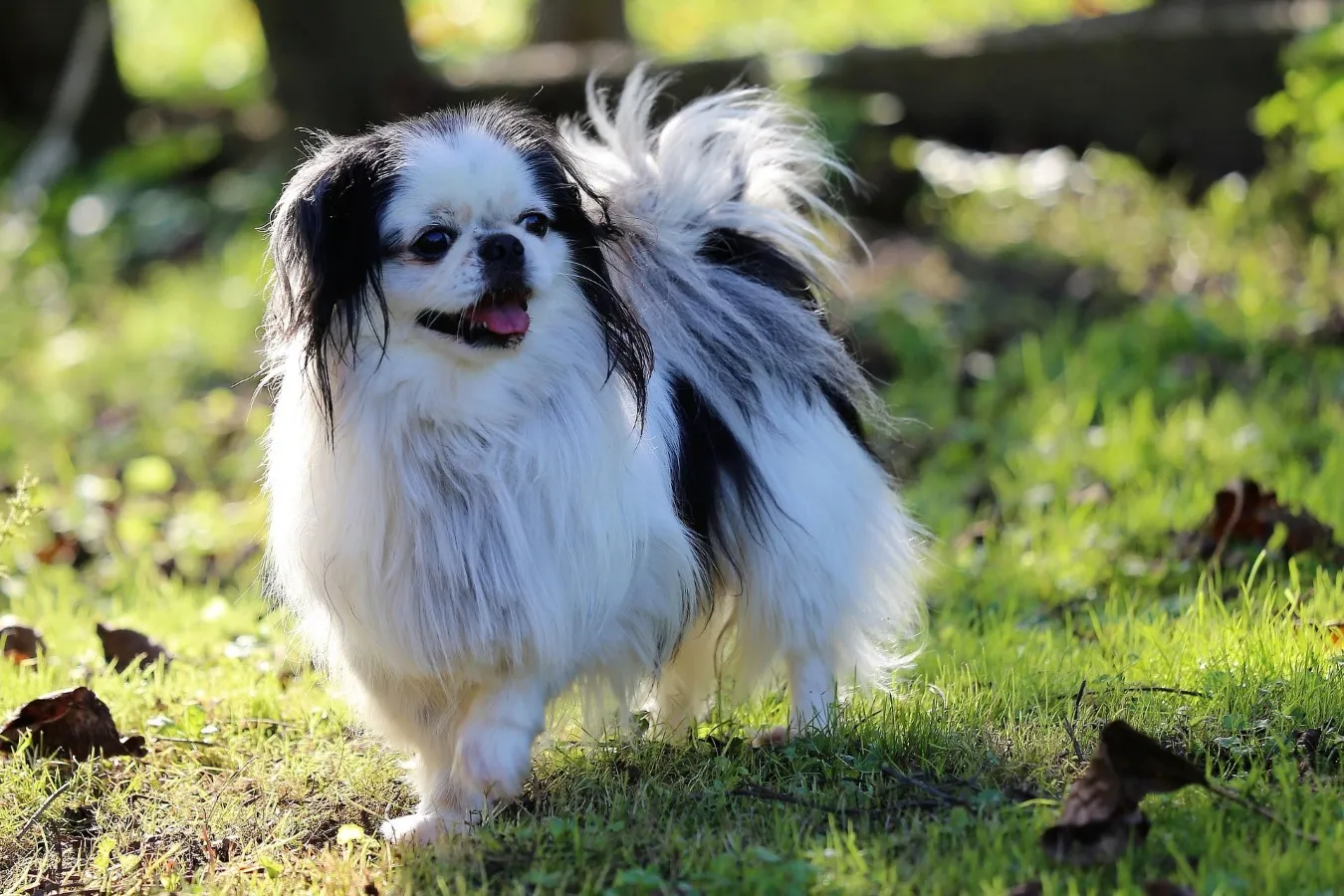
The Japanese Chin is an elegant, affectionate toy dog with a flat, expressive face. That same face shapes most of its health questions: breathing, heat, and the eyes, along with an inherited nerve disease called GM2 gangliosidosis, heart valve changes and kneecap problems. Knowing them before you bring a puppy home, or while you already share your life with one, makes breeder questions and vet visits much easier to plan.
In this guide
Why Are Breathing and Heat Such a Concern for This Breed?
Blue or gray gums, collapse, or struggling to breathe, especially in warm weather, needs urgent veterinary care. Do not wait to see whether it passes.
Brachycephalic obstructive airway syndrome, or BOAS, is a group of airway changes seen in flat-faced dogs: narrow nostrils, a soft palate that is too long, and a smaller windpipe. Together they make every breath harder work. In a 2026 study of fourteen flat-faced breeds, only about 17 percent of the 46 Japanese Chins examined had normal breathing, one of the highest rates of airway obstruction in the study.

Typical signs include loud snoring, snorting, noisy breathing that worsens with excitement or exercise, gagging and tiring quickly. The University of Florida small animal hospital notes that these dogs struggle to cool themselves by panting, so heat, humidity and stress carry real risk. Keep a Chin cool, limit exercise to the cooler parts of the day, and keep weight lean, because extra weight makes breathing harder. Surgery may be considered in more severe cases, and your veterinarian can tell you whether it would help your dog.
What Is GM2 Gangliosidosis?
GM2 gangliosidosis is a rare inherited nerve disease in which a missing enzyme lets fatty material build up in nerve cells. Puppies look normal at first. Signs such as dullness, poor response to commands and unsteady, high-stepping movement usually begin at around one to one and a half years of age and then worsen, and there is no known cure.
It is inherited as a recessive trait, so a puppy is affected only when it receives the faulty gene from both parents. A DNA test is available, and OFA recommends testing Japanese Chin breeding dogs. A carrier bred to a dog that tests clear should not produce affected puppies, which is why testing, not guesswork, should guide every breeding decision.
What Heart, Knee and Dental Problems Should Owners Watch For?
Many small dogs develop heart disease with age, and Japanese Chins are prone to a leaking mitral valve, the valve between two chambers of the heart. It is often first noticed as a murmur during a routine exam, long before a dog shows any sign, which is why a yearly listen to the heart is worthwhile. Coughing, tiring quickly or unusual lethargy are reasons to book a visit.
Patellar luxation, in which the kneecap slips out of its groove, is also seen in the breed. It ranges from an occasional skip in the stride to constant lameness that needs surgery. Small mouths often crowd the teeth too, which makes daily brushing and regular dental checks sensible, and the Merck Veterinary Manual explains what good dental care involves.
Which Eye Conditions Are Common?
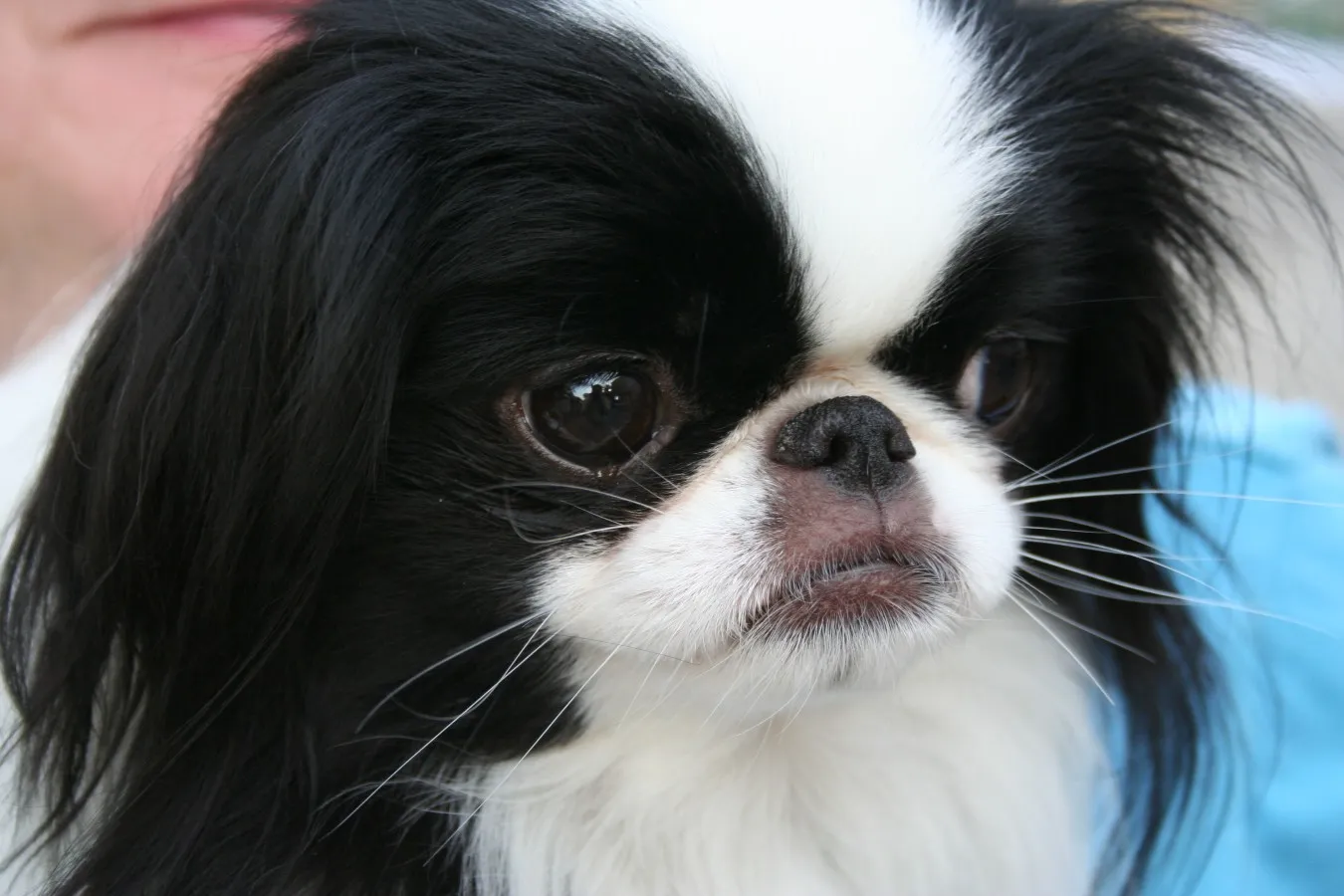
The Chin's large, prominent eyes need regular attention. Cataracts, a clouding of the lens, are often hereditary and can begin as early as age four. Entropion, where the eyelid rolls inward so the lashes rub the surface of the eye, and distichiasis, where extra eyelashes grow toward the eye, can cause irritation or ulcers. Both can usually be corrected, so redness, squinting or discharge should be checked early.
- 01
Blue or gray gums or tongue
A sign the body is not getting enough oxygen.
- 02
Collapse or fainting
Especially after heat, excitement or exercise.
- 03
Heavy panting with drooling that does not settle
Move to a cool place and call the clinic while you travel.
- 04
Sudden painful, red or cloudy eye
Squinting, pawing at the eye, or a visible change in the surface.
What Does Managing a Japanese Chin's Health Actually Cost?
| Condition or Need | Typical Cost Range | Notes |
|---|---|---|
| Routine yearly care | $250 to $500 | Exam, bloodwork, vaccines, dental care |
| Heart check | $150 to $400 | Yearly from middle age |
| Eye exam | $100 to $300 | Per visit, as advised |
| Professional dental cleaning | $300 to $1,200 | Per visit, more often without home care |
| Airway surgery | $1,500 to $4,000 | Only if breathing is significantly affected |
| Kneecap surgery | $1,500 to $3,500 | Only if the luxation is significant |
Figures vary by region and clinic, and anesthesia in a flat-faced dog needs extra care, so ask your veterinarian for an estimate. Starting pet insurance while a dog is young and healthy is worth considering, because conditions already diagnosed are usually excluded later.
Questions to Ask a Breeder Before Buying a Puppy
Ask for the parents' GM2 gangliosidosis DNA results, and for the patella, cardiac and eye evaluations the AKC lists as recommended for the Japanese Chin. Ask about the parents' breathing at rest and how open their nostrils are, since narrow nostrils are part of the airway syndrome. A breeder who cannot show results is a meaningful warning sign. Our Japanese Chin breed guide describes the breed overall.
How Does Daily Life Affect a Japanese Chin's Health?
Japanese Chins have moderate energy and do well with about 30 minutes of daily activity, such as a short walk and play in a fenced area, kept to cool hours of the day. Their personality is gentle and people-focused, so short, calm training sessions are enjoyable and do not strain the airway. Very small dogs can drop their blood sugar if they go too long without eating, so PetMD suggests three small meals a day, with treats kept to a small share of the diet.
The silky coat needs brushing once or twice a week, and our grooming guide covers the routine. Grooming time is also a good moment to wipe tear stains with a warm cloth and to check the eyes for redness, cloudiness or discharge.
What Should Owners Expect Over a Lifetime?
Japanese Chins often live 10 to 12 years. Dogs that stay lean, stay cool and are checked regularly for the heart and eye conditions above tend to do best. Yearly exams, with more frequent visits in the senior years, help catch problems while they are still easy to manage.
Final Thoughts From a Veterinarian
Japanese Chins often live 10 to 12 years. Choose a breeder who tests for GM2 gangliosidosis, protect this flat-faced breed from heat, keep weight lean, and book regular heart and eye checks. Treat blue gums, collapse, or struggling to breathe as an emergency. Your veterinarian can tailor the plan.
Health & Costs FAQ
How much do Japanese Chin cost?
The cost of a Japanese Chin typically ranges from $1,500 to $2,500 when purchased from a reputable breeder, though show-quality dogs can cost more. Adoption from a rescue is more affordable, generally between $100 and $300, covering initial medical needs like vaccinations and spaying or neutering.
Purchase cost: 6 / 10
How long do Japanese Chin live?
Japanese Chins often live 10 to 12 years. To help your Chin live a full life, keep weight lean, protect it from heat, brush the coat regularly, and keep up with veterinary checks of the heart and eyes.
Life expectancy: 5 / 10
Are Japanese Chin healthy dogs?
Japanese Chins have moderate health concerns. Their flat faces can cause breathing difficulty and heat sensitivity, and the breed is prone to heart valve changes, cataracts, eyelid problems and kneecap slipping. Regular veterinary checkups and a lean weight help manage these risks.
Health: 4 / 10
What health problems do Japanese Chin have?
Japanese Chins face several breed-specific health issues, including brachycephalic airway syndrome from their flat faces, heart valve disease, patellar luxation, and eye conditions such as cataracts and entropion. They can also inherit GM2 gangliosidosis, a rare, fatal nerve disease that DNA testing of breeding dogs helps prevent.
Health problem risk: 7 / 10
Are Japanese Chin expensive to maintain?
Japanese Chins have moderate upkeep costs. The silky coat needs brushing once or twice a week, and the flat face means extra care with heat, breathing and the eyes. Routine veterinary care, with dental and heart checks as recurring items, keeps costs manageable for most owners.
Maintenance cost: 4 / 10
How much does it cost to own a Japanese Chin per month?
Expect to spend between $100 and $280 per month to own a Japanese Chin. This estimate covers high-quality food, routine veterinary care, and professional grooming. Including pet insurance and preventative medications will push costs toward the higher end of this range for your companion.
Monthly ownership cost: 5 / 10
How much does pet insurance cost for a Japanese Chin?
Pet insurance for a Japanese Chin typically costs between $20 and $50 per month. Premiums vary with your dog's age, location and coverage level. Because the breed is prone to airway, heart and eye conditions, insurance started early is worth considering.
Pet insurance cost: 2 / 10
Will homeowners insurance cover a Japanese Chin?
Yes, most homeowners insurance policies are very likely to cover a Japanese Chin. The breed is small and is rarely found on restricted lists. Always disclose your pet to your provider to confirm your liability coverage.
Homeowners insurance difficulty: 9 / 10
Are Japanese Chin on insurance restricted breed lists?
Japanese Chins are not commonly found on insurance restricted-breed lists, which usually target larger breeds. Policies differ by company, so confirm with your insurer.
Insurance restriction risk: 2 / 10
Can you get renters insurance with a Japanese Chin?
Yes, you can typically get renters insurance with a Japanese Chin, since small toy dogs are rarely subject to breed restrictions. Always disclose your pet to your insurer and check your lease and any landlord pet rules.
Renters insurance difficulty: 8 / 10