Skip to content

Japanese Chin - MAIN HUB

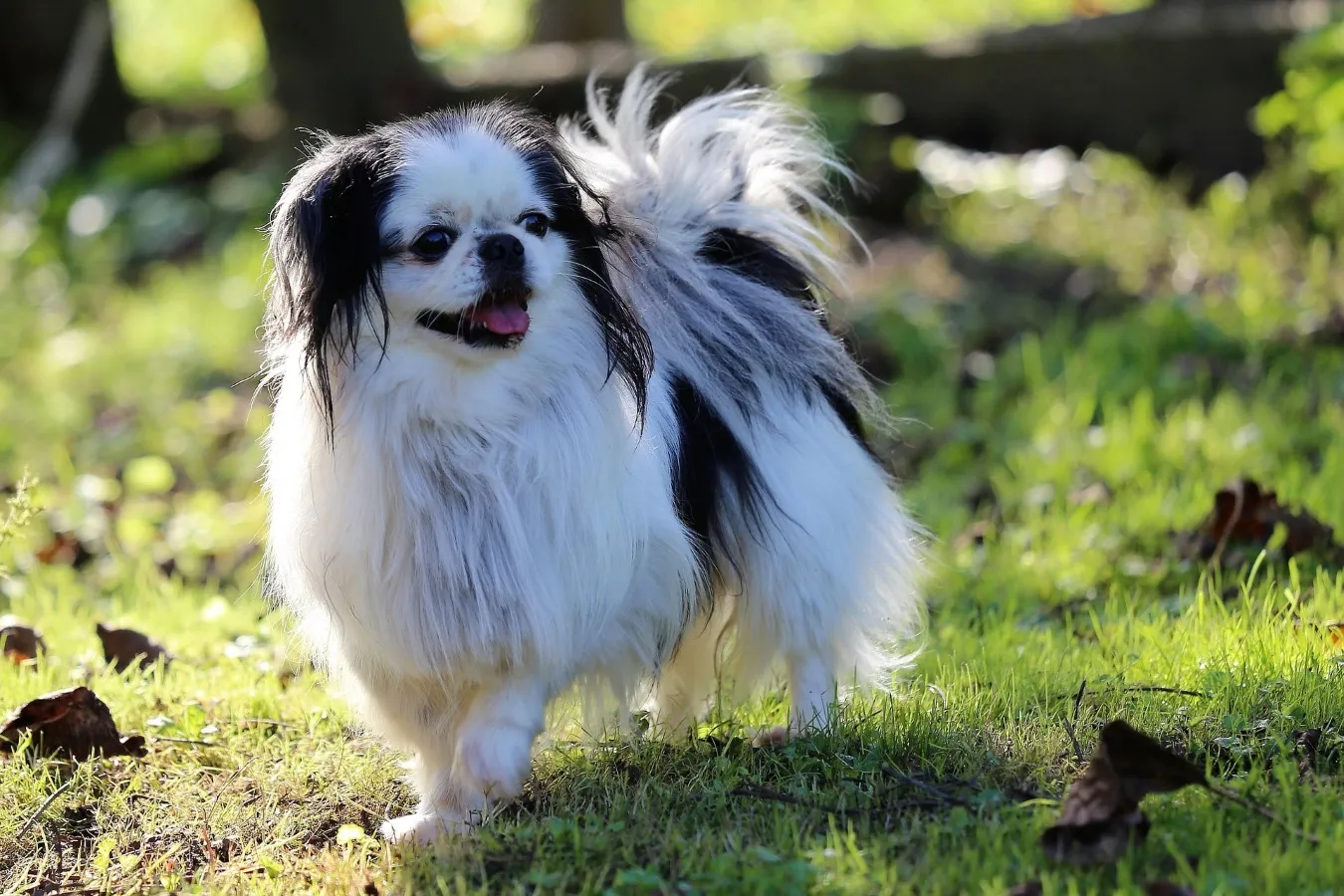
Meet the Japanese Chin: an elegant, cat-like lapdog with a playful spirit. Quiet and devoted, this tiny royal is the ultimate apartment companion.

BREED GROUP

Toy Dogs

Country of origin

Japan

BREED SIZE

Toy

BREED HEIGHT

8 -

11 IN

20 -

28 cm

BREED WEIGHT

7 -

11 LB

3 -

5 KG

WHAT YOU NEED TO KNOW

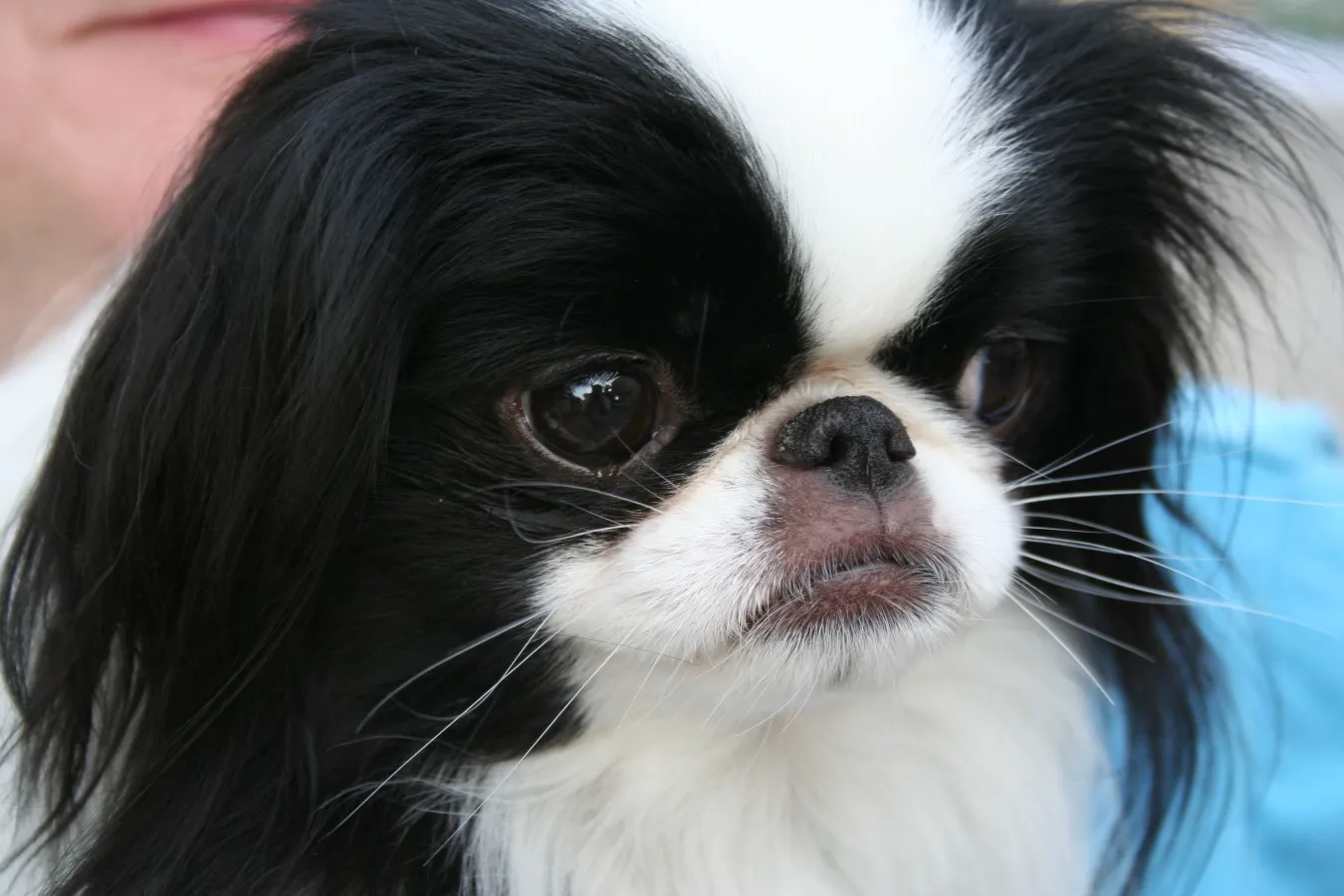
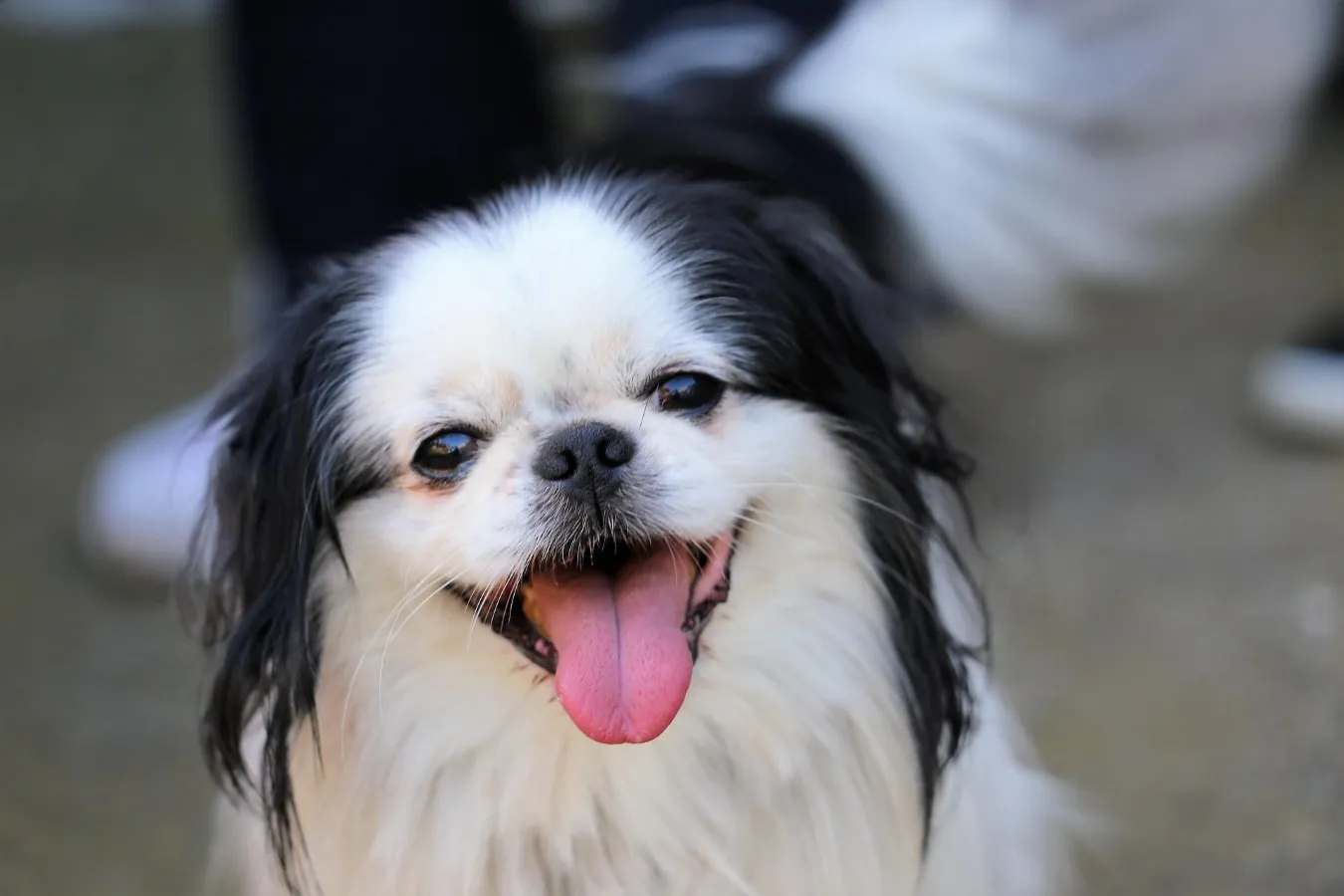
The Japanese Chin is a charming, aristocratic toy breed known for its cat-like agility and affectionate nature. Weighing 4-11 pounds, these intelligent dogs are ideal apartment companions due to their quiet demeanor and low exercise needs. While they possess a silky coat that requires regular brushing, they are surprisingly low-maintenance. Owners should be aware of their independent streak and susceptibility to heat due to their flat faces. Devoted and playful, the Japanese Chin thrives on human companionship, making it a delightful pet for those seeking a loyal lapdog.
american kennel club (AKC) recognition

Yes

Breed was recognized in 1888.

International Canine Federation (FCI) recognition

Yes

Breed was recognized in 1957.
WHAT DO OWNERS WANT TO KNOW?

Are Japanese Chins good family dogs?

Great

9 out of 10

The Japanese Chin is an excellent family dog for those seeking a loyal, affectionate lapdog that thrives on human companionship. Its quiet demeanor and playful spirit make it a charming addition to a household, though it is best suited for families who can provide a calm environment and attentive care.

Great

9 out of 10

Japanese Chins are generally excellent with children, known for their affectionate, calm, and patient temperaments. However, they are better suited for older children due to their delicate size. Supervision is always recommended with younger children to prevent accidental injury.

Excellent

9 out of 10

Japanese Chins are highly recommended for first-time owners due to their affectionate, chill, and low-maintenance nature. They are intelligent and eager to please, making them easy to train with positive reinforcement, though they can be independent or sensitive to harshness. Their adaptable personality and modest exercise needs make them rewarding companions for novices seeking a loyal, cat-like lapdog.

Exceptional

10 out of 10

Japanese Chins are exceptional apartment dogs due to their tiny size, quiet demeanor, and low exercise requirements. They are content in smaller living spaces and thrive with short daily walks and indoor play. Their calm, cat-like nature and lack of excessive barking make them ideal, non-disruptive companions for city dwellers.

Low

7 out of 10

A yard is not strictly required for a Japanese Chin, as they are highly adaptable to apartment living and have low exercise needs. While they enjoy exploring a securely fenced yard or playing games of catch outdoors, their physical requirements can be easily met through short daily walks and indoor play. To ensure their safety, they should always be supervised or kept on a lead when outside.

Poor

2 out of 10

Japanese Chins are highly social companions that thrive on human interaction and are prone to separation anxiety if left alone for extended periods. While they can typically manage a few hours of solitude, especially with consistent routines and mental stimulation, they prefer constant company and may develop destructive behaviors or excessive stress during long absences. They are best suited for households where someone is frequently present to provide the devoted companionship they require.

Average

5 out of 10

Japanese Chins are exceptionally good with cats due to their gentle, sociable nature and very low prey drive. They are often described as cat-like themselves, which helps with multi-pet harmony. Their small size and conflict-averse temperament make them a harmonious addition to multi-pet households.

Gentle

9 out of 10

Japanese Chins are not naturally aggressive; they are known for their sweet, gentle, and calm temperament. While they are deeply affectionate with their families, they can be reserved or standoffish toward strangers. Any uncharacteristic aggression usually arises from a lack of socialization or fear, so early exposure to new people and environments is recommended to maintain their polite and charming nature.

Couch Potato

1 out of 10

Japanese Chins have a moderate energy level, balancing playful bursts with a calm, cat-like demeanor. While they enjoy short daily walks and interactive play, they are also quite content lounging on the back of a couch or being lapdogs. Their modest exercise needs and quiet nature make them ideal companions for apartment living and relaxed households.

~10 min a day

1 out of 10

Japanese Chins require approximately 30 minutes of light daily exercise to maintain their health and happiness. Their energy typically comes in short, playful bursts, making a few brief neighborhood walks or indoor play sessions ideal. Because of their flat faces, they are highly susceptible to overheating, so owners should avoid strenuous activity.

Danger

1 out of 10

Japanese Chins are highly sensitive to heat due to their flat faces and shortened airways, which make it difficult for them to cool down effectively through panting. To prevent overheating and respiratory distress, owners must provide air conditioning, constant fresh water, and limit all outdoor activities to the cooler morning or evening hours.

Danger

1 out of 10

Japanese Chins are highly sensitive to heat due to their flat faces and shortened airways, which make it difficult for them to cool down effectively through panting. To prevent overheating and respiratory distress, owners must provide air conditioning, constant fresh water, and limit all outdoor activities to the cooler morning or evening hours.

Rarely Banned

8 out of 10

Japanese Chins are rarely subject to breed bans due to their tiny size and quiet, polite demeanor. They are widely regarded as premier apartment dogs that thrive in small spaces. However, prospective owners should always verify individual landlord policies regarding general pet weight limits or specific rental insurance requirements.

WHAT DO OWNERS WANT TO KNOW?


Photo
Reviewed by
Dr. Vojtech Gabriel
DVM · PhD · MBA
Veterinarian Researcher Dog breed specialist
Verified

"Japanese Chins are elegant companions but are at an exceptionally high risk for Brachycephalic Obstructive Airway Syndrome (BOAS), with some studies showing over 80% of the breed affected. As a veterinarian, I emphasize monitoring for respiratory distress, snoring, and severe heat intolerance due to their flat faces and often narrow nostrils. They are also predisposed to GM2 gangliosidosis, a fatal neurological disease, making genetic testing for breeding pairs essential. Other common concerns include patellar luxation, heart valve disease, dental overcrowding, and various eye conditions such as cataracts and entropion. Maintaining a lean weight is critical to reduce the strain on their respiratory and cardiovascular systems."


Other Toy Dogs