Saluki Health and Costs
Breed Group
Hound Dogs
Country of Origin
Middle East
Breed Size
Large
AKC Recognition
Yes, recognized in 1927
FCI Recognition
Yes, recognized in 1966
Rarity
Common3 / 10
Purchase cost
Moderate7 / 10
Life expectancy
Long Lifespan8 / 10
Health
Generally healthy7 / 10
Health problem risk
Moderate health concerns4 / 10
Maintenance cost
Low maintenance cost2 / 10
A Veterinarian's Guide
Saluki Health Problems and Costs
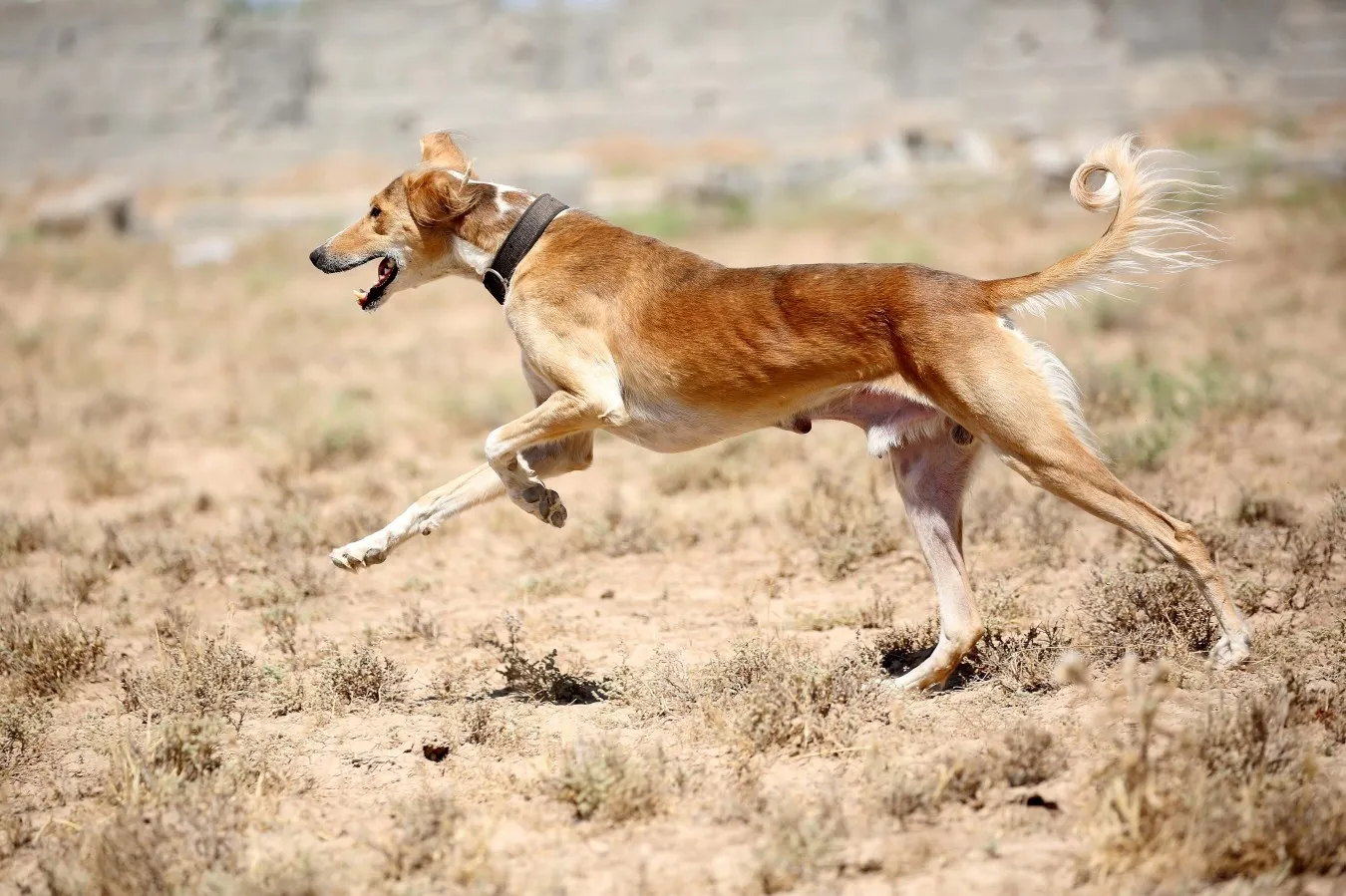
The Saluki is one of the oldest known dog breeds, a lean, graceful sighthound built to run down game across open desert. It is generally healthy, but a few issues repeat in the breed: sensitivity to certain anesthetic drugs, heart disease, cancer, thyroid questions, and skin that is easy to scrape. Knowing them before you bring a puppy home, or while you already share your life with one, makes screening and vet visits much easier to plan.
In this guide

Why Should Every Vet Know About This Breed's Anesthesia Sensitivity?
Tell every veterinarian treating your Saluki about its sighthound anesthesia sensitivity before any sedation, even a routine dental cleaning, and repeat it at every new clinic or emergency visit.
Salukis carry very little body fat, and their livers handle some drugs differently from a typical dog. The Saluki Club of America explains that because the breed has so few fat stores, some drug concentrations rise quickly and stay high in the blood and brain, which means deeper sedation and slower recovery. Older barbiturate drugs are the classic example, and they have largely been replaced by safer short-acting options.
Ask your veterinarian about a sighthound-appropriate anesthesia plan before any procedure, and ask whether a pre-anesthetic blood panel and fluids through recovery are part of it. Because lean hounds also chill easily, staying warm is part of the plan too.
Why Does Heart Disease Need Watching in Salukis?
Heart conditions were the second most common cause of death in a UK breed survey, including cardiomyopathy, a disease of the heart muscle itself, and heart murmurs. Cardiomyopathy comes from the Greek kardia, "heart," and myos, "muscle." The national breed club recommends a cardiac exam for breeding dogs.
A murmur found at a routine exam does not automatically mean serious trouble, but it does mean closer monitoring is worthwhile. A chest x-ray or an echocardiogram, an ultrasound of the heart, gives a much clearer picture than a stethoscope alone. Unusual tiredness, a new cough, or fainting are reasons to book a heart workup sooner.
What Should Owners Know About Cancer Risk?
Cancer was the leading cause of death in the same UK survey, most often liver cancer or lymphoma. Breed guides also list hemangiosarcoma among the cancers Salukis are prone to. The word comes from the Greek haima, "blood," angeion, "vessel," and sarx, "flesh." It is a cancer of the blood vessel lining that can grow quietly on the spleen or heart and is hard to catch early. Routine bloodwork and periodic imaging in senior dogs may occasionally find a mass before it causes trouble, though early detection remains difficult.
- 01
Sudden collapse
The dog goes down or cannot get up.
- 02
Pale or white gums
Gums that look pale instead of healthy pink.
- 03
Swollen belly
The abdomen looks distended, which can mean internal bleeding.
- 04
Sudden weakness
Profound weakness that comes on without warning.
Is Thyroid Disease Common in This Breed?
Hypothyroidism, or low thyroid hormone activity, tends to appear in middle age as weight gain despite a normal appetite, a dull or thinning coat, and low energy that owners often blame on aging. The breed club recommends a thyroid evaluation for breeding dogs. A blood panel confirms it, and daily medication manages it for life. Healthy sighthounds can have thyroid values that run lower than in other breeds, so results are best interpreted by a veterinarian who knows the breed, and a low number alone should be confirmed before treatment.
What About the Skin?
The Saluki's lean build and fine coat mean cuts and scrapes are easy to pick up on brush or rough ground, and skin problems such as dermatitis and hair loss were reported in the UK survey. A quick skin check after rough outdoor romps is a useful habit, since small tears can hide under fine feathering until they become infected. Soft bedding matters too, because a dog with so little padding rests directly on bony points.
What Does Managing a Saluki's Health Actually Cost?
| Condition or Need | Typical Cost Range | Notes |
|---|---|---|
| Cardiac exam with a wellness visit | $50 to $100 | Annual screening for murmurs |
| Echocardiogram | $300 to $600 | If a murmur or symptoms are found |
| Thyroid panel | $80 to $150 | Baseline testing from middle age |
| Thyroid medication | $20 to $40/month | Lifelong once diagnosed |
| Senior bloodwork | $150 to $300 | Imperfect but worthwhile screening |
| Abdominal ultrasound | $300 to $600 | Occasional, in senior years |
| Emergency mass removal surgery | $3,000 to $8,000+ | If a tumor ruptures |
Ranges vary by region and clinic. Surgery for a sighthound may also cost more at a practice experienced with the breed's anesthesia needs. Many owners weigh whether pet insurance is worth it against costs like these, and pricing a policy while your dog is young and healthy keeps more options open.
Questions to Ask a Breeder Before Buying a Puppy
Ask to see cardiac and thyroid results for the parents, which match the tests the breed club recommends. It is also fair to ask about heart disease and cancer in the line, since both appear in the breed, and how long the relatives lived. Many Salukis join families as adults through breed rescue, in which case ask for whatever health history exists and plan a baseline heart and blood check early.
Daily Life With a Saluki
This is an independent, sometimes reserved sighthound with a strong prey drive and real speed. Adults are generally calm indoors, but they cannot be trusted to come back when off-leash, so a secure, tall fence matters as much as any medical screening on this list. The personality profile describes the temperament, and patient, gentle training works best for a breed that bores easily.
The silky, low-shedding coat keeps grooming simple, with weekly brushing usually enough.

Keeping Your Saluki Healthy for the Long Run
Flag the anesthesia sensitivity at every visit involving sedation. Schedule cardiac and thyroid checks, add bloodwork as your dog ages, and learn the collapse and internal bleeding signs before you ever need them.
Final Thoughts From a Veterinarian
Salukis typically live 12 to 14 years. Tell every clinic about their anesthesia sensitivity, schedule cardiac and thyroid checks, and treat sudden collapse or pale gums as an emergency. Cancer screening in the senior years is worth discussing. Your veterinarian can tailor the plan.
Health & Costs FAQ
How much do Saluki cost?
The cost of a Saluki typically ranges from $1,500 to $4,000 from reputable breeders, while adoption fees are much lower at $50 to $300. Owners should also budget for high-quality food, secure fencing, and preventative veterinary screenings for heart conditions to ensure a healthy life.
Purchase cost: 7 / 10
How long do Saluki live?
Salukis typically live 12 to 14 years, and a UK study estimated a life expectancy of about 13 years. Heart disease and cancer are the most common causes of death, so a balanced diet, regular exercise, dental care, and routine veterinary checkups with cardiac screening help them stay active into their senior years.
Life expectancy: 8 / 10
Are Saluki healthy dogs?
Salukis are generally healthy and typically live 12 to 14 years, but they are not problem-free. Heart disease and cancer, including hemangiosarcoma, are the main concerns, and the breed is sensitive to certain anesthetic drugs. Cardiac and thyroid screening and regular veterinary checkups help catch trouble early.
Health: 7 / 10
What health problems do Saluki have?
Salukis can develop heart disease such as cardiomyopathy and cancers such as lymphoma and hemangiosarcoma. They can also have hypothyroidism, skin problems, and a sensitivity to certain anesthetic drugs, so tell your veterinarian before any sedation. Sudden collapse or pale gums is an emergency. Cardiac and thyroid screening catches many issues early.
Health problem risk: 4 / 10
Are Saluki expensive to maintain?
Salukis are generally low maintenance and affordable to maintain. The silky, low-shedding coat needs little beyond weekly brushing. Costs come mainly from quality food, routine veterinary care, and secure fencing, and it is wise to set money aside for cardiac checks, senior bloodwork, and sighthound-aware anesthesia if surgery is ever needed.
Maintenance cost: 2 / 10
How much does it cost to own a Saluki per month?
Expect to spend between $150 and $200 per month to own a Saluki. This budget covers quality food, pet insurance, and routine veterinary checkups. Preventive heart and cancer screening and any thyroid medication would add to that figure.
Monthly ownership cost: 4 / 10
How much does pet insurance cost for a Saluki?
Pet insurance for a Saluki typically costs between $35 and $75 per month. Premiums vary with age, location, and coverage limits. Because the breed can develop heart disease and cancer, a policy is worth pricing while your dog is young and healthy.
Pet insurance cost: 4 / 10
Will homeowners insurance cover a Saluki?
Yes, most homeowners insurance policies cover Salukis, as they are not typically included on restricted breed lists. This ancient sighthound is generally considered low-risk by insurers. Always disclose your pet to your provider to ensure your liability coverage remains active and tailored to your specific needs.
Homeowners insurance difficulty: 9 / 10
Are Saluki on insurance restricted breed lists?
No, Salukis are not typically found on insurance restricted-breed lists, as they are not classified as aggressive. They are generally viewed as low risk by insurers. Still, always disclose your Saluki to your provider to confirm standard liability coverage.
Insurance restriction risk: 2 / 10
Can you get renters insurance with a Saluki?
Yes, you can typically get renters insurance with a Saluki, since the breed is rarely on restricted lists. Some insurers ask for details about the dog or set their own liability terms, so always disclose your dog to your provider and confirm the policy with your landlord to ensure full protection.
Renters insurance difficulty: 8 / 10