Löwchen Health and Costs
Breed Group
Toy Dogs
Country of Origin
France
Breed Size
Small
AKC Recognition
Yes, recognized in 1996
FCI Recognition
Yes, recognized in 1954
Rarity
Fairly Common4 / 10
Purchase cost
Expensive8 / 10
Life expectancy
Long Lifespan8 / 10
Health
Generally healthy7 / 10
Health problem risk
Mild health concerns3 / 10
Maintenance cost
Moderate upkeep cost4 / 10
A Veterinarian's Guide
Löwchen Health Problems and Costs
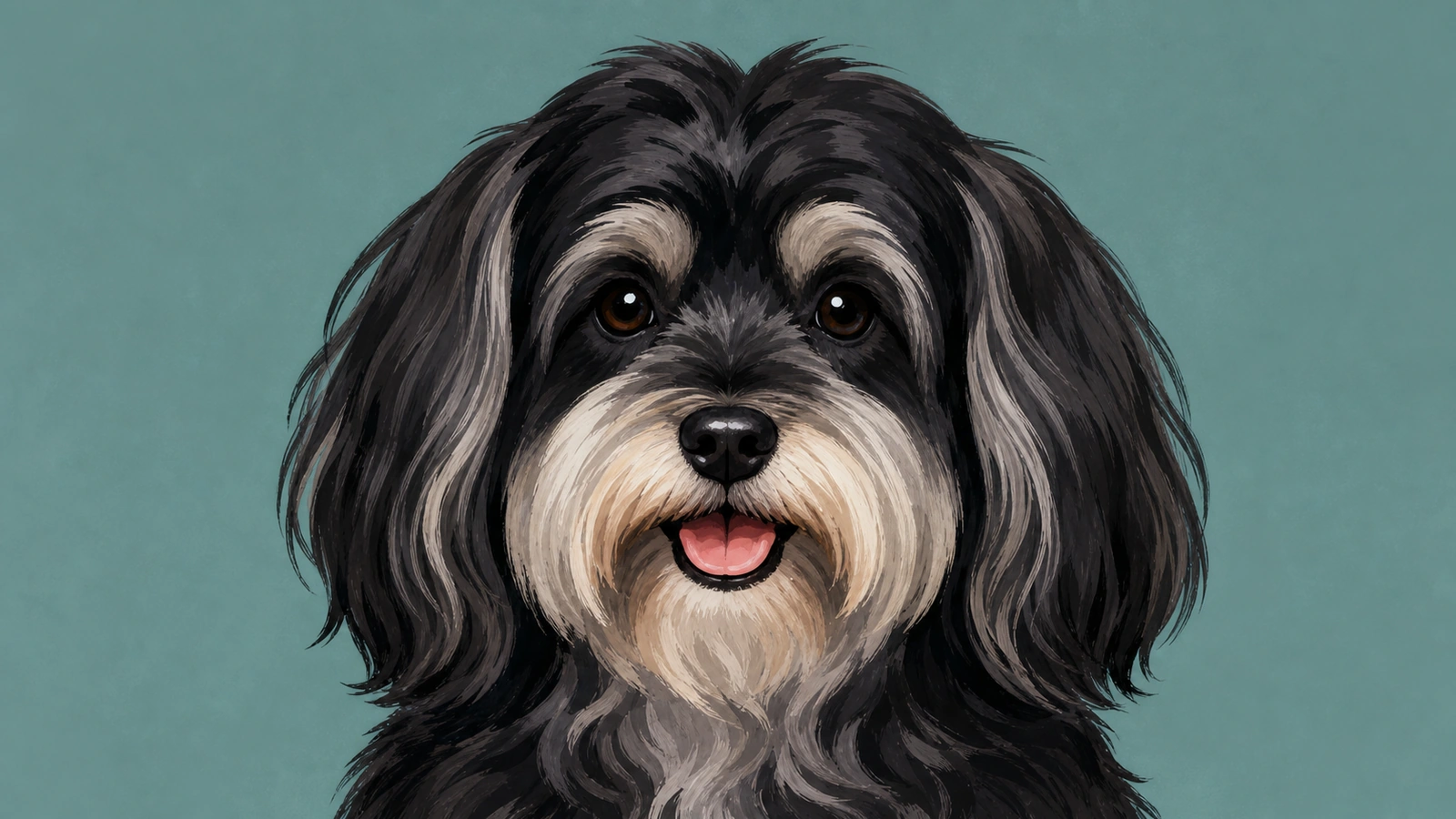
The Löwchen, the "little lion dog," is a small, long-lived companion that the AKC describes as affectionate, lively, and brave as a lion. It is generally healthy, but a few issues repeat in the breed: teeth, kneecaps, hips, and eyes. Knowing them before you bring a puppy home, or while you already share your life with one, makes screening and vet visits much easier to plan.
In this guide
Why Is Dental Disease a Chronic Concern for This Breed?
Small jaws pack a full set of teeth into little room, so plaque and tartar build up faster in a crowded mouth. Small breeds are more prone to periodontal disease, infection and inflammation of the structures around the teeth, which can progress to gum recession and tooth loss. The word comes from the Greek peri, "around," and odous, "tooth." VCA Hospitals reports that most dogs over age three already have some degree of it, and many show few obvious signs.
Daily brushing with dog-specific toothpaste, started in puppyhood, is the most effective prevention. A professional cleaning under anesthesia still handles tartar below the gumline that a toothbrush cannot reach, and your veterinarian can tell you how often your dog needs one.
What Joint Problems Should Owners Watch For?
Patellar luxation, a kneecap that slips out of its groove, and hip dysplasia, an inherited malformation of the hip joint, are the two joint concerns the breed club asks breeders to screen for. The AKC non-sporting group health testing page lists both a patella evaluation and a hip evaluation. Patella comes from the Latin for "small dish," a nod to the kneecap's shape.
VCA Hospitals explains that kneecap problems are graded from I to IV and that a mild grade I knee may not need surgery, while recurrent or persistent lameness usually does. Keeping a Löwchen lean takes real stress off joints that may already carry some structural weakness.
- 01
Skipping step
A sudden hop or three-legged run that then looks normal again.
- 02
Kicking the leg out
Holding a back leg up or flicking it sideways to pop the kneecap back.
- 03
A persistent limp
Lameness that returns often or does not settle with rest.

What Eye Conditions Should Owners Watch For?
A Löwchen that suddenly bumps into furniture, hesitates on familiar stairs, or has a red, cloudy, or painful eye needs a prompt veterinary eye exam rather than being written off as normal aging.
The AKC lists an ophthalmologist evaluation, an eye exam by a veterinary eye specialist, among the recommended tests for the breed. Inherited eye disorders such as progressive retinal atrophy, a slow breakdown of the retina's light-sensing cells, and cataracts, a clouding of the lens, are the kind of problems these exams are designed to catch. Retina comes from the Latin rete, "net." VCA Hospitals describes how cataracts are diagnosed and managed.
Because retinal changes progress gradually, owners often notice nothing until the disease is advanced, and many dogs adapt well to vision loss in a familiar home. A yearly eye exam starting in early adulthood is the best way to track any change.

What Does It Cost to Manage a Löwchen's Health?
| Condition or Need | Typical Cost Range | Notes |
|---|---|---|
| Professional dental cleaning | $300 to $600 | Frequency set by your vet |
| Patellar luxation surgery | $1,500 to $3,000 per knee | Moderate to severe grades |
| Hip evaluation | $200 to $400 | X-rays plus certification fee |
| Annual eye exam | $75 to $200 | From early adulthood onward |

Questions to Ask a Breeder Before Buying a Puppy
Ask for patella, hip, and eye evaluation results on both parents, which are the three tests the breed club recommends, and about any history of kneecap or hip problems in the line. The breed was once so scarce that Wikipedia notes only 65 were registered in 1973, and a breed rebuilt from a small number of dogs makes careful, honest breeding even more important.
It is also reasonable to ask about the parents' teeth. A breeder who takes dental hygiene seriously from the start is usually a good sign.
Daily Life With a Löwchen
Despite the dramatic traditional lion trim, many pet Löwchens are kept in a simpler clip. The long, silky coat does not shed but still needs regular brushing to prevent mats, as the grooming guide explains, and clipped areas may need a sweater in winter. This is an adaptable companion that suits apartments and larger homes alike, and the personality profile describes its alert, affectionate nature.
Early socialization and consistent training help raise a confident adult that stays relaxed around new people and unfamiliar situations.

Keeping Your Löwchen Healthy for the Long Run
Start dental care early and keep it consistent, since it is the most preventable item on this list. Keep your dog lean, ask your veterinarian to check kneecaps and hips at routine visits, and do not skip the yearly eye exam. Pet insurance is worth pricing while your dog is young, particularly if joint or eye surgery ever becomes necessary.
Final Thoughts From a Veterinarian
Löwchens often live around 14 years. Brush their teeth daily, have kneecaps, hips and eyes checked, and treat any sudden change in vision as urgent. Your veterinarian can tailor the plan.
Health & Costs FAQ
How much do Löwchen cost?
The cost of a Löwchen typically ranges from $2,000 to $4,000, though champion bloodlines can reach $8,000. Due to their rarity, expect to join a waiting list. Owners should also budget for initial supplies and professional grooming to maintain their distinctive lion-style coat.
Purchase cost: 8 / 10
How long do Löwchen live?
Löwchens often live around 14 years, with a 2024 UK study reporting an average of about 13.9 years. Daily tooth care, a lean weight, regular exercise, and routine veterinary checkups that include kneecaps, hips, and eyes help them stay active into their senior years.
Life expectancy: 8 / 10
Are Löwchen healthy dogs?
Löwchens are generally healthy, long-lived little dogs, but a few issues occur in the breed. The AKC lists patella, hip, and eye evaluations as recommended tests, and dental disease is common in small breeds. Keeping a lean weight and seeing your veterinarian regularly protect their teeth and joints.
Health: 7 / 10
What health problems do Löwchen have?
Löwchens can develop patellar luxation, a kneecap that slips out of place, and hip dysplasia, so the breed club recommends patella and hip evaluations. Inherited eye problems are screened for with an ophthalmologist exam. Dental disease is common in small breeds, so daily brushing matters.
Health problem risk: 3 / 10
Are Löwchen expensive to maintain?
Löwchens have moderate maintenance costs. The long, non-shedding coat needs regular brushing and clipping, often by a professional groomer, and small-breed food is modest in cost. Budget for dental care and for possible kneecap or eye care, since those are the larger bills this breed can face.
Maintenance cost: 4 / 10
How much does it cost to own a Löwchen per month?
Expect to spend between $100 and $150 per month to own a Löwchen. This budget covers high-quality food, routine veterinary care, and grooming. Regular dental care and pet insurance are recommended for long-term wellness.
Monthly ownership cost: 5 / 10
How much does pet insurance cost for a Löwchen?
Pet insurance for a Löwchen typically costs between $30 and $55 per month. Premiums are relatively affordable for a small breed. A plan is worth pricing while your dog is young, since kneecap surgery or eye care can cost thousands of dollars.
Pet insurance cost: 3 / 10
Will homeowners insurance cover a Löwchen?
Yes, most homeowners insurance policies cover Löwchens, as they are not typically on restricted breed lists. This rare and small companion breed is generally considered low-risk by insurers. Always disclose your pet to your provider to ensure your liability coverage remains active for any potential incidents.
Homeowners insurance difficulty: 9 / 10
Are Löwchen on insurance restricted breed lists?
No, Löwchens are not typically found on insurance restricted-breed lists. These lists generally focus on larger breeds perceived as higher liability risks. As a small and friendly companion dog, the Löwchen is viewed as low-risk by insurers, making it easy to secure standard homeowners or renters insurance coverage.
Insurance restriction risk: 2 / 10
Can you get renters insurance with a Löwchen?
Yes, you can typically get renters insurance with a Löwchen. They are rarely subject to breed restrictions because they are small, non-aggressive companion dogs. Most insurers view them as low-risk pets, but you should always disclose your dog to your provider to ensure full liability coverage is active.
Renters insurance difficulty: 8 / 10