Skip to content

Hokkaido - MAIN HUB

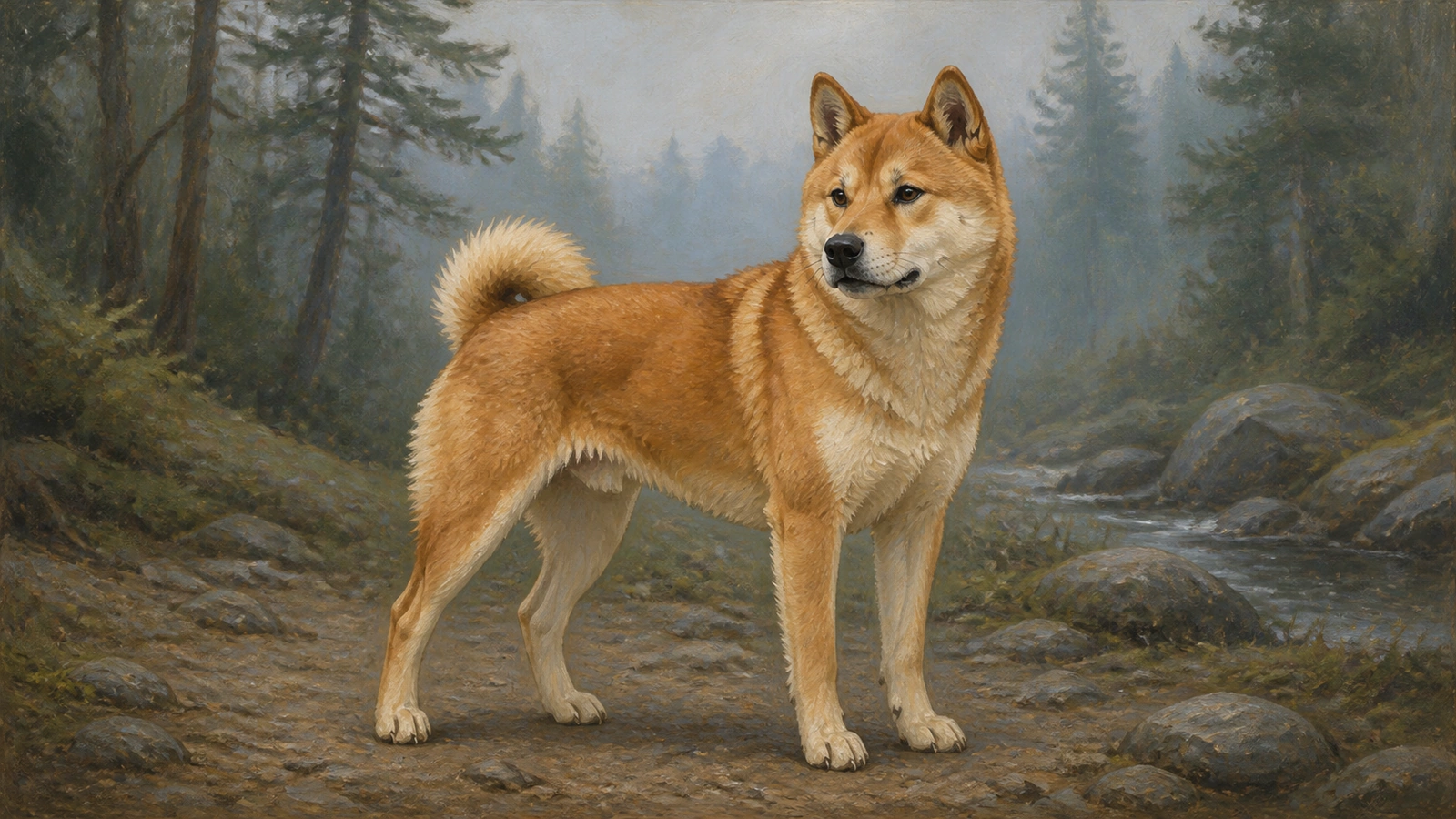
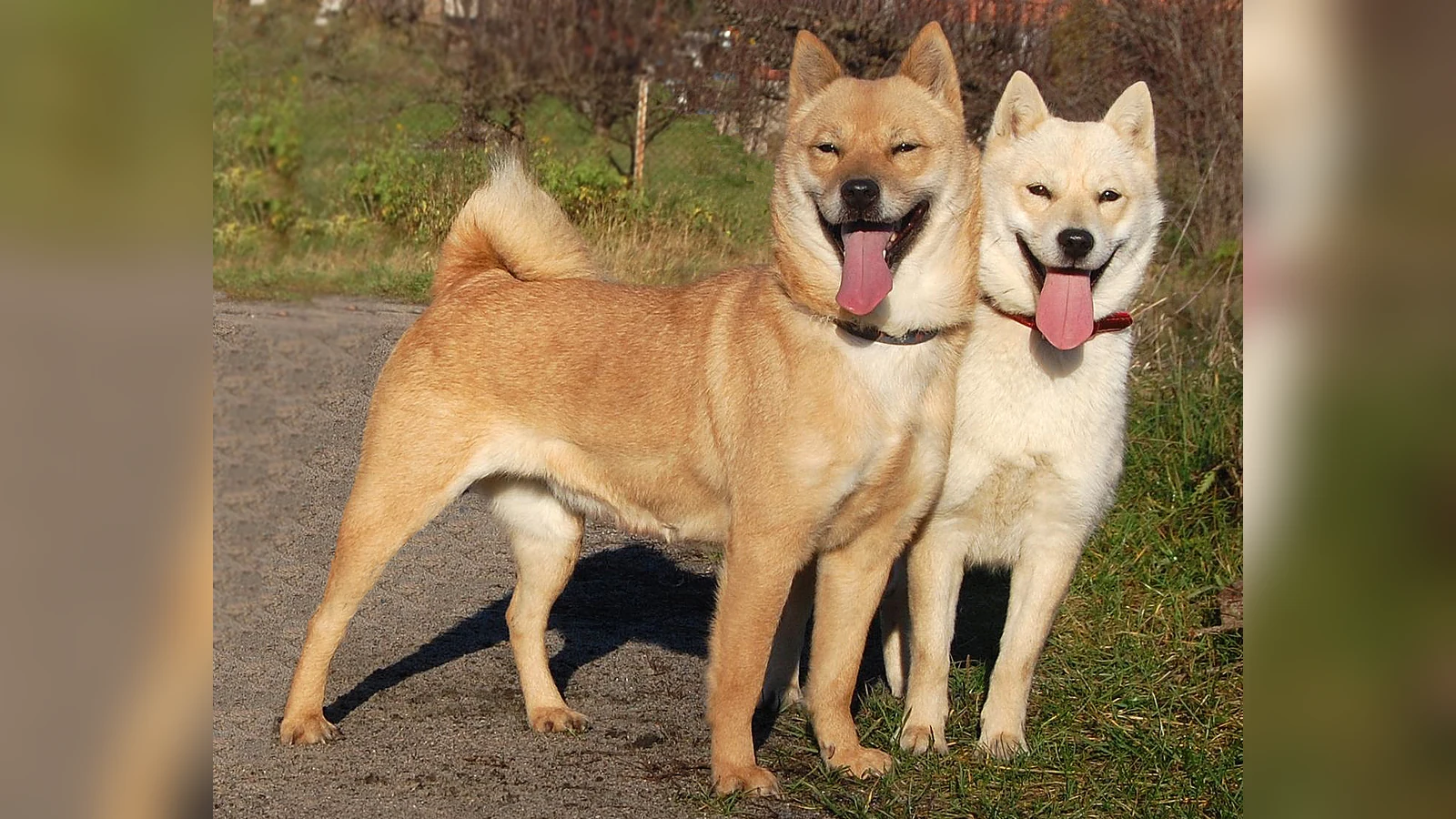
Brave, loyal, and energetic, the Hokkaido is a rare Japanese treasure. This devoted spitz is the perfect partner for your next outdoor adventure!

BREED GROUP

Spitz Dogs

Country of origin

Japan

BREED SIZE

Medium

BREED HEIGHT

19 -

21 IN

48 -

53 cm

BREED WEIGHT

44 -

66 LB

20 -

30 KG

WHAT YOU NEED TO KNOW

The Hokkaido is a medium-sized Japanese spitz breed renowned for its remarkable loyalty, bravery, and stamina. Originally bred for hunting large game like bears, these dogs possess a powerful build and a thick, weatherproof double coat ideal for cold climates. They are intelligent problem-solvers that bond deeply with a single "pack leader" and often experience separation anxiety. While faithful companions, they are independent and high-energy, requiring vigorous daily exercise and consistent training. Early socialization is crucial to manage their natural wariness of strangers and high prey drive around smaller pets.
american kennel club (AKC) recognition

No

Breed was recognized in 0.

International Canine Federation (FCI) recognition

Yes

Breed was recognized in 1964.

WHAT DO OWNERS WANT TO KNOW?

Are Hokkaidos good family dogs?

Average

5 out of 10

The Hokkaido is a loyal and faithful companion that bonds deeply with its family, though its high energy and independence require dedicated training and exercise. While they make devoted partners, their natural wariness of strangers and high prey drive necessitate early socialization to ensure they are a good fit for all households.

Average

5 out of 10

Hokkaidos can be loyal and affectionate companions for children, particularly when raised together and socialized from a young age. While devoted to their families, they are often better suited for older children who can respect their independent nature and strength. Consistent supervision and early training are essential to manage their protective instincts and ensure safe interactions.

Not Recommended

6 out of 10

Hokkaidos are generally not recommended for first-time owners due to their independent and stubborn nature. They require a confident handler who can provide consistent training and early socialization to manage their strong prey drive and wariness of strangers.

Below Average

4 out of 10

Hokkaidos are generally not recommended for apartment living due to their high energy requirements and vocal nature. They thrive best in larger homes with access to a secure yard where they can burn off energy.

High

3 out of 10

A yard is highly recommended for a Hokkaido to accommodate their high energy levels. These spitz dogs thrive in a securely fenced outdoor space where they can safely play and explore.

Above Average

6 out of 10

Hokkaidos are deeply devoted to their families and can experience separation anxiety if left alone for extended periods. They thrive best in households where they receive consistent companionship and mental stimulation.

Very Good

7 out of 10

Hokkaidos have a high prey drive and may view cats as something to chase. While they can coexist peacefully if raised together and properly socialized, interactions should be supervised.

Moderate

6 out of 10

Hokkaido are not naturally aggressive; they are known for their loyalty, bravery, and determination. While they possess strong protective instincts and a high prey drive toward small animals, they are typically friendly and social with their families. Early socialization and consistent training are essential to manage their natural wariness of strangers and ensure they remain well-behaved, balanced companions.

Hyperactive

3 out of 10

Hokkaidos are highly energetic dogs that require regular physical activity and mental stimulation to stay healthy and happy. Originally bred for hunting large game, they possess great stamina and thrive when given a job to do. Without at least 60 minutes of daily vigorous exercise, such as hiking or agility, they may become bored and engage in destructive behaviors like chewing or digging.

~60 min a day

10 out of 10

Hokkaido dogs require vigorous daily exercise, typically around 60 minutes or more, to manage their high energy and remarkable stamina. As a breed originally developed for hunting large game, they thrive on active outings like hiking, long brisk walks, and interactive play. Providing mental challenges through consistent training and problem-solving games is also essential to keep these intelligent, independent companions satisfied and well-behaved.

Fair

4 out of 10

Hokkaido dogs are highly sensitive to heat and humidity due to their dense, weatherproof double coats. They are prone to overheating and skin issues in warm climates, so owners must provide constant access to shade, fresh water, and air conditioning. Exercise should be strictly limited to the coolest parts of the day to ensure their safety and comfort.

Fair

4 out of 10

Hokkaido dogs are highly sensitive to heat and humidity due to their dense, weatherproof double coats. They are prone to overheating and skin issues in warm climates, so owners must provide constant access to shade, fresh water, and air conditioning. Exercise should be strictly limited to the coolest parts of the day to ensure their safety and comfort.

Often Restricted

4 out of 10

Hokkaidos are rarely banned in apartments in many countries, but in their native Japan, they are often restricted or subject to breed-specific weight limits. Due to their medium-to-large size and status as a spitz breed, they may exceed the 10kg limit common in many rental properties. Always verify local landlord policies and specific building regulations regarding medium-sized dogs and primitive breeds before signing a lease.

WHAT DO OWNERS WANT TO KNOW?


Photo
Reviewed by
Dr. Vojtech Gabriel
DVM · PhD · MBA
Veterinarian Researcher Dog breed specialist
Verified

"The Hokkaido is a robust and resilient breed, but it has a notably high prevalence of Collie Eye Anomaly (CEA), with an estimated one-third of the population affected and two-thirds being carriers. As a veterinarian, I strongly emphasize genetic screening for CEA, as well as monitoring for hip and elbow dysplasia, heart murmurs, and luxating patellas. Their thick double coat requires regular brushing, especially during biannual shedding seasons, to prevent matting and manage hair loss. Due to their independent nature and high prey drive, early socialization and consistent, firm training are vital to manage potential wariness of strangers and reactivity toward other animals. Maintaining an active lifestyle with 60 to 120 minutes of daily exercise is essential to prevent boredom-based behaviors and ensure their physical and mental well-being."


Other Spitz Dogs