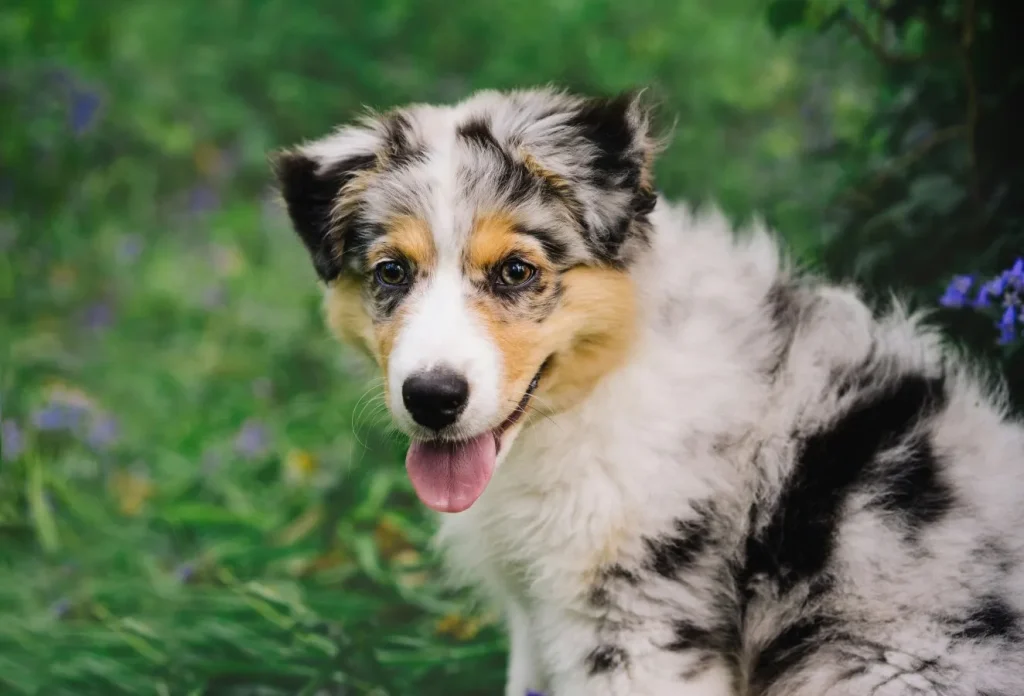
Australian Shepherd Health and Costs
Breed Group
Herding Dogs
Country of Origin
United States
Breed Size
Medium
AKC Recognition
Yes, recognized in 1991
FCI Recognition
Yes, recognized in 2007
Rarity
Most Common1 / 10
Purchase cost
Moderate6 / 10
Life expectancy
Long Lifespan8 / 10
Health
Moderate health concerns4 / 10
Health problem risk
High health burden7 / 10
Maintenance cost
Moderate upkeep cost4 / 10
A Veterinarian's Guide
Australian Shepherd Health Problems and Costs
The Australian Shepherd is a smart, tireless herding dog that thrives on work. It is generally healthy, yet it carries a short list of inherited concerns: hip and elbow dysplasia, hereditary eye disease, a common gene variant called MDR1 that changes how the body handles certain drugs, and hearing and vision problems linked to the merle coat. Knowing them early makes screening and vet visits easier to plan.
In this guide
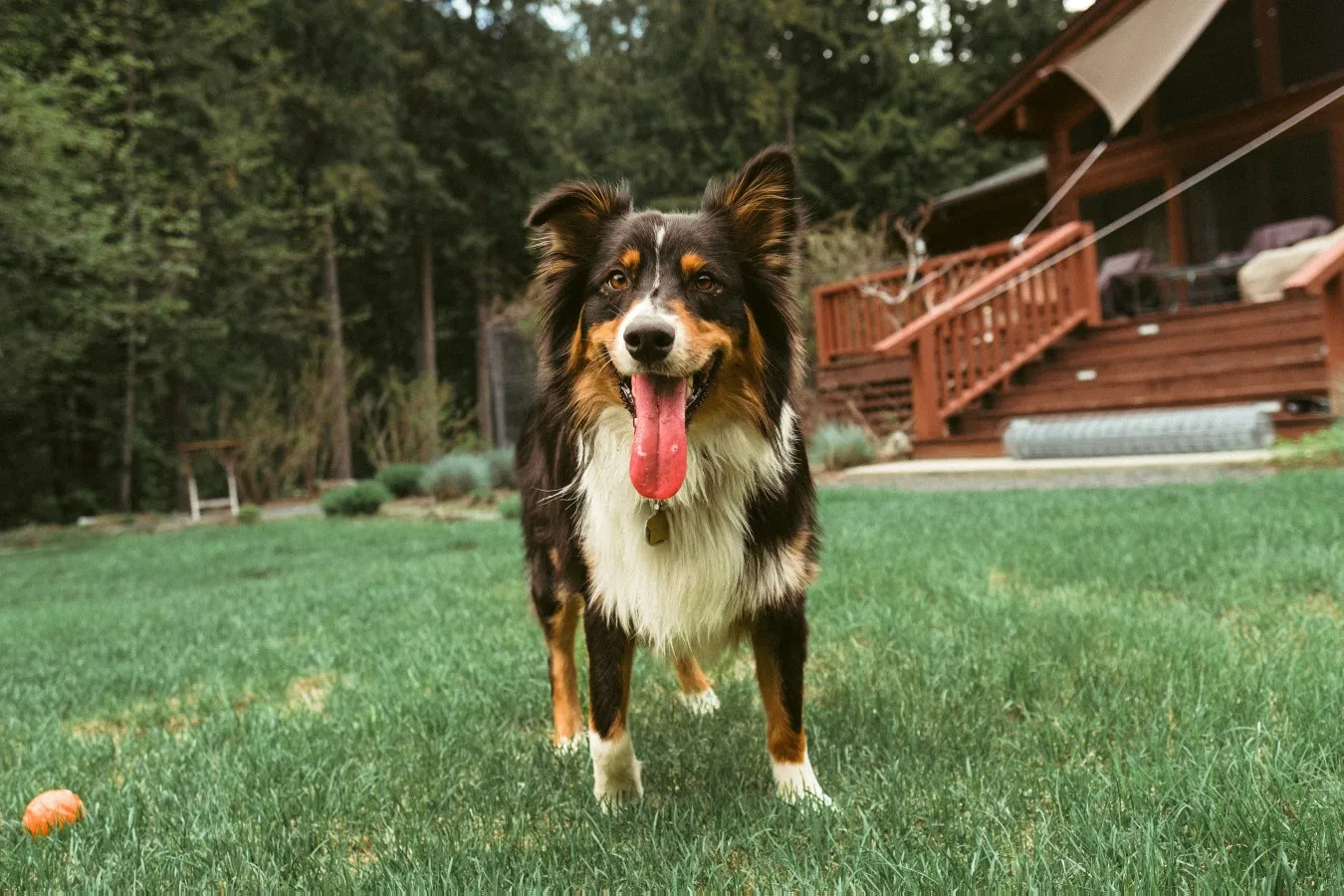
What Joint Problems Do Australian Shepherds Get?
Hip dysplasia is a poorly fitting hip joint that wears the cartilage and leads to pain and arthritis. In Australian Shepherds it is reported at a relatively low rate compared with many medium and large breeds, but elbow dysplasia can occur as well. The AKC health testing guidance for herding breeds recommends hip, elbow, and eye evaluations for breeding dogs.
Early signs include bunny-hopping, stiffness after rest, reluctance to jump, and a shorter stride. These are easy to miss in a dog that keeps working through discomfort, so mention any change to your veterinarian. Treatment ranges from weight control and joint supplements to pain medication and, in severe cases, surgery.
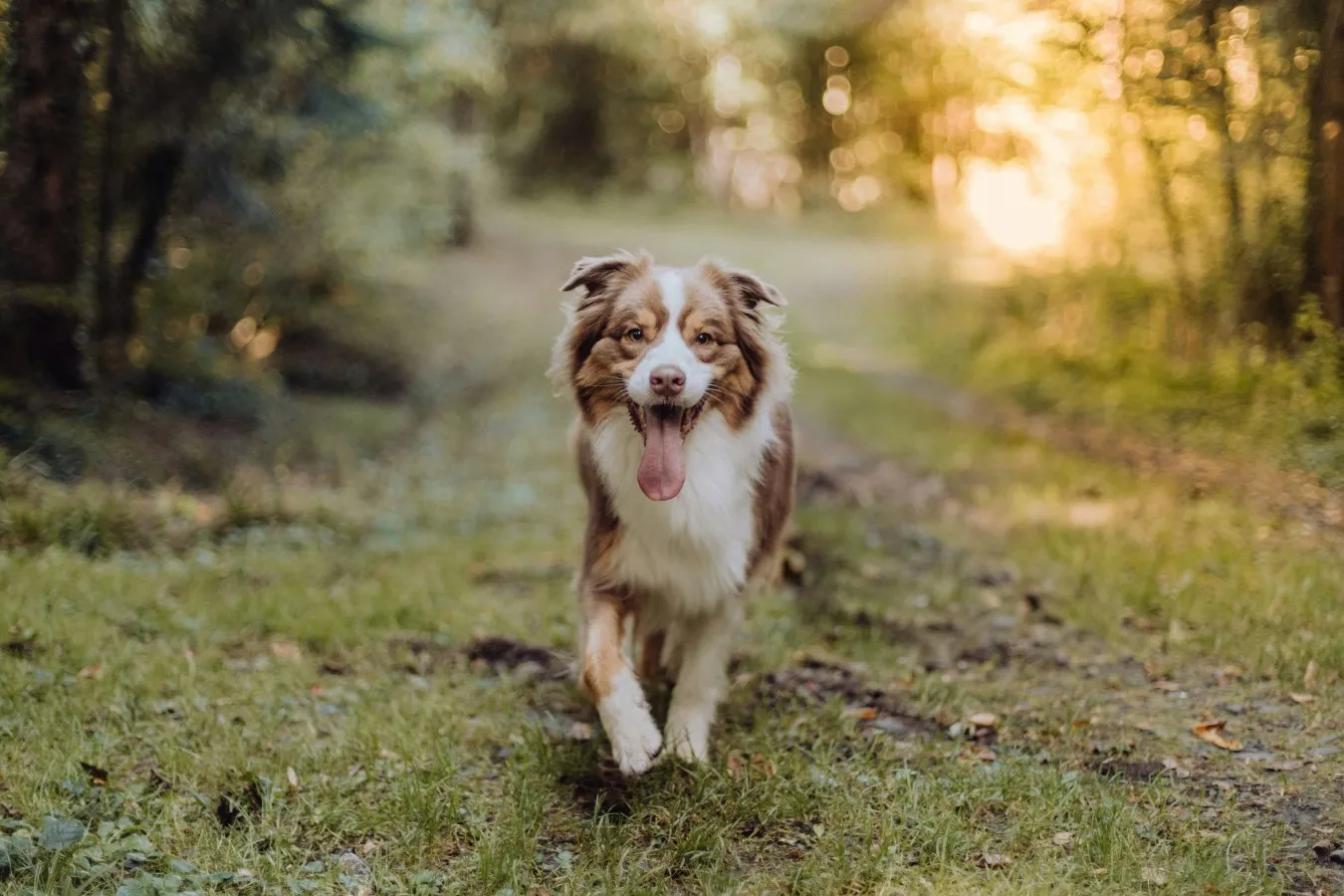
Which Eye Conditions Should I Watch For?
Cataracts are among the more common hereditary eye problems in the breed and show up as cloudiness in the lens that can reduce vision over time. Collie eye anomaly is an inherited defect of the retina and surrounding tissues that is also seen in Australian Shepherds. It ranges from mild to blinding, and it cannot be treated, so screening matters.
A yearly exam with a veterinary ophthalmologist is the best way to catch changes early. Contact your veterinarian promptly for squinting, a red or cloudy eye, bumping into objects, or sudden hesitation in dim light.
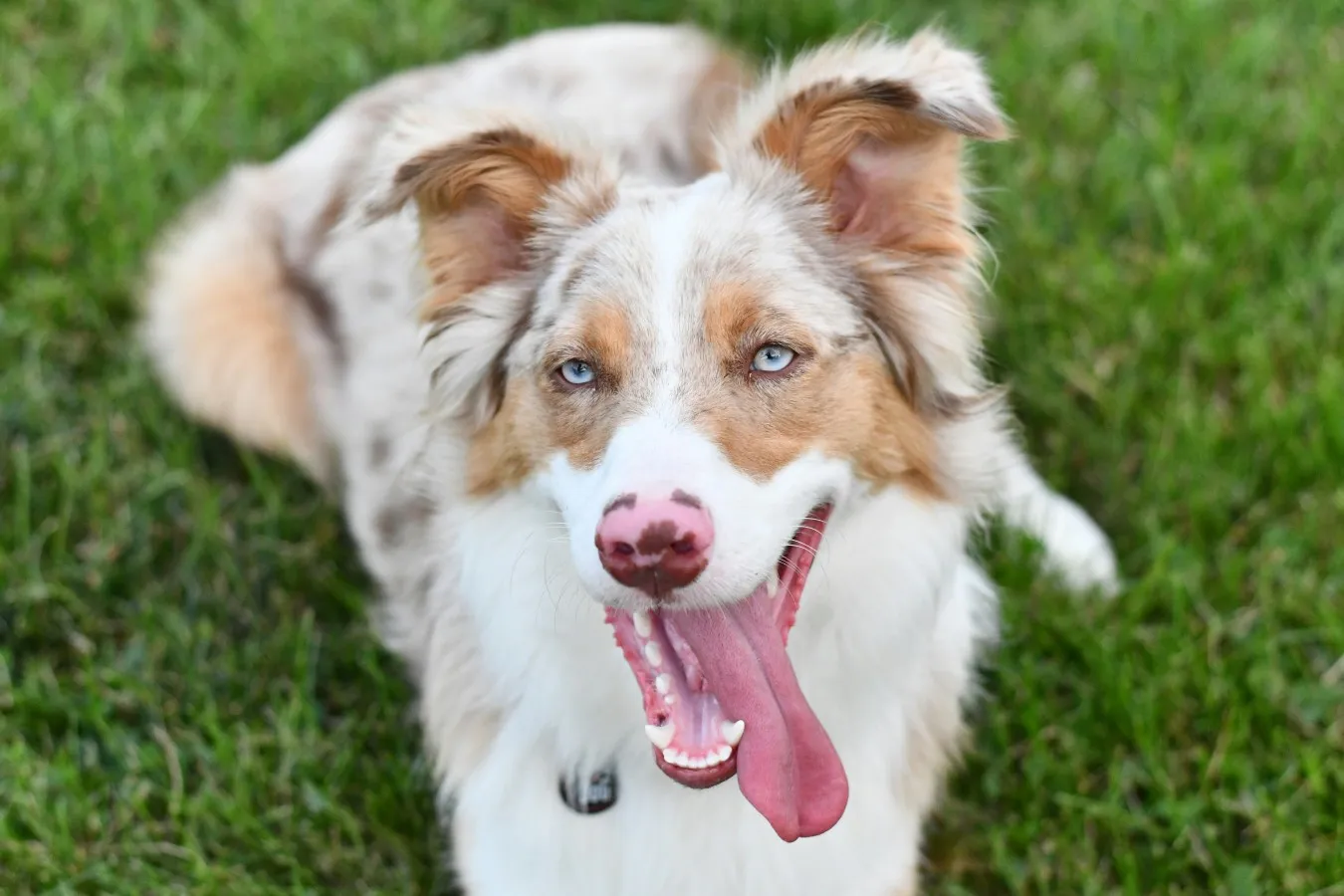
What Is MDR1 and Why Does It Matter?
Many Australian Shepherds carry a mutation in the MDR1 gene. It weakens a protective pump that normally keeps certain drugs out of the brain, so some medicines, including ivermectin at higher doses, certain sedatives, and some anti-diarrheal drugs, can cause serious neurologic effects. Washington State University has described a young dog with this mutation who was hospitalized in a coma after ivermectin exposure. A simple DNA test shows whether your dog is normal, a carrier, or affected.
Drooling, tremors, stumbling, vomiting, or unusual sleepiness after a medication or a dewormer meant for livestock can signal a drug reaction in a dog with MDR1 and needs emergency veterinary care right away.
Ask your veterinarian to record the test result in your dog's file, and check any new medication with the clinic first. Most standard heartworm preventives are used at safe doses, but your veterinarian should choose the product for your individual dog.
How Does the Merle Coat Affect Health?
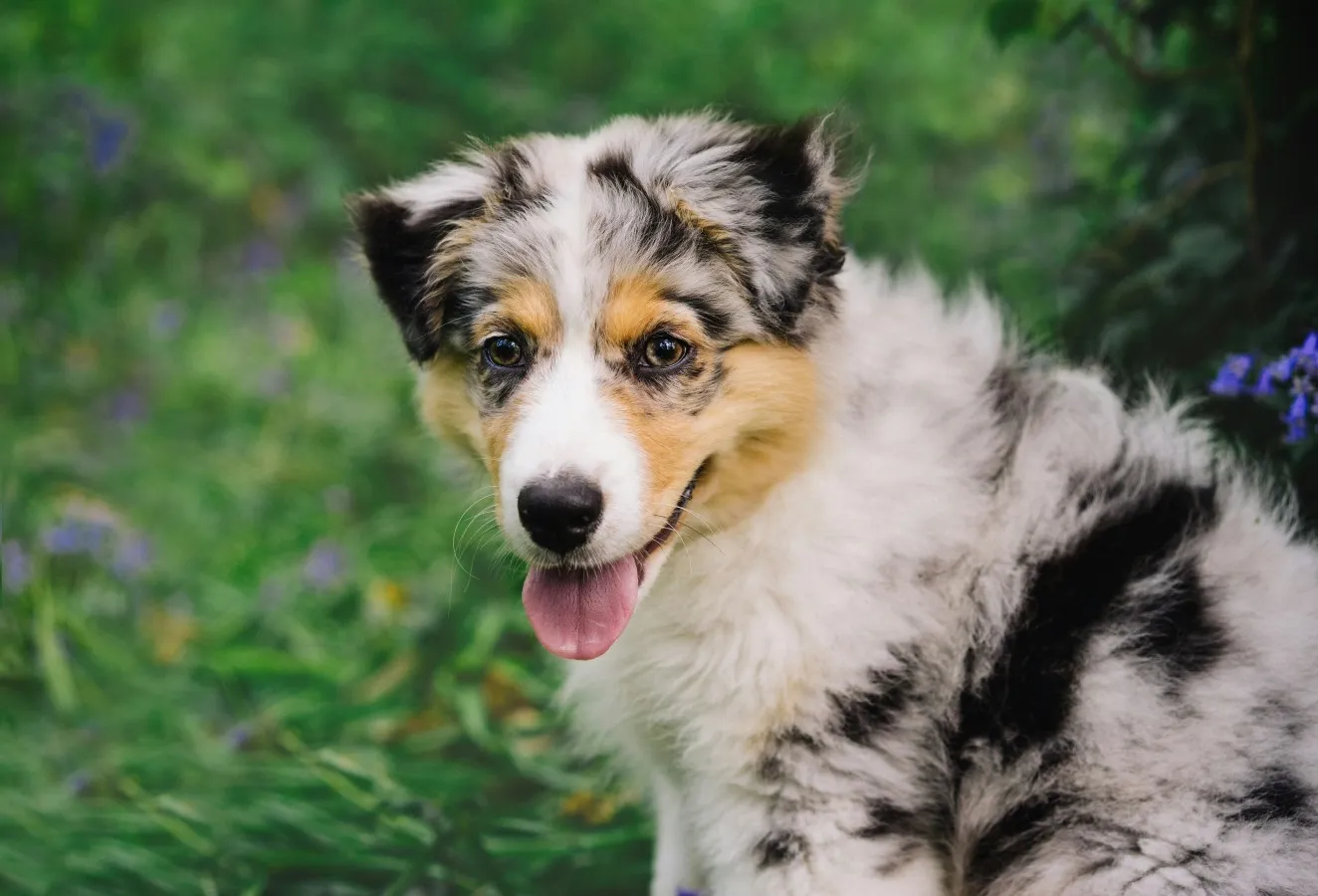
The merle pattern is part of the breed's look, yet it carries a risk. A puppy that inherits two merle copies, called a double merle, often has mostly white fur and can be deaf, blind, or both. Responsible breeders do not pair two merle dogs together. If your dog has very pale coloring, blue eyes, or seems not to respond to sound, a hearing test and eye exam are worth requesting.
What Do These Conditions Cost?
Figures below are typical United States ranges and vary by region and clinic. Consider whether pet insurance is worth it while your dog is young and healthy, because hereditary conditions are often excluded once they are diagnosed.
| Condition or Need | Typical Cost Range | Notes |
|---|---|---|
| Hip or elbow dysplasia diagnostics | About $150 | Exam and X-rays |
| Dysplasia surgery | $1,500 to $6,000 | Depends on the procedure and joint |
| Cataract exam | $300 to $500 | Specialist ophthalmology visit |
| Cataract surgery | $2,000 to $4,000 per eye | Performed by a specialist |
| Collie eye anomaly exam | $75 to $150 | Best done in puppyhood |
| MDR1 DNA test | $65 to $85 | One-time test |
Questions to Ask a Breeder Before Buying a Puppy
Reputable breeders test their breeding dogs and share the results. Ask for the following before you commit.
- 01
Hip and elbow results
Evaluations for both parents from a recognized registry.
- 02
Eye exam results
A current exam by a veterinary ophthalmologist for both parents.
- 03
MDR1 status
DNA test results for the parents, and for the puppy if available.
- 04
Merle pairing
Confirmation that two merle dogs were never bred together.
How Do I Support My Aussie Day to Day?
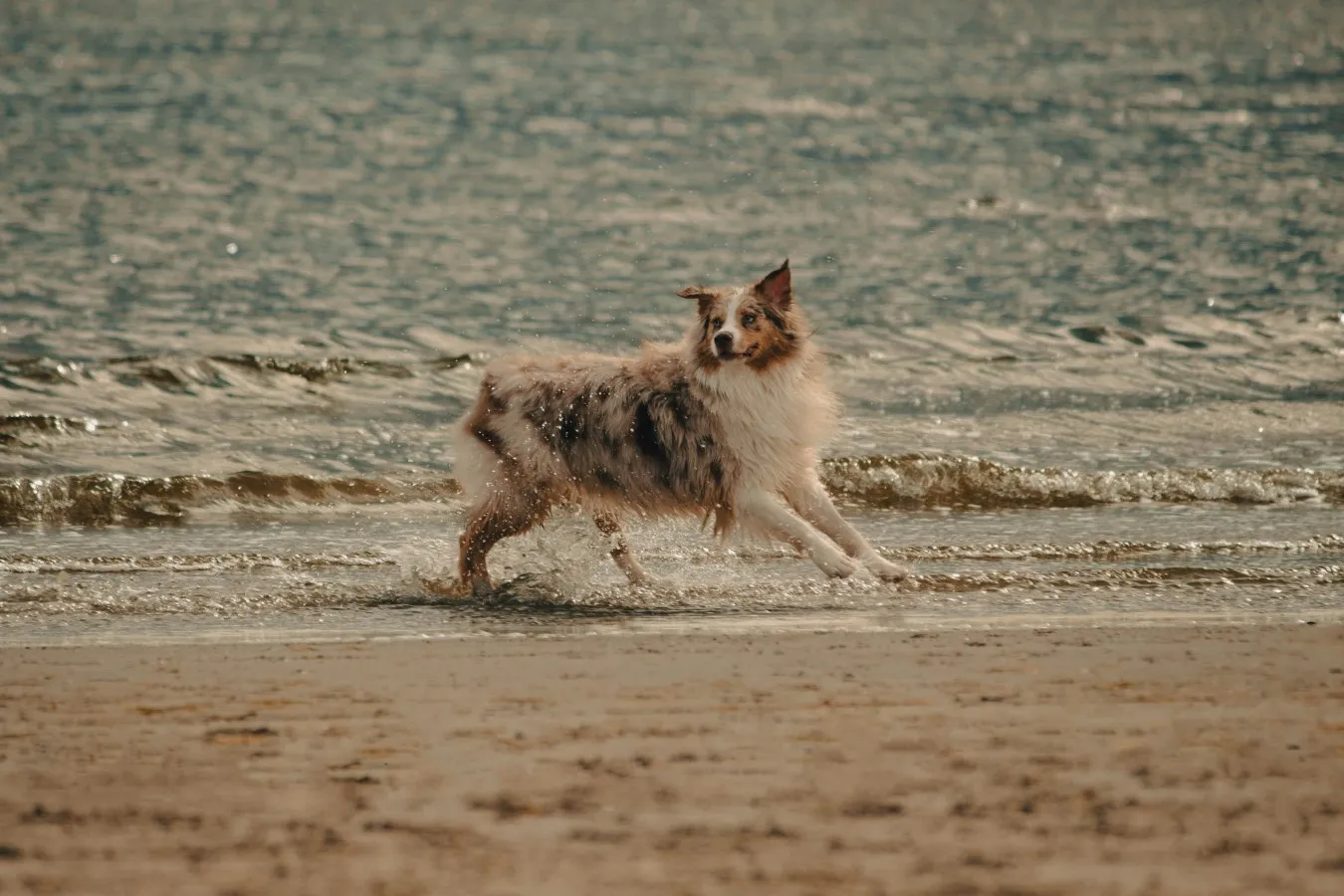
A bored Aussie can become destructive or anxious, and sensible exercise also protects the joints. Keep your dog lean, since extra weight raises the strain on hips and elbows. Our guide to Australian Shepherd grooming covers coat care, which also lets you check skin, ears, and eyes weekly. Understanding the breed's personality helps you spot behavior changes that may signal pain, and consistent training gives the dog a job and keeps the mind busy.
What Should I Expect Over a Lifetime?
Many Australian Shepherds live about 12 to 15 years. A UK survey summarized on Wikipedia reported a median lifespan of roughly 13.7 years. Plan for yearly exams, an eye check, dental care, and joint monitoring as your dog ages, and keep a record of medications and test results.
Final Thoughts From a Veterinarian
Australian Shepherds are healthy overall, but hip and elbow checks, eye exams, and MDR1 testing deserve attention early. Budget for joint and eye care, choose a breeder who tests parents, and ask your own veterinarian which medications suit your individual dog.
Health & Costs FAQ
How much do Australian Shepherd cost?
Purchasing an Australian Shepherd puppy from a reputable breeder typically costs between $1,500 and $2,500. Adoption fees from shelters or rescues are approximately $300.
Purchase cost: 6 / 10
How long do Australian Shepherd live?
Australian Shepherds typically have a lifespan of 12 to 15 years. As a generally healthy and robust breed, they often outlive many other medium-sized dogs. Providing high-quality nutrition, regular vigorous exercise, and consistent veterinary check-ups will help your Aussie live a full, active, and happy life.
Life expectancy: 8 / 10
Are Australian Shepherd healthy dogs?
Australian Shepherds are generally healthy and active dogs, but they are predisposed to specific inherited conditions. Owners should be aware of hip and elbow dysplasia, cataracts, collie eye anomaly, and the MDR1 gene mutation, which causes sensitivity to certain medications. Merle dogs can also have hearing and vision problems.
Health: 4 / 10
What health problems do Australian Shepherd have?
Australian Shepherds can develop hip and elbow dysplasia and hereditary eye conditions like cataracts and collie eye anomaly. Many also carry the MDR1 gene mutation, which causes sensitivity to certain medications, so DNA testing and regular veterinary screening matter.
Health problem risk: 7 / 10
Are Australian Shepherd expensive to maintain?
Australian Shepherds have a moderate upkeep cost. Their thick double coat needs regular brushing, and an active dog needs good food, routine veterinary visits, vaccinations, and parasite prevention. Budget extra for durable toys and mental enrichment.
Maintenance cost: 4 / 10
How much does it cost to own a Australian Shepherd per month?
Expect to spend between $100 and $450 per month to own an Australian Shepherd. This budget covers high-quality food, routine veterinary visits, preventative medications, and grooming. Highly active dogs like Aussies may also require additional funds for durable toys and mental enrichment.
Monthly ownership cost: 5 / 10
How much does pet insurance cost for a Australian Shepherd?
Pet insurance for an Australian Shepherd typically ranges between $35 and $60 per month based on claim data and breed-specific estimates.
Pet insurance cost: 4 / 10
Will homeowners insurance cover a Australian Shepherd?
Yes, most homeowners insurance policies will cover an Australian Shepherd. They are rarely included on restricted breed lists as they are not typically classified as aggressive. However, you should always confirm specific liability coverage with your insurance provider to ensure your policy fully protects your household.
Homeowners insurance difficulty: 9 / 10
Are Australian Shepherd on insurance restricted breed lists?
No, Australian Shepherds are typically not included on insurance restricted-breed lists. Insurers generally focus on breeds perceived as high-risk for aggression or significant liability claims. As a popular and versatile family dog, the Australian Shepherd is usually covered under standard homeowners and renters insurance policies.
Insurance restriction risk: 2 / 10
Can you get renters insurance with a Australian Shepherd?
Yes, you can typically obtain renters insurance with an Australian Shepherd. They are generally not on restricted breed lists. Most policies include liability coverage for your dog, but always verify specific breed restrictions and coverage limits with your insurer to ensure full protection for your rental.
Renters insurance difficulty: 8 / 10