Skip to content

Otterhound - MAIN HUB

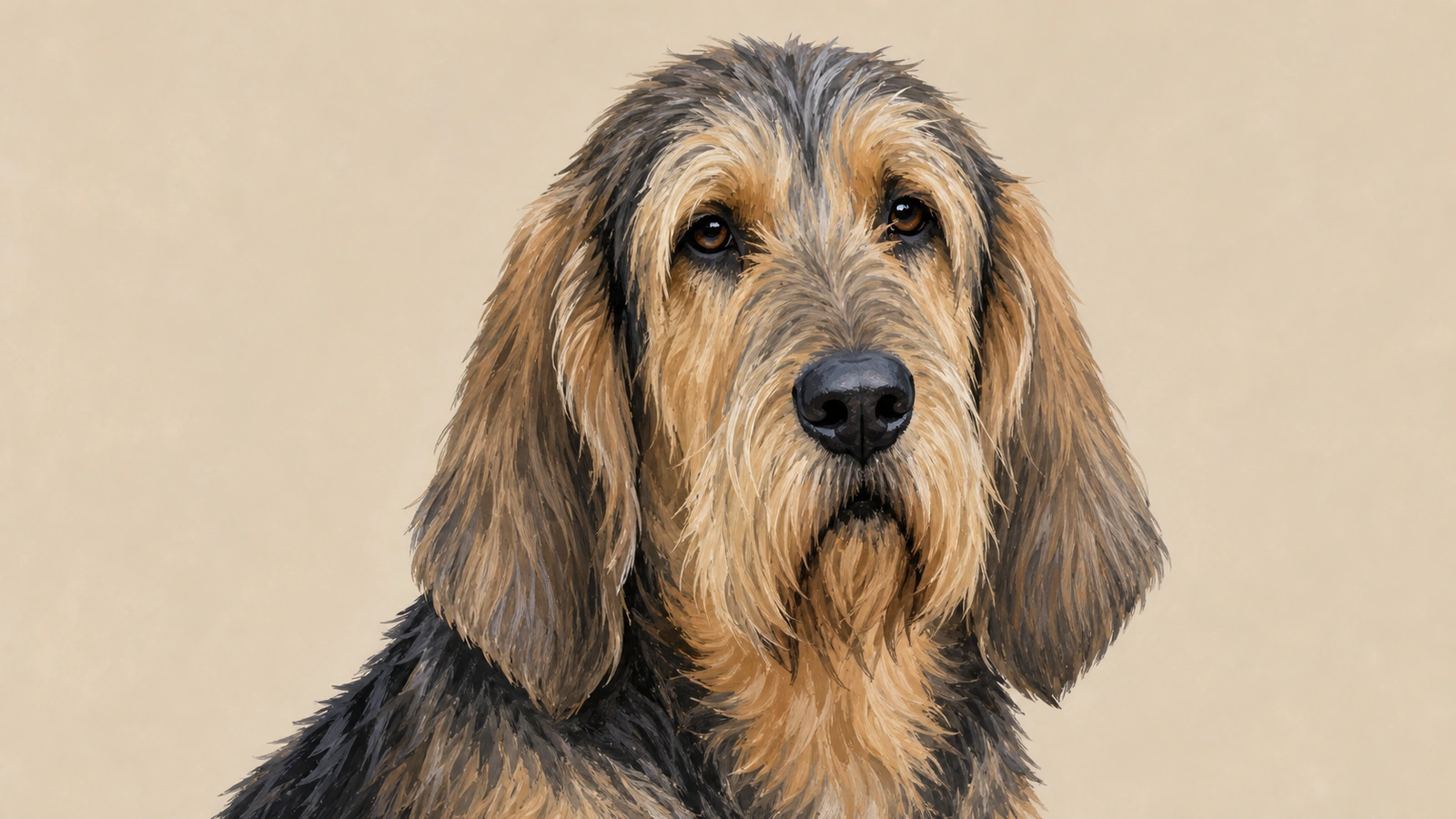
Meet the Otterhound: a shaggy, rare treasure! This boisterous swimmer loves to splash, sniff, and cuddle. Perfect for active, water-loving families.

BREED GROUP

Hound Dogs

Country of origin

United Kingdom

BREED SIZE

Giant

BREED HEIGHT

24 -

28 IN

61 -

71 cm

BREED WEIGHT

80 -

115 LB

36 -

52 KG

WHAT YOU NEED TO KNOW

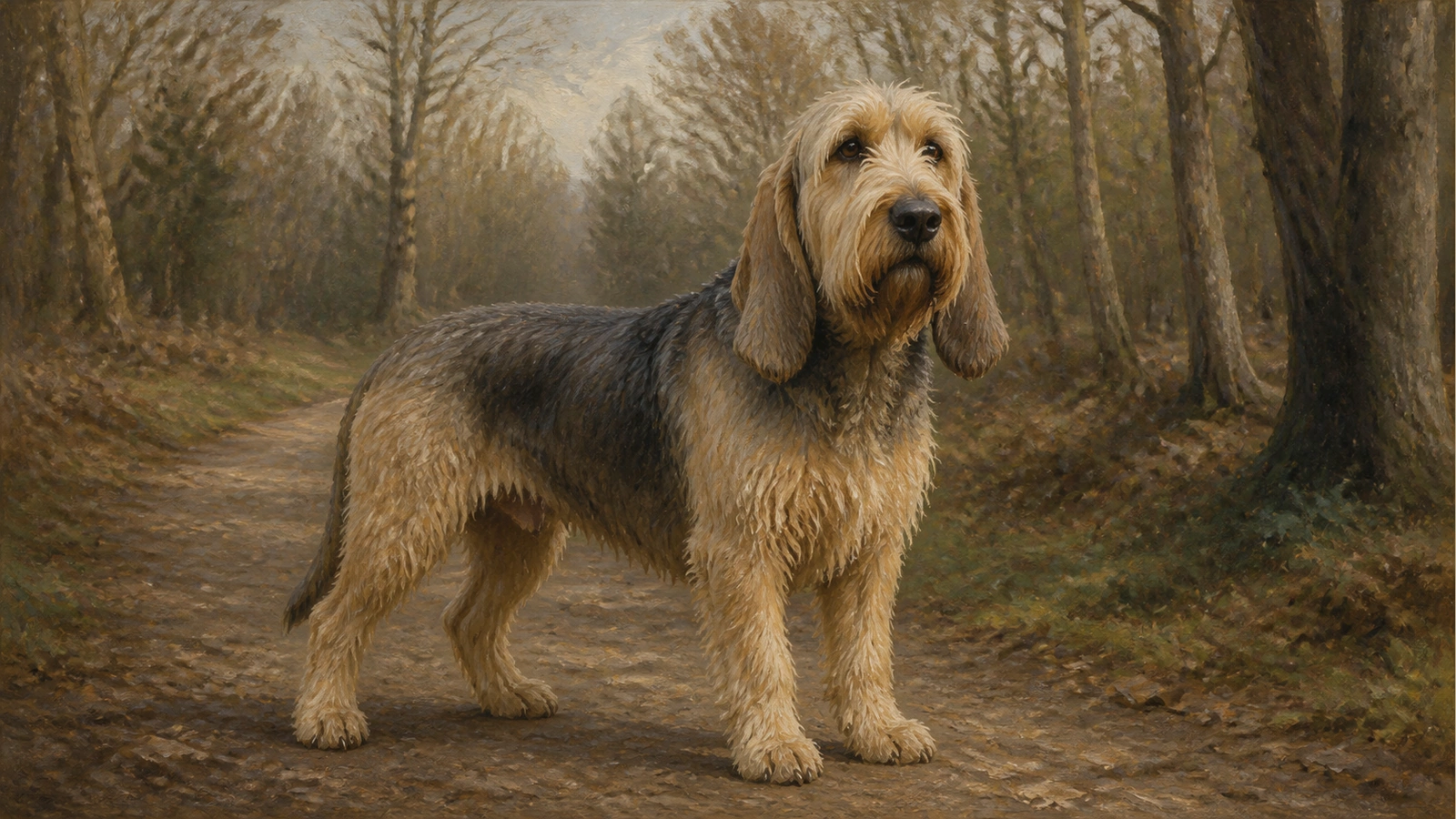
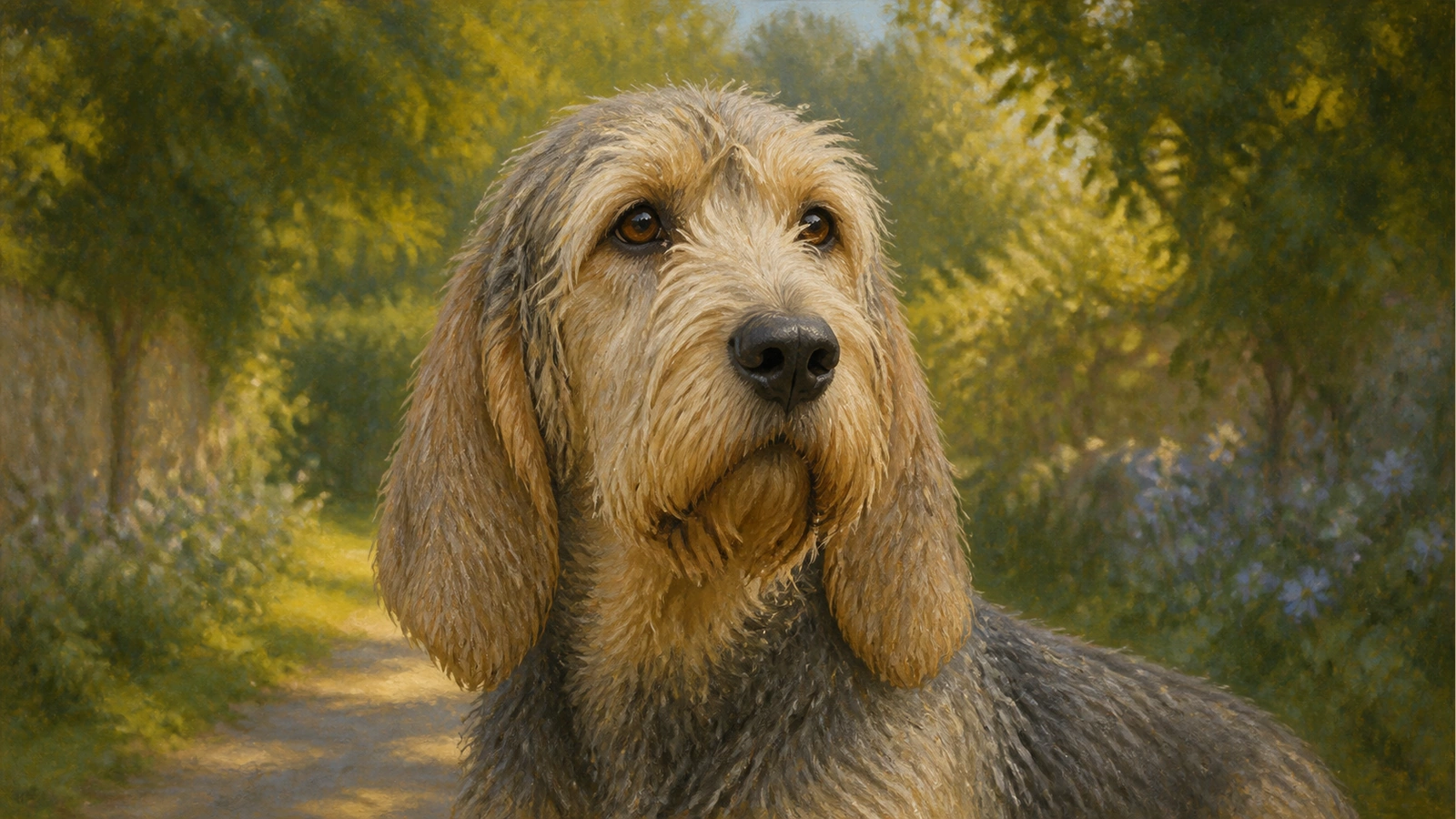
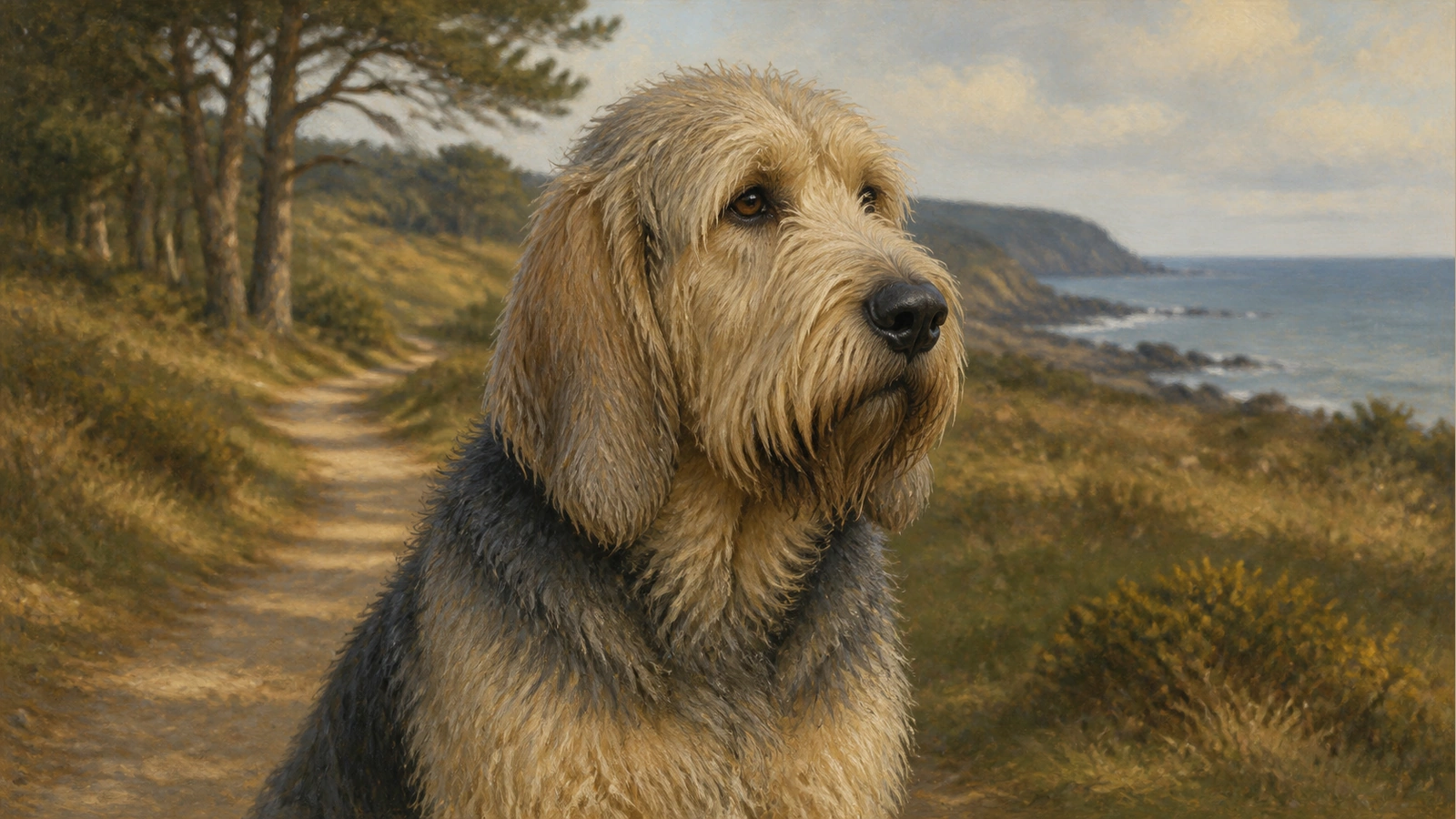
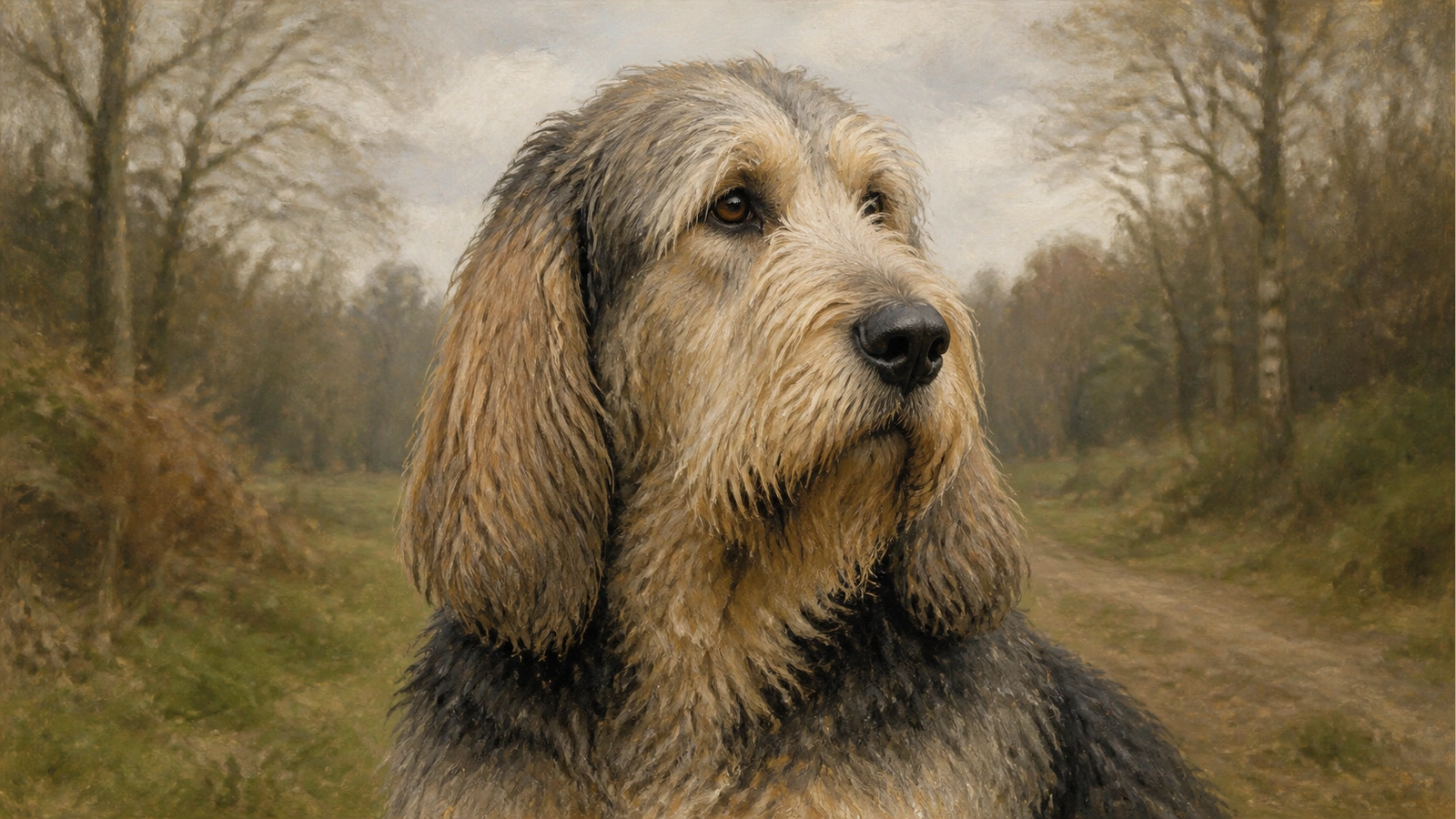
The Otterhound is a large, rare scenthound from the United Kingdom, originally bred for hunting otters. Known for their shaggy, water-resistant double coat and unique webbed feet, they are expert swimmers with an exceptionally acute sense of smell. These amiable and boisterous dogs typically live 10-13 years and weigh between 80 and 115 pounds. While affectionate family companions, they are independent thinkers with a stubborn streak, requiring patient, reward-based training. They need significant daily exercise and regular grooming to maintain their dense coats and prevent ear infections.
american kennel club (AKC) recognition

Yes

Breed was recognized in 1909.

International Canine Federation (FCI) recognition

Yes

Breed was recognized in 1954.
WHAT DO OWNERS WANT TO KNOW?

Are Otterhounds good family dogs?

Good

7 out of 10

Otterhounds make affectionate family companions known for their amiable and boisterous personalities. While they are loyal, they are also independent thinkers with a stubborn streak that requires patient, reward-based training to thrive in a household.

Good

7 out of 10

While affectionate, their size and boisterous nature can be overwhelming for toddlers, often categorized as Better with Older Children.

Not Recommended

1 out of 10

Otterhounds are generally not recommended for first-time owners due to their independent and stubborn nature. While they are amiable and affectionate, they are independent thinkers who require patient, consistent, and reward-based training. Their strong scent drive can make them easily distracted and difficult to manage for those without experience in handling large, boisterous scenthounds.

Not Recommended

1 out of 10

Otterhounds are generally not well-suited for apartment living due to their large size, boisterous nature, and high exercise needs. They thrive best in spacious environments, ideally in rural areas or homes with large, securely fenced yards where they can roam and explore. Without adequate space and mental stimulation, they may become bored and prone to loud baying or destructive behavior.

Highly Recommended

2 out of 10

A large, securely fenced yard is highly recommended for Otterhounds to accommodate their boisterous nature and strong scent-tracking instincts. Their size and need for expansive space make them poorly suited for apartment living, as they thrive best in environments where they can safely roam and explore outdoors.

Not Recommended

1 out of 10

Otterhounds are highly social pack animals that typically do not do well when left alone for long periods and may develop separation anxiety. They are known to express their distress through loud, soulful baying or destructive behaviors, so they thrive best in households where they have constant human companionship or the company of another dog.

Average

5 out of 10

Otterhounds can generally coexist well with cats, especially when raised together from a young age. Their amiable and boisterous personalities allow for harmonious relationships, but their strong scent drive and hunting instincts mean that supervision is necessary, and they may be prone to chasing unfamiliar cats.

Gentle

9 out of 10

Otterhounds are not inherently aggressive and are typically known as gentle giants with an amiable, even-tempered nature. While they are friendly toward family and generally kind to strangers, they possess a strong-willed independence and can be protective if they sense a threat. Early socialization and consistent training are essential to manage their boisterous energy and ensure their natural friendliness is directed appropriately.

Energetic

7 out of 10

Otterhounds are exceptionally high-energy dogs that require significant daily exercise and mental stimulation to thrive. Originally bred for long days of hunting in water and on land, they need outlets like swimming, long walks, or running in a large, secure yard. Without at least two hours of vigorous activity, these boisterous hounds can become bored, leading to destructive behaviors like chewing or excessive baying.

~90 min a day

10 out of 10

Otterhounds are high-energy scenthounds that require approximately 1.5 to 2 hours of daily exercise to stay healthy and satisfied. As natural water lovers with webbed feet, they particularly enjoy swimming, but they also thrive on long walks, hikes, and scent-based games. Because of their strong tracking instincts, they should always be kept on a leash or in a securely fenced area during outdoor activities to prevent them from wandering off after a scent.

Fair

4 out of 10

Otterhounds can struggle in extreme heat due to their thick, shaggy double coats, which are better suited for cooler climates and water. They may become lethargic during warm weather and are at risk of overheating if overexerted. Owners should ensure they have access to shade, plenty of fresh water, and a cool indoor space while avoiding strenuous exercise during peak sun hours.

Fair

4 out of 10

Otterhounds can struggle in extreme heat due to their thick, shaggy double coats, which are better suited for cooler climates and water. They may become lethargic during warm weather and are at risk of overheating if overexerted. Owners should ensure they have access to shade, plenty of fresh water, and a cool indoor space while avoiding strenuous exercise during peak sun hours.

Highly Likely

2 out of 10

Otterhounds are rarely included on specific breed-restricted lists, but their giant size and high energy levels make them challenging for most apartment settings. Many rentals have weight limits that this breed significantly exceeds, often capping at 50 pounds. Additionally, their loud, soulful baying can lead to noise complaints in close-quarters living, so it is essential to check individual landlord policies regarding giant breeds and noise.

WHAT DO OWNERS WANT TO KNOW?


Photo
Reviewed by
Dr. Vojtech Gabriel
DVM · PhD · MBA
Veterinarian Researcher Dog breed specialist
Verified

"Otterhounds are amiable companions but have specific health predispositions. As a veterinarian, I prioritize monitoring for Gastric Dilatation and Volvulus (bloat), a life-threatening emergency common in deep-chested breeds. Maintaining dental health is also critical, as advanced dental disease can significantly shorten their lifespan. Their shaggy coats and love for swimming make them prone to chronic ear infections, necessitating regular cleaning. Additionally, because they are susceptible to obesity, strict portion control and consistent exercise are vital to prevent joint strain and other metabolic issues."

Other Hound Dogs