Skip to content

Alaskan Malamute - MAIN HUB

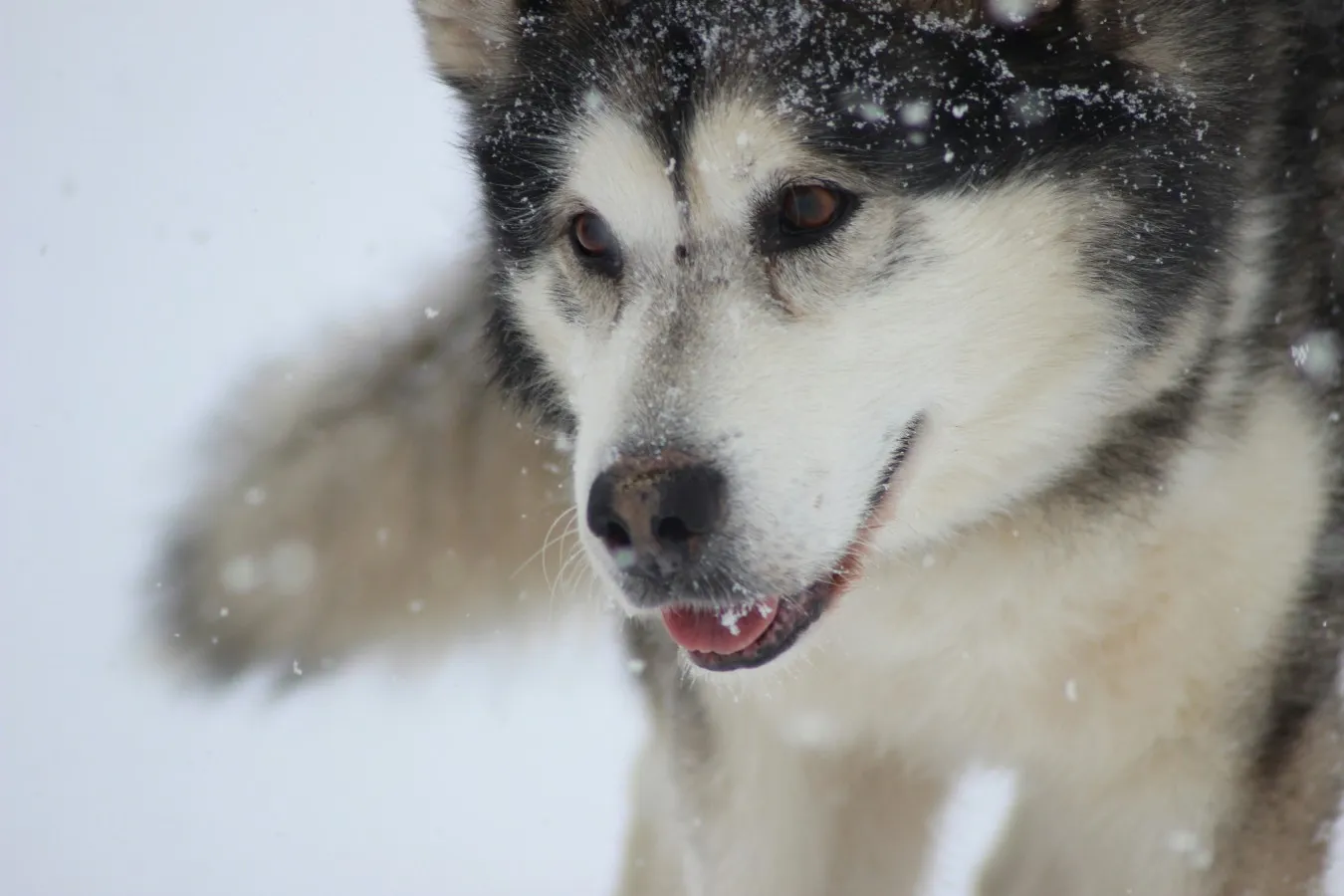
Meet the Alaskan Malamute: a loyal, fluffy powerhouse built for arctic adventure and big family hugs. Perfect for active, devoted pack leaders!

BREED GROUP

Spitz Dogs

Country of origin

United States

BREED SIZE

Large

BREED HEIGHT

23 -

25 IN

58 -

64 cm

BREED WEIGHT

75 -

85 LB

34 -

39 KG

WHAT YOU NEED TO KNOW

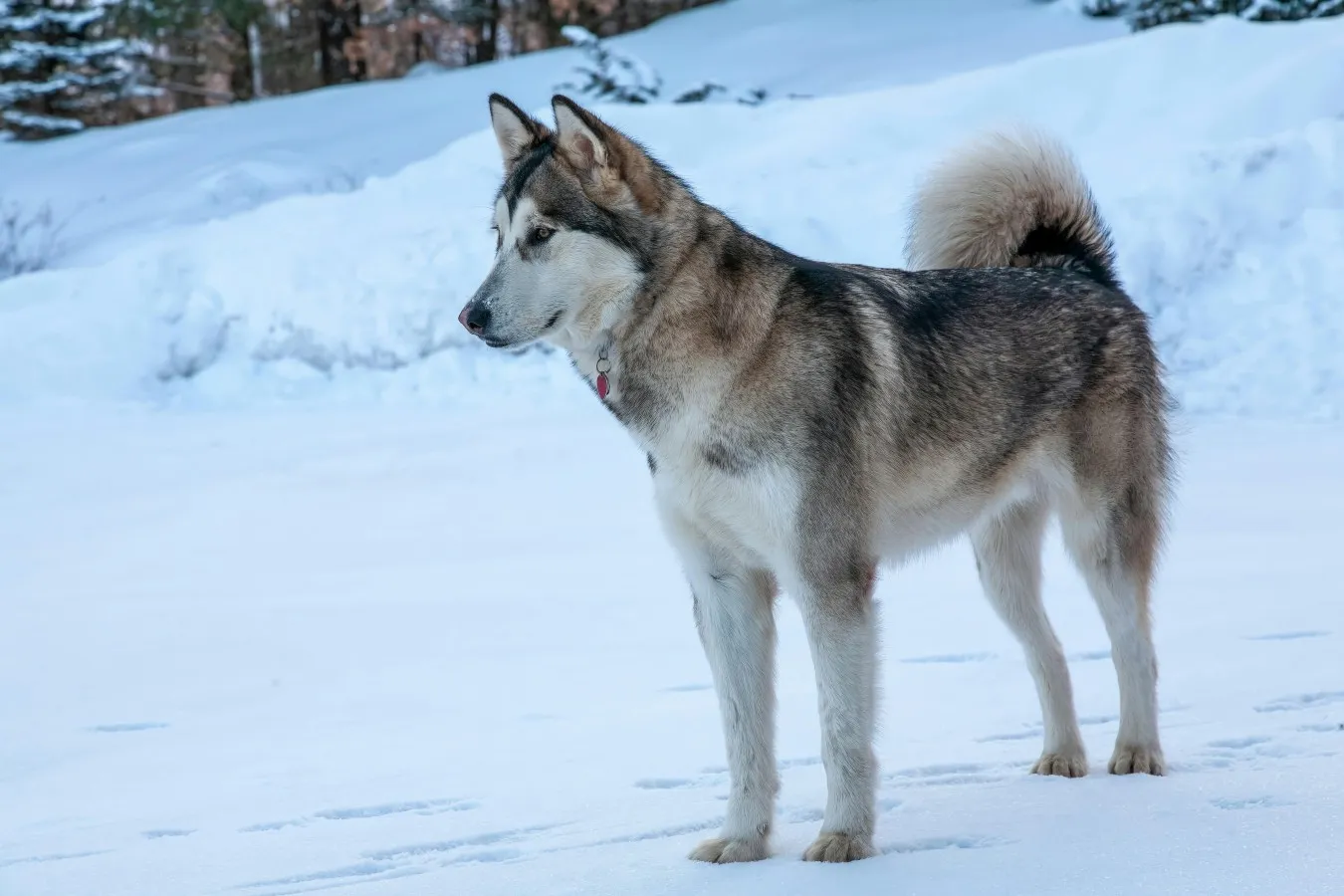
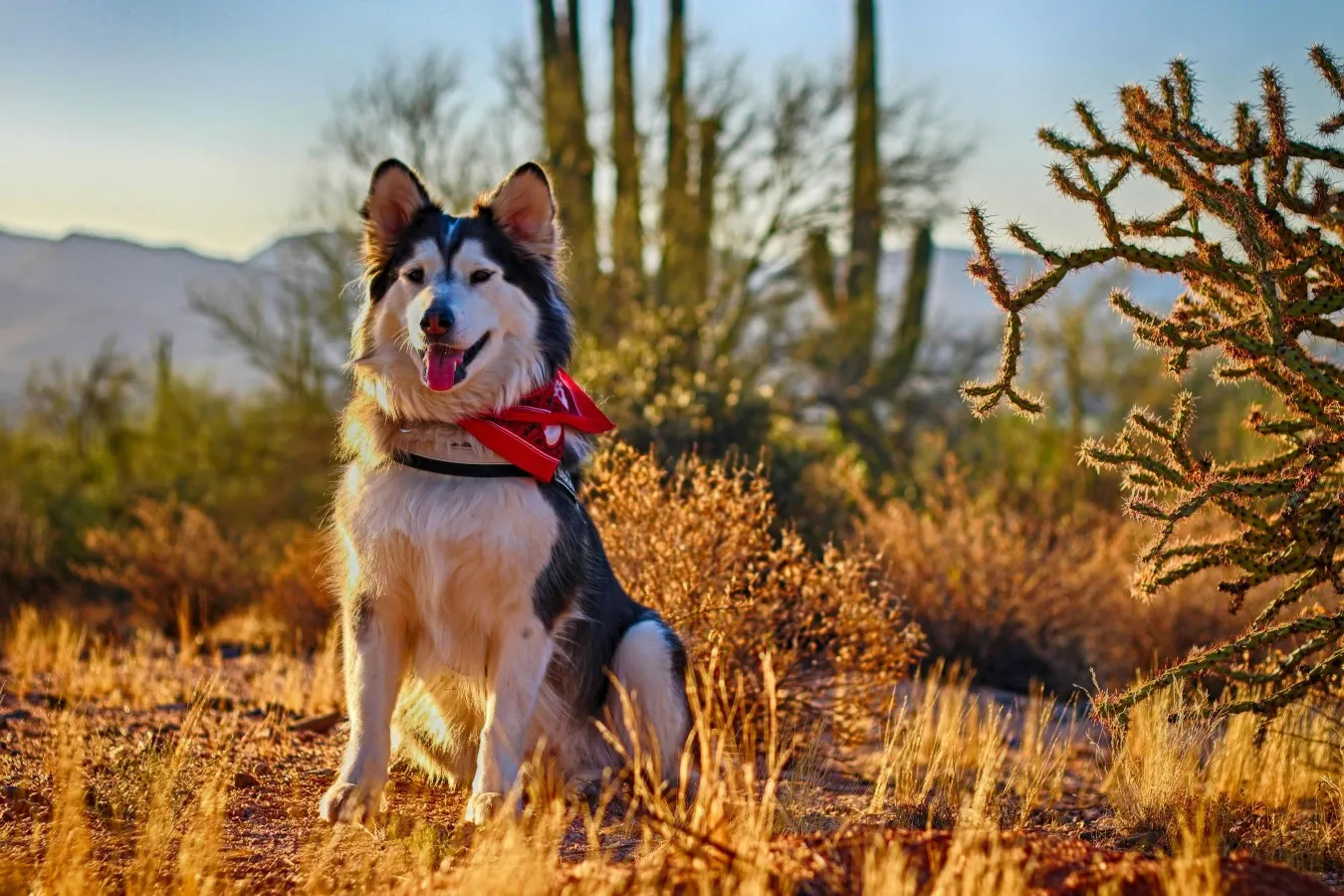
The Alaskan Malamute is a powerful, heavy-duty working dog originating from the United States. Bred for hauling heavy freight in harsh Arctic conditions, they possess immense strength and endurance. With a lifespan of 10-14 years, they are affectionate, loyal, and playful companions. Malamutes have a thick double coat that requires significant grooming. They are highly intelligent but can be stubborn, needing firm, consistent training. Their high energy levels demand vigorous daily exercise, making them best suited for active owners.
american kennel club (AKC) recognition

Yes

Breed was recognized in 1935.

International Canine Federation (FCI) recognition

Yes

Breed was recognized in 1963.
WHAT DO OWNERS WANT TO KNOW?

Are Alaskan Malamutes good family dogs?

Great

9 out of 10

Alaskan Malamutes are excellent family dogs for active owners, as they are affectionate, loyal, and playful companions. However, they require firm, consistent training and vigorous daily exercise to manage their high energy and occasional stubbornness.

Great

8 out of 10

Malamutes are generally very good with children and are known for their playful and patient nature. However, due to their large size and strength (75-85 lbs), they can accidentally knock over small children during enthusiastic play. Adult supervision is always recommended.

Not Recommended

1 out of 10

Alaskan Malamutes are generally not recommended for first-time owners. They are highly intelligent, independent, and possess a strong pack instinct. They require a confident owner who can provide firm, consistent training and establish leadership, otherwise, they can become unruly and dominant.

Not Recommended

1 out of 10

Malamutes are not suited for apartment living. They are large, highly active dogs that need substantial space to move around. Their thick coats make them prone to overheating indoors, and their tendency to howl or "woo-woo" can easily disturb close neighbors.

Strictly Required

1 out of 10

A large, securely fenced yard is essential for an Alaskan Malamute. They have a strong instinct to roam and dig. The fence must be high and buried deep, as they are notorious escape artists. A yard provides necessary space for them to burn off energy safely.

Not Recommended

1 out of 10

Malamutes are highly social pack animals and do not tolerate being left alone for long periods. Isolation can lead to severe separation anxiety, resulting in destructive behaviors like chewing, digging, and excessive howling. They need a family where someone is home often.

Very Poor

1 out of 10

Alaskan Malamutes have a very high prey drive. They are generally not recommended for households with cats or small pets. Even with early socialization, their instinct to chase and hunt small animals is strong, which can pose a significant risk to feline housemates.

Reactive

2 out of 10

Malamutes are typically very friendly and affectionate, even with strangers, making them poor guard dogs. However, they can be aggressive toward other dogs of the same sex if not properly socialized. Early socialization is crucial to ensure they are well-mannered around other canines.

Hyperactive

10 out of 10

Yes, Alaskan Malamutes are extremely high-energy dogs. They were bred for endurance and pulling heavy loads over long distances. They require a significant amount of daily physical activity to keep them healthy and prevent boredom-induced destructive behaviors.

~120+ min a day

10 out of 10

A Malamute needs at least 2 hours of vigorous exercise daily. This should include long walks, hiking, running, or pulling activities like sledding or carting. They need a job to do, and ample physical exertion is vital for their physical and mental well-being.

Danger

1 out of 10

Malamutes struggle in hot weather due to their incredibly thick, insulating double coat. In warm climates, they must be kept in air-conditioned environments. Exercise should be strictly limited to early mornings or late evenings to prevent heatstroke, and fresh water must always be available.

Danger

1 out of 10

Malamutes struggle in hot weather due to their incredibly thick, insulating double coat. In warm climates, they must be kept in air-conditioned environments. Exercise should be strictly limited to early mornings or late evenings to prevent heatstroke, and fresh water must always be available.

Frequently Restricted

4 out of 10

While not typically categorized as a "dangerous breed," Alaskan Malamutes are sometimes restricted in apartments or rentals due to their large size (often exceeding weight limits) and their high energy levels, which can lead to property damage if they are under-exercised.

WHAT DO OWNERS WANT TO KNOW?


Photo
Reviewed by
Dr. Vojtech Gabriel
DVM · PhD · MBA
Veterinarian Researcher Dog breed specialist
Verified

"Alaskan Malamutes are generally sturdy dogs, living 10-14 years. As a vet, I primarily screen them for hip dysplasia, elbow dysplasia, and certain eye conditions like cataracts. Their thick double coat requires diligent grooming to prevent skin issues. Obesity can be a concern if their high caloric intake isn't matched with vigorous exercise. Owners must be proactive with joint health and weight management throughout their life."

Other Spitz Dogs