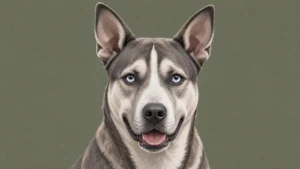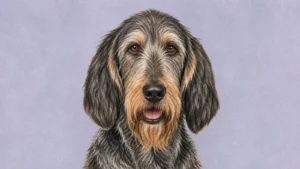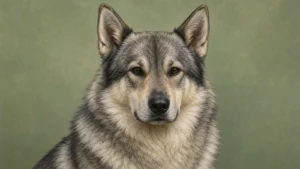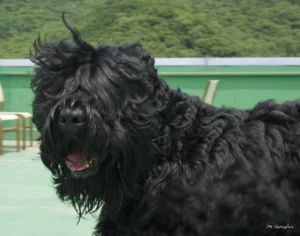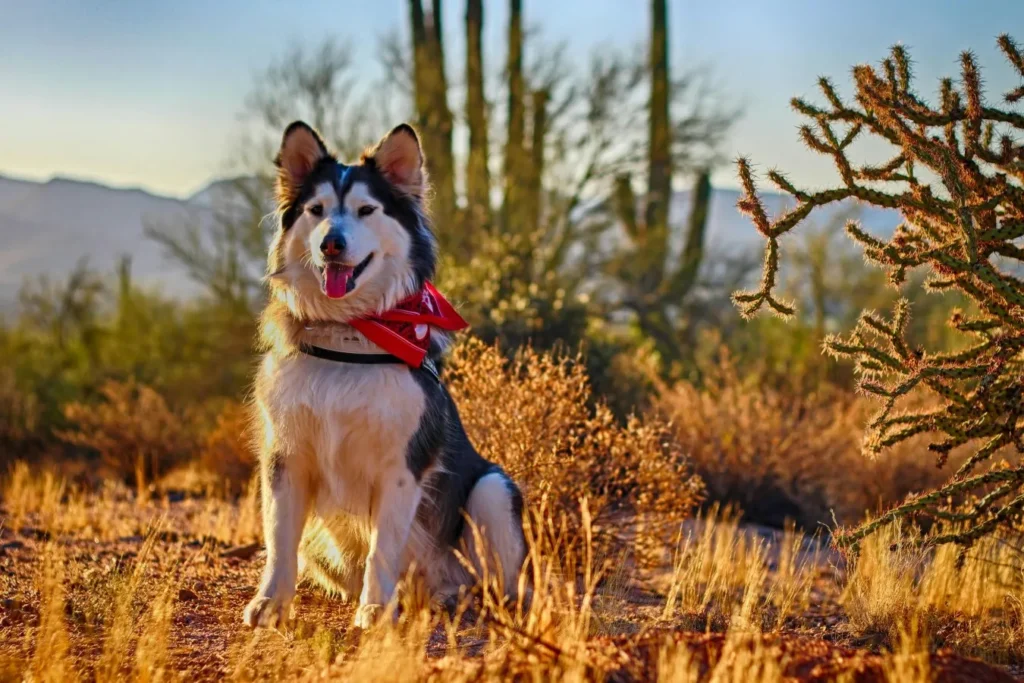
Alaskan Malamute Personality Profile
Breed Group
Spitz Dogs
Country of Origin
United States
Breed Size
Large
AKC Recognition
Yes, recognized in 1935
FCI Recognition
Yes, recognized in 1963
Friendliness
Very Friendly9 / 10
Attachment
Velcro Dog9 / 10
Playfulness
Very Playful8 / 10
Smart
Very Smart8 / 10
Cuddle
Very Cuddly9 / 10
Separation anxiety
Highly Anxious10 / 10
Personality FAQ
Are Alaskan Malamute smart?
Alaskan Malamutes are highly intelligent but incredibly stubborn. Bred to pull heavy sleds independently, they are problem-solvers who will often test your boundaries. Training requires immense patience, firm leadership, and positive reinforcement. They respect confident owners but will quickly ignore commands if they sense weakness.
Smart: 8 / 10
Do Alaskan Malamute like to cuddle?
Despite their rugged appearance, Malamutes are incredibly affectionate, pack-oriented dogs. They love being around their people and consider everyone a friend. They are playful, goofy, and enjoy cuddling, often forgetting their large size as they try to climb into your lap for some love.
Cuddle: 9 / 10
Do Alaskan Malamute get separation anxiety?
As deeply pack-oriented dogs, Malamutes hate being left alone. They thrive on family interaction and can develop separation anxiety if isolated for long hours. Bored or lonely Malamutes are notorious for destructive chewing, digging escape routes, and excessive howling, so they need constant companionship.
Separation anxiety: 10 / 10
Do Alaskan Malamute bark a lot?
Malamutes rarely bark in the traditional sense, but they are extremely vocal. They communicate through a wide range of woo-woos, grumbles, and loud, sustained howling. While not great watchdogs, their vocalizations can be noisy, especially if they are bored or trying to talk to you.
Barking: 8 / 10
Are Alaskan Malamute protective or territorial?
Despite their intimidating wolf-like appearance, Malamutes make terrible guard dogs. They are incredibly friendly and tend to view every stranger as a new best friend to play with. While they might alert you to someone's presence, they are far too sociable to be genuinely protective or territorial.
Protective tendency: 4 / 10
Vet Insights
Alaskan Malamutes are intelligent, independent, and deeply pack-oriented companions. While their stubborn streak makes training a patient endeavor, they are incredibly affectionate and thrive on human interaction. These vocal, high-energy workers are friendly toward strangers but prone to separation anxiety, requiring consistent companionship and vigorous activity to keep their goofy, playful spirits happy and prevent destructive behaviors.