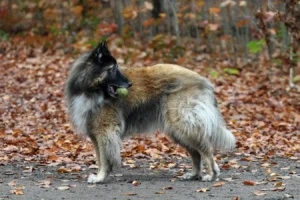
Black Russian Terrier Personality Profile
Breed Group
Working Dogs
Country of Origin
Russia
Breed Size
Giant
AKC Recognition
Yes, recognized in 2004
FCI Recognition
Yes, recognized in 1955
Friendliness
Aloof3 / 10
Attachment
Balanced5 / 10
Playfulness
Occasional4 / 10
Smart
Smart7 / 10
Cuddle
Average5 / 10
Separation anxiety
Anxious8 / 10
Personality FAQ
Are Black Russian Terrier smart?
Black Russian Terriers are exceptionally intelligent and highly trainable working dogs. They learn complex tasks quickly but require confident, consistent leadership. They thrive when given a job to do and respect clear boundaries.
Smart: 7 / 10
Do Black Russian Terrier like to cuddle?
Intensely loyal to their families, Black Russian Terriers form incredibly strong bonds. However, they are often more dignified than cuddly. They prefer to show affection by staying close and keeping a watchful eye on their pack.
Cuddle: 5 / 10
Do Black Russian Terrier get separation anxiety?
Because they bond so deeply with their owners, Black Russian Terriers can develop separation anxiety if left alone for extended periods. They thrive on companionship and having a job to do.
Separation anxiety: 8 / 10
Do Black Russian Terrier bark a lot?
They are not typically nuisance barkers but will loudly and confidently alert you to any perceived threat or stranger approaching the property. Their deep, intimidating bark is usually reserved for guarding and protecting.
Barking: 4 / 10
Are Black Russian Terrier protective or territorial?
Black Russian Terriers are courageous and powerful guardians with a natural instinct to protect their family and territory. Originally bred for military and police work, they are intensely loyal and naturally suspicious of strangers, requiring consistent training and early socialization to ensure their protective nature remains balanced.
Protective tendency: 10 / 10
Vet Insights
Black Russian Terriers are intelligent, courageous, and deeply loyal guardians. While affectionate with family, they remain naturally aloof and watchful with strangers. These powerful working dogs possess strong protective instincts and require confident leadership. Although they are moderate barkers, their intense bonds make them prone to separation anxiety, necessitating consistent companionship, mental stimulation, and early socialization.