Black Russian Terrier Health and Costs
Breed Group
Working Dogs
Country of Origin
Russia
Breed Size
Giant
AKC Recognition
Yes, recognized in 2004
FCI Recognition
Yes, recognized in 1955
Rarity
Fairly Common4 / 10
Purchase cost
Moderate to Expensive6 / 10
Life expectancy
Moderate Lifespan5 / 10
Health
Moderate health concerns4 / 10
Health problem risk
High health burden7 / 10
Maintenance cost
Moderate upkeep cost4 / 10
A Veterinarian's Guide
Black Russian Terrier Health Problems and Costs
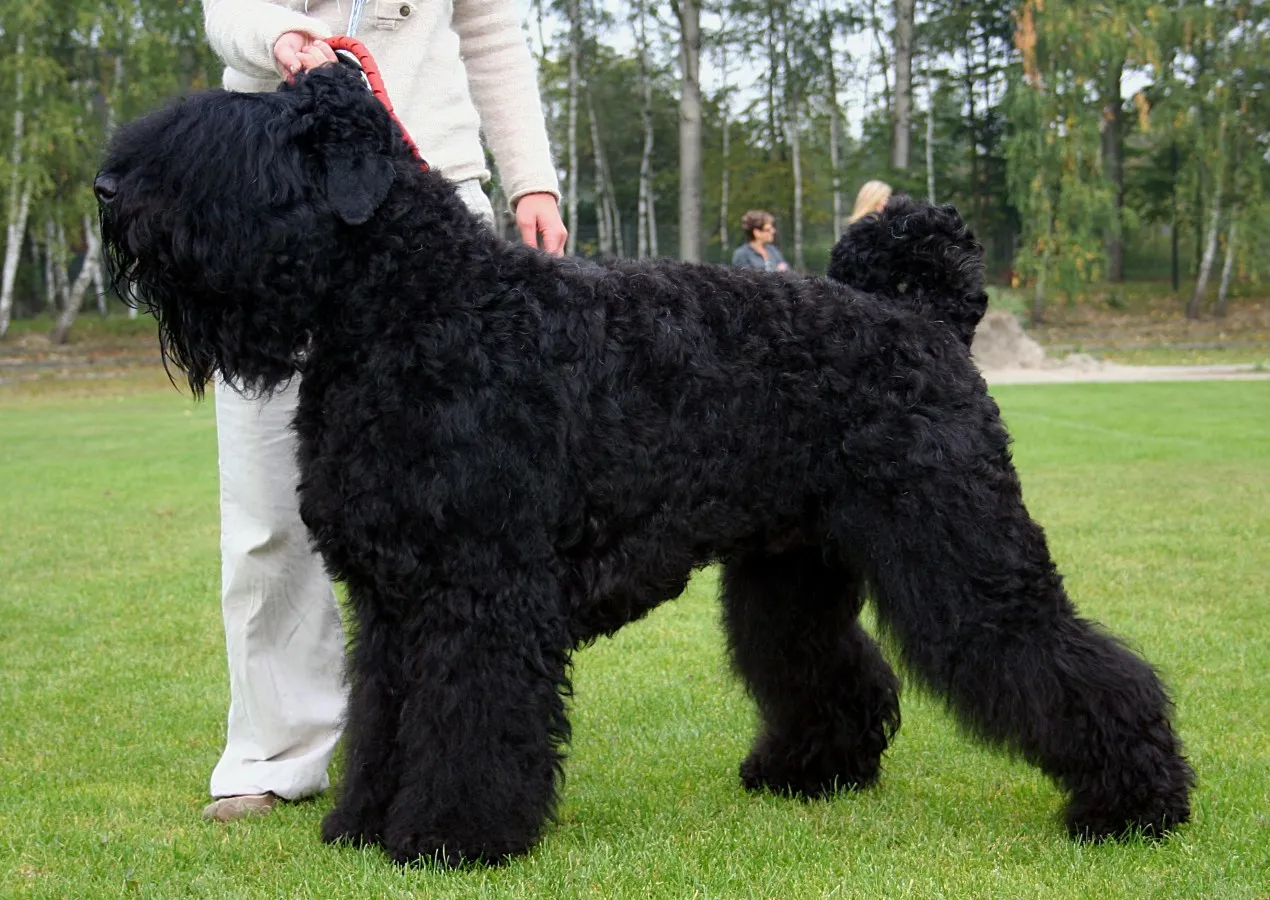
The Black Russian Terrier is a large, dense-coated guardian breed, courageous and confident, bred to guard and protect. It is usually sturdy, but its size and genetics bring a clear set of priorities: hips and elbows, a nerve disorder called JLPP, bladder stones, bloat, and the heart and eyes. Knowing them before you bring a puppy home, or while you already share your life with one, makes screening and vet visits much easier to plan.
In this guide
Why Do Hips and Elbows Need Screening in This Large Breed?
Hip dysplasia and elbow dysplasia are both listed as major concerns for the breed. The word comes from the Greek dys-, "bad," and plasis, "formation." PetMD explains that both happen when the joint does not develop properly, leading to arthritis and discomfort. The AKC lists hip and elbow evaluations among the recommended health tests, and certified results on both parents are the most reliable way to lower the odds in a litter.
Fast growth in a heavy puppy is hard on developing bone. Wikipedia notes that young, heavy, fast-growing puppies of this breed can develop nutrition-linked bone diseases, so ask your veterinarian about a large-breed puppy diet and a lean growth rate, and avoid forcing exercise on puppies. Keeping weight down for life helps protect joints that may already carry some structural risk.
What Is JLPP and Why Does It Matter for This Breed?
Sudden noisy, labored breathing, or collapse after exercise, in a young Black Russian Terrier can be an airway emergency. Go to a veterinary hospital right away rather than waiting to see if it passes.
Juvenile laryngeal paralysis and polyneuropathy, or JLPP, is an inherited nerve disorder listed as a major concern in the breed. Laryngeal paralysis means the muscles of the voice box stop opening properly, which can make breathing noisy and tiring. Polyneuropathy, from the Greek poly, "many," and neuron, "nerve," means damage spread across many nerves instead of one, which can show up as weakness or a changed gait. It affects young dogs.
The AKC lists a JLPP DNA test among the recommended tests for breeding dogs, so carriers can be identified before a litter is planned. If a puppy shows noisy breathing, tiring quickly, or an unusual gait, your veterinarian can discuss diagnosis and supportive care.
What Is Hyperuricosuria and Who Gets Bladder Stones?
Hyperuricosuria is another inherited problem listed in the breed. The name comes from the Greek hyper-, "excess," the Latin uricum, "uric acid," and the Greek ouron, "urine." PetMD describes excess uric acid in the urine forming bladder stones that can block the flow of urine, with treatment that may include a prescription diet, medication, and sometimes surgery. Straining to urinate, frequent trips with little result, or blood in the urine need a prompt veterinary visit, and a dog that cannot pass urine needs emergency care.
Why Is Bloat an Emergency in Deep-Chested Dogs?
Bloat, medically gastric dilatation-volvulus, happens when the stomach fills with gas and twists on itself, cutting off its own blood supply. PetMD notes it is more common in deep-chested breeds. There is no home treatment, and surgery is the only way to correct a twisted stomach, so it is worth learning these warning signs before you ever need them.
- 01
Swollen belly
The abdomen looks tight, rounded, or distended.
- 02
Unproductive retching
Straining to vomit with little or nothing coming up.
- 03
Restlessness and drooling
Pacing, drooling, or being unable to settle.
- 04
Sudden collapse
The dog becomes weak or collapses.
Feeding smaller, more frequent meals and skipping vigorous exercise right around mealtimes may help, though no precaution removes the risk entirely. Some owners choose a preventive gastropexy. The word comes from the Greek gaster, "stomach," and pexis, "fixing in place." The surgery tacks the stomach to the abdominal wall, often at the same time as a spay or neuter, and it stops the stomach from twisting.
What Should Owners Know About the Heart and Eyes?
Heart disease appears in the breed, and Wikipedia lists aortic stenosis, mitral valve dysplasia, and cardiomyopathy among the conditions seen, which are a narrowed outflow from the heart, a malformed heart valve, and weakened heart muscle. Progressive retinal atrophy, or PRA, an inherited breakdown of the retina's light-sensing cells that leads to vision loss and has no cure, is also described, along with eyelid problems such as entropion. The AKC lists a cardiac exam and an ophthalmologist evaluation among the recommended tests, so ask your veterinarian when to begin heart and eye checks and how often to repeat them.
What Does Managing a Black Russian Terrier's Health Actually Cost?
| Condition or Need | Typical Cost Range | Notes |
|---|---|---|
| Hip and elbow evaluation | $250 to $450 | X-rays plus certification fee |
| JLPP DNA test | $150 to $250 | One-time, ideally before breeding |
| Cardiac exam with echocardiogram | $300 to $600 | Timing as your vet advises |
| Ophthalmologist eye exam | $100 to $200 | Repeat as your vet advises |
| Hip dysplasia surgery, if needed | $3,000 to $7,000 per hip | Varies widely by procedure and region |
Questions to Ask a Breeder Before Buying a Puppy
Ask which of the recommended breed tests both parents have had: hip and elbow evaluations, a cardiac exam, an eye exam by an ophthalmologist, and the JLPP DNA test. Ask whether hyperuricosuria, heart disease, or eye disease has appeared in the line, and how the breeder feeds and exercises growing puppies.
Meeting the parents in person, when possible, shows you their temperament as well as how they move. A breeder who welcomes detailed health questions is a far better sign than one who treats testing as an inconvenience.
Daily Life With a Black Russian Terrier
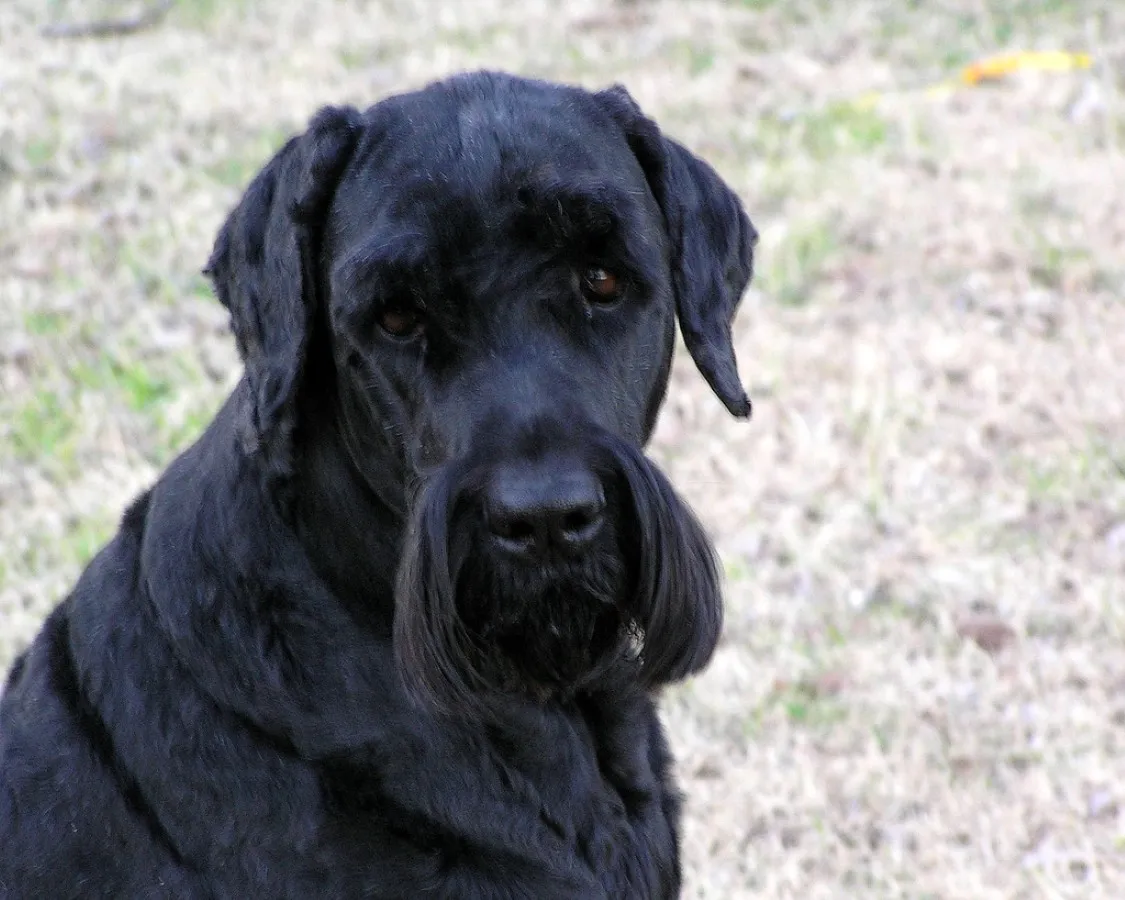
This is a calm, confident guardian that is affectionate with family but can be reserved with strangers, so early, consistent socialization matters, as the personality profile explains. PetMD describes it as not hyperactive but needing at least two walks a day plus regular play, and Wikipedia notes a strong work ethic and a close bond with one person, so firm, consistent training and a job to do suit it well.
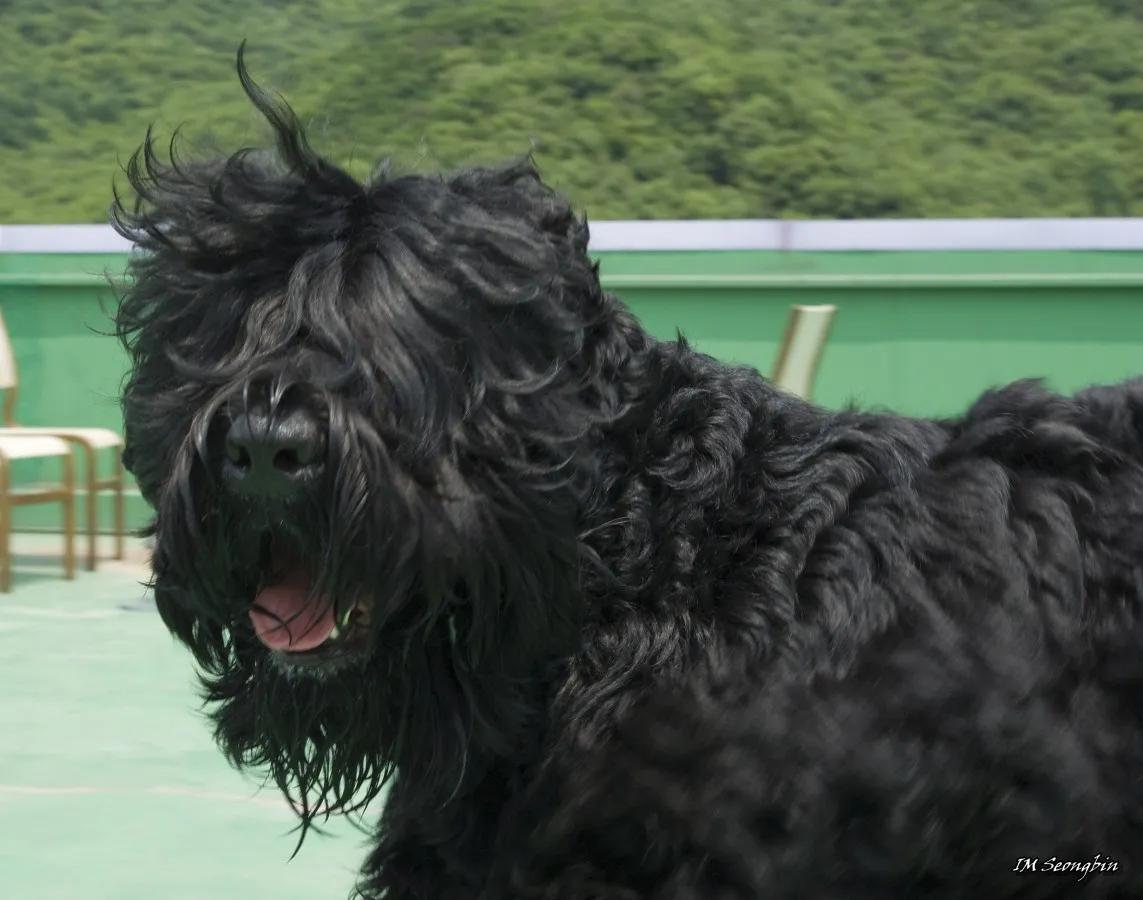
The dense coat sheds little but mats easily. PetMD advises brushing at least a few times a week plus professional trimming of the ears, beard, and paws, and the grooming guide covers the routine. Wikipedia notes that hot spots and fungal infections, especially in the ears and beard, can follow poor coat care, so this is health upkeep as much as appearance.
Keeping Your Black Russian Terrier Healthy for the Long Run
Keep your dog lean, screen hips, elbows, heart, and eyes on your veterinarian's schedule, and learn the signs of bloat and airway trouble before you need them. Pet insurance is worth pricing while your dog is young and healthy.
Final Thoughts From a Veterinarian
Black Russian Terriers usually live 10 to 12 years. Screen hips, elbows, heart, eyes, and JLPP, keep your dog lean, and treat noisy labored breathing or a swollen belly as emergencies. Your veterinarian can tailor the plan.
Health & Costs FAQ
How much do Black Russian Terrier cost?
The cost of a Black Russian Terrier typically ranges from $1,500 to $2,500 from a reputable breeder. Owners should budget significantly for high first-year expenses, including large-breed supplies and vaccinations. Due to their rarity and size, ongoing costs for quality food and health screenings remain high.
Purchase cost: 6 / 10
How long do Black Russian Terrier live?
Black Russian Terriers typically live 10 to 12 years, which PetMD describes as about average for dogs their size. A lean weight, regular exercise, and proactive veterinary care for joints, heart, and eyes help them stay comfortable for as long as possible.
Life expectancy: 5 / 10
Are Black Russian Terrier healthy dogs?
Black Russian Terriers are sturdy, but their size and genetics bring moderate health concerns. Hip and elbow dysplasia, the inherited nerve disorder JLPP, hyperuricosuria bladder stones, bloat, and heart and eye problems all occur. Most live 10 to 12 years. Screening, a lean weight, and regular checkups help, and your veterinarian can tailor a plan.
Health: 4 / 10
What health problems do Black Russian Terrier have?
Black Russian Terriers can develop hip and elbow dysplasia, JLPP, a nerve disorder that affects breathing and gait in young dogs, and hyperuricosuria, which can cause bladder stones. Bloat, progressive retinal atrophy, and heart disease also occur. Screening before breeding and regular veterinary care help catch most problems early.
Health problem risk: 7 / 10
Are Black Russian Terrier expensive to maintain?
Black Russian Terriers have a moderate upkeep cost for a large breed. The dense coat needs brushing a few times a week and regular professional trimming, and a big dog eats a lot. Routine veterinary care and screening of hips, elbows, heart, and eyes add to the budget, so it helps to set money aside for larger bills.
Maintenance cost: 4 / 10
How much does it cost to own a Black Russian Terrier per month?
Expect to spend between $350 and $550 per month to own a Black Russian Terrier. This budget covers their significant food requirements, professional grooming for the dense coat, and routine veterinary care. Pet insurance, if you choose it, adds to the total.
Monthly ownership cost: 8 / 10
How much does pet insurance cost for a Black Russian Terrier?
Pet insurance for a Black Russian Terrier typically ranges from $60 to $110 per month. Premiums tend to be higher for large breeds with joint, bloat, and inherited health risks. A policy is worth pricing while your dog is young and healthy, since surgery and specialist care can add up to thousands of dollars.
Pet insurance cost: 6 / 10
Will homeowners insurance cover a Black Russian Terrier?
Yes, most homeowners insurance policies cover Black Russian Terriers, as they are not typically on restricted breed lists. Some insurers may ask questions about large guardian breeds, so always disclose your dog to confirm your liability coverage is fully active.
Homeowners insurance difficulty: 9 / 10
Are Black Russian Terrier on insurance restricted breed lists?
No, Black Russian Terriers are not commonly found on insurance restricted-breed lists, partly because they are relatively uncommon. Some insurers may still ask about a large guardian breed, so always disclose your dog to keep your liability coverage active.
Insurance restriction risk: 2 / 10
Can you get renters insurance with a Black Russian Terrier?
Yes, you can typically get renters insurance with a Black Russian Terrier, since the breed is rarely on restricted lists. A landlord's pet size or weight limits are more often the obstacle for a dog this big, so confirm the rules with your landlord and disclose your dog to your provider.
Renters insurance difficulty: 8 / 10