Swedish Vallhund Health and Costs
Breed Group
Spitz Dogs
Country of Origin
Sweden
Breed Size
Medium
AKC Recognition
Yes, recognized in 2007
FCI Recognition
Yes, recognized in 1954
Rarity
Fairly Common4 / 10
Purchase cost
Moderate to Expensive4 / 10
Life expectancy
Long Lifespan8 / 10
Health
Generally healthy7 / 10
Health problem risk
Mild health concerns3 / 10
Maintenance cost
Low maintenance cost2 / 10
A Veterinarian's Guide
Swedish Vallhund Health Problems and Costs
The Swedish Vallhund is a low, sturdy herding dog from Sweden, built to nip at the heels of cattle and still keep up with a farm's workday. It is generally healthy and long-lived, but one eye disease carries the breed's own name, and the long, low body asks a lot of the joints. Knowing what to screen for before you bring a puppy home, or while you already share your life with one, makes vet visits and budgeting much easier.
In this guide
What Is Swedish Vallhund Retinopathy?
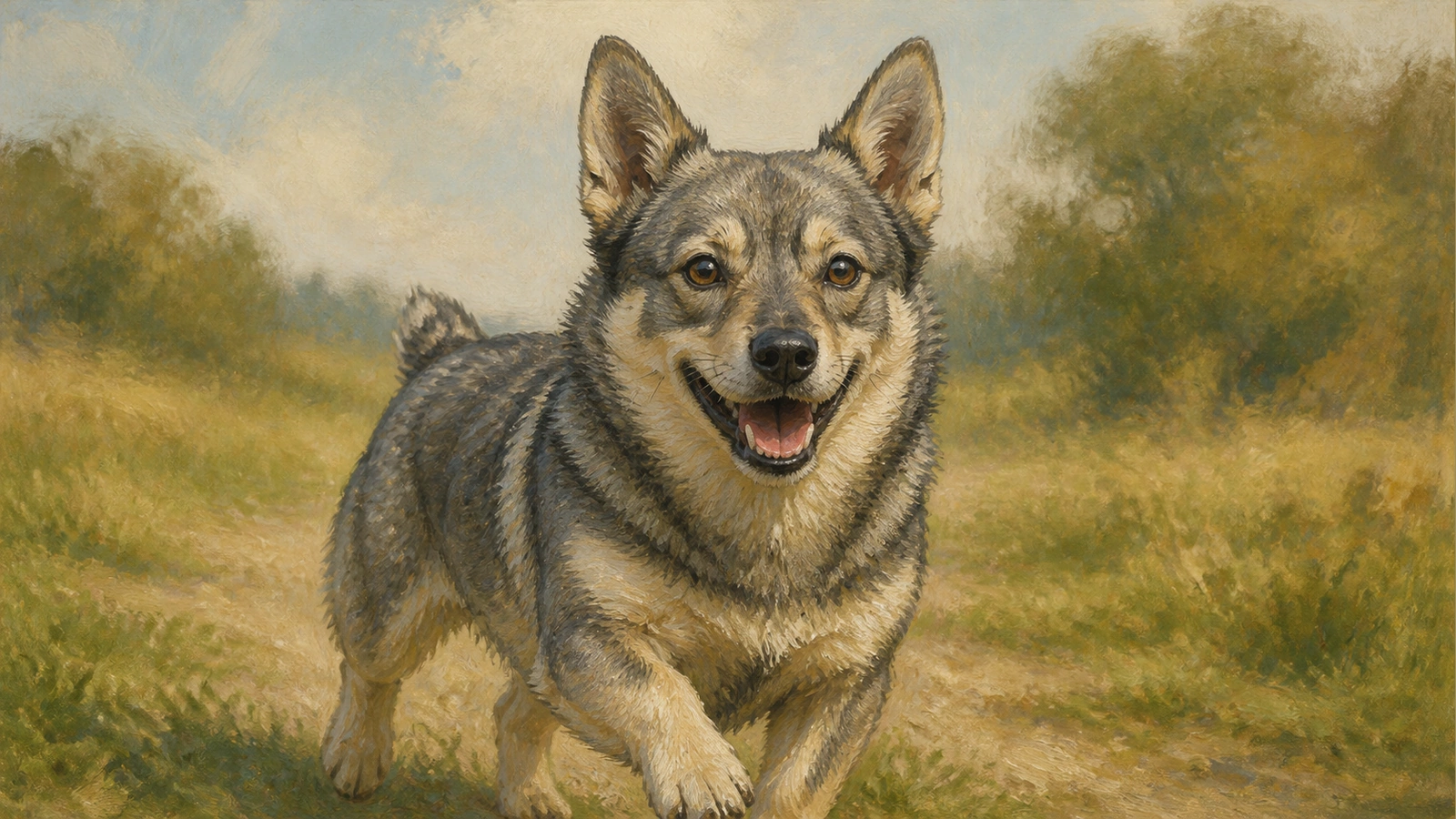
Swedish Vallhund retinopathy is an inherited form of progressive retinal atrophy, a slow loss of the light-sensing cells at the back of the eye. Atrophy comes from the Greek a, "without," and trophe, "nourishment," describing tissue that gradually wastes away. Wikipedia's breed article reports it in roughly a third of the population, usually appearing as mild to moderate night blindness around age ten. A DNA test for the mutation exists, and an eye exam by a veterinary ophthalmologist tracks changes in dogs whose genetic status is unknown.
There is no cure once vision loss begins, but the decline is gradual, and most dogs adapt well when furniture and routines stay consistent. Early detection mainly helps you plan ahead.
What Eye Change Needs Same-Day Care?
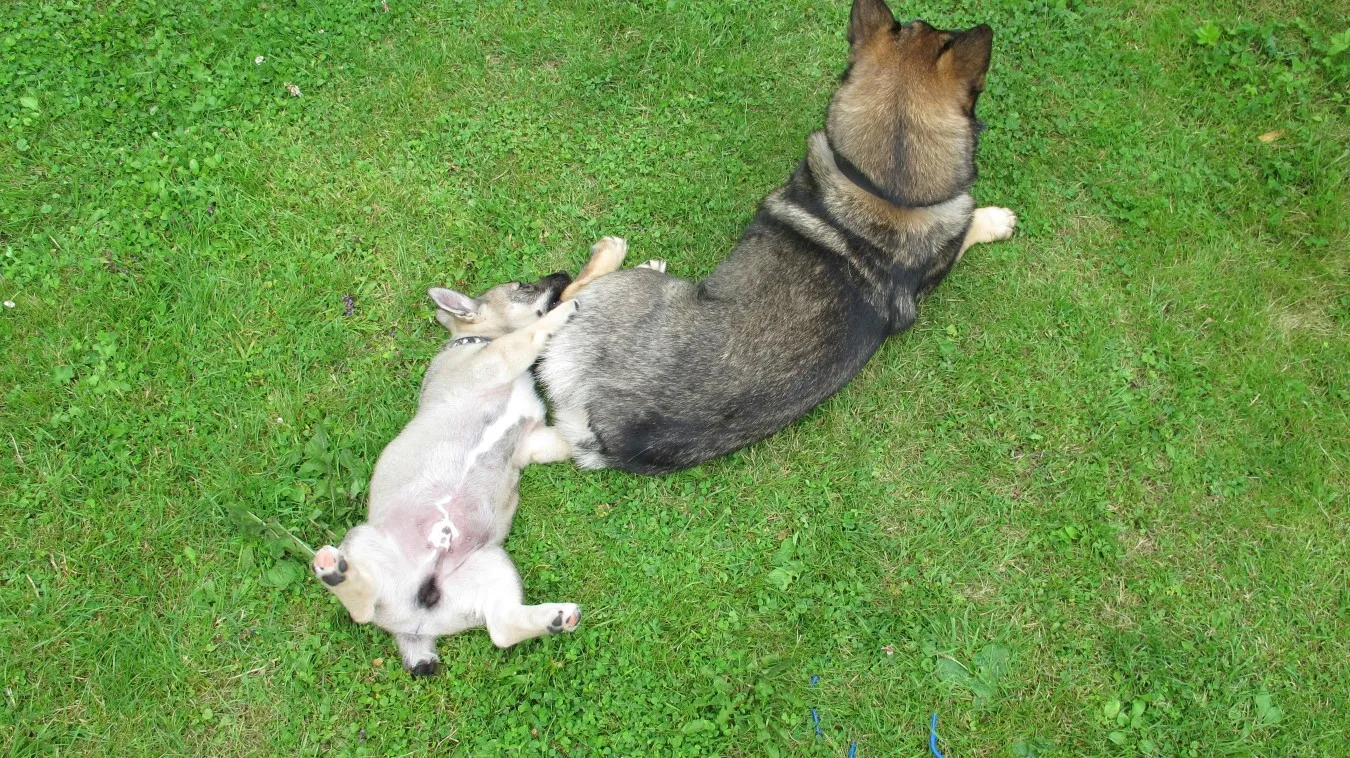
Sudden vision loss, rather than the slow decline typical of retinopathy, can signal retinal detachment or acute glaucoma and needs a veterinary exam the same day.
A dog that abruptly bumps into furniture, stops moving confidently through a familiar home, or holds an eye shut should not be watched overnight. Eye pressure problems can damage sight within hours.
- 01
Sudden bumping into things
A dog that was navigating fine yesterday now hesitates or collides with furniture.
- 02
Painful eye
Squinting, pawing at the eye, or holding it shut.
- 03
Cloudy or red eye
The eye turns hazy, bluish, or visibly red.
- 04
Heavy discharge
Thick or constant tearing from one or both eyes.
Do the Hips and Knees Need Watching in a Long, Low Dog?
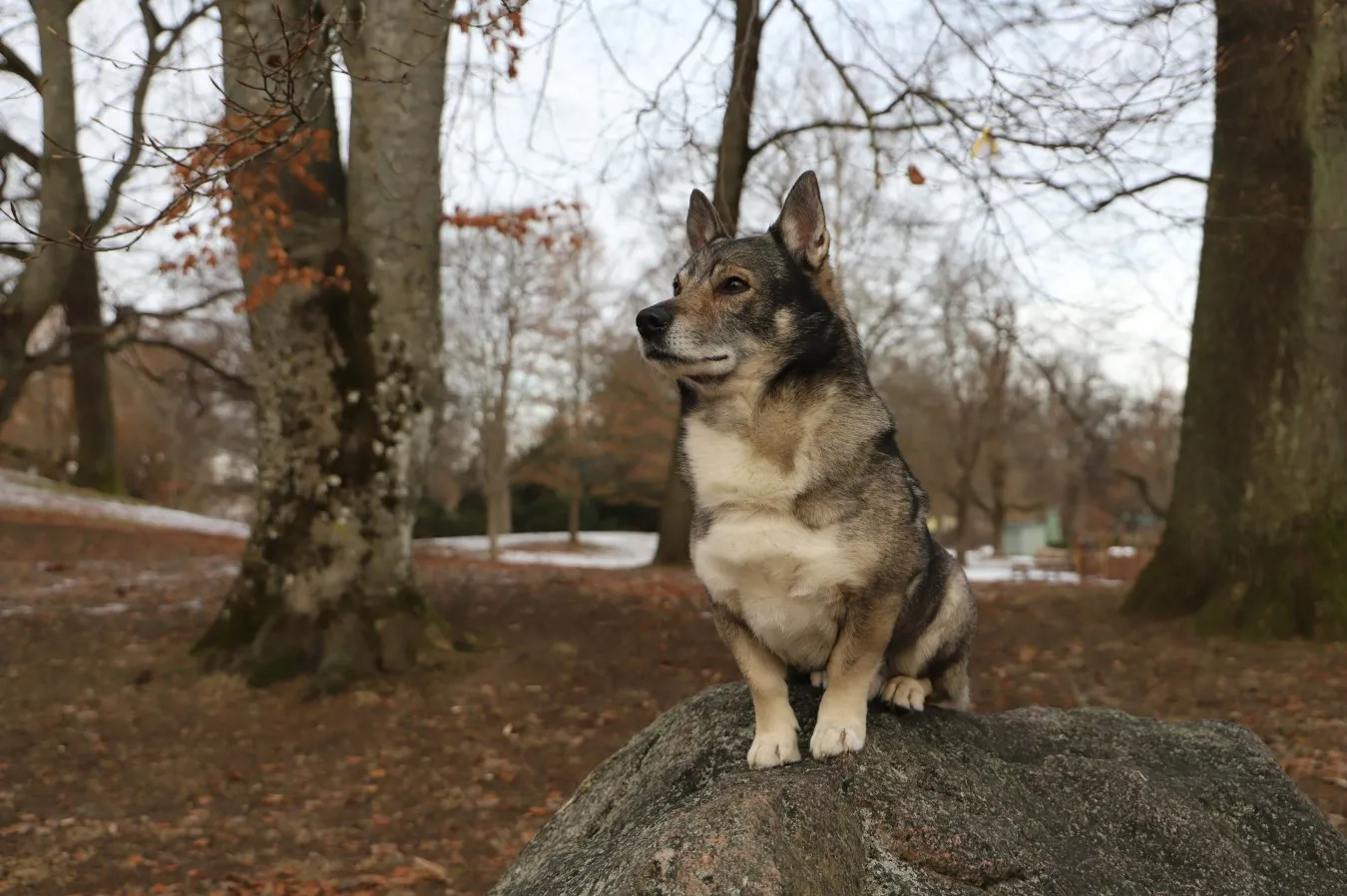
Hip dysplasia, a poorly fitted hip joint that gradually wears down cartilage and leads to arthritis, is on the breed club's recommended screening list, and the Vallhund's long back and short legs already ask a lot of its joints. Dysplasia comes from the Greek dys, "difficult," and plassein, "to form." A slipping kneecap, called patellar luxation, can also occur in short-legged dogs and often shows up as an occasional skip or hop in the gait. Mild cases may need only monitoring, while significant lameness is usually treated with surgery.
Keep your Vallhund lean, since weight is the joint factor you control best, and ask your veterinarian to check kneecap stability at routine visits. Hip X-rays around age one give a baseline.
Is Dental Health a Concern for Swedish Vallhunds?
Like many small to medium dogs, Vallhunds can develop periodontal disease, inflammation and infection of the tissue around the teeth, when home care is inconsistent. Periodontal comes from the Greek peri, "around," and odous, "tooth." Daily brushing started in puppyhood is the most effective habit, and professional cleanings under anesthesia remove tartar below the gumline that brushing cannot reach.
What Does the Coat Require?
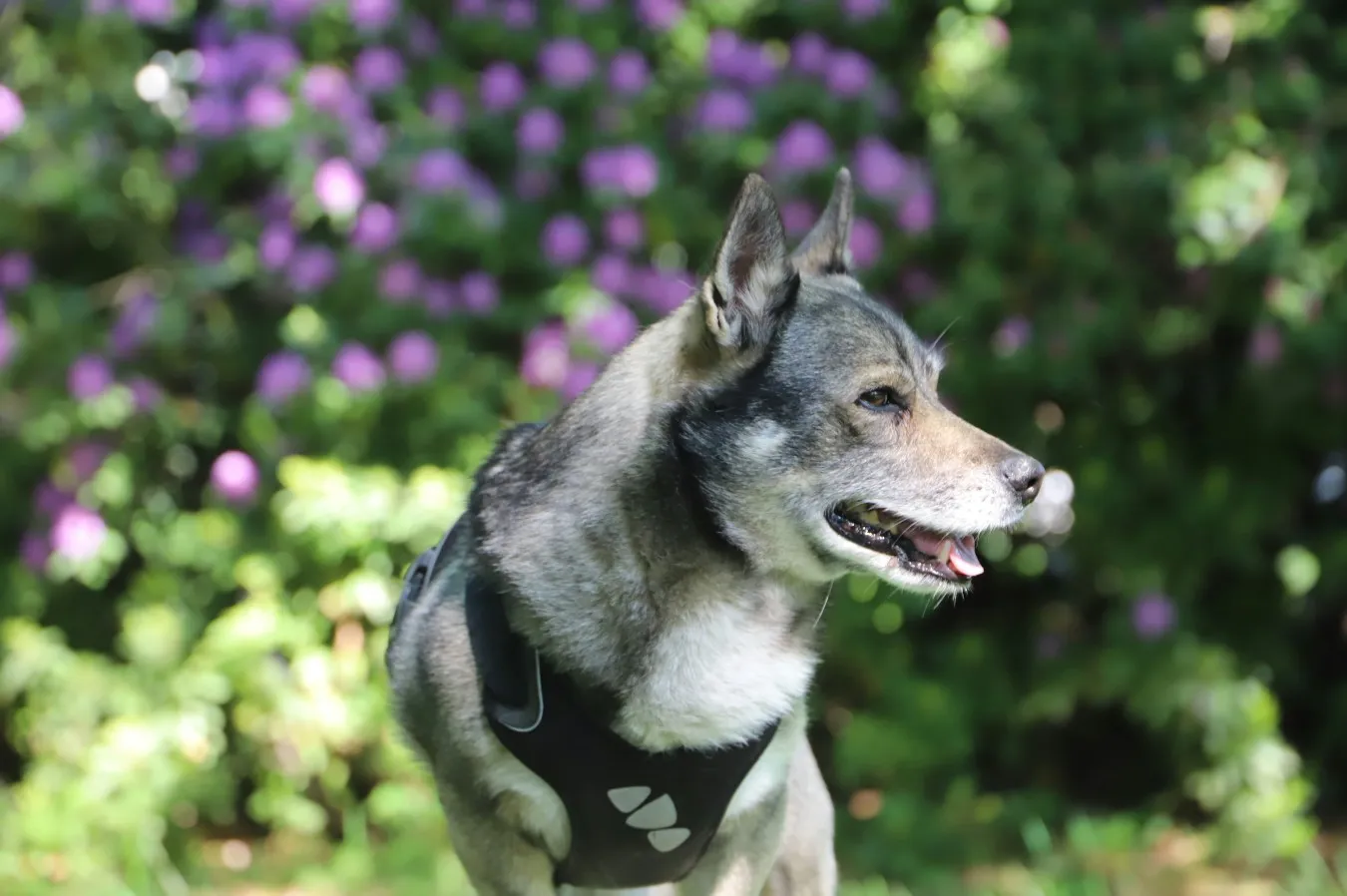
The dense double coat, a harsh topcoat over a soft undercoat, sheds heavily in spring and fall. Brushing at least weekly, and more often during seasonal shedding, keeps loose undercoat from matting against the skin, and professional grooming is rarely needed. The grooming guide covers the routine in detail.
What Does Managing a Vallhund's Health Actually Cost?
| Condition or Need | Typical Cost Range | Notes |
|---|---|---|
| Retinopathy DNA test | $60 to $150 | One-time, ideally before breeding |
| Annual eye exam | $75 to $250 | Most useful from early adulthood |
| Hip screening X-rays | $150 to $400 | One-time, ideally around age one |
| Patellar luxation surgery | $1,500 to $3,500 per knee | For moderate to severe cases |
| Professional dental cleaning | $300 to $700 | Annual or as needed |
Questions to Ask a Breeder Before Buying a Puppy
Ask to see paperwork for both parents, not verbal reassurance. The breed club's recommended list includes a hip evaluation, an ophthalmologist evaluation, and a DNA test for Swedish Vallhund retinopathy. Also ask how many litters each parent has produced and whether any offspring developed joint or vision problems. No test guarantees an unaffected puppy, since joint disease is shaped by many genes at once, but a record of healthy offspring improves the odds.
Daily Life With a Swedish Vallhund
Bred as versatile farm dogs, Vallhunds are alert, intelligent, and happiest with a job, whether herding, agility, or daily training sessions. A bored Vallhund finds its own entertainment through barking or mischief, as the personality profile explains, and consistent training channels that energy. A well-exercised dog is also calmer, which makes early signs of the problems above easier to notice.

Keeping Your Vallhund Healthy for the Long Run
Book a yearly eye exam, keep your dog lean, brush the teeth daily, and treat any sudden eye change as an emergency. Pet insurance is worth pricing while your dog is young and healthy, because a condition diagnosed before a policy starts is usually not covered.
Final Thoughts From a Veterinarian
Swedish Vallhunds usually live about 12 to 15 years. Book yearly eye exams, keep your dog lean, and ask your veterinarian to check the hips and kneecaps. Budget roughly $100 to $150 a month. Your veterinarian can tailor the plan.
Health & Costs FAQ
How much do Swedish Vallhund cost?
The cost of a Swedish Vallhund typically ranges from $400 to $2,000 from a breeder, though their rarity can make finding one difficult. Owners should budget several hundred dollars for initial supplies like crates and bedding, followed by approximately $100 to $150 in monthly upkeep costs.
Purchase cost: 4 / 10
How long do Swedish Vallhund live?
Swedish Vallhunds are a remarkably long-lived breed, typically enjoying a lifespan of 12 to 15 years. Known for their robust health and hardy nature, these spirited companions often thrive well into their teens with a balanced diet, regular exercise, and consistent preventative veterinary care to manage their well-being.
Life expectancy: 8 / 10
Are Swedish Vallhund healthy dogs?
Swedish Vallhunds are generally healthy, vigorous dogs. The main inherited concern is Swedish Vallhund retinopathy, a slow retinal disease that usually shows as night blindness around age ten, and hip screening is also on the breed club's recommended list. Keeping your dog lean protects the joints.
Health: 7 / 10
What health problems do Swedish Vallhund have?
Swedish Vallhunds are generally healthy and long-lived, but they can carry Swedish Vallhund retinopathy, an inherited eye disease with a DNA test. Hip dysplasia, kneecap slipping, and dental disease are also worth monitoring. Responsible breeders screen eyes and hips before breeding.
Health problem risk: 3 / 10
Are Swedish Vallhund expensive to maintain?
Swedish Vallhunds are relatively affordable to maintain. Their small size results in lower costs for food and smaller supplies like crates and beds. While their double coats require weekly brushing, professional grooming needs are minimal. Owners should primarily budget for routine veterinary care and preventative health measures.
Maintenance cost: 2 / 10
How much does it cost to own a Swedish Vallhund per month?
Expect to spend between $100 and $150 per month to own a Swedish Vallhund. This budget covers high-quality food, routine veterinary care, and essential preventatives. Their small size and minimal grooming requirements make them a relatively affordable breed, ideal for owners looking for an active yet low-maintenance canine companion.
Monthly ownership cost: 8 / 10
How much does pet insurance cost for a Swedish Vallhund?
Pet insurance for a Swedish Vallhund typically costs between $30 and $55 per month. Premiums vary with age and location. Securing coverage while your dog is young is recommended, since conditions diagnosed before a policy starts, such as retinopathy or hip dysplasia, are usually excluded.
Pet insurance cost: 3 / 10
Will homeowners insurance cover a Swedish Vallhund?
Yes, most homeowners insurance policies cover Swedish Vallhunds, as they are not typically on restricted breed lists. Since they are a small, relatively rare breed, they are generally viewed as low-risk. Always disclose your pet to your provider to ensure your liability coverage remains fully active.
Homeowners insurance difficulty: 9 / 10
Are Swedish Vallhund on insurance restricted breed lists?
No, Swedish Vallhunds are not typically found on insurance restricted-breed lists. These lists generally focus on larger breeds perceived as higher liability risks. As a medium-sized, sturdily built working dog, the Swedish Vallhund is considered a low-risk companion, allowing owners to easily secure standard homeowners or renters insurance coverage.
Insurance restriction risk: 2 / 10
Can you get renters insurance with a Swedish Vallhund?
Yes, you can typically get renters insurance with a Swedish Vallhund. This breed is rarely found on restricted lists due to its small-to-medium size and non-aggressive reputation. Most policies provide liability coverage, but you should always disclose your pet and confirm specific building rules with your landlord.
Renters insurance difficulty: 8 / 10