Siberian Husky Health and Costs
Breed Group
Spitz Dogs
Country of Origin
Russia
Breed Size
Medium
AKC Recognition
Yes, recognized in 1930
FCI Recognition
Yes, recognized in 1966
Rarity
Most Common1 / 10
Purchase cost
Moderate4 / 10
Life expectancy
Long Lifespan7 / 10
Health
Fairly healthy6 / 10
Health problem risk
Moderate health concerns4 / 10
Maintenance cost
Moderate upkeep cost4 / 10
A Veterinarian's Guide
Siberian Husky Health Problems and Costs
The Siberian Husky is a tireless, thick-coated sled dog from the Arctic, and it is generally a hardy breed. Most of its recurring health issues are inherited and centered on the eyes, with a few skin, nerve, hip and thyroid conditions to know about as well. Learning them before you bring a puppy home, or while you already share your life with one, makes the screening and the vet visits much easier to plan.
In this guide
Why Do Siberian Huskies Need Regular Eye Exams?
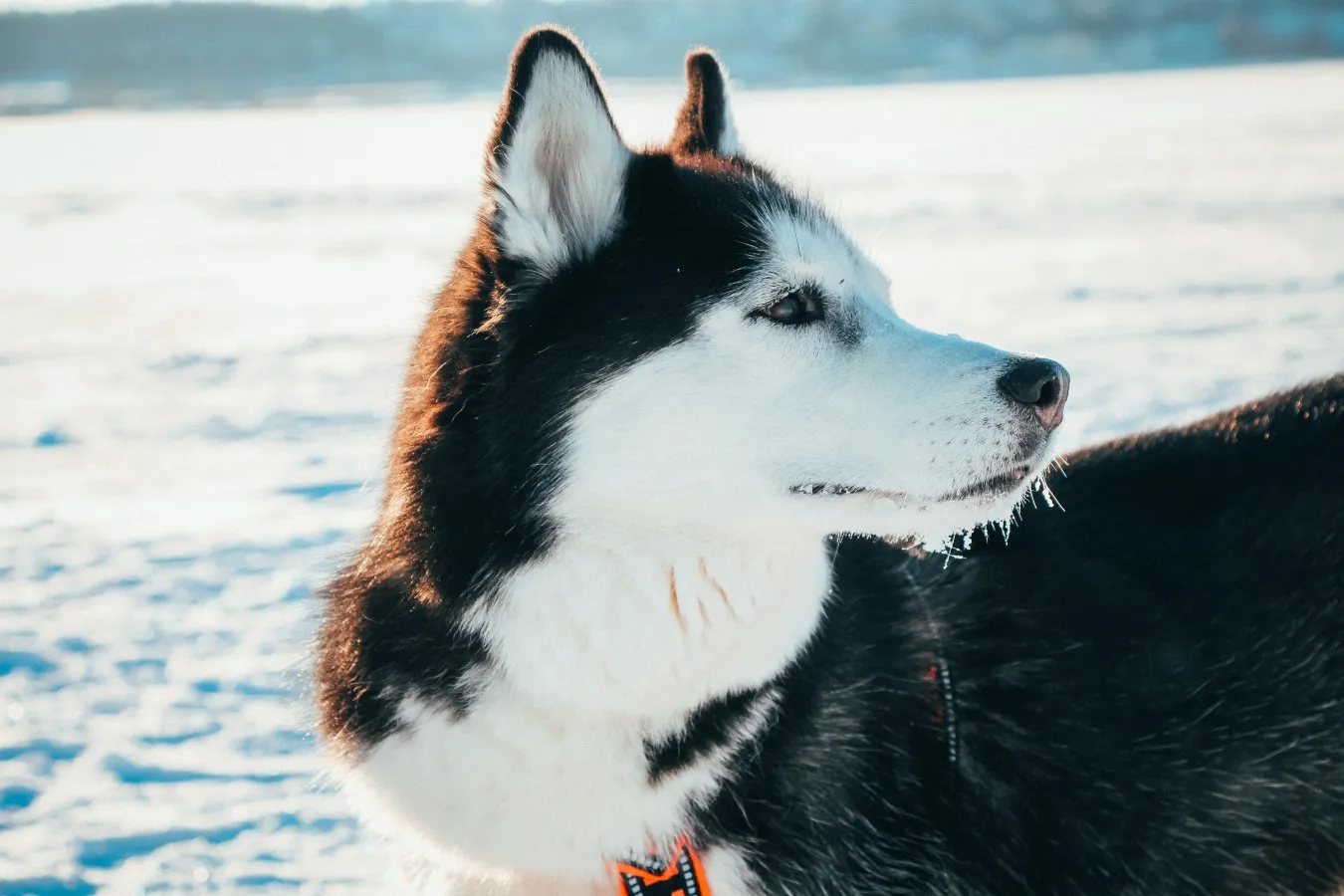
Eye disease is the breed's most consistent theme. Juvenile cataracts, a clouding of the lens that can start anywhere from a few months to several years of age, corneal dystrophy, an inherited cloudy patch in the clear front of the eye, glaucoma, a rise in eye pressure, and progressive retinal atrophy, or PRA, all appear in the breed, according to published breed summaries. Cataract comes from the Greek katarrhaktes, "waterfall," and retina from the Latin rete, "net."
PRA in Huskies is sex-linked, more common in males, and usually starts with night blindness, so a dog that grows hesitant in dim light deserves an exam. There is no treatment for PRA, but DNA tests can flag carriers. Corneal dystrophy usually is not painful unless the surface ulcerates, and surgery can treat cataracts. The breed club recommends an ophthalmologist evaluation for breeding dogs, and yearly eye exams are the single most useful habit for any pet Husky.
When Is a Red, Cloudy Eye an Emergency in a Husky?
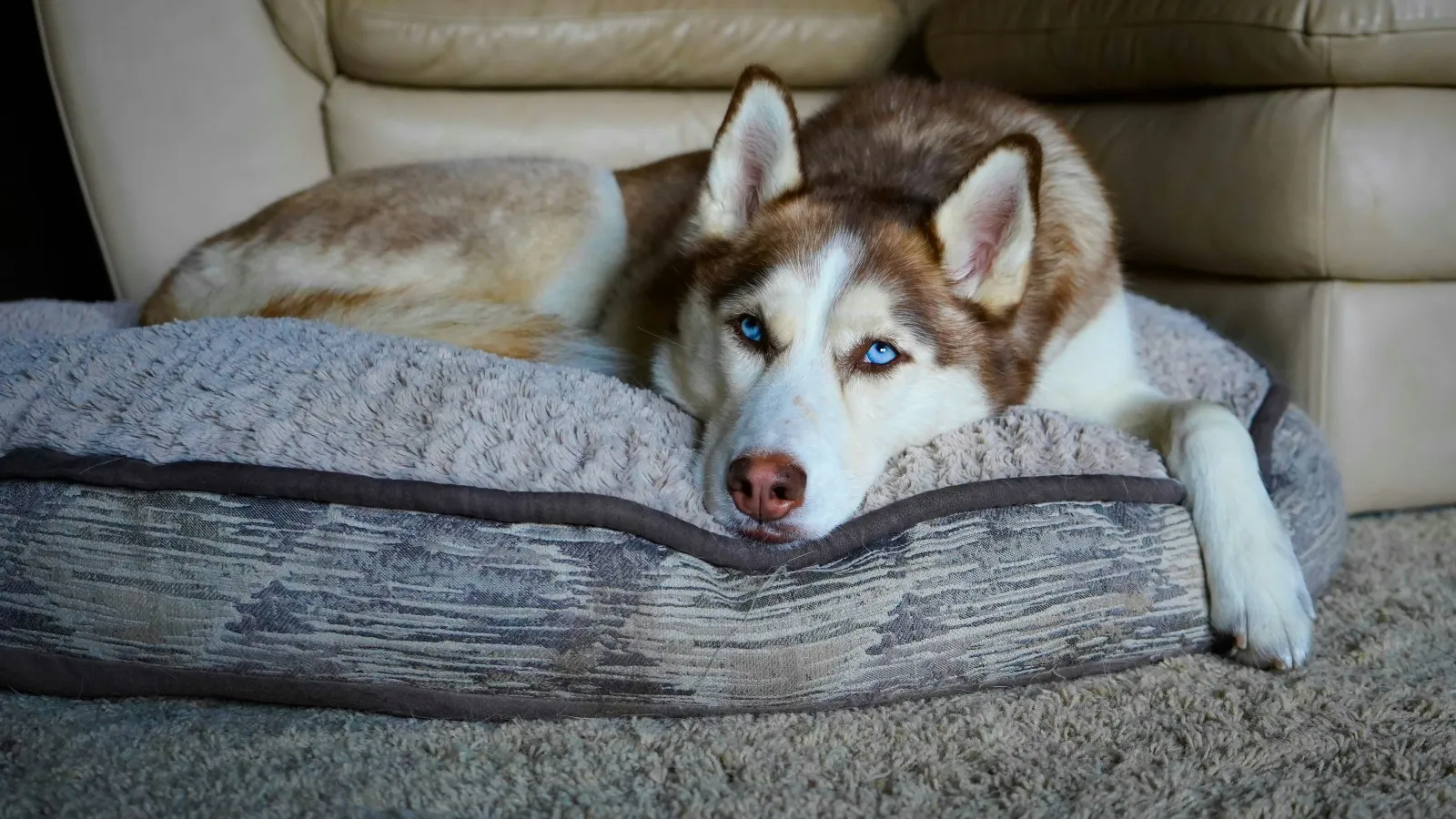
Uveodermatologic syndrome is an uncommon immune-mediated condition in which the immune system attacks pigment cells in the eyes and skin. Uvea comes from the Latin uva, "grape," for the pigmented middle layer of the eye. Siberian Huskies are among the breeds predisposed, and it often begins with red, cloudy, painful eyes and reduced vision, followed months later by whitening of the skin around the eyes, nose and lips. Early treatment is needed to protect the eyesight.
- 01
Red or bloodshot eyes
One or both eyes look inflamed.
- 02
Cloudy or hazy eyes
The surface or inside of the eye looks milky.
- 03
Squinting or eye pain
Pawing at the face, keeping an eye shut, or avoiding light.
- 04
Whitening around the face
Pale patches on the nose, lips or skin around the eyes.
- 05
Sudden vision change
Bumping into things or hesitating in familiar rooms.
Treatment usually means medicines that calm the immune reaction, often for months or years, with regular rechecks. Glaucoma is also an emergency in any dog, so a painful eye should never wait for the next routine visit.
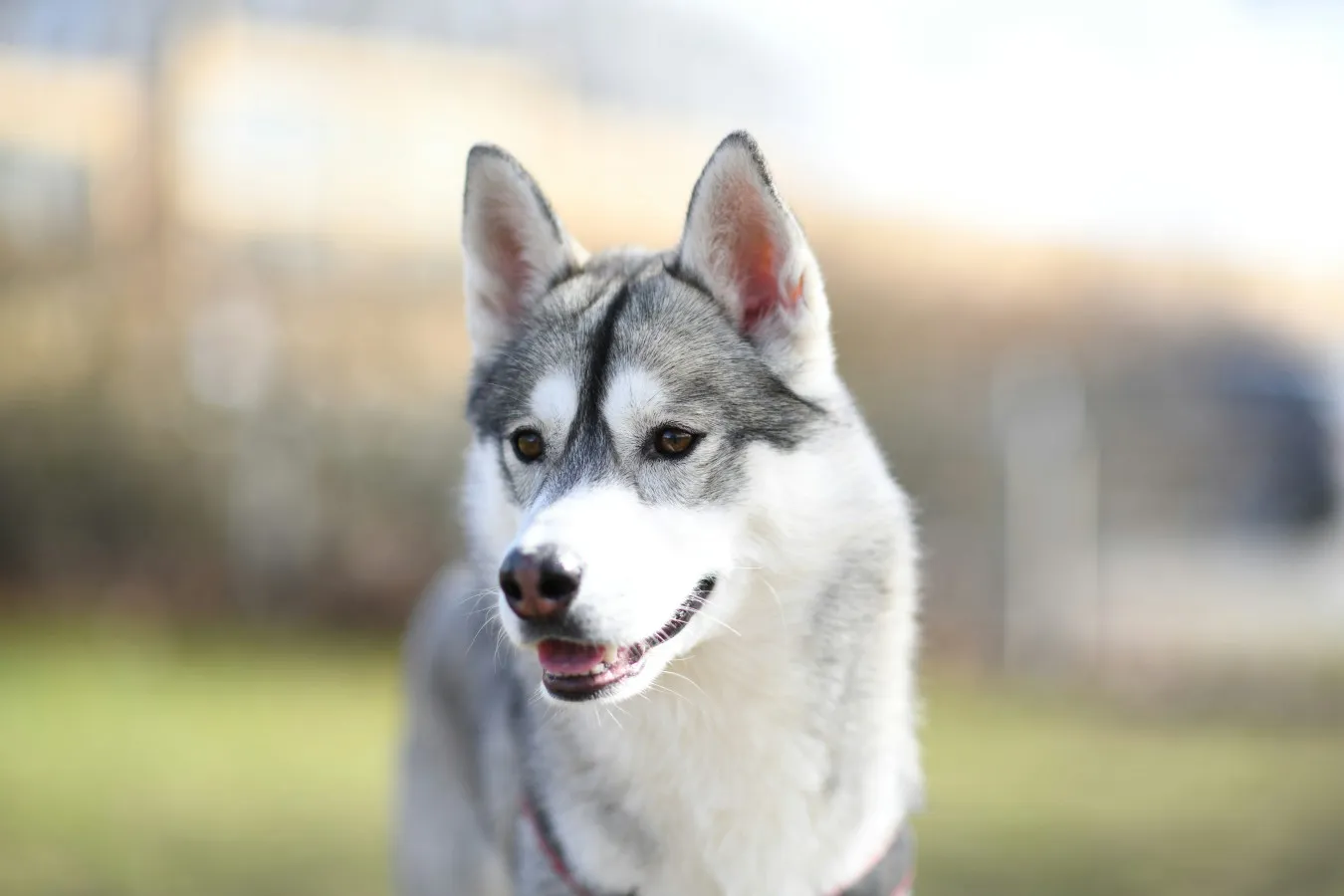
What Is Zinc-Responsive Dermatosis?
Dermatosis comes from the Greek derma, "skin," and means a skin disorder. Arctic breeds, specifically Siberian Huskies and Alaskan Malamutes, can develop a zinc-related skin disease in which the body seems to need more zinc than the diet supplies. It shows up as crusty, scaly skin, typically around the eyes and mouth.
Zinc supplementation can help, but the dose has to come from your veterinarian, because too much zinc has its own risks and other skin diseases can look similar. Any crusting around the face deserves a visit rather than a home trial.
Seizures and Inherited Nerve Conditions
A seizure lasting more than five minutes, or several seizures in a row without the dog fully waking up in between, is an emergency. Go to a veterinarian immediately.
Seizures and congenital laryngeal paralysis, a voice-box problem present from birth, are also listed for the breed. The breed club additionally recommends DNA tests for two inherited nerve conditions, shaking puppy syndrome and polyneuropathy, so breeders can avoid pairing carriers. A first seizure deserves a full veterinary workup to find the cause.
Hips and Thyroid
Hip dysplasia, an inherited malformation of the hip joint, is uncommon in Huskies. The Orthopedic Foundation for Animals data show about 2 percent of tested dogs affected, among the lowest of any breed, though the breed club still recommends a hip evaluation for breeding dogs. Limping or trouble sitting and standing deserves an exam all the same.
Hypothyroidism, or low thyroid hormone activity, is also listed for the breed. Weight gain, hair loss and a coarse coat are the usual clues, and a blood test confirms it. It is managed with a daily supplement.
What Does Managing a Siberian Husky's Health Actually Cost?
| Condition or Need | Typical Cost Range | Notes |
|---|---|---|
| Annual eye exam | $150 to $250 | Veterinary ophthalmologist |
| Hip radiographs (certified) | $250 to $450 | Before breeding, ideally |
| Zinc dermatosis management | $150 to $300 a year | Once the dog is stable |
| Thyroid medication and rechecks | $200 to $400 a year | Lifelong once diagnosed |
| Cataract surgery | $2,500 to $4,000 per eye | At a veterinary ophthalmologist |
Questions to Ask a Breeder Before Buying a Puppy
Ask for hip and eye evaluation results for both parents, plus the shaking puppy syndrome and polyneuropathy DNA results, since the breed club recommends all four of these tests for breeding dogs. Ask how recently the parents' eyes were examined, since cataracts can appear later in life.
It also helps to ask about adult size and energy level in the line, since this breed's exercise needs are considerable.
Daily Life With a Siberian Husky
Huskies do best with families who can give at least 40 minutes of exercise a day, and running is a favorite activity. Without enough physical and mental work they can turn destructive and noisy, and the personality profile explains the outgoing, energetic nature behind it. Early training helps channel that energy.
The thick double coat sheds heavily about twice a year, and regular raking does more for comfort than any haircut. Avoid shaving the coat, since it can leave a dense, woolly regrowth and upset temperature control, and see the grooming profile for a routine that works.
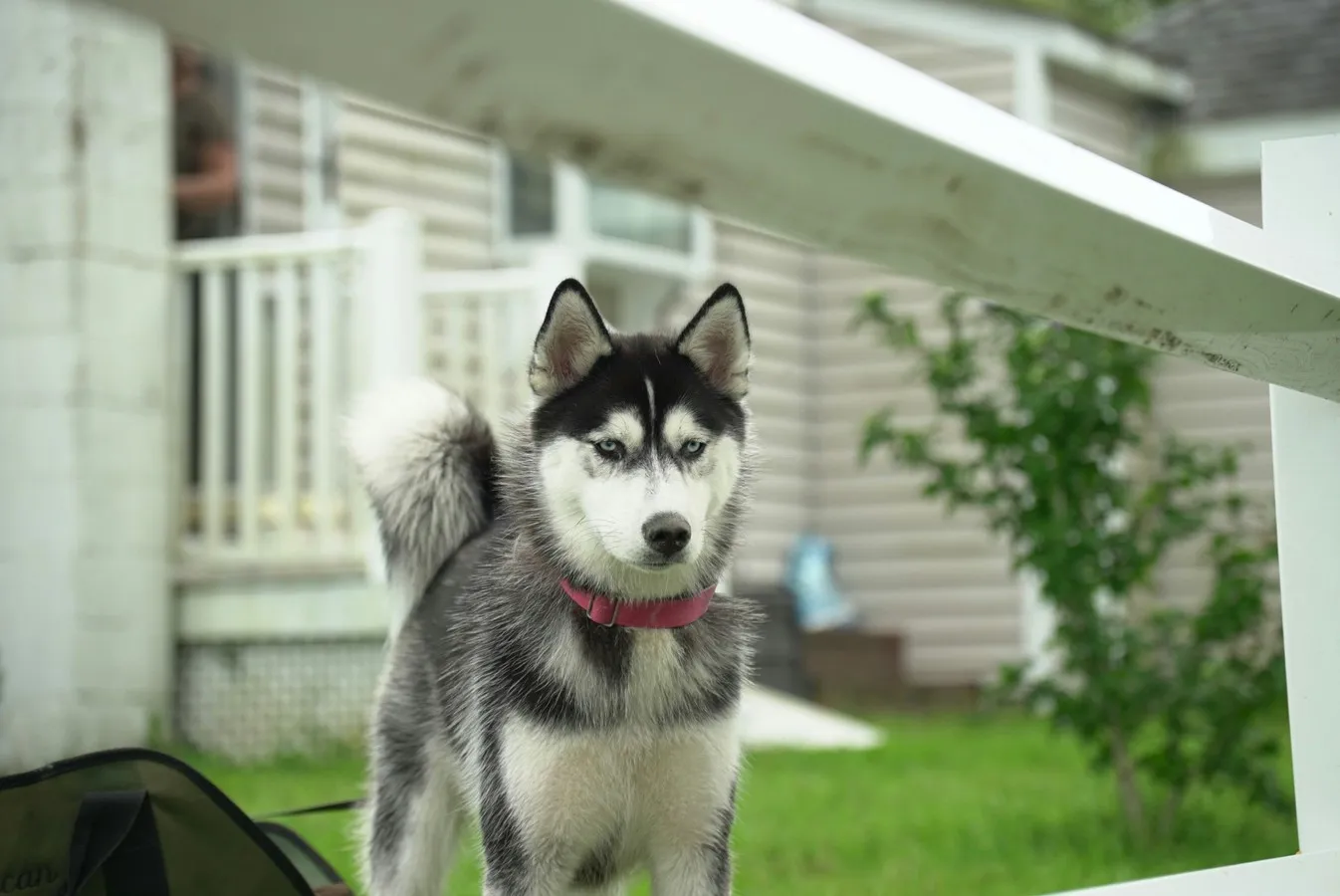
Keeping Your Siberian Husky Healthy for the Long Run
Schedule yearly eye exams, keep your dog lean, and check in with your veterinarian about any facial crusting or red eye early. Learn the signs of an eye emergency and of seizures before you ever need them. Pet insurance is worth pricing while your dog is young and healthy.
Final Thoughts From a Veterinarian
Siberian Huskies usually live 12 to 14 years. Schedule yearly eye exams, ask breeders for screening results, never shave the coat, and treat a red, painful eye or a long seizure as urgent. Your veterinarian can tailor the plan.
Health & Costs FAQ
How much do Siberian Husky cost?
Siberian Husky puppies from reputable breeders typically cost between $600 and $2,000. Adoption fees at shelters generally range from $150 to $500. Prospective owners should also budget for initial supplies, vaccinations, and training, which can add significant upfront costs to your first year of ownership.
Purchase cost: 4 / 10
How long do Siberian Husky live?
Siberian Huskies typically live 12 to 14 years. Regular exercise, a lean weight, yearly eye exams, and routine veterinary checkups help them stay active into their senior years.
Life expectancy: 7 / 10
Are Siberian Husky healthy dogs?
Siberian Huskies are generally robust dogs, but they carry a clear list of inherited concerns, especially eye conditions such as juvenile cataracts, glaucoma, and progressive retinal atrophy. Hip dysplasia is uncommon. Yearly eye exams and breeder screening help catch trouble early.
Health: 6 / 10
What health problems do Siberian Husky have?
Siberian Huskies can develop juvenile cataracts, corneal dystrophy, glaucoma, and progressive retinal atrophy, along with zinc-responsive skin disease, seizures, and hypothyroidism. Uveodermatologic syndrome is uncommon but urgent. Hip dysplasia is uncommon in the breed. Yearly eye exams and breeder screening catch most problems early.
Health problem risk: 4 / 10
Are Siberian Husky expensive to maintain?
Siberian Huskies have moderate upkeep costs because of their size and high energy. Main costs include quality food, routine veterinary care, and grooming tools to manage heavy seasonal shedding. Training and enrichment toys can add expenses, and money set aside for yearly eye exams is wise.
Maintenance cost: 4 / 10
How much does it cost to own a Siberian Husky per month?
Expect to spend between $100 and $300 per month to own a Siberian Husky. This covers food, routine veterinary care, grooming tools, and preventive medication. Costs rise with eye problems or other medical conditions.
Monthly ownership cost: 5 / 10
How much does pet insurance cost for a Siberian Husky?
Pet insurance for a Siberian Husky typically costs between $30 and $65 per month, and premiums often rise as the dog ages. A policy is worth pricing while your dog is young and healthy, since inherited eye conditions can be costly to treat.
Pet insurance cost: 3 / 10
Will homeowners insurance cover a Siberian Husky?
Most homeowners insurance policies cover Siberian Huskies, but some insurers apply their own breed or liability rules to larger dogs, so ask before you buy. Always disclose your dog to your insurer to ensure full liability protection.
Homeowners insurance difficulty: 7 / 10
Are Siberian Husky on insurance restricted breed lists?
Siberian Huskies are not on every insurer's restricted list, but some insurers may apply limits to larger breeds. Check with your provider before you buy a policy, and always disclose your dog so that liability coverage stays active.
Insurance restriction risk: 5 / 10
Can you get renters insurance with a Siberian Husky?
You can often get renters insurance with a Siberian Husky, but some insurers or landlords set their own breed or liability terms for larger dogs. Always disclose your dog to your provider, review your lease, and confirm the policy with your landlord to ensure full protection.
Renters insurance difficulty: 7 / 10