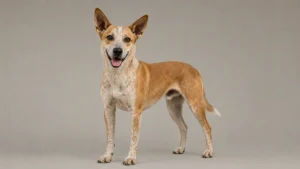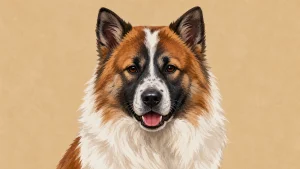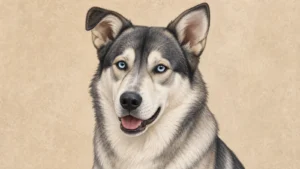
Pitsky Personality Profile
Breed Group
Hybrid Dogs
Country of Origin
United States
Breed Size
Large
AKC Recognition
No
FCI Recognition
No
Friendliness
Neutral5 / 10
Attachment
Affectionate7 / 10
Playfulness
Quite Playful7 / 10
Smart
Smart7 / 10
Cuddle
Moderately Cuddly6 / 10
Separation anxiety
Average5 / 10
Personality FAQ
Are Pitsky smart?
Pitskies are exceptionally intelligent and quick-thinking, inheriting keen minds from both their Pit Bull and Husky parents. They excel at problem-solving and advanced tasks but can be independent or stubborn. Consistent, firm training and ample mental stimulation are essential to keep these active thinkers engaged and well-behaved.
Smart: 7 / 10
Do Pitsky like to cuddle?
Pitskies are incredibly affectionate and often consider themselves oversized lap dogs. Combining the loving nature of Pit Bulls and Huskies, they form intense bonds and thrive on physical closeness. Whether snuggling on the sofa or leaning against you, these devoted companions constantly seek warmth and human connection.
Cuddle: 6 / 10
Do Pitsky get separation anxiety?
Pitskies form intense bonds and are highly prone to separation anxiety if left alone.
Separation anxiety: 5 / 10
Do Pitsky bark a lot?
Pitskies are highly vocal dogs due to their Husky heritage, often howling and barking.
Barking: 8 / 10
Are Pitsky protective or territorial?
Pitskies are naturally protective and fiercely loyal, inheriting strong guarding instincts from their Pit Bull lineage. While generally friendly when socialized, they remain vigilant watchdogs that will alert owners to strangers. Their devotion makes them courageous defenders of their home and family, requiring consistent training to manage these instincts.
Protective tendency: 8 / 10
Vet Insights
Pitskies are exceptionally intelligent and high-energy companions that form intense, affectionate bonds with their families. While they are loyal and often act like oversized lap dogs, their independent nature can lead to stubbornness during training. Prone to separation anxiety and highly vocal, these protective watchdogs require significant daily exercise and mental stimulation to stay healthy and stable.