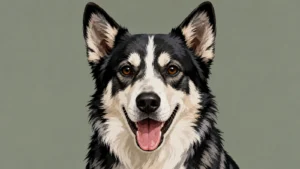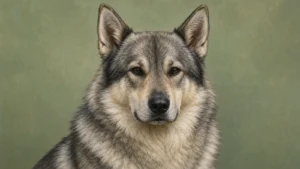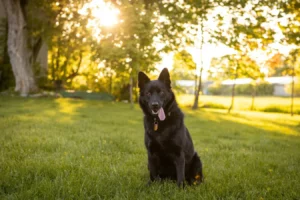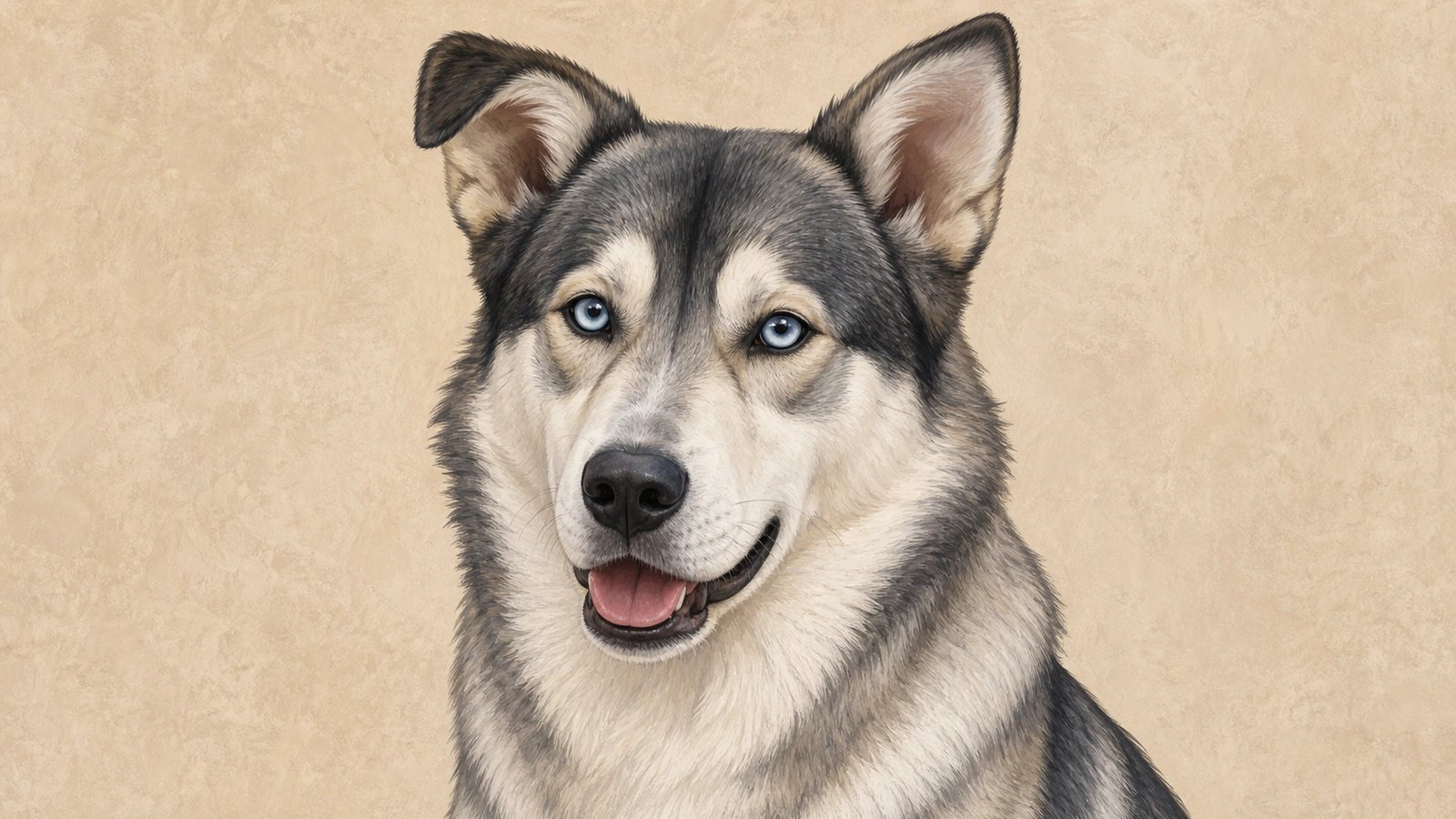
Labsky - MAIN HUB
BREED GROUP
Hybrid Dogs
Country of origin
United States
BREED SIZE
Large
BREED HEIGHT
20 -
28 IN
51 -
71 cm
BREED WEIGHT
33 -
90 LB
15 -
41 KG
WHAT YOU NEED TO KNOW
american kennel club (AKC) recognition
No
Breed was recognized in 0.

International Canine Federation (FCI) recognition
No
Breed was recognized in 0.

WHAT DO OWNERS WANT TO KNOW?
Are Labskies good family dogs?
Excellent
3 out of 10
Labskys make excellent family dogs for active households, as they are known for their loyal nature and are generally very gentle and patient with children. However, they thrive best with families who can commit to their high exercise needs and provide consistent training to manage their potentially strong-willed Husky traits.

Are Labskies good with kids?

Excellent
3 out of 10
Labskys are generally excellent with children, inheriting the patient and gentle nature of the Labrador Retriever alongside the playful spirit of the Siberian Husky. Their high energy makes them ideal playmates for active kids, often forming strong, protective bonds with their "human pack." While they are typically tolerant of children's behavior, their large size and boisterous energy mean supervision is recommended to ensure play remains safe and gentle for everyone.
Are Labskies good dogs for first time owners?
Below Average
4 out of 10
Labskies can be challenging for first-time owners due to their high energy levels and potentially strong-willed nature inherited from their Husky parent. They require a significant commitment to vigorous daily exercise, mental stimulation, and consistent training. Success for a novice owner depends on their ability to manage an active, large hybrid breed that thrives on engagement and structure.
Are Labskies good apartment dogs?
Fair
3 out of 10
Labskies are moderately adaptable apartment dogs that can thrive in smaller spaces provided their high physical and mental exercise needs are met daily. While their large size and energetic nature are better suited for homes with yards, they can successfully live in apartments if owners commit to several hours of vigorous outdoor activity like running or hiking. Without consistent stimulation, their intelligence and drive may lead to boredom and destructive behavior in a confined environment.
Do Labskies need a yard?
High
3 out of 10
A yard is highly recommended for a Labsky due to their large size and high energy levels inherited from their Labrador and Husky parents. While they can adapt to apartment living with significant daily effort from their owners, a securely fenced yard provides essential space for them to run and burn off energy safely. Daily exercise and outdoor play are vital to keep this active hybrid physically and mentally stimulated.
Can Labskies be left at home alone?
Above Average
6 out of 10
Labskys are highly social dogs that bond intensely with their families and are prone to separation anxiety if left alone for extended periods. They thrive best in households where they can receive consistent companionship and should ideally not be left alone for more than four to six hours to prevent destructive behaviors or excessive barking.
Do Labskies tolerate cats well?
Below Average
3 out of 10
Labskys can coexist with cats, but their potential for a high prey drive inherited from the Siberian Husky means they may not always get along well. While the Labrador Retriever side is generally friendly and patient, the Husky's instinct to chase can make these interactions unpredictable. Success often depends on early socialization, consistent training, and providing cats with safe, elevated spaces to escape to if needed. Supervision is strongly recommended, especially during early introductions.
Are Labskies known to be aggressive?
Moderate
6 out of 10
Labskys are generally loyal and social, inheriting the friendly nature of the Labrador and the independent spirit of the Husky. While not naturally aggressive, their high prey drive and boisterous energy require early socialization and consistent training to ensure they remain well-mannered and gentle family companions.
Do Labskies have a lot of energy?
Hyperactive
3 out of 10
Labskies are exceptionally high-energy dogs that inherit a powerful work ethic and endurance from both parent breeds. They thrive on vigorous activity and require significant daily exercise, such as long runs, hiking, or intensive play, to prevent boredom and destructive behaviors. These athletic hybrids are best suited for active owners who can provide constant physical and mental stimulation to keep them happy and healthy.
How much exercise do Labskies need?
~120+ min a day
6 out of 10
Labskies are highly active dogs that typically require 1 to 2 hours of daily exercise to remain healthy and prevent destructive behaviors. This routine should include a mix of brisk walks, jogging, and interactive play like fetch or hiking to satisfy both their Labrador and Husky instincts. Providing mental stimulation through training or puzzle toys is also essential to manage their intelligence and high energy levels.
Do Labskies tolerate hot weather well?
Average
5 out of 10
Labskies have a moderate tolerance for heat, but their dense double coats make them prone to overheating, especially during intense activity. Owners should provide constant access to fresh water, shade, and air-conditioned spaces during warmer months. To prevent heat exhaustion, it is best to limit outdoor exercise to the cooler early morning or late evening hours.
Are Labskies good with cold weather?
Average
5 out of 10
Labskies have a moderate tolerance for heat, but their dense double coats make them prone to overheating, especially during intense activity. Owners should provide constant access to fresh water, shade, and air-conditioned spaces during warmer months. To prevent heat exhaustion, it is best to limit outdoor exercise to the cooler early morning or late evening hours.
Are Labskies sometimes banned from rentals?
Likely Banned
3 out of 10
Labskys are likely to be banned or restricted in many apartments and rentals due to their large size, high energy levels, and vocal nature inherited from the Siberian Husky. Landlords and insurance companies often flag them as high-risk for property damage, noise complaints, and perceived aggression. To improve the chances of approval, owners should be prepared to provide a pet resume, training certificates, and proof of liability insurance.
WHAT DO OWNERS WANT TO KNOW?