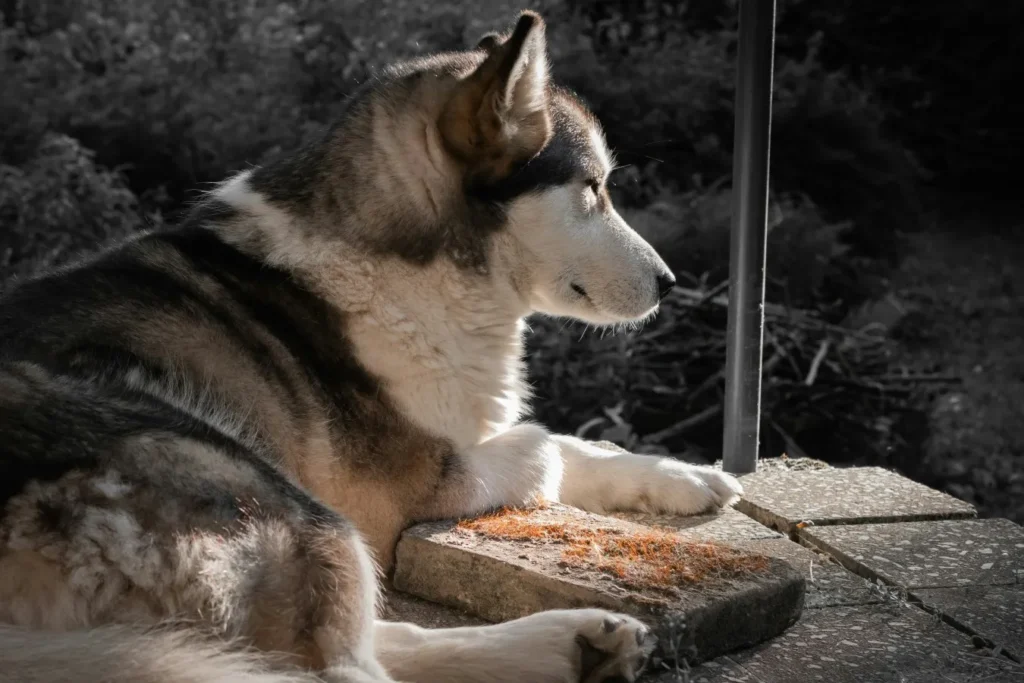
Alaskan Malamute Health and Costs
Breed Group
Spitz Dogs
Country of Origin
United States
Breed Size
Large
AKC Recognition
Yes, recognized in 1935
FCI Recognition
Yes, recognized in 1963
Rarity
Very Common2 / 10
Purchase cost
Moderate to Expensive6 / 10
Life expectancy
Moderate Lifespan6 / 10
Health
Moderate health concerns4 / 10
Health problem risk
Average health burden5 / 10
Maintenance cost
Expensive to maintain9 / 10
A Veterinarian's Guide
Alaskan Malamute Health Problems and Costs
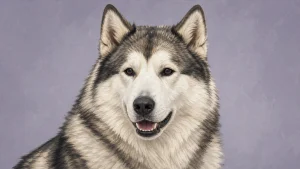
The Alaskan Malamute is a large, powerful Arctic working dog with a thick double coat and a loyal, playful nature. It is a sturdy breed, but a handful of inherited conditions repeat in its lines: hips and elbows, eyes, the thyroid, a nerve disorder, and a limb-growth condition. Knowing them before you bring a puppy home, or while you already share your life with one, makes screening and vet visits much easier to plan.
In this guide
Why Do Hips and Elbows Need Screening in a Working Breed?
Hip dysplasia is a malformation that develops during growth, when the ball and socket of the hip do not grow at matching rates and the joint becomes loose. Dysplasia comes from the Greek dys, "abnormal," and plasis, "formation." Arthritis often follows as the body tries to stabilize the joint, and many dogs show no signs for years. Hip and elbow dysplasia are both listed for Malamutes, and the breed club recommends a hip evaluation for breeding dogs.
Weight is the part owners control. Excess weight stresses the hips, and in large-breed puppies measured meals and a lean body condition lower the risk. Because a Malamute can look hungry at any moment, feeding to a hands-on rib check rather than to appetite is a sensible habit. Early signs are often subtle, such as slowness to rise, a shortened stride, or reluctance to jump into the car, and they are easy to mistake for normal slowing down.
What Nerve and Limb-Growth Conditions Does This Breed Carry?
Progressive weakness, a high-stepping or stumbling gait, or tiring unusually quickly needs a veterinary visit. Alaskan Malamutes can carry an inherited nerve disorder that has no cure.
Polyneuropathy is a disorder of several nerves at once. Neuron is Greek for "nerve," and -pathy means "disease." In this breed it is an inherited condition, and a DNA test is available that the breed club recommends for breeding dogs. Because there is no cure, testing the parents before breeding is the practical way to prevent affected puppies.
Chondrodysplasia, a genetic limb condition, is also listed for the breed, and breeders are encouraged to test for it. Chondro comes from the Greek for "cartilage."
What Eye Conditions Show Up in Malamutes?
Cataracts, a clouding of the lens, are among the most commonly reported conditions in the breed, and progressive retinal atrophy, an inherited breakdown of the retina's light-sensing cells, is also listed. Cataract comes from the Greek for "waterfall." The breed club recommends an ophthalmologist evaluation for breeding dogs, and regular eye exams help pets too, since a small cataract is easier to monitor than a dense one. A veterinary ophthalmologist can tell whether a cataract is stable or progressing and whether surgery is worth discussing.

Why Is Thyroid Disease Worth Watching For?
Hypothyroidism, or low thyroid hormone activity, is described as common in Malamutes. The usual cause is an immune-mediated inflammation of the gland, and the signs tend to be easy to dismiss: weight gain without a bigger appetite, low energy, a dull or thinning coat, and recurrent skin or ear infections. A blood test confirms it, and daily medication manages it for life, with blood levels rechecked as the dose needs change.
How Do the Double Coat and Skin Affect Health?
The dense double coat has a woolly, oily undercoat beneath a coarse outer layer, and it helps in the cold but makes warm weather harder. The breed can struggle in the heat, so exercise belongs in the cool hours of the day. Malamutes are also described as absorbing zinc poorly, which can contribute to skin and coat problems, so a persistent flaky or crusted patch is worth showing your veterinarian rather than treating at home.
- 01
Heavy panting that will not settle
Frantic panting after heat or exertion that continues despite resting in the shade.
- 02
Drooling and restlessness
Thick drool, pacing, or being unable to settle in warm weather.
- 03
Weakness or stumbling
Wobbly legs or sudden reluctance to keep moving.
- 04
Collapse
The dog goes down and cannot get up.
What Does Managing a Malamute's Health Actually Cost?
| Condition or Need | Typical Cost Range | Notes |
|---|---|---|
| Hip radiographs (certified) | $250 to $450 | Before breeding, ideally |
| Annual eye exam | $75 to $200 | Starting in early adulthood |
| Thyroid panel | $80 to $150 | If signs appear or from middle age |
| Thyroid medication | $20 to $40/month | Lifelong once diagnosed |
| Hip or elbow surgery | $3,000 to $7,000 per joint | Depends on the procedure |
| Cataract surgery | $3,500 to $5,000 | For both eyes, when pursued |
Questions to Ask a Breeder Before Buying a Puppy
The breed club recommends hip evaluations, ophthalmologist evaluations, and the polyneuropathy DNA test for breeding dogs, so ask to see the results for both parents. It is also fair to ask about chondrodysplasia testing, thyroid history in the line, and any family history of cataracts.
Ask how the breeder matches puppies to homes too, since a Malamute's exercise needs are large and mismatched expectations frustrate both sides. A thoughtful breeder will ask you just as many questions in return.
Daily Life With an Alaskan Malamute
This is an affectionate, intelligent, and vocal working breed that needs a lot of daily activity, such as running, biking, or pulling. Malamutes can be stubborn about commands and have a high prey drive, so early, consistent training pays off, and the personality profile explains why they may be too much for young children.
The thick double coat needs daily brushing to control shedding, as the grooming guide covers. Baths about every six to eight weeks are usually enough, and a quick check of the eyes daily and ears weekly catches small problems early.
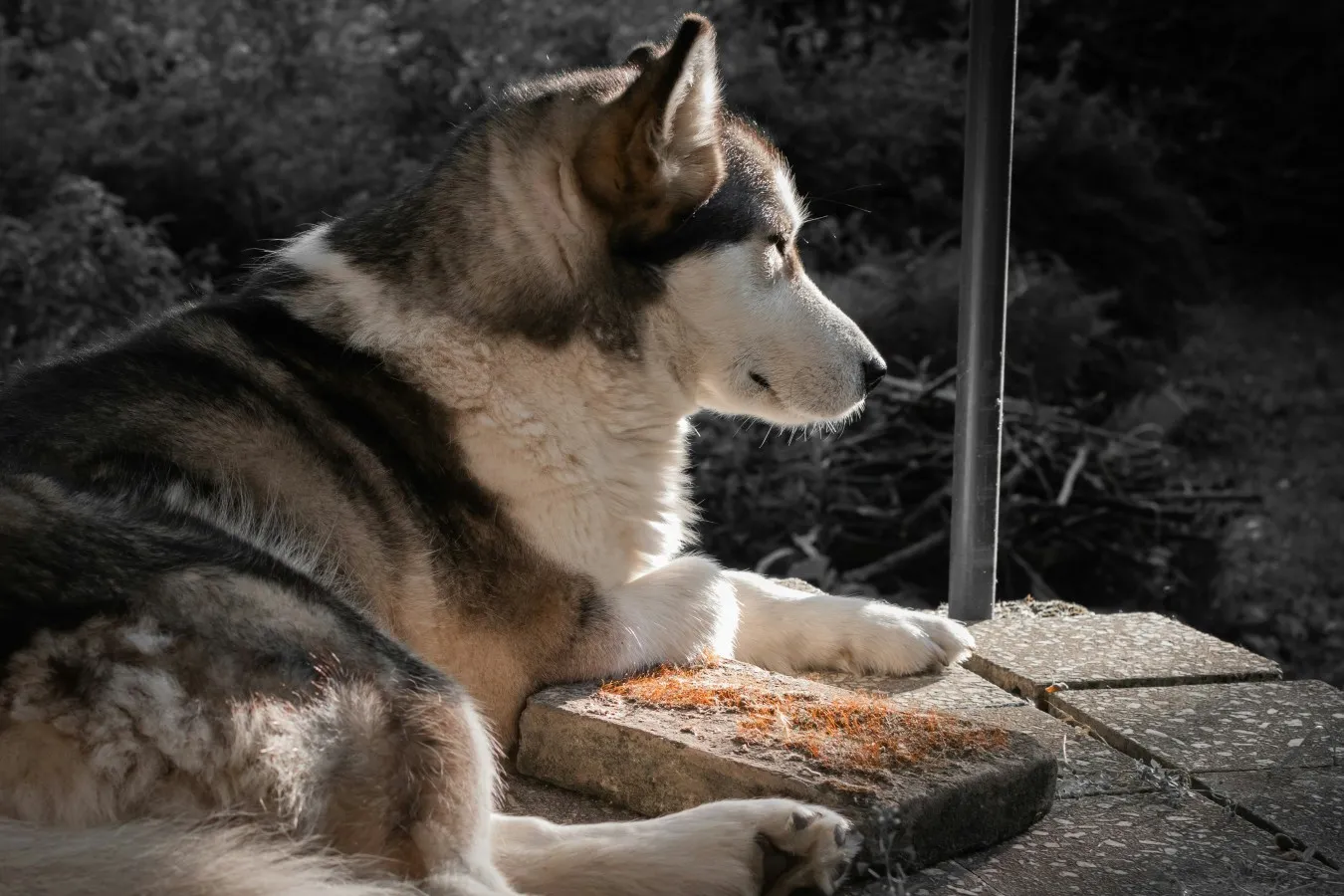
Keeping Your Malamute Healthy for the Long Run
Keep your Malamute lean, schedule hip and eye checks, ask about the polyneuropathy status of the line, and watch for tiredness or coat changes that could point to thyroid trouble. Plan exercise around the heat. Pet insurance is worth pricing while your dog is young and healthy.
Final Thoughts From a Veterinarian
Alaskan Malamutes usually live 10 to 14 years. Keep them lean, screen hips and eyes, ask breeders about polyneuropathy testing, and protect them from heat. Their needs are manageable when you plan ahead. Your veterinarian can tailor a plan to your dog.
Health & Costs FAQ
How much do Alaskan Malamute cost?
Purchasing an Alaskan Malamute from a reputable breeder typically costs between $800 and $3,000, with $2,000 being average for high-quality lineages. Adoption fees through rescues are much lower, often around $200. Prospective owners should also budget for initial vaccinations, supplies, and essential preventative medical care.
Purchase cost: 6 / 10
How long do Alaskan Malamute live?
Alaskan Malamutes typically have a lifespan of 10 to 14 years. As a large and robust breed, they can live a full life when provided with a high-quality diet, regular vigorous exercise, and consistent veterinary care to manage potential genetic health conditions common to the breed.
Life expectancy: 6 / 10
Are Alaskan Malamute healthy dogs?
Alaskan Malamutes are sturdy working dogs that usually live 10 to 14 years, but several inherited conditions are listed for the breed. These include hip and elbow dysplasia, cataracts, hypothyroidism, chondrodysplasia, and polyneuropathy. Hip and eye evaluations, DNA testing of breeding dogs, a lean weight, and routine checkups help.
Health: 4 / 10
What health problems do Alaskan Malamute have?
Alaskan Malamutes are predisposed to hip and elbow dysplasia, cataracts, and hypothyroidism. They may also face chondrodysplasia, a genetic limb condition, and polyneuropathy, an inherited nerve disorder with no cure. Hip and eye evaluations, DNA testing, and a healthy weight are essential for managing these conditions.
Health problem risk: 5 / 10
Are Alaskan Malamute expensive to maintain?
Alaskan Malamutes are expensive to maintain. Their large size means high food and preventive care costs, and the thick double coat needs daily brushing. Larger bills can come from hip or elbow problems, cataracts, or thyroid medication. Budgeting about $300 to $680 a month is typical.
Maintenance cost: 9 / 10
How much does it cost to own a Alaskan Malamute per month?
Expect to spend between $300 and $680 per month to own an Alaskan Malamute. This budget covers high-quality food, grooming, and routine veterinary care. Due to their large size, expenses for food and preventative medications are higher than average for this powerful working breed.
Monthly ownership cost: 9 / 10
How much does pet insurance cost for a Alaskan Malamute?
Pet insurance for an Alaskan Malamute typically costs between $40 and $75 per month. Premiums vary based on your location and the dog's age. Due to their large size and predisposition to conditions like hip dysplasia, insurance is highly recommended to manage unexpected veterinary expenses.
Pet insurance cost: 4 / 10
Will homeowners insurance cover a Alaskan Malamute?
Coverage for an Alaskan Malamute depends on the insurer. Some carriers restrict large, powerful breeds, deny coverage, or raise premiums, while others do not set breed limits. Always disclose your dog and confirm liability coverage with your agent before you buy or renew.
Homeowners insurance difficulty: 5 / 10
Are Alaskan Malamute on insurance restricted breed lists?
Alaskan Malamutes appear on some insurers' restricted-breed lists, usually because of their size, strength, and perceived liability risk. Policies vary a lot, so ask each insurer about your dog by name, disclose the breed, and get any exclusions confirmed in writing.
Insurance restriction risk: 6 / 10
Can you get renters insurance with a Alaskan Malamute?
You can often get renters insurance with an Alaskan Malamute, but some providers restrict large breeds or set their own liability terms. Ask insurers about your dog by name, disclose your pet, and confirm the policy and pet rules with your landlord.
Renters insurance difficulty: 5 / 10