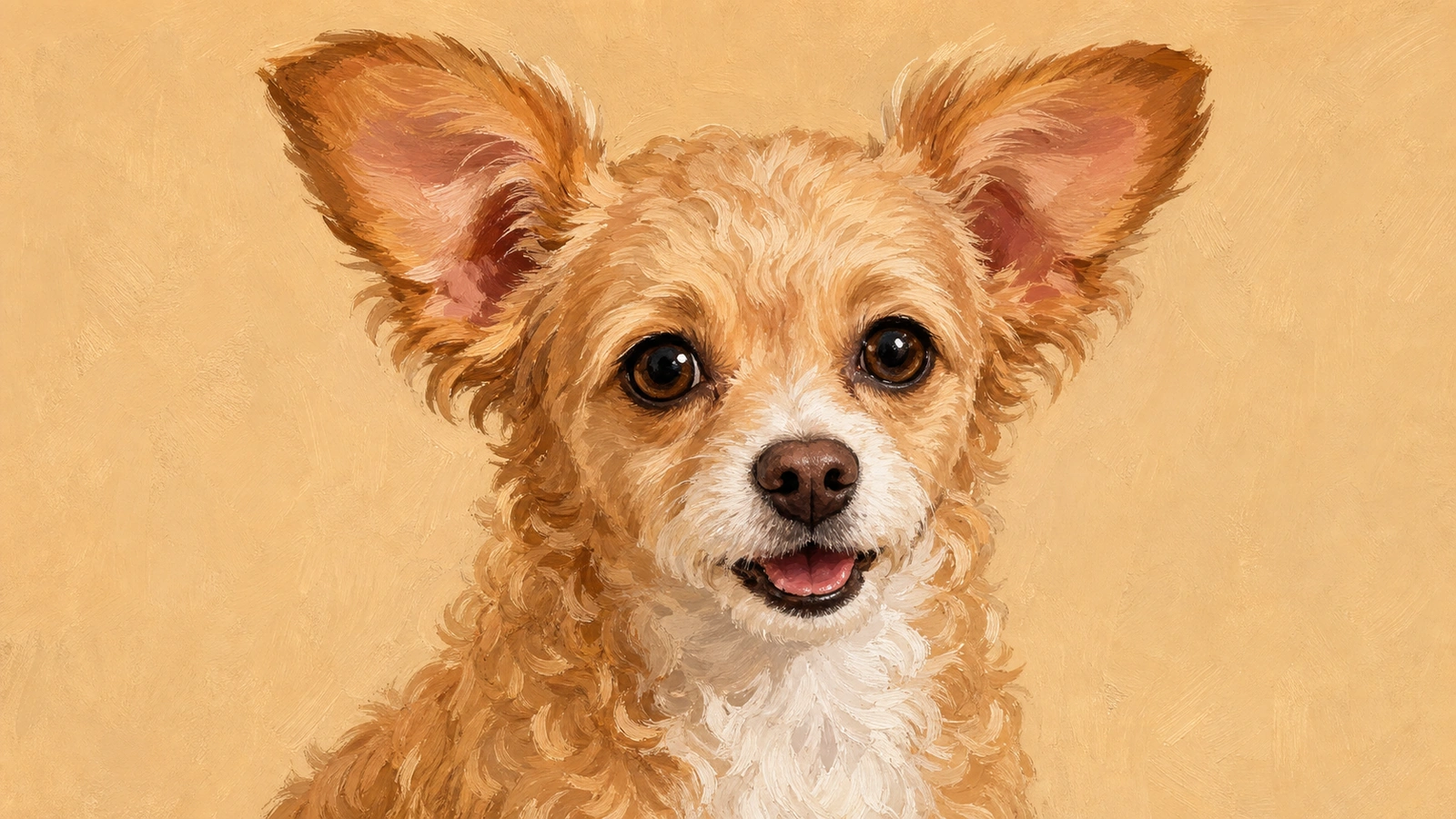
Chipoo - MAIN HUB
BREED GROUP
Hybrid Dogs
Country of origin
United States
BREED SIZE
Small
BREED HEIGHT
5 -
15 IN
13 -
38 cm
BREED WEIGHT
5 -
20 LB
2 -
9 KG
WHAT YOU NEED TO KNOW
american kennel club (AKC) recognition
No
Breed was recognized in 0.

International Canine Federation (FCI) recognition
No
Breed was recognized in 0.

WHAT DO OWNERS WANT TO KNOW?
Are Chipoos good family dogs?
Above Average
6 out of 10
Chipoos make excellent family companions because they are highly affectionate, intelligent, and adaptable to various household environments. Their spirited and loyal nature ensures they bond deeply with their owners, although they do require consistent training to manage occasional stubbornness.


Are Chipoos good with kids?
Average
6 out of 10
Chipoos are generally good with children and are known for their playful, affectionate nature. However, due to their small and delicate stature, they are best suited for families with older, respectful children who understand how to handle them gently. Supervision is highly recommended around younger kids to prevent accidental injury to the dog.
Are Chipoos good dogs for first time owners?
Good
6 out of 10
Chipoos are highly recommended for first-time owners due to their intelligent, adaptable nature and desire to please. While they can inherit a stubborn streak that requires patient, consistent training, their ability to learn quickly makes them rewarding companions for novices. Prospective owners should be prepared to provide regular mental stimulation and grooming to keep this spirited hybrid happy.
Are Chipoos good apartment dogs?
Below Average
4 out of 10
Chipoos are challenging apartment dogs because their tendency for excessive barking and high energy can easily disturb neighbors. While their small size is well-suited for compact spaces, their susceptibility to separation anxiety means they require significant training and companionship to thrive in a multi-unit environment.
Do Chipoos need a yard?
High
3 out of 10
A yard is highly recommended for a Chipoo to accommodate their energetic nature and provide a secure space for spirited play. While they are small and adaptable enough for apartment living if their exercise needs are met through daily walks, having access to a fenced outdoor area is ideal for keeping this active Poodle-Chihuahua mix happy and healthy.
Can Chipoos be left at home alone?
Below Average
4 out of 10
Chipoos are highly social dogs that bond closely with their owners and are prone to separation anxiety if left alone for long periods. While they can typically manage being by themselves for a few hours with proper training, they thrive best in households where someone is home most of the day to provide companionship and mental stimulation.
Do Chipoos tolerate cats well?
Poor
2 out of 10
Chipoos may struggle to get along with cats due to their territorial tendencies and strong desire for undivided attention from their owners. Their small, delicate size also makes them vulnerable to accidental injury during interactions with feline companions. While early socialization is helpful, they often prefer being the sole pet in the household.
Are Chipoos known to be aggressive?
Alert
4 out of 10
Chipoos are not naturally aggressive but are alert companions that bond closely with their owners. While they are typically affectionate, they can inherit the spirited and protective nature of the Chihuahua or the watchful tendencies of the Poodle. Any snappy behavior usually stems from fear, lack of socialization, or being handled roughly due to their small size. With early exposure to different people and environments, along with consistent positive reinforcement training, they remain friendly and well-behaved family pets.
Do Chipoos have a lot of energy?
Energetic
7 out of 10
Chipoos are energetic and playful companions that inherit a spirited nature from both parent breeds. They possess moderate to high energy levels and require daily physical activity, such as short walks and interactive indoor play, along with mental stimulation like puzzle toys to prevent boredom and unwanted behaviors. Despite their small size, they thrive on being involved in their owners' daily routines and enjoy consistent engagement.
How much exercise do Chipoos need?
~75 min a day
7 out of 10
Chipoos require approximately 45 to 75 minutes of daily exercise to manage their high energy levels. A combination of brisk walks and interactive play sessions, such as fetch or hide-and-seek, is ideal for this spirited hybrid. Because of their intelligence, incorporating mental stimulation through puzzle toys and training is essential to prevent boredom and ensure these affectionate companions remain well-balanced and happy.
Do Chipoos tolerate hot weather well?
Very Good
7 out of 10
Chipoos generally handle warm weather well, inheriting a natural heat tolerance from their Chihuahua lineage. While they adapt well to sunny environments, their small size still makes them susceptible to heatstroke in extreme temperatures. Owners should provide constant access to shade and fresh water, and limit outdoor activities to cooler morning or evening hours to ensure these spirited companions remain safe.
Are Chipoos good with cold weather?
Very Good
7 out of 10
Chipoos generally handle warm weather well, inheriting a natural heat tolerance from their Chihuahua lineage. While they adapt well to sunny environments, their small size still makes them susceptible to heatstroke in extreme temperatures. Owners should provide constant access to shade and fresh water, and limit outdoor activities to cooler morning or evening hours to ensure these spirited companions remain safe.
Are Chipoos sometimes banned from rentals?
Often Restricted
4 out of 10
Chipoos may face apartment restrictions primarily due to their Chihuahua heritage, as Chihuahuas are sometimes included on aggressive dog breed lists. Their tendency to bark can also lead to noise complaints in close living environments. To improve your chances of approval, consider providing a pet resume with training certifications, references, or a DNA test to clarify the breed's mix.
WHAT DO OWNERS WANT TO KNOW?