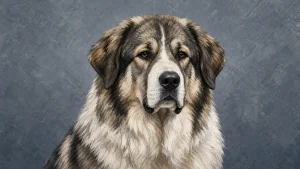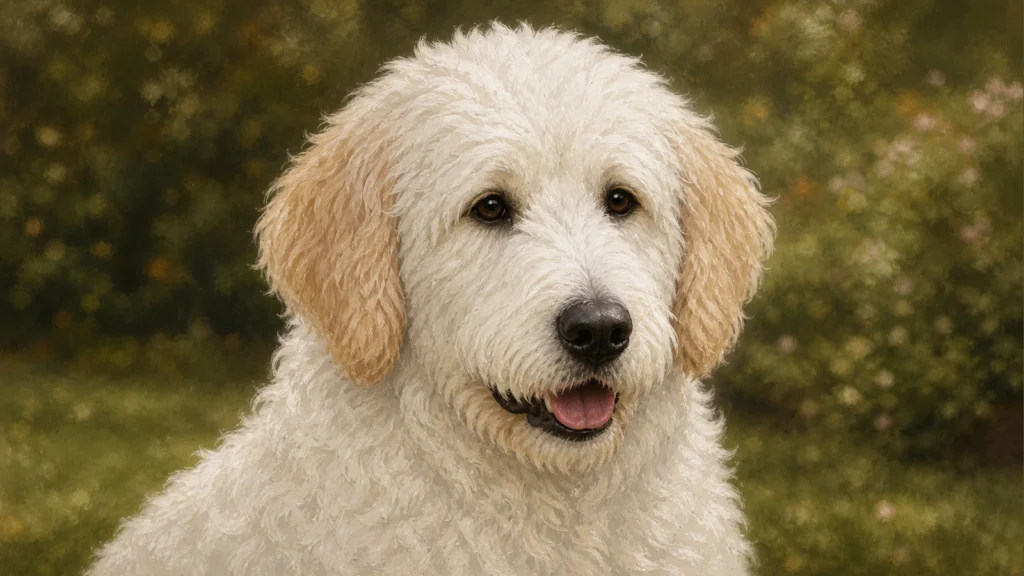
Pyredoodle Training Profile
Breed Group
Hybrid Dogs
Country of Origin
United States
Breed Size
Giant
AKC Recognition
No
FCI Recognition
No
Mental stimulation needs
Below Average4 / 10
Trainability
8 / 10
Picky eater
Moderate5 / 10
Easy to train
Quick Learner8 / 10
Training stubbornness
Cooperative8 / 10
Puppy training
Good8 / 10
Training FAQ
Are Pyredoodle easy to train?
Pyredoodles are highly intelligent and eager to please, which generally makes them easy to train. While they quickly master basic commands, they may inherit a subtle stubbornness from their Great Pyrenees lineage, requiring consistent leadership and positive reinforcement to ensure they stay motivated and focused.
Easy to train: 8 / 10
Are Pyredoodle stubborn to train?
Pyredoodles are generally cooperative and intelligent, benefiting from their Poodle heritage. While they are quick learners, they may inherit a slight stubborn streak from the Great Pyrenees. Success requires a firm, consistent approach and positive reinforcement to keep these gentle giants engaged and eager to please during sessions.
Training stubbornness: 8 / 10
How do you train a Pyredoodle puppy?
Train your Pyredoodle puppy with a firm, consistent approach and plenty of positive reinforcement to manage their potential stubbornness. Focus on early socialization to prevent shyness and help them feel comfortable around people and other animals. Keep sessions short and engaging, using treats and verbal praise to motivate them. While they are quick learners, prioritize basic commands and avoid over-exerting them with physical exercise during their rapid growth phase to protect their developing joints.
Puppy training: 8 / 10
How difficult is potty training in Pyredoodle?
Potty training a Pyredoodle typically takes 4 to 6 months to achieve full reliability. While they are intelligent and cooperative, they may inherit a slight stubborn streak from the Great Pyrenees, requiring a firm and consistent routine. Success depends on regular outdoor breaks, crate training, and immediate positive reinforcement to guide these gentle giants toward good habits.
Potty training difficulty: 8 / 10
How many walks does a Pyredoodle need?
Pyredoodles are high-energy dogs that typically require two to three longer walks daily to meet their physical needs. While they have a tendency to be lazy, consistent activity is essential to prevent weight gain and manage their energy. Because they are large dogs prone to joint issues and bloat, it is important to provide moderate exercise, avoid overexertion during growth, and never schedule walks immediately after meals.
Walking need: 2 / 10
What is the best daily routine for a Pyredoodle?
A Pyredoodle's daily routine should balance moderate physical activity with mental stimulation to manage their "gentle giant" nature and prevent obesity. Provide 45 to 60 minutes of exercise, ideally split into two or three brisk walks supplemented by interactive play like fetch or hiking in cooler temperatures. Feed adult Pyredoodles twice daily using a slow feeder to prevent bloat, and include short training sessions or puzzle toys to keep their intelligent minds engaged. Since they are prone to wandering and have a protective instinct, keep them leashed during outings and ensure they have a consistent schedule for rest and socialization.
Routine need: 5 / 10
Vet Insights
Pyredoodles are intelligent, cooperative "gentle giants" that are generally easy to train, though they may inherit a stubborn streak. They require consistent leadership and positive reinforcement. Their care includes 45 to 60 minutes of daily exercise to prevent obesity and joint issues. A structured routine with mental stimulation, slow feeding, and leashed walks ensures these protective dogs stay healthy.