
Dalmatian Health and Costs
Breed Group
Companion Dogs
Country of Origin
Croatia
Breed Size
Large
AKC Recognition
Yes, recognized in 1888
FCI Recognition
Yes, recognized in 1955
Rarity
Fairly Common3 / 10
Purchase cost
Moderate5 / 10
Life expectancy
Moderate Lifespan6 / 10
Health
Moderate health concerns4 / 10
Health problem risk
High health concerns7 / 10
Maintenance cost
Moderate upkeep cost4 / 10
A Veterinarian's Guide
Dalmatian Health Problems and Costs
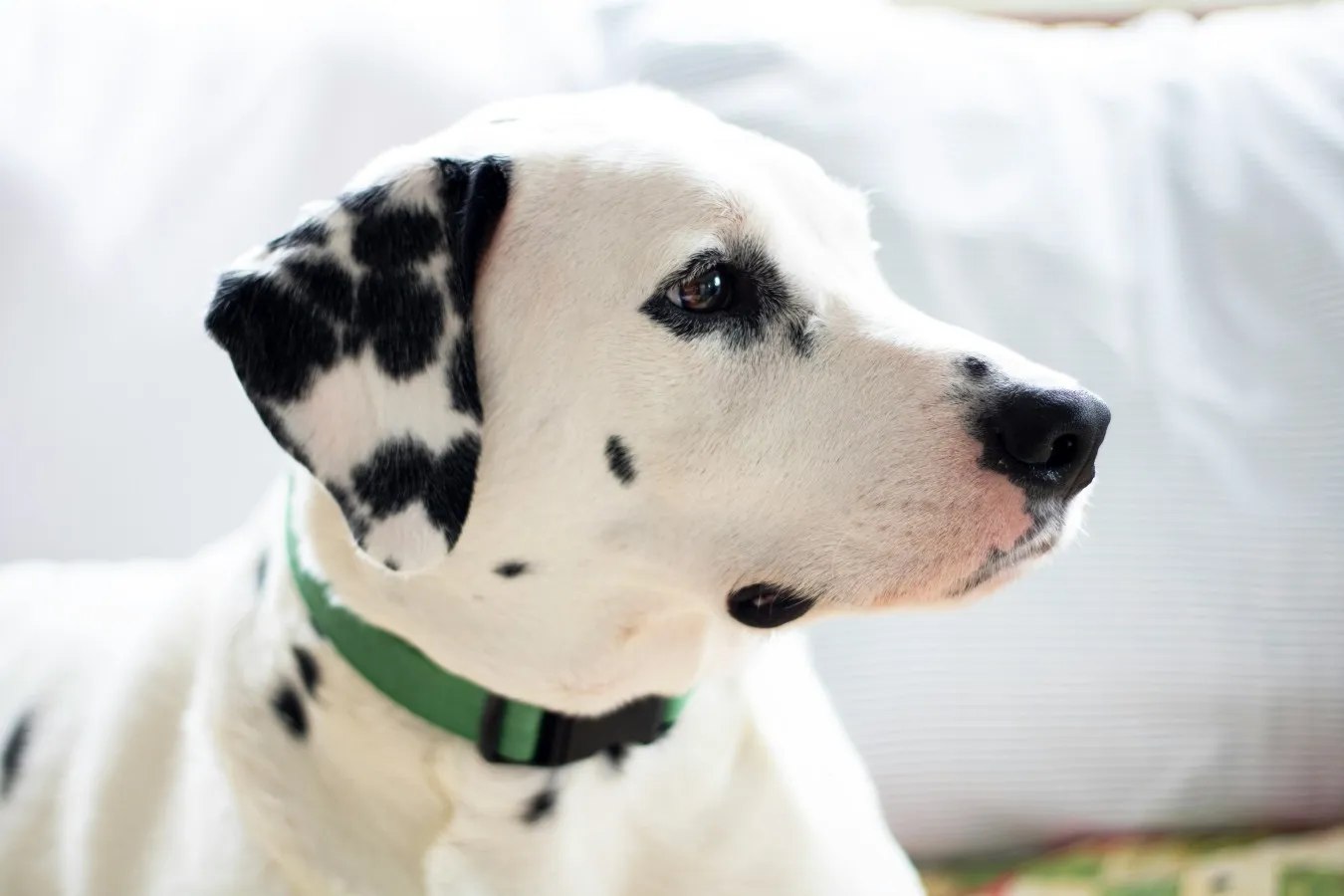
The Dalmatian is a lean, spotted athlete bred to run alongside carriages, and it is generally a sturdy dog. Two things set the breed apart from most others: a unique way of handling uric acid that makes urinary stones a lifelong concern, and a high rate of inherited deafness. Knowing both before you bring a puppy home, or while you already share your life with one, makes screening and day-to-day care much easier to plan.
In this guide

Why Are Dalmatians So Prone to Urinary Stones?
A Dalmatian, especially a male, who strains to urinate or passes only drops needs veterinary care the same day. A stone that blocks the urethra, the tube that carries urine out of the body, is a life-threatening emergency.
Most dogs break uric acid, a natural waste product of protein digestion, down into a more soluble compound. Dalmatians have a genetic quirk that limits this step, so they pass far more uric acid in their urine than other breeds. This is called hyperuricosuria, and it is why urate bladder stones are the breed's best-known health problem. Not every Dalmatian forms stones, but the tendency is present in the breed as a whole, and veterinary breed guides note that a urate stone typically needs surgery and a lifelong special diet.
The usual signs of bladder stones are blood in the urine and straining to urinate. Males carry the greater risk of a blockage because their urethra is longer and narrower, and a complete obstruction can be fatal if it is not treated right away.

- 01
Straining with little or no urine
Posturing again and again with only drops or nothing coming out.
- 02
Crying or restlessness
Whining, pacing, or licking at the genital area.
- 03
Bloody urine
Pink or red urine, particularly alongside straining.
- 04
Vomiting or lethargy
Refusing food, vomiting, or becoming weak and dull.
How Is Urate Stone Risk Managed?
Management is mostly preventive and centers on diet and water. Veterinarians often recommend a lower-purine diet for the breed. Purines are compounds found in certain proteins that the body turns into uric acid. Fresh water that is always available, and frequent chances to urinate, keep the urine dilute so crystals are less likely to form. Treats and table scraps count too, so ask your veterinarian which foods fit.
When stones do form, treatment ranges from diet changes to surgical removal, and stones that were removed or passed are usually analyzed so the plan can be matched to the stone type. Dogs that have had urate stones once can form them again, so this is a lifelong consideration rather than a one-time problem, and your veterinarian may suggest periodic urine checks even when your dog seems well.
Are Dalmatians Prone to Deafness?
Yes, notably so. Congenital deafness, meaning present from birth, is well documented in the breed and is linked to the same pigment genetics behind the white coat. According to PetMD, about 5 percent of Dalmatians are totally deaf and another 15 to 30 percent are deaf in one ear. A BAER test, short for brainstem auditory evoked response, measures the brain's electrical response to sound and identifies affected puppies long before anyone could tell by watching them. The breed club recommends it, and it appears on the AKC health testing list for the breed.
A dog that is deaf in one ear usually adapts so well that owners may never notice without testing, though startle response and recall at a distance can be affected. A dog deaf in both ears needs hand signals instead of voice commands, and can still be a happy, well-behaved companion.
What Skin, Heart and Eye Problems Show Up in the Breed?
Dalmatians can develop allergic skin disease like many breeds, and a skin condition sometimes called Dalmatian bronzing syndrome, which causes pink or bronze discoloration, hair loss, and crusty skin. Ear infections are also listed for the breed. The short coat sheds year-round, and regular brushing gives you a routine chance to spot new lumps, rashes, or sore patches early.
Dilated cardiomyopathy, an enlarged, weakened heart muscle that can lead to heart failure, and glaucoma, a painful rise in eye pressure that appears with age, are also mentioned for the breed. Hip dysplasia, an inherited looseness of the hip joint, is the reason a certified hip evaluation is recommended for breeding dogs. Routine checkups let your veterinarian listen to the heart and check the eyes before problems become obvious at home.
What Does Managing a Dalmatian's Health Actually Cost?
| Condition or Need | Typical Cost Range | Notes |
|---|---|---|
| Annual wellness exam and vaccines | $200 to $400/year | Routine preventive care |
| BAER hearing test | $50 to $150 | Ideally done by the breeder in puppyhood |
| Hip radiographs (certified) | $250 to $450 | For breeding dogs, ideally |
| Prescription low-purine diet | $50 to $90/month | Often recommended, ask your vet |
| Urate stone diagnosis and treatment | $500 to $3,000+ | Diet management up to surgery |
| Emergency urinary blockage care | $2,000 to $5,000+ | Life-threatening, mostly in males |
These are general estimates that vary by region and clinic, so treat them as a planning guide and ask your veterinarian for a quote.
Questions to Ask a Breeder Before Buying a Puppy
Ask whether the litter has had a BAER test and what the results were, and request hip results for the parents, since the breed club recommends hip and hearing evaluations. It is also fair to ask about any history of urate stones in the parents or littermates, and what the puppies are being fed. A breeder who can speak knowledgeably about the breed's uric acid handling is usually well informed about its other needs too.

Daily Life With a Dalmatian
This is a high-energy dog with real stamina, and a standard leash walk is unlikely to be enough. Plenty of daily exercise also supports urinary health, because an active dog drinks more and urinates often, while a bored, sedentary one tends to gain weight and drink less.
The short coat makes grooming simple but not low-shedding, so expect hair on everything and plan on regular brushing. Dalmatians are loyal and devoted to their people, as the personality profile explains, and they can be stubborn and exuberant, so consistent, reward-based training starting in puppyhood pays off, especially for a dog that may need hand signals.

Keeping Your Dalmatian Healthy for the Long Run
Keep fresh water always available and give frequent chances to urinate. Follow the diet your veterinarian recommends, schedule hearing and hip evaluations for breeding dogs, and keep up routine checkups so the heart, eyes, and skin are reviewed. Learn the warning signs of a urinary blockage before you ever need them. Pet insurance is worth pricing while your dog is young and healthy, since a pre-existing diagnosis can limit what is covered later.
Final Thoughts From a Veterinarian
Dalmatians usually live 11 to 13 years. Their urate stone tendency and congenital deafness shape most of their care, so plan for BAER testing, steady hydration, and a diet your veterinarian approves, and treat any straining to urinate as an emergency. Your veterinarian can tailor the plan.
Health & Costs FAQ
How much do Dalmatian cost?
Purchasing a Dalmatian from a reputable breeder typically costs between $500 and $2,000, though prices can reach higher depending on bloodline and location. Adoption fees are more affordable at $50 to $300. Prospective owners should budget an additional $500 for initial supplies, plus ongoing food, veterinary, and training costs.
Purchase cost: 5 / 10
How long do Dalmatian live?
Dalmatians typically live 11 to 13 years. Regular veterinary care, steady hydration, a veterinarian-approved diet, and plenty of exercise all help this athletic breed stay healthy through its senior years.
Life expectancy: 6 / 10
Are Dalmatian healthy dogs?
Dalmatians are athletic dogs that usually live 11 to 13 years, but they carry two breed-defining risks. Their uric acid metabolism makes urate bladder stones a lifelong concern, and congenital deafness is common. Hearing screening, steady hydration, a veterinarian-approved diet, and routine checkups keep this breed in good condition.
Health: 4 / 10
What health problems do Dalmatian have?
Dalmatians are prone to urate bladder stones and congenital deafness, and breed guides also list skin allergies and Dalmatian bronzing syndrome, ear infections, dilated cardiomyopathy, and glaucoma. A blocked urethra from a stone is an emergency, especially in males. BAER hearing tests, hip evaluations for breeding dogs, and regular checkups catch most issues early.
Health problem risk: 7 / 10
Are Dalmatian expensive to maintain?
Dalmatians have moderate upkeep costs. The short coat is easy to groom with regular brushing, but it sheds year-round. Most of the budget goes to quality food, which may include a veterinarian-recommended low-purine diet, routine veterinary care, and setting money aside for possible urinary stone treatment.
Maintenance cost: 4 / 10
How much does it cost to own a Dalmatian per month?
Expect to spend between $150 and $400 per month to own a Dalmatian, covering food, routine veterinary care, and a possible veterinarian-recommended low-purine diet. Budget toward the higher end if your dog needs ongoing management for urinary problems.
Monthly ownership cost: 4 / 10
How much does pet insurance cost for a Dalmatian?
Pet insurance for a Dalmatian typically costs between $45 and $75 per month. Premiums vary based on the dog's age, location, and coverage limits. Because Dalmatians are predisposed to urate stones, a policy is worth pricing while your dog is young, since urinary surgery can cost thousands of dollars.
Pet insurance cost: 4 / 10
Will homeowners insurance cover a Dalmatian?
Yes, most homeowners insurance policies cover Dalmatians, as the breed is not typically classified as aggressive or restricted. Always disclose your dog to your insurer to confirm liability coverage, since individual insurers set their own rules.
Homeowners insurance difficulty: 9 / 10
Are Dalmatian on insurance restricted breed lists?
No, Dalmatians are not typically found on insurance restricted-breed lists, so they are generally viewed as low risk by insurers. Individual insurers set their own rules, so always disclose your dog to your provider to keep full liability coverage active.
Insurance restriction risk: 2 / 10
Can you get renters insurance with a Dalmatian?
Yes, you can typically get renters insurance with a Dalmatian, since the breed is rarely on restricted lists. Some insurers ask for details about the dog, so always disclose your dog to your provider and confirm the policy with your landlord.
Renters insurance difficulty: 8 / 10