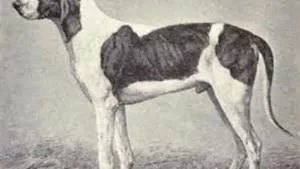
Parson Russell Terrier Health and Costs
Breed Group
Terrier Dogs
Country of Origin
United Kingdom
Breed Size
Small
AKC Recognition
Yes, recognized in 1997
FCI Recognition
Yes, recognized in 1954
Rarity
Common3 / 10
Purchase cost
Moderate cost3 / 10
Life expectancy
Long Lifespan8 / 10
Health
Generally healthy7 / 10
Health problem risk
Moderate health concerns4 / 10
Maintenance cost
Low maintenance cost2 / 10
A Veterinarian's Guide
Parson Russell Terrier Health Problems and Costs
The Parson Russell Terrier was bred to work fox dens and chase quarry through tight, rocky ground, and it is a tough, energetic little dog that often lives 13 to 15 years. Its health problems tend to be specific and inherited rather than tied to body shape: a painful eye condition called lens luxation, a balance disorder called ataxia, deafness, slipping kneecaps, and dental disease. Knowing them before you bring a puppy home, or while you already share your life with one, makes screening and vet visits much easier to plan.
In this guide
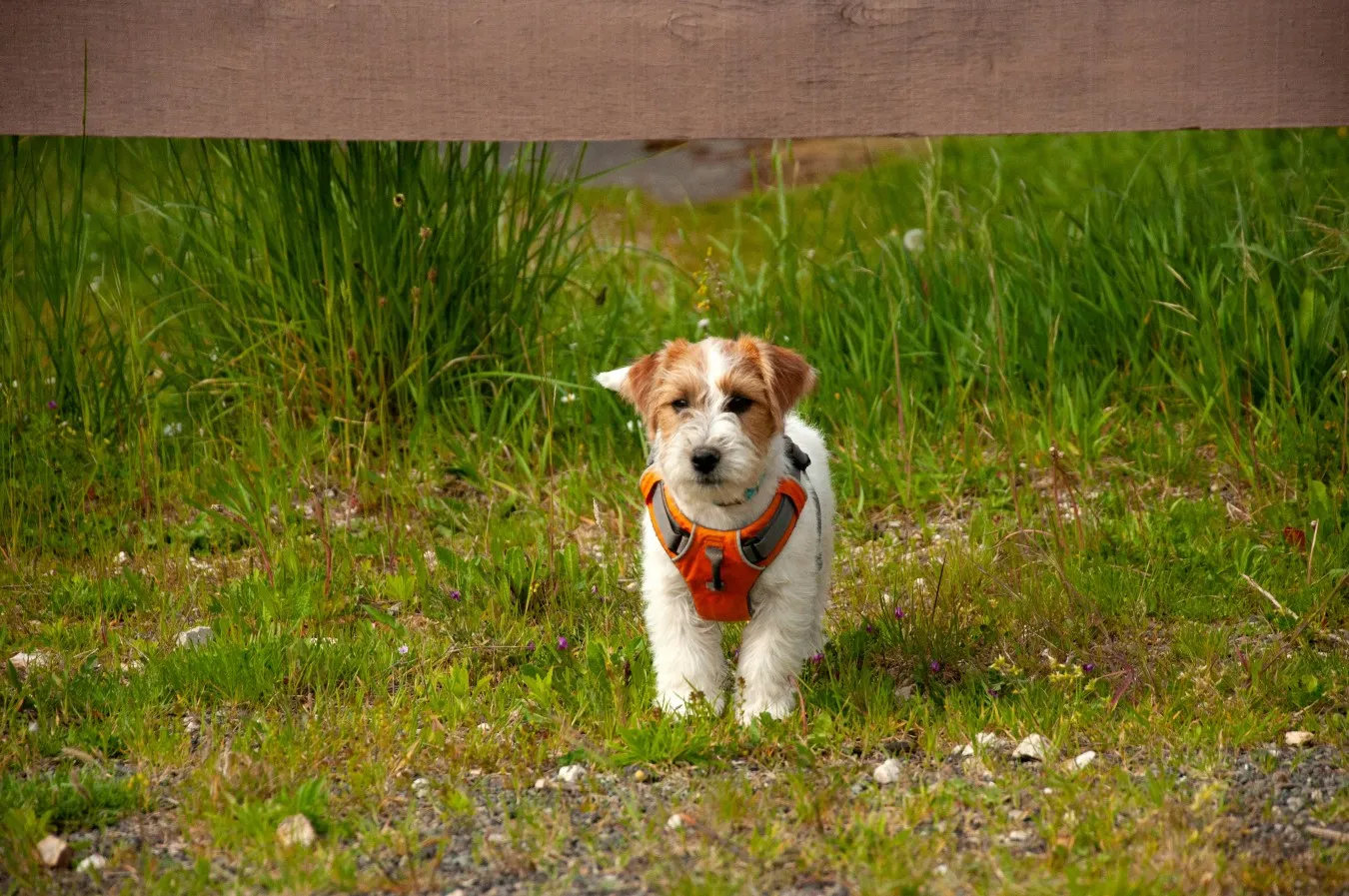
What Is Primary Lens Luxation and Why Is It Urgent?
A sudden red, cloudy, or painful eye, or a dog squinting and pawing at one eye, needs a same-day veterinary visit, because a displaced lens can quickly lead to glaucoma and permanent vision loss.
Primary lens luxation, or PLL, is an inherited condition in which the fibers holding the eye's lens in place weaken and let the lens shift out of position. The Parson Russell Terrier is one of the breeds more commonly affected, and a displaced lens can block the normal drainage of fluid inside the eye. The pressure rises painfully, a state called glaucoma. The word comes from the Greek glaukos, "gleaming" or "blue-gray."
A DNA test for the gene linked to this condition can identify carriers, so ask any breeder whether the parents were tested. The breed club also recommends an ophthalmologist evaluation for breeding dogs, and regular eye exams in adult life let a veterinarian notice early lens instability before a full luxation happens.
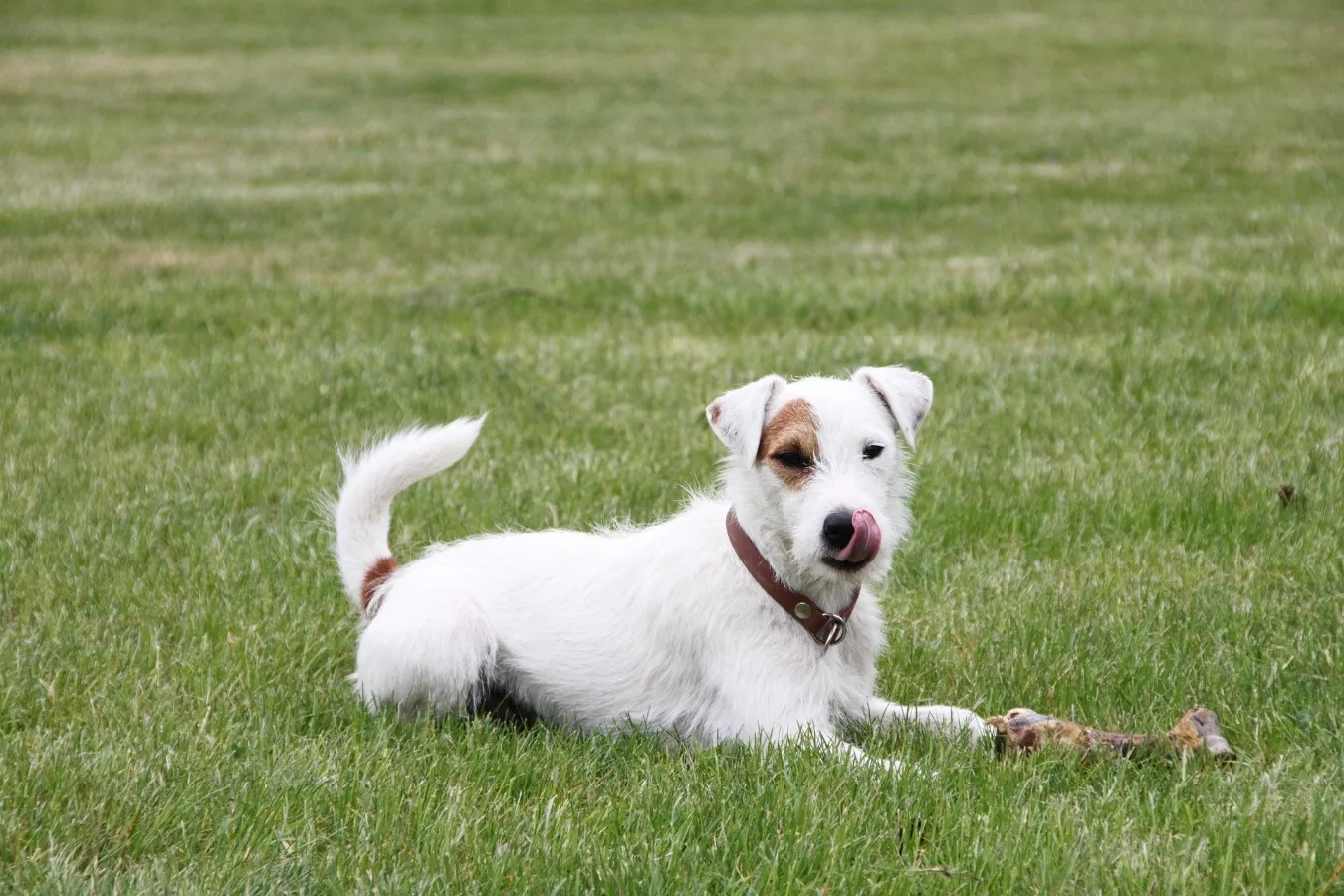
What Is Ataxia and How Is It Diagnosed?
Ataxia comes from the Greek a, "without," and taxis, "order," and means a loss of coordination. Affected dogs have trouble standing and walking and gradually lose the ability to place their feet accurately. Two inherited forms are described in the breed: a late-onset form that appears in young dogs, often at around 6 to 12 months of age, and a cerebellar form that tends to show up in the first months of life.
A DNA test is available for the late-onset form. There is no cure once signs begin, but non-slip flooring, ramps, and modified exercise help affected dogs stay comfortable. Because other conditions can cause unsteadiness, a veterinary neurologist can help rule them out as soon as incoordination is noticed.
Why Does Deafness Show Up in This Breed?
Some Parson Russell Terriers are born deaf in one or both ears, and white-coated dogs are more likely to be affected. A BAER test, which measures the brain's electrical response to sound, is the reliable way to confirm hearing in puppies, and the breed club recommends BAER testing for breeding dogs.
Deafness is not painful, and a dog deaf in one ear often functions so well that nobody notices without testing. A dog deaf in both ears needs hand-signal training from an early age and extra care around traffic, but most adapt well with a patient, structured approach.

What Kneecap and Joint Problems Should Owners Watch For?
Patellar luxation, a kneecap that slips out of its groove, is an inherited problem in the breed, and the breed club recommends a patella evaluation for breeding dogs. The word luxation comes from the Latin luxare, "to dislocate." Mild cases cause occasional skipping or hopping, and severe cases may need surgery.
A limp that lasts more than a day or two deserves an orthopedic exam. A lean body weight protects small joints, and because this breed loves to jump off furniture, ramps or steps near favorite perches reduce repeated strain on a loose kneecap.
- 01
Unsteady walking
Stumbling, misplaced steps, or trouble standing.
- 02
A skipping leg
Hopping or holding up a back leg, or a limp beyond a day or two.
- 03
No response to sounds
A puppy who does not react to a clap or its name.
- 04
Painful mouth
Bad breath, drooling, or dropping food.
Why Does Dental Care Matter So Much for a Small Terrier?
Periodontal disease, an infection and inflammation of the tissues around the teeth, is common in small dogs, and tartar left in place can let bacteria reach the bloodstream. The word comes from the Greek peri, "around," and odous, "tooth." Daily brushing with dog-specific toothpaste is the habit that helps most, and professional cleanings under anesthesia remove tartar below the gumline where a brush cannot reach.
Ask your veterinarian to check for retained baby teeth at puppy visits, since a baby tooth that stays in place can crowd the adult teeth. Removing it is simplest when the puppy is already under anesthesia for a spay or neuter.

What Does Managing a Parson Russell Terrier's Health Actually Cost?
| Condition or Need | Typical Cost Range | Notes |
|---|---|---|
| PLL and ataxia DNA tests | $50 to $150 per test | One time, ideally before breeding |
| Annual eye exam | $75 to $200 | By a veterinary ophthalmologist |
| BAER hearing test | $75 to $200 | Ideally done in puppyhood |
| Professional dental cleaning | $300 to $700 | More if extractions are needed |
| Patellar luxation repair | $1,500 to $3,000 | Rises with luxation grade |
| Emergency lens luxation surgery | $2,000 to $4,000 | Time-sensitive, per affected eye |
These are broad estimates that vary by region and by how early a problem is caught. Pet insurance is worth pricing while your dog is young and healthy, since an eye emergency is hard to plan for.
Questions to Ask a Breeder Before Buying a Puppy
Ask for the parents' PLL and ataxia DNA results, eye exams, patella evaluations, and BAER results, since these are the screenings the breed club recommends or that are commonly offered. Ask whether any puppies in the line were born deaf, and whether any relatives developed balance problems.
It also helps to ask about typical coat type, since smooth and rough coats need different care, and about the line's energy level.
Daily Life With a Parson Russell Terrier
This is an intelligent, bold, confident terrier that needs vigorous daily exercise and mental work to stay out of trouble. The hardest part for many owners is meeting that exercise need, and bored dogs can turn destructive. Parson Russells are diggers and jumpers, so a tall, secure fence matters, and some are prone to barking and separation anxiety.
Both coat types need regular brushing, and rough coats also need occasional clipping or plucking, as the grooming profile explains. The personality profile describes the affectionate, feisty side, and early, consistent training suits a highly trainable dog with a strong will.
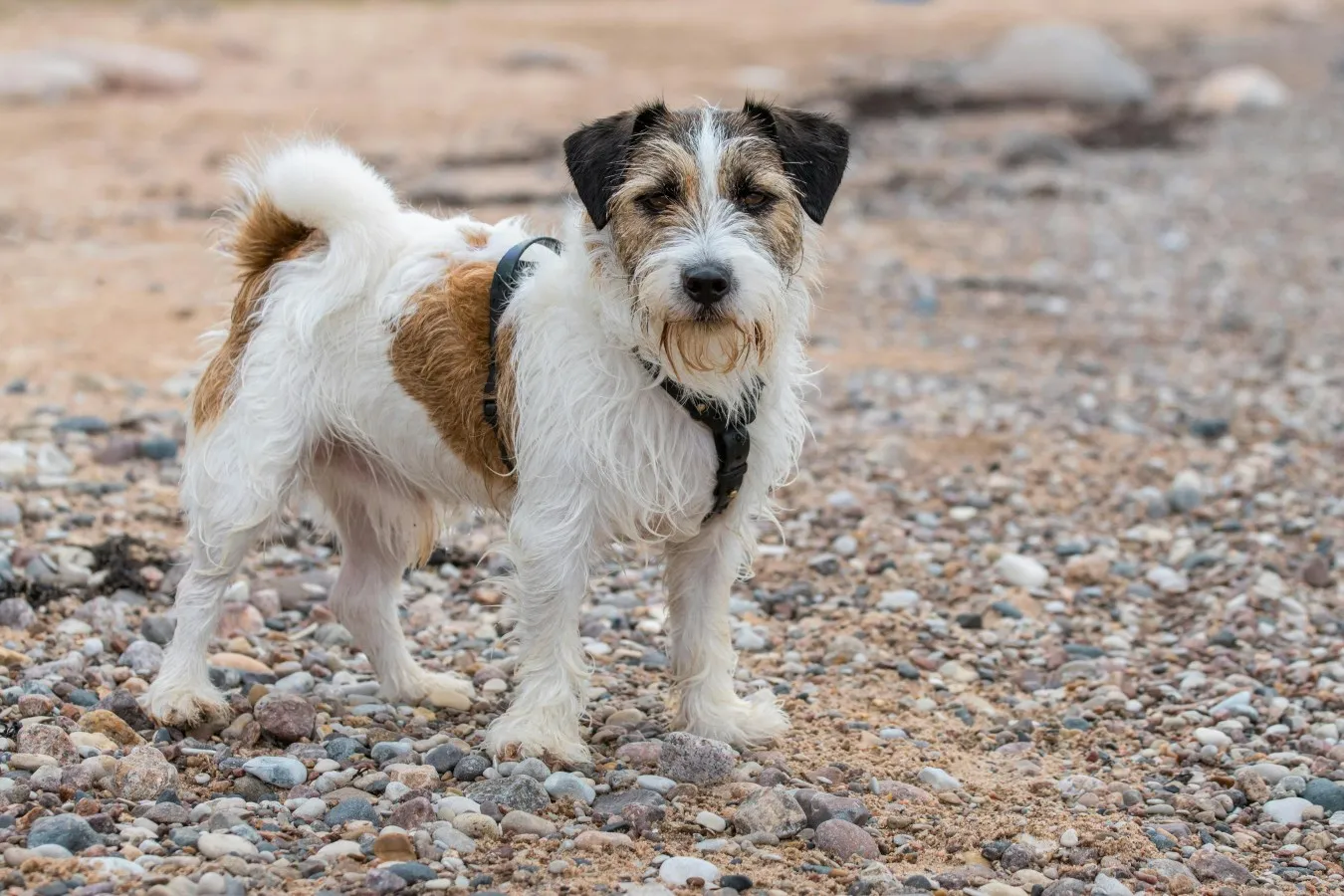
Keeping Your Parson Russell Terrier Healthy for the Long Run
Ask about DNA and hearing results before choosing a puppy, brush the teeth daily, keep your dog lean, and schedule regular eye exams. Learn the signs of an eye emergency before you ever need them. Parson Russell Terriers commonly live 13 to 15 years, and screening has made several of these conditions easier to avoid.
Final Thoughts From a Veterinarian
Parson Russell Terriers often live 13 to 15 years and cost about $50 to $100 a month. Ask breeders for eye, hearing, kneecap, and DNA results, brush the teeth daily, and treat a red or painful eye as a same-day emergency. Your veterinarian can tailor the plan.
Health & Costs FAQ
How much do Parson Russell Terrier cost?
The cost of a Parson Russell Terrier from a reputable breeder typically ranges from $800 to $2,500. Adoption fees are much lower, generally between $50 and $300. Prospective owners should also budget for initial supplies, vaccinations, and potential long-term costs for high-energy care and health maintenance.
Purchase cost: 3 / 10
How long do Parson Russell Terrier live?
Parson Russell Terriers typically have a lifespan of 13 to 15 years. Providing a balanced diet, regular exercise, and routine veterinary care is essential to help your terrier live a full and healthy life. Some healthy individuals have even been known to reach 16 years or older.
Life expectancy: 8 / 10
Are Parson Russell Terrier healthy dogs?
Parson Russell Terriers are generally healthy, active dogs that often live 13 to 15 years. They are prone to specific inherited conditions, including primary lens luxation, ataxia, deafness, and patellar luxation, and screening before breeding is the best protection. Regular veterinary checkups and daily dental care help keep them well.
Health: 7 / 10
What health problems do Parson Russell Terrier have?
Parson Russell Terriers can develop primary lens luxation, which is a painful eye emergency, along with inherited ataxia, deafness, and patellar luxation. Other eye problems such as cataracts are also reported. DNA testing, eye exams, BAER hearing tests, and patella evaluations help catch or avoid most of these.
Health problem risk: 4 / 10
Are Parson Russell Terrier expensive to maintain?
Parson Russell Terriers are relatively inexpensive to maintain. Both coat types need regular brushing, rough coats need occasional clipping or plucking, and small size keeps food costs low. Budget for dental care and for eye, hearing, and kneecap screening, which are the larger health costs for this breed.
Maintenance cost: 2 / 10
How much does it cost to own a Parson Russell Terrier per month?
Expect to spend about $50 to $100 per month to own a Parson Russell Terrier. This covers food, routine veterinary care, and preventive medication. Active terriers may also need durable toys and training, and costs vary by region.
Monthly ownership cost: 2 / 10
How much does pet insurance cost for a Parson Russell Terrier?
Pet insurance for a Parson Russell Terrier generally costs between $30 and $55 per month. Monthly premiums depend on the dog's age, location, and specific coverage options. Securing a policy is highly recommended to help manage potential costs related to breed-specific health conditions or unexpected medical emergencies.
Pet insurance cost: 3 / 10
Will homeowners insurance cover a Parson Russell Terrier?
Yes, most homeowners insurance policies cover a Parson Russell Terrier, since the breed is not typically on restricted breed lists. Because they are energetic terriers with a strong chase instinct, always confirm liability coverage with your insurance provider to be certain.
Homeowners insurance difficulty: 9 / 10
Are Parson Russell Terrier on insurance restricted breed lists?
No, Parson Russell Terriers are not typically found on insurance restricted-breed lists. While they can be feisty and vocal, they are not usually classified as high-risk by insurers. Always disclose your pet to your provider to ensure full liability coverage remains active for your home.
Insurance restriction risk: 2 / 10
Can you get renters insurance with a Parson Russell Terrier?
Yes, you can typically get renters insurance with a Parson Russell Terrier, since they are generally not on restricted breed lists. Always disclose your dog to your insurer and review your lease for pet rules to ensure liability coverage.
Renters insurance difficulty: 8 / 10