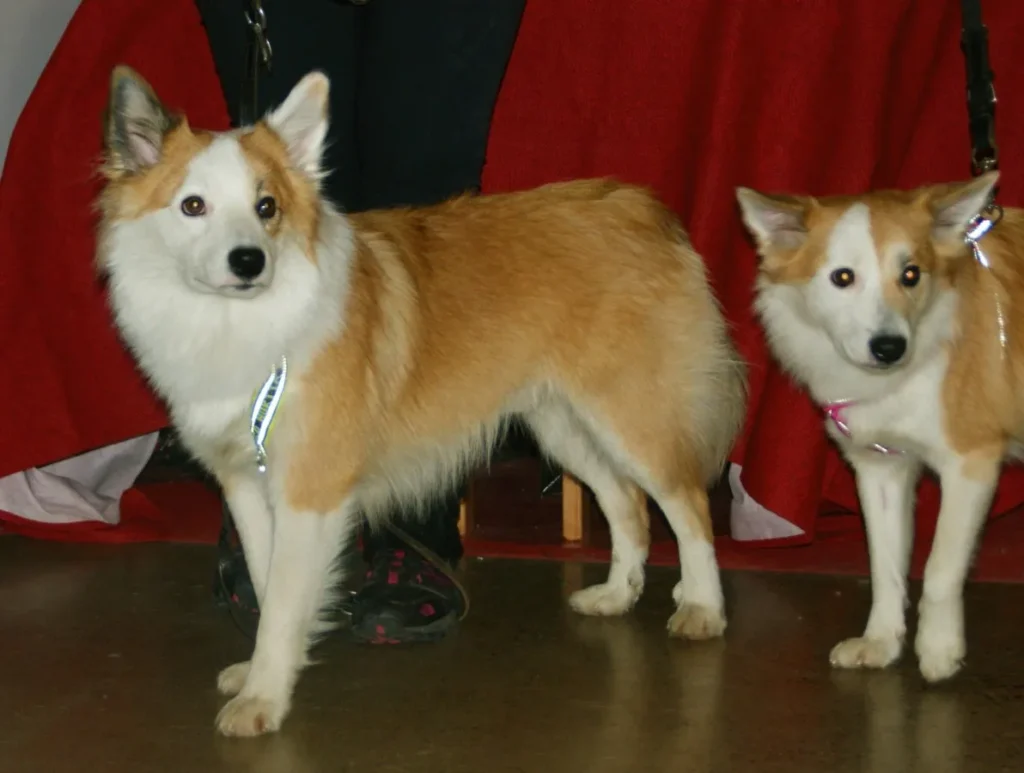
Icelandic Sheepdog Health and Costs
Breed Group
Spitz Dogs
Country of Origin
Iceland
Breed Size
Medium
AKC Recognition
Yes, recognized in 2010
FCI Recognition
Yes, recognized in 1954
Rarity
Common3 / 10
Purchase cost
Moderate6 / 10
Life expectancy
Long Lifespan8 / 10
Health
Generally healthy7 / 10
Health problem risk
Mild health concerns3 / 10
Maintenance cost
Moderate upkeep cost4 / 10
A Veterinarian's Guide
Icelandic Sheepdog Health Problems and Costs
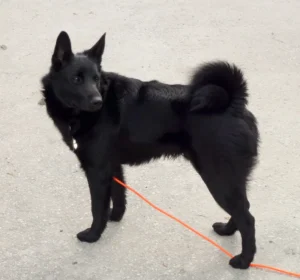
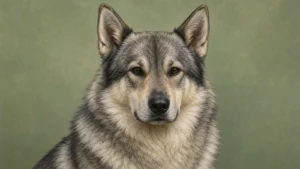
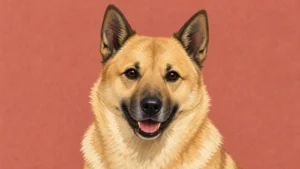
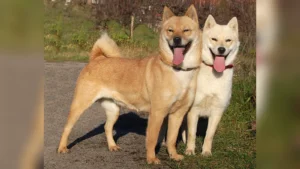
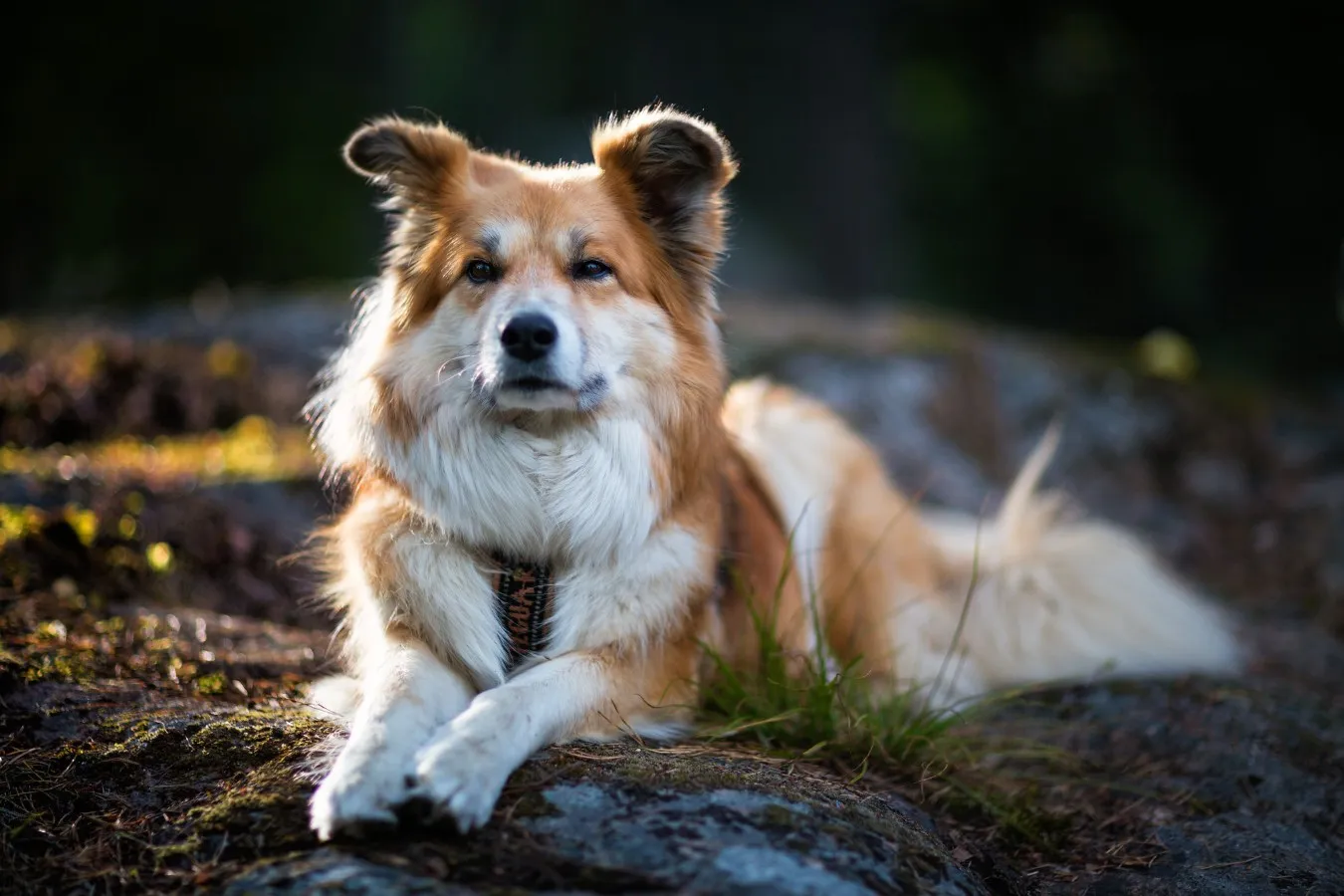
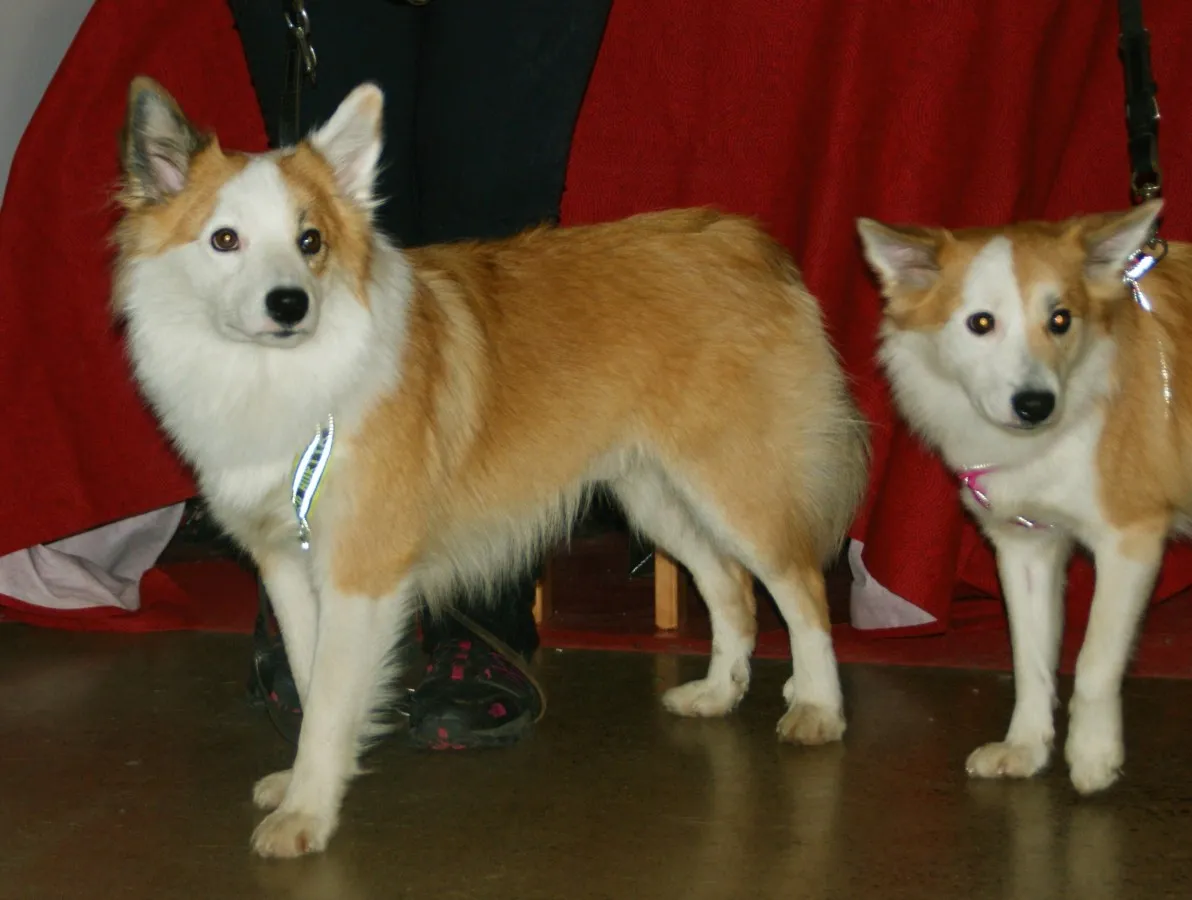
The Icelandic Sheepdog is Iceland's only native breed, a cheerful, hardy herding dog with a thick double coat. It is generally healthy, but a few inherited problems repeat in the breed: the hips, elbows, kneecaps, and eyes. Knowing them before you bring a puppy home, or while you already share your life with one, makes screening and vet visits much easier to plan.
In this guide
Why Do Hips and Elbows Need Screening in This Breed?
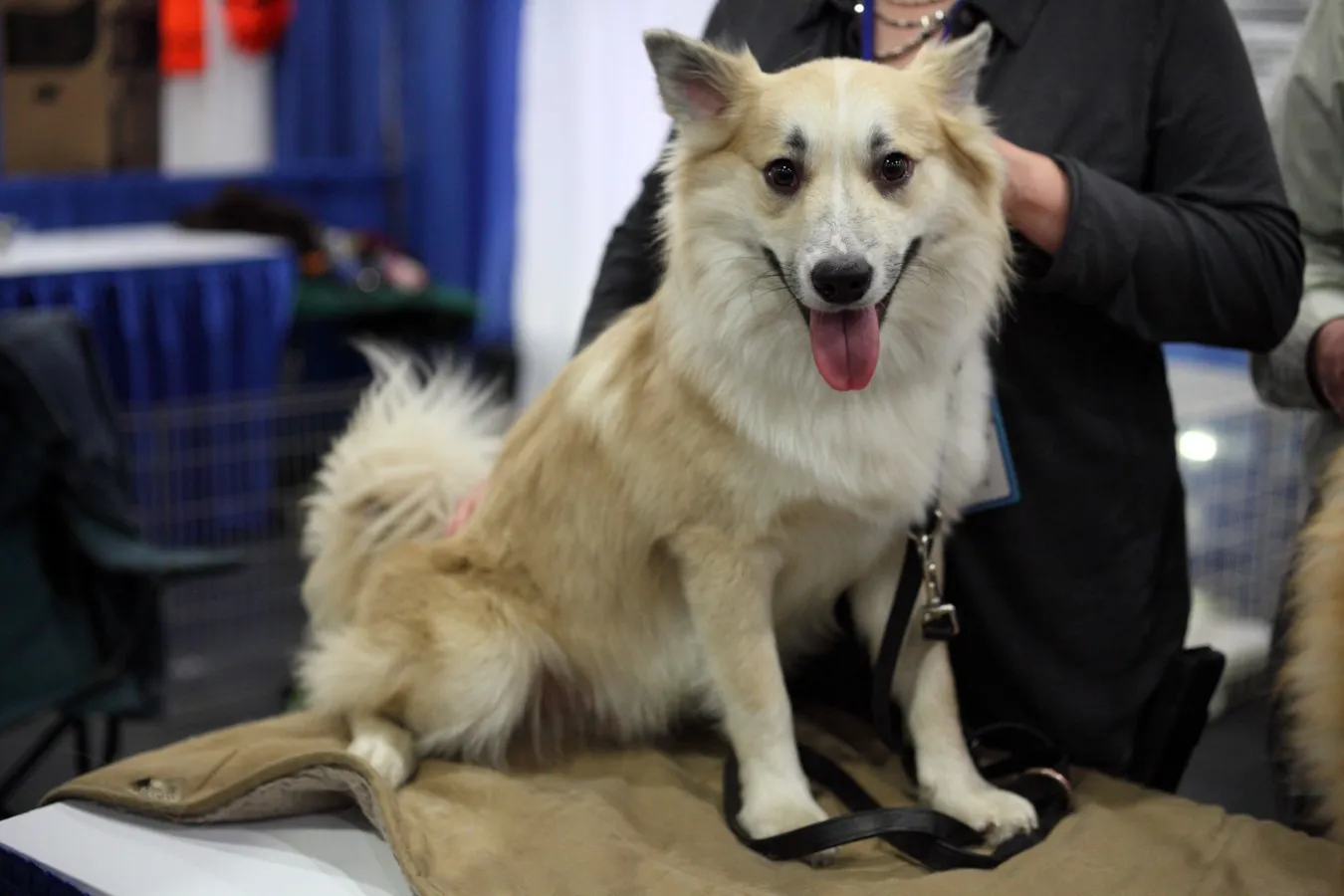
Hip dysplasia is an inherited condition in which the ball of the thigh bone does not sit snugly in the hip socket. The loose joint wears unevenly over time and can lead to pain and arthritis. Elbow dysplasia is a group of inherited elbow malformations that also lead to arthritis. The word comes from the Greek dys, "bad," and plasis, "formation." Both are listed among the conditions seen in Icelandic Sheepdogs, and the national breed club recommends a hip evaluation for breeding dogs.
Screening x-rays, read through a certified program such as the OFA hip evaluation, give an objective picture before signs appear. Keeping the dog lean is one of the most effective ways to slow joint wear, and VCA's overview of hip dysplasia explains how vets manage it.
What Is Patellar Luxation and How Do You Spot It?
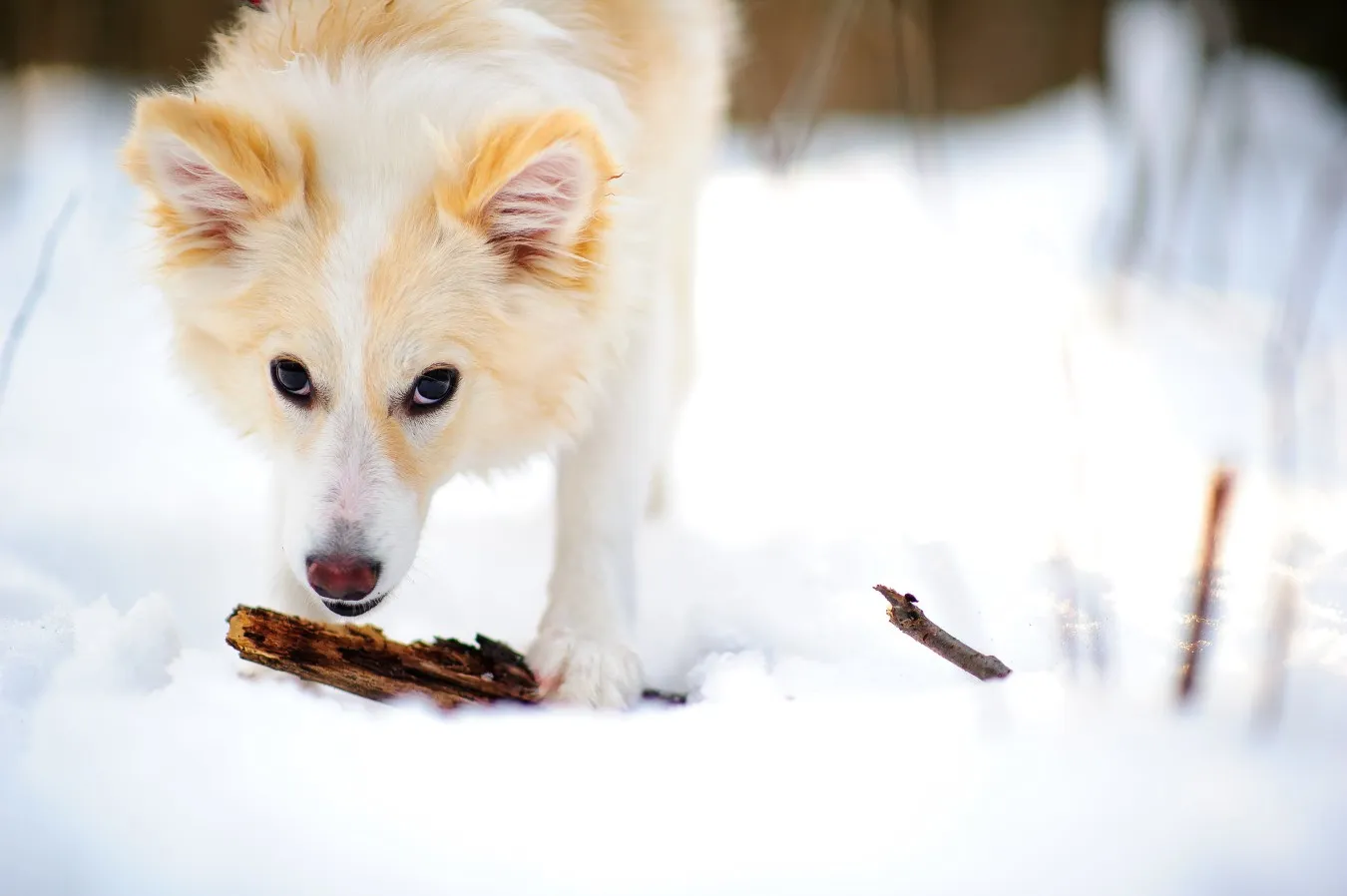
Patellar luxation means the kneecap slips out of its normal groove. The word comes from the Latin patella, "small pan," and luxare, "to dislocate." Mild cases may show up only as an occasional skip in the stride, while more severe grades can need surgery. A vet can check the kneecaps by hand at a routine exam, and VCA's guide to luxating patella describes the grades and treatment options.
- 01
Skipping or hopping
The dog lifts a back leg for a few steps, then walks normally again.
- 02
Stiffness after rest
Slow, stiff movement after lying down, or reluctance to jump.
- 03
A limp that persists
Limping that continues beyond a day or two or keeps returning.
- 04
Pain on touch
Flinching when a hip, knee, or elbow is handled.
What Eye Conditions Show Up in Icelandic Sheepdogs?
A red, painful, or suddenly cloudy eye, or a dog that keeps squinting or pawing at its face, needs a veterinary exam promptly rather than a wait-and-see approach.
Several eye conditions are described in the breed. Cataracts are a clouding of the eye's normally clear lens, and they are often inherited. Distichiasis means extra eyelashes grow from an abnormal spot on the lid edge and can rub the eye's surface, causing tearing or squinting. The word comes from the Greek di, "two," and stichos, "row." Retinal dysplasia, an inherited malformation of the light-sensing layer at the back of the eye, is also listed. VCA explains distichiasis in more detail.
Many mild cases need no treatment, while others need the lashes removed or the lens managed. The national breed club recommends an eye evaluation by a veterinary ophthalmologist for breeding dogs, and annual exams are a sensible habit as a dog reaches middle age.
Why Do Teeth and Weight Matter for Every Dog?
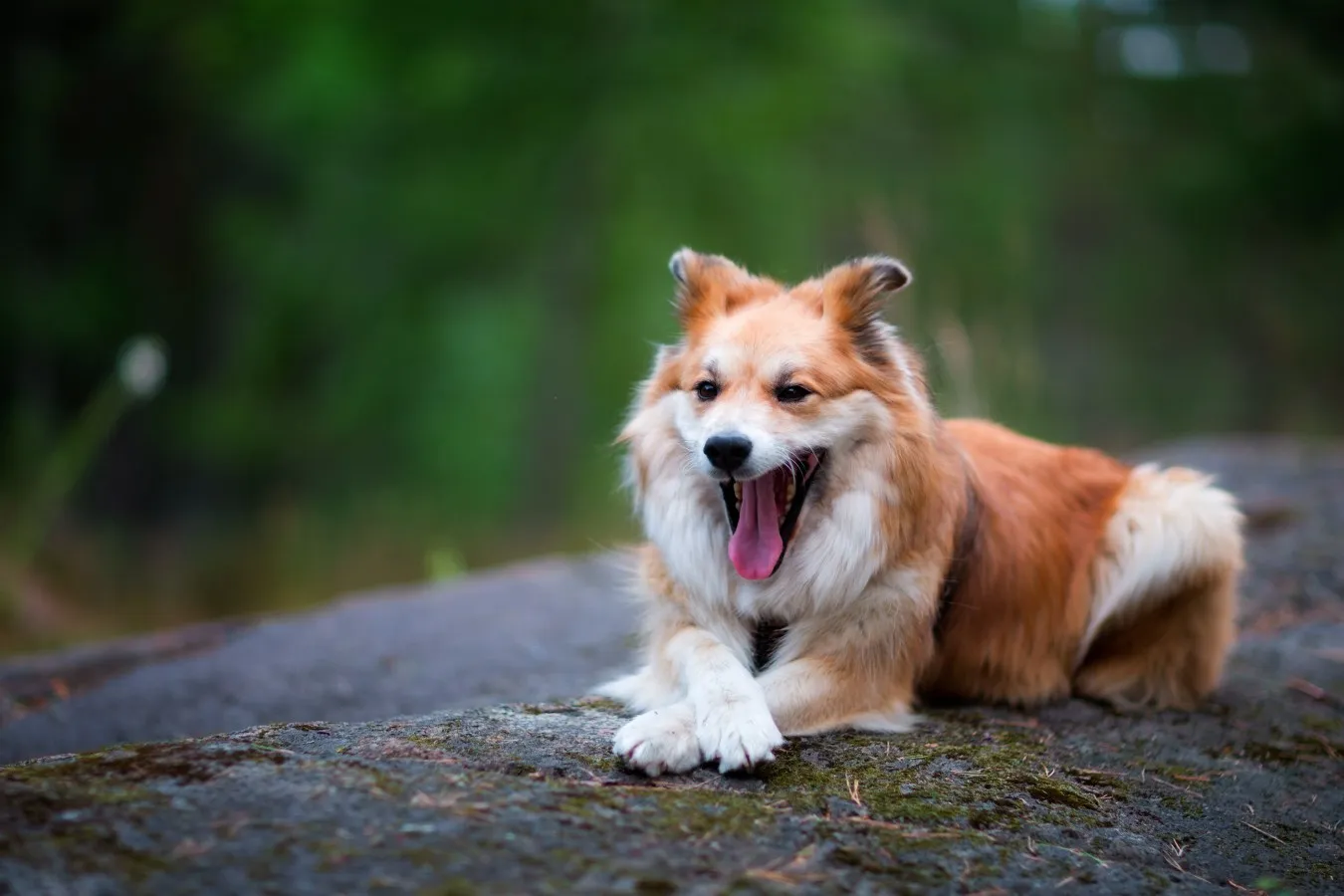
Two everyday risks are not specific to this breed but deserve attention in every dog. Dental disease affects most dogs by middle age without consistent home care, so brushing a few times a week and mentioning bad breath or tartar at checkups pays off. Extra weight adds strain to joints that may already be vulnerable, so use a hands-on rib check rather than judging by eye through a thick coat, and measure meals instead of free-feeding. VCA's guide to obesity in dogs covers how to assess body condition.
What Does Managing an Icelandic Sheepdog's Health Actually Cost?
| Condition or Need | Typical Cost Range | Notes |
|---|---|---|
| Hip and elbow screening x-rays | $250 to $450 | One time, ideally around age two |
| Annual eye exam | $75 to $200 | More valuable from middle age on |
| Professional dental cleaning | $300 to $800 | Every one to two years, depending on home care |
| Patellar luxation surgery | $1,500 to $3,000 per knee | Only for moderate to severe grades |
Questions to Ask a Breeder Before Buying a Puppy
The national breed club recommends a hip evaluation and an ophthalmologist eye evaluation for breeding dogs, so ask to see both results for the parents. Ask whether kneecaps and elbows have been examined, and how the breeder handles extra eyelashes or cataracts that appear in the line.
A breeder who answers openly and shares written results is usually a better sign than one who brushes the questions aside. It also helps to ask how the parents behave at home, since this is a social, vocal breed.
Daily Life With an Icelandic Sheepdog
This is a friendly, social herding dog that thrives on company and tends to bark to announce visitors. The dense double coat needs regular brushing, with more during shedding seasons, and the grooming profile covers the routine. Their cheerful, people-focused nature is described in the personality profile.
Because they are intelligent and eager to please, early training and daily mental work help channel the herding instinct and keep barking manageable. A dog that stays lean, active, and busy is also kinder to its joints.
Keeping Your Icelandic Sheepdog Healthy for the Long Run
Schedule hip and elbow screening, ask your vet to check the kneecaps, and book eye exams from middle age. Keep your dog lean, brush its teeth, and report limping or squinting early. Pet insurance is worth pricing while your dog is young and healthy.
Final Thoughts From a Veterinarian
Icelandic Sheepdogs usually live 12 to 14 years and are generally healthy. Screen hips and eyes, keep them lean, and report limping or squinting early. Your veterinarian can tailor a plan for your dog.
Health & Costs FAQ
How much do Icelandic Sheepdog cost?
The cost of an Icelandic Sheepdog from a reputable breeder typically ranges from $1,200 to $2,500, and prices vary by breeder and region. Owners should also budget for initial supplies, vaccinations, and essential gear to ensure a healthy start for this hardy breed.
Purchase cost: 6 / 10
How long do Icelandic Sheepdog live?
Icelandic Sheepdogs typically live 12 to 14 years. A lean weight, regular exercise, dental care, and routine veterinary checkups support a long life, and screening for hip, elbow, kneecap, and eye problems helps catch inherited issues early.
Life expectancy: 8 / 10
Are Icelandic Sheepdog healthy dogs?
Icelandic Sheepdogs are generally healthy, hardy dogs, but not problem-free. Hip dysplasia, elbow dysplasia, patellar luxation, and eye conditions such as cataracts and distichiasis are the main concerns. The breed club recommends hip and eye evaluations for breeding dogs, and a lean weight helps protect the joints.
Health: 7 / 10
What health problems do Icelandic Sheepdog have?
Icelandic Sheepdogs can develop hip and elbow dysplasia, patellar luxation (a slipping kneecap), cataracts, extra eyelashes called distichiasis, and retinal dysplasia. Hip and eye screening, a lean weight, and routine veterinary checkups help catch most issues early.
Health problem risk: 3 / 10
Are Icelandic Sheepdog expensive to maintain?
Icelandic Sheepdogs have moderate upkeep costs. Their dense double coat needs regular brushing, with more during shedding seasons, but home grooming is usually enough. The larger costs are quality food, routine veterinary care, and screening for joint and eye problems.
Maintenance cost: 4 / 10
How much does it cost to own a Icelandic Sheepdog per month?
Expect to spend between $200 and $250 per month to own an Icelandic Sheepdog. This budget covers high-quality food, routine veterinary checkups, and preventative medications. Since they are a generally healthy breed, these costs remain stable, though owners should still plan for occasional grooming needs and health screenings.
Monthly ownership cost: 5 / 10
How much does pet insurance cost for a Icelandic Sheepdog?
Pet insurance for an Icelandic Sheepdog typically costs between $35 and $55 per month. Coverage is worth pricing while your dog is young, since hip, elbow, kneecap, or eye problems can add up. Premiums vary with your location, chosen deductible, and the dog's age.
Pet insurance cost: 3 / 10
Will homeowners insurance cover a Icelandic Sheepdog?
Yes, most homeowners insurance policies cover Icelandic Sheepdogs, as they are not typically found on restricted breed lists. As a friendly, medium-sized breed, they are generally considered low-risk. However, always disclose your pet to your insurance provider to ensure your liability coverage remains fully active and valid.
Homeowners insurance difficulty: 9 / 10
Are Icelandic Sheepdog on insurance restricted breed lists?
No, Icelandic Sheepdogs are not typically found on insurance restricted-breed lists. Insurers generally view this medium-sized, friendly herding breed as a low liability risk. Most homeowners and renters insurance policies will cover them without issue, provided the individual dog has no history of aggressive behavior.
Insurance restriction risk: 2 / 10
Can you get renters insurance with a Icelandic Sheepdog?
Yes, you can typically get renters insurance with an Icelandic Sheepdog. This friendly, medium-sized breed is rarely found on restricted lists, so most policies include liability coverage for them. However, always disclose your pet to your insurer and confirm any specific building rules with your landlord.
Renters insurance difficulty: 8 / 10