Xoloitzcuintli Health and Costs
Breed Group
Companion Dogs
Country of Origin
Mexico
Breed Size
Medium
AKC Recognition
Yes, recognized in 2011
FCI Recognition
Yes, recognized in 1954
Rarity
Common3 / 10
Purchase cost
Moderate5 / 10
Life expectancy
Long Lifespan8 / 10
Health
Very healthy8 / 10
Health problem risk
Mild health concerns3 / 10
Maintenance cost
Moderate upkeep cost4 / 10
A Veterinarian's Guide
Xoloitzcuintli Health Problems and Costs
The Xoloitzcuintli, often shortened to Xolo, is one of the oldest known dog breeds and comes in toy, miniature, and standard sizes, in both hairless and coated varieties. Most of the breed's particular health needs trace back to the hairless gene itself, which affects the skin and the teeth in predictable ways. The rest is a short list of joint and heart checks and a very strong attachment to people. Knowing all of it before you bring a puppy home, or while you already share your life with one, makes daily care and vet visits much easier to plan.
In this guide
Why Does Hairless Skin Need So Much Extra Care?
Use only a veterinarian-approved sunscreen, ideally one without zinc oxide or salicylates, and ask your veterinarian before putting any human acne or skin product on a Xolo.
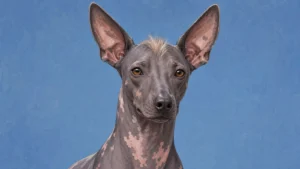
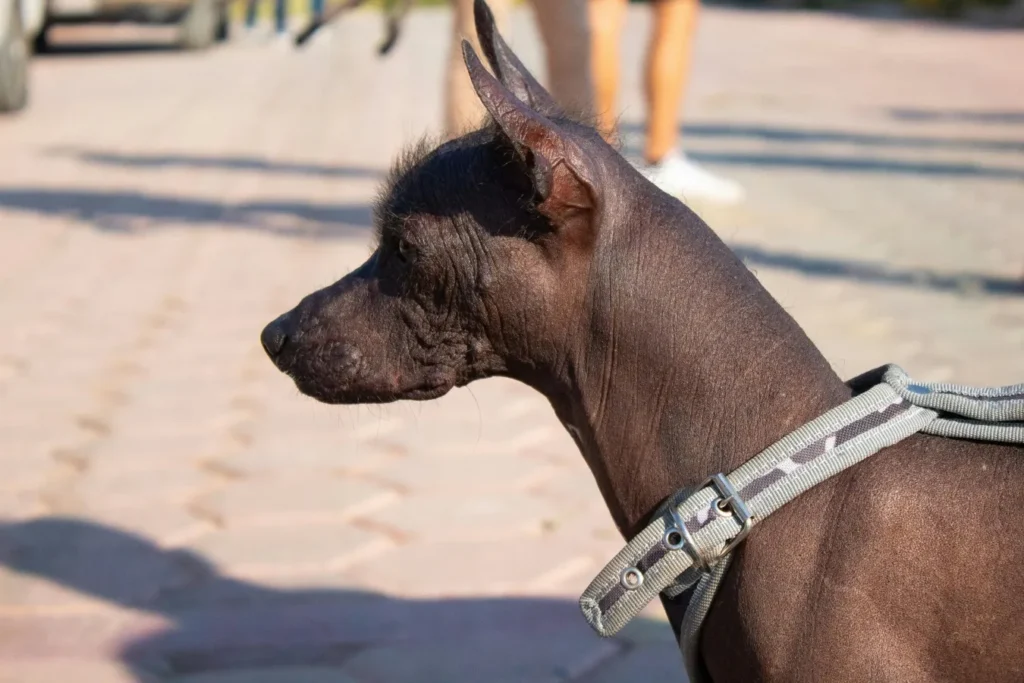
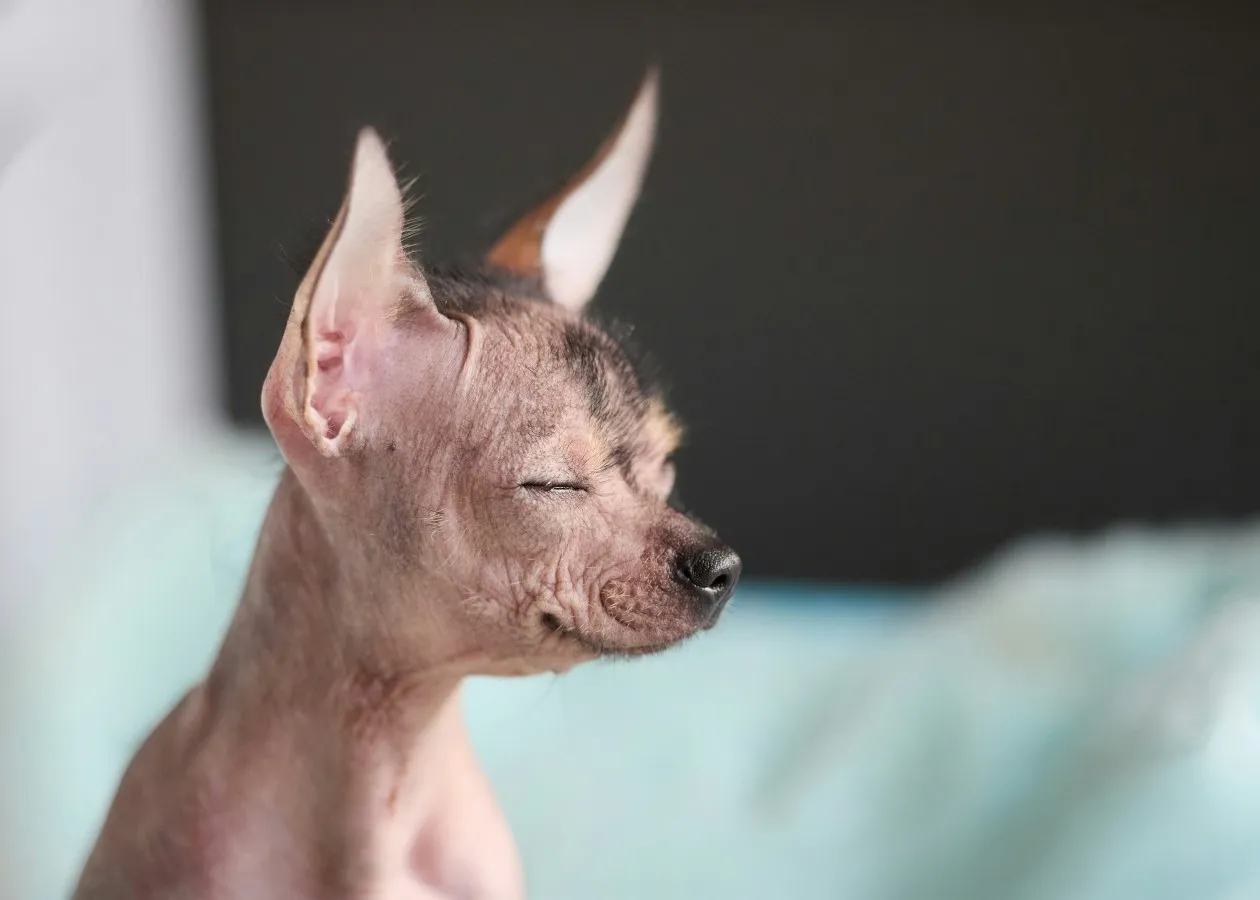
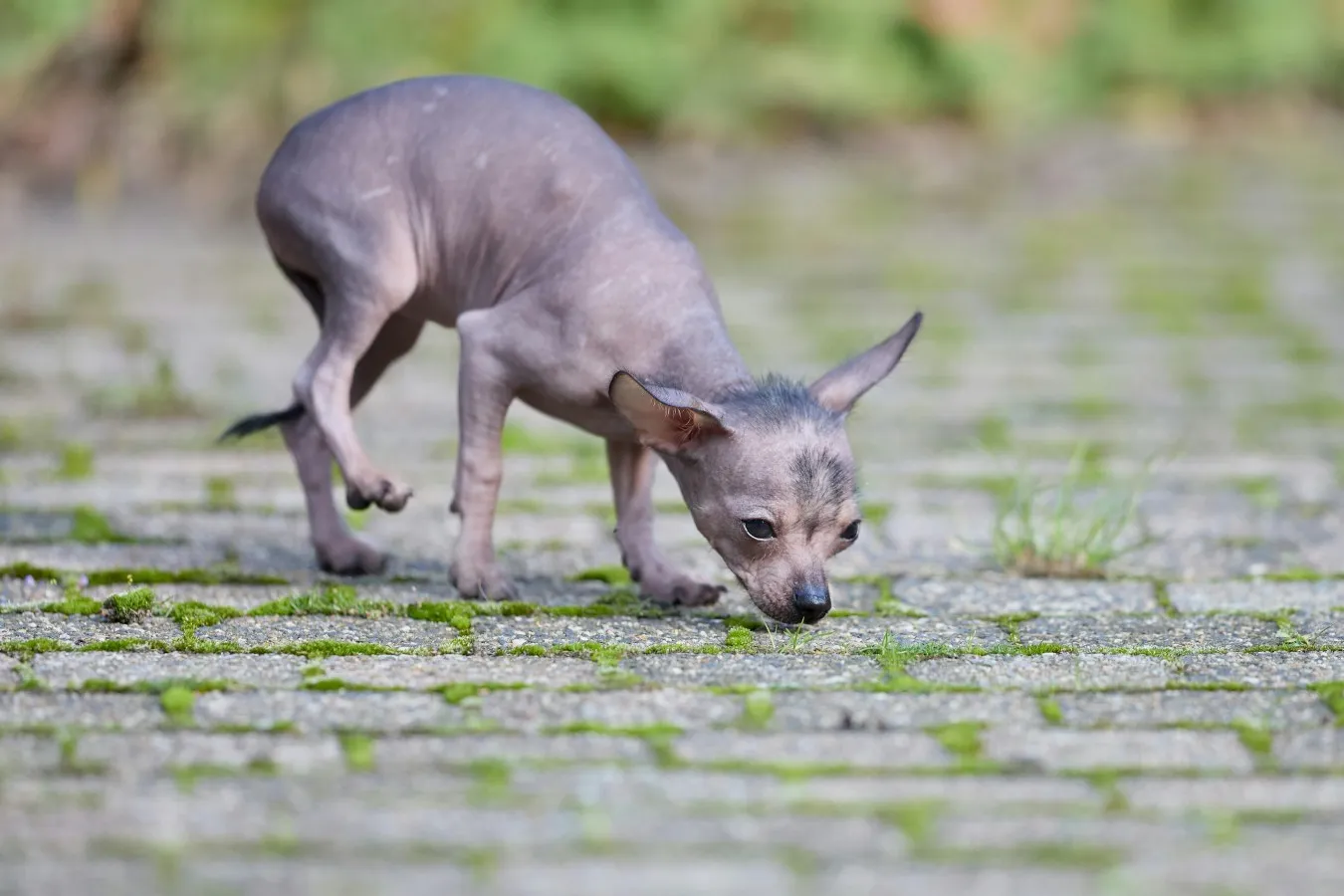
Without a coat, a hairless Xolo's skin is directly exposed to sun, wind, and temperature extremes in a way most dogs never experience. The breed's inherited hairlessness leaves it prone to sunburn, dryness, and acne, small red bumps or blackheads caused by blocked pores. Acne is most often seen in young dogs and is usually mild, but bumps that spread, ooze, or keep returning deserve a veterinary visit, because a bacterial infection may be starting underneath.
Sunburn is the part owners underestimate. A light moisturizer made for dogs after bathing, sunscreen before long spells outdoors, and shade at midday are routine care for this breed, particularly for light-colored dogs. Some owners add a light protective shirt in strong summer sun. Over-bathing and heavy moisturizing can strip natural skin oils and clog pores, so a gentle, steady routine works better than an aggressive one. Dermatology comes from the Greek derma, "skin," and logos, "study," and a visit to a veterinary dermatologist is worth considering if dryness, flaking, or bumps do not settle with basic care.
Why Are Missing Teeth So Common in This Breed?
The same gene responsible for hairlessness also affects tooth development, so hairless Xolos typically have an incomplete set of teeth. This is a genetic trait rather than a disease, and missing teeth alone are unlikely to cause problems. Coated Xolos, on the other hand, generally have a full, normal set.
What matters is looking after the teeth that are there. Brushing, regular dental checks, and periodic professional cleanings protect them, and a dental radiograph, meaning an x-ray of the teeth and jaw, at the first professional cleaning is a reasonable question to raise with your veterinarian. It shows whether a tooth that never appeared is still sitting under the gumline. Painful chewing, drooling, or dropping food is a reason to book a dental exam promptly.
What Joint and Heart Checks Should Owners Know About?
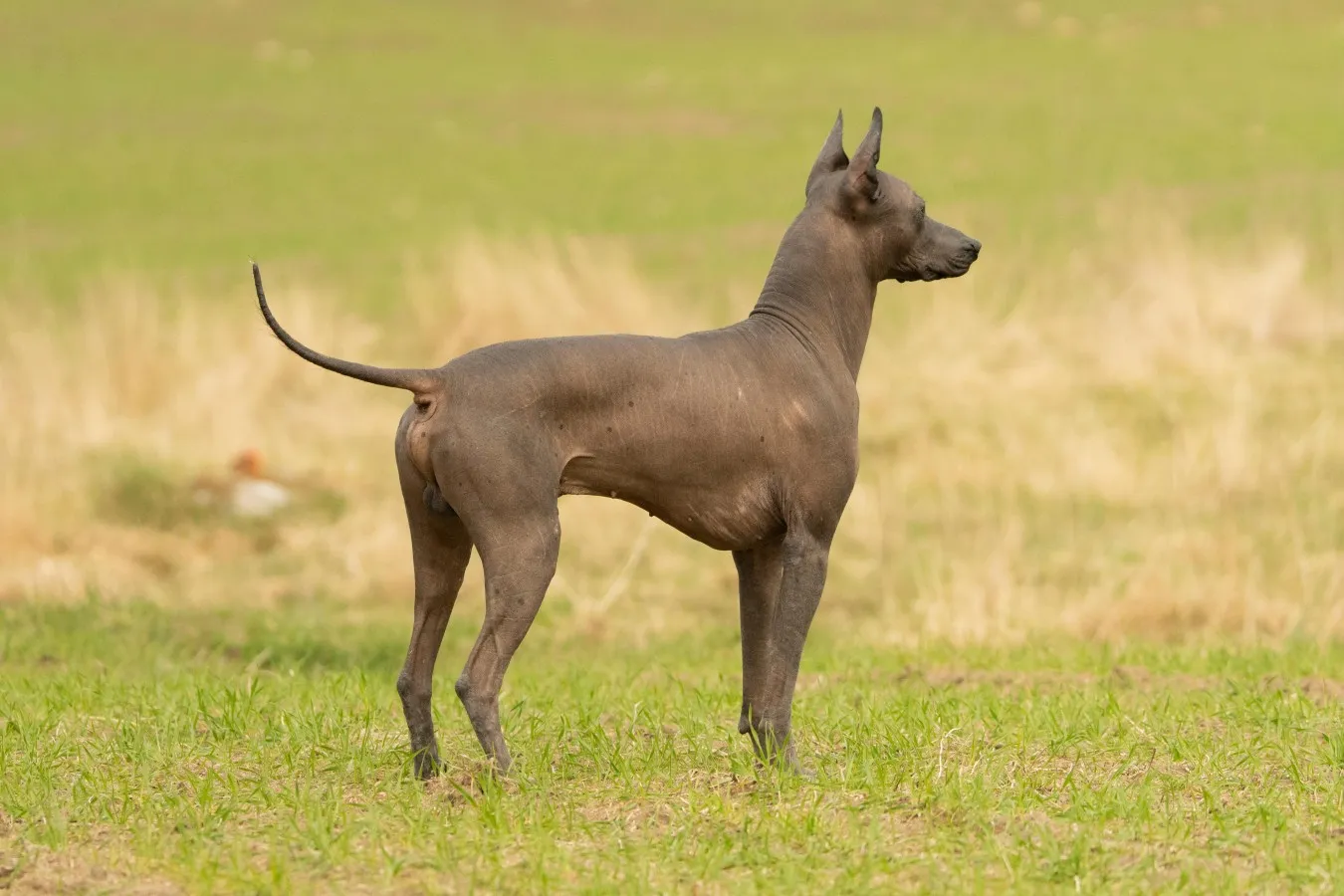
Patellar luxation, a kneecap that slips out of its groove, is the joint problem most often discussed in the smaller sizes, and hip dysplasia, an inherited looseness of the hip joint that leads to arthritis over time, is mentioned less often. The word luxation comes from the Latin luxare, "to dislocate." The breed club recommends patella, hip, cardiac, and eye evaluations for breeding dogs, which is a good sign of what a well-screened line looks like.
A limp that lasts more than a day or two deserves an orthopedic exam rather than waiting to see. A lean body weight protects the joints throughout life. The breed club also lists a cardiac exam, so ask your veterinarian to listen to the heart at routine visits. If a murmur turns up, a veterinary cardiologist's ultrasound shows what is happening in the heart and whether monitoring or treatment is needed.
Why Is Time Alone So Hard for This Breed?
Xolos are often called "Velcro dogs" for how closely they bond to their people, and they are generally reserved with strangers. That devotion is lovely day to day, but it can make solitude hard. A dog that struggles may bark or howl for long stretches, chew furniture, or have accidents indoors only when left alone. None of that reflects poor training. It is a sign that the dog is distressed.
Short, planned absences from the first weeks at home, lengthened a little at a time, prevent most problems from taking hold. Crate training introduced gently helps some dogs. For entrenched cases, a veterinary behaviorist can build a plan that combines training with, if needed, medication prescribed by a veterinarian. A dog that injures itself trying to escape a room or crate needs professional help promptly rather than more time to adjust.
- 01
Skin that worsens
Bumps that spread or ooze, or skin that looks raw or burned.
- 02
Painful chewing
Drooling, dropping food, or pawing at the mouth.
- 03
A lasting limp
Limping that continues beyond a day or two.
- 04
Injury when left alone
Scrapes, broken nails, or damage from escape attempts.
What Does Managing a Xoloitzcuintli's Health Actually Cost?
| Condition or Need | Typical Cost Range | Notes |
|---|---|---|
| Dermatology visit | $150 to $400 | More for persistent infections |
| Professional dental cleaning | $300 to $700 | More if extractions are needed |
| Hip and patella radiographs | $300 to $700 | Ideally before breeding |
| Cardiac workup | $200 to $600 | Ultrasound if a murmur is found |
| Behavior consult | $150 to $400 | Ongoing training costs vary |
These are broad estimates that vary by region and by how early a problem is caught. Pet insurance is worth pricing while your dog is young and healthy, since skin infections and joint problems can add up.
Questions to Ask a Breeder Before Buying a Puppy
Ask which variety the puppy is and whether hip, patella, cardiac, and eye results are available for the parents, since these are the evaluations the breed club recommends. Ask how the breeder raises puppies to cope with short periods alone, and what dental and skin problems have appeared in the line.
It also helps to ask about the expected adult size, since toy, miniature, and standard Xolos differ a lot in height and weight.
Daily Life With a Xoloitzcuintli
This is a calm, loyal, alert companion that tends to stay close to its people. Exercise needs are moderate, with daily walks and play, and cooler parts of the day are kinder to the skin in summer.
There is almost no brushing, but grooming a hairless Xolo means regular gentle bathing, moisturizing, and sun protection, plus a coat or sweater when it is cold. The personality profile explains the reserved watchdog streak and the intense bond with family, and early, consistent training and socialization help a sensitive dog stay confident.
Keeping Your Xoloitzcuintli Healthy for the Long Run
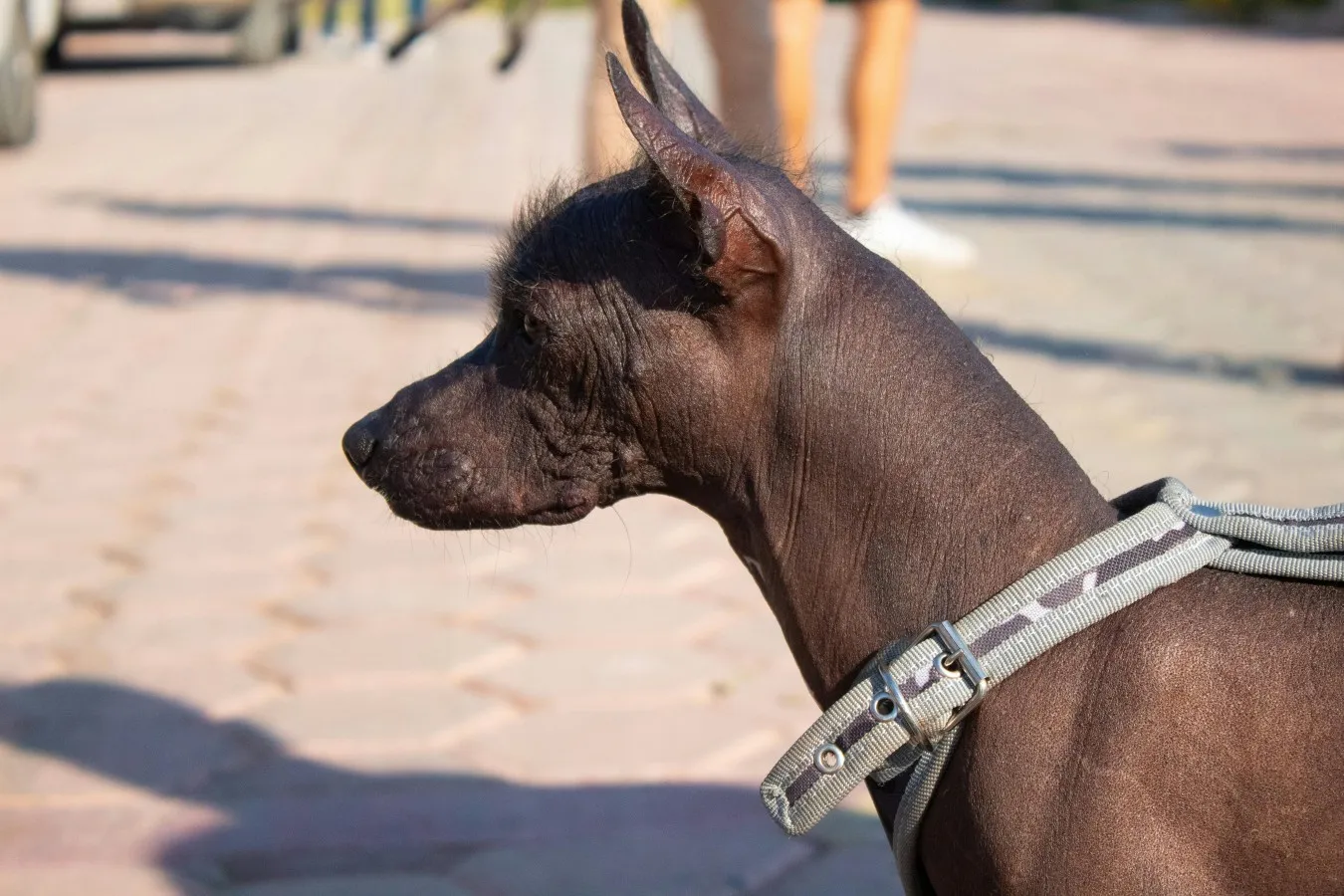
Build a skin routine from puppyhood, keep dental checks on the calendar, and schedule hip, patella, heart, and eye screening as your veterinarian advises. Start gradual alone-time practice early, before your dog is distressed by your absence. Xolos commonly live 13 to 18 years, and small, steady habits prevent most of the issues this breed is prone to from becoming serious.
Final Thoughts From a Veterinarian
Xoloitzcuintlis often live 13 to 18 years, and most needs are predictable: daily skin care, sun protection, dental checks, joint and heart screening, and gradual practice at being alone. Costs run about $100 to $150 a month. Your veterinarian can tailor the plan.
Health & Costs FAQ
How much do Xoloitzcuintli cost?
Xoloitzcuintlis typically cost $1,500 to $3,000 from a reputable breeder, though prices vary by region and bloodline. Adoption through breed-specific rescues is uncommon, so most owners work directly with a breeder familiar with both hairless and coated varieties.
Purchase cost: 5 / 10
How long do Xoloitzcuintli live?
Xoloitzcuintlis typically live 13 to 18 years. Daily skin and dental care, a lean weight, sun protection, and routine veterinary checkups help them stay comfortable and active into their senior years.
Life expectancy: 8 / 10
Are Xoloitzcuintli healthy dogs?
Xoloitzcuintlis are generally healthy and often live 13 to 18 years. Hairless dogs need daily attention to skin and dental care, and the breed club recommends hip, patella, cardiac, and eye evaluations for breeding dogs. Annual checkups help catch trouble early.
Health: 8 / 10
What health problems do Xoloitzcuintli have?
Hairless Xolos are prone to sunburn, dryness, and acne, and they often have missing teeth linked to the hairless gene. Hip dysplasia, patellar luxation, and heart conditions are screened for in the breed, and some dogs struggle when left alone. Routine screening and daily skin care handle most of this.
Health problem risk: 3 / 10
Are Xoloitzcuintli expensive to maintain?
Xoloitzcuintlis need almost no brushing, but hairless dogs need regular moisturizing, sun protection, and gentle skin cleansing, plus a coat for cold weather. Dental care is also worth budgeting for, since hairless dogs often have missing teeth. Overall upkeep is moderate.
Maintenance cost: 4 / 10
How much does it cost to own a Xoloitzcuintli per month?
Expect to spend about $100 to $150 per month to own a Xoloitzcuintli. This covers food, routine veterinary care, preventive medication, and, for hairless dogs, sunscreen and moisturizer. Costs vary by region and by the size of the dog.
Monthly ownership cost: 3 / 10
How much does pet insurance cost for a Xoloitzcuintli?
Pet insurance for a Xoloitzcuintli typically costs between $30 and $50 per month for a standard accident-and-illness plan, though quotes vary by age, location, and coverage. Check whether a policy covers skin and dental conditions before you enroll.
Pet insurance cost: 3 / 10
Will homeowners insurance cover a Xoloitzcuintli?
Most homeowners insurance policies cover Xoloitzcuintli owners without issue, since this ancient Mexican breed is never found on restricted or dangerous breed lists. Coverage terms still vary by insurer, so confirming directly is worthwhile, especially given how unfamiliar the breed may be to some agents.
Homeowners insurance difficulty: 9 / 10
Are Xoloitzcuintli on insurance restricted breed lists?
Xoloitzcuintlis are not found on insurance restricted breed lists, which typically target breeds with documented bite-claim histories like Pit Bulls or Rottweilers. This ancient, generally calm Mexican breed poses no special underwriting concerns for homeowners or renters insurance policies in most states.
Insurance restriction risk: 2 / 10
Can you get renters insurance with a Xoloitzcuintli?
Yes, you can typically get renters insurance with a Xoloitzcuintli. They are not usually on restricted breed lists due to their generally calm nature. Always disclose your pet to your insurer and check your lease agreement to ensure full liability coverage and compliance.
Renters insurance difficulty: 8 / 10