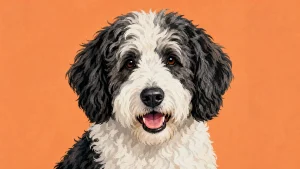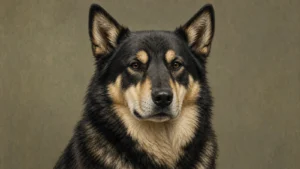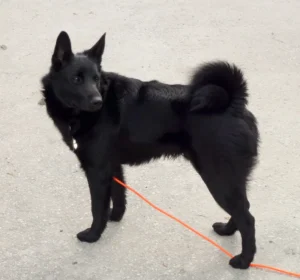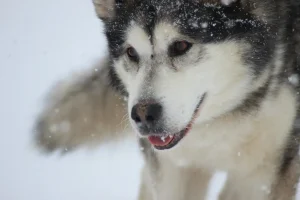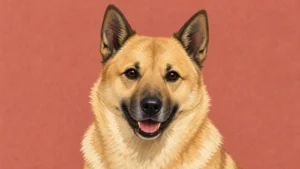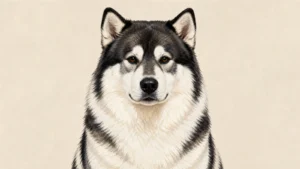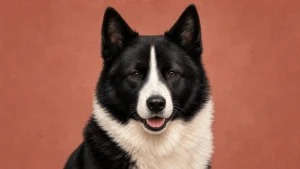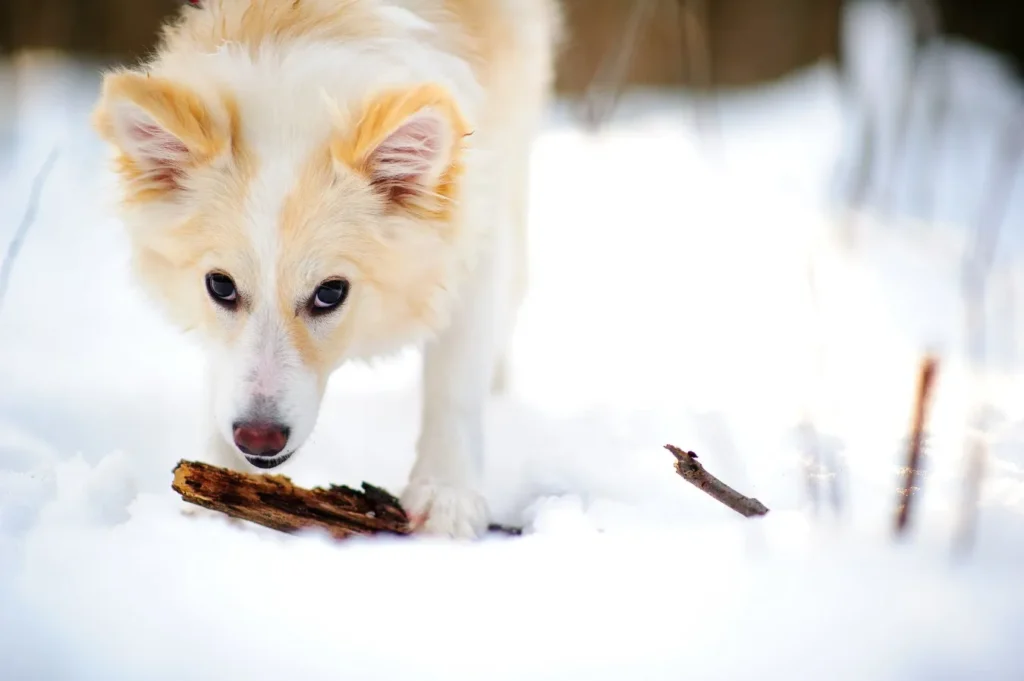
Icelandic Sheepdog Personality Profile
Breed Group
Spitz Dogs
Country of Origin
Iceland
Breed Size
Medium
AKC Recognition
Yes, recognized in 2010
FCI Recognition
Yes, recognized in 1954
Friendliness
Friendly7 / 10
Attachment
Affectionate7 / 10
Playfulness
Moderate6 / 10
Smart
Smart7 / 10
Cuddle
Affectionate7 / 10
Separation anxiety
Highly Anxious8 / 10
Personality FAQ
Are Icelandic Sheepdog smart?
Icelandic Sheepdogs are intelligent and alert herding dogs. While they are quick to learn, they can sometimes be stubborn during training, so they respond best to consistent, positive reinforcement.
Smart: 7 / 10
Do Icelandic Sheepdog like to cuddle?
These affectionate companions are devoted family members. They thrive on companionship and enjoy spending time close to their owners, showing a friendly and social nature.
Cuddle: 7 / 10
Do Icelandic Sheepdog get separation anxiety?
Icelandic Sheepdogs are highly social and thrive on companionship. They form strong bonds with their families and can experience separation anxiety if left alone for extended periods.
Separation anxiety: 8 / 10
Do Icelandic Sheepdog bark a lot?
They are naturally vocal dogs that enthusiastically bark to announce visitors or monitor their territory. They use their voice to communicate and can be quite noisy.
Barking: 9 / 10
Are Icelandic Sheepdog protective or territorial?
Icelandic Sheepdogs are naturally alert and vocal watchdogs, but they are generally not aggressive. While they will enthusiastically bark to announce visitors or monitor their territory from perceived aerial threats like birds, they are known for their friendly, social nature and usually greet strangers as new friends.
Protective tendency: 4 / 10
Vet Insights
Icelandic Sheepdogs are intelligent, friendly, and affectionate companions known for their cheerful and social nature. These vocal watchdogs enthusiastically alert owners to visitors but typically greet strangers as friends. They form deep bonds with their families, though this devotion can lead to separation anxiety. While highly trainable, their independent herding instincts require consistent, positive reinforcement.