Bedlington Terrier Health and Costs
Breed Group
Terrier Dogs
Country of Origin
United Kingdom
Breed Size
Small
AKC Recognition
Yes, recognized in 1886
FCI Recognition
Yes, recognized in 1954
Rarity
Fairly Common4 / 10
Purchase cost
Expensive7 / 10
Life expectancy
Long Lifespan8 / 10
Health
Generally healthy7 / 10
Health problem risk
Mild health concerns3 / 10
Maintenance cost
Average maintenance cost5 / 10
A Veterinarian's Guide
Bedlington Terrier Health Problems and Costs
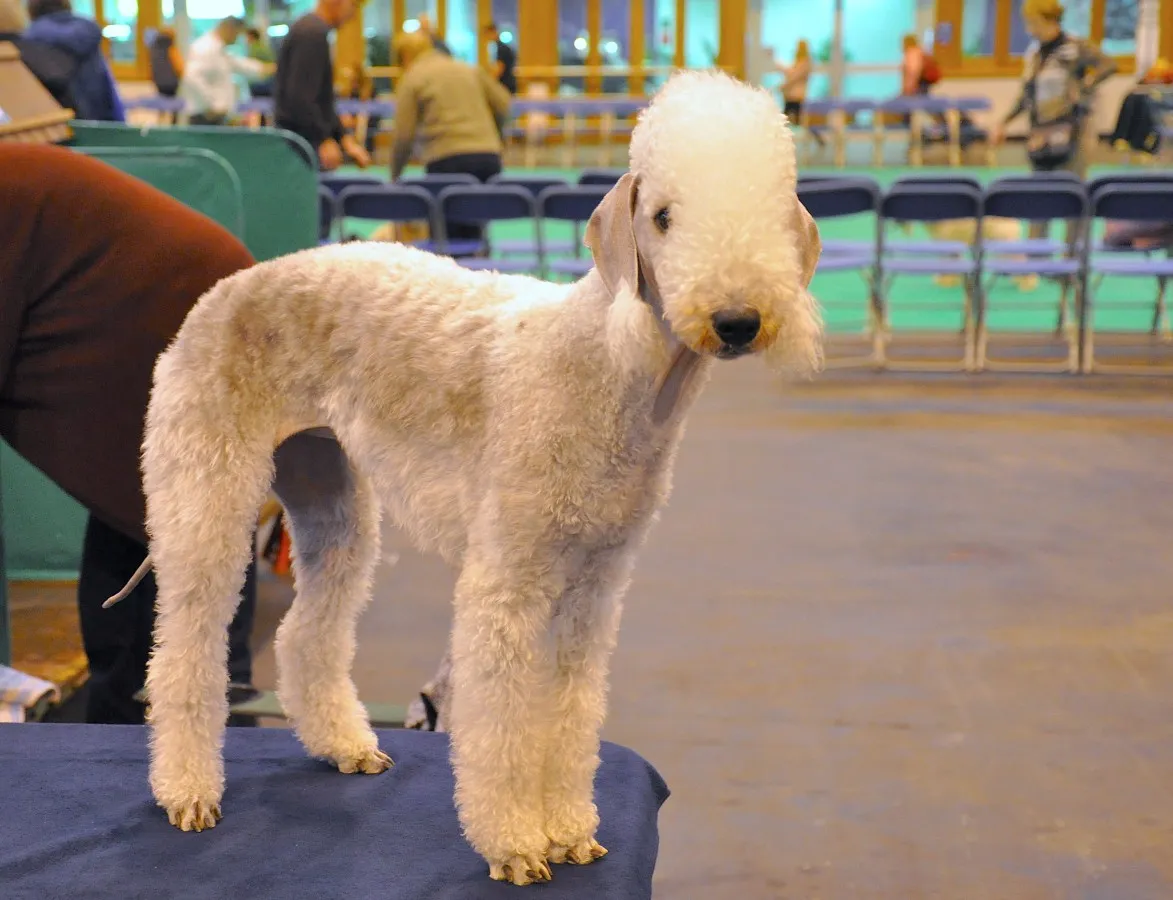
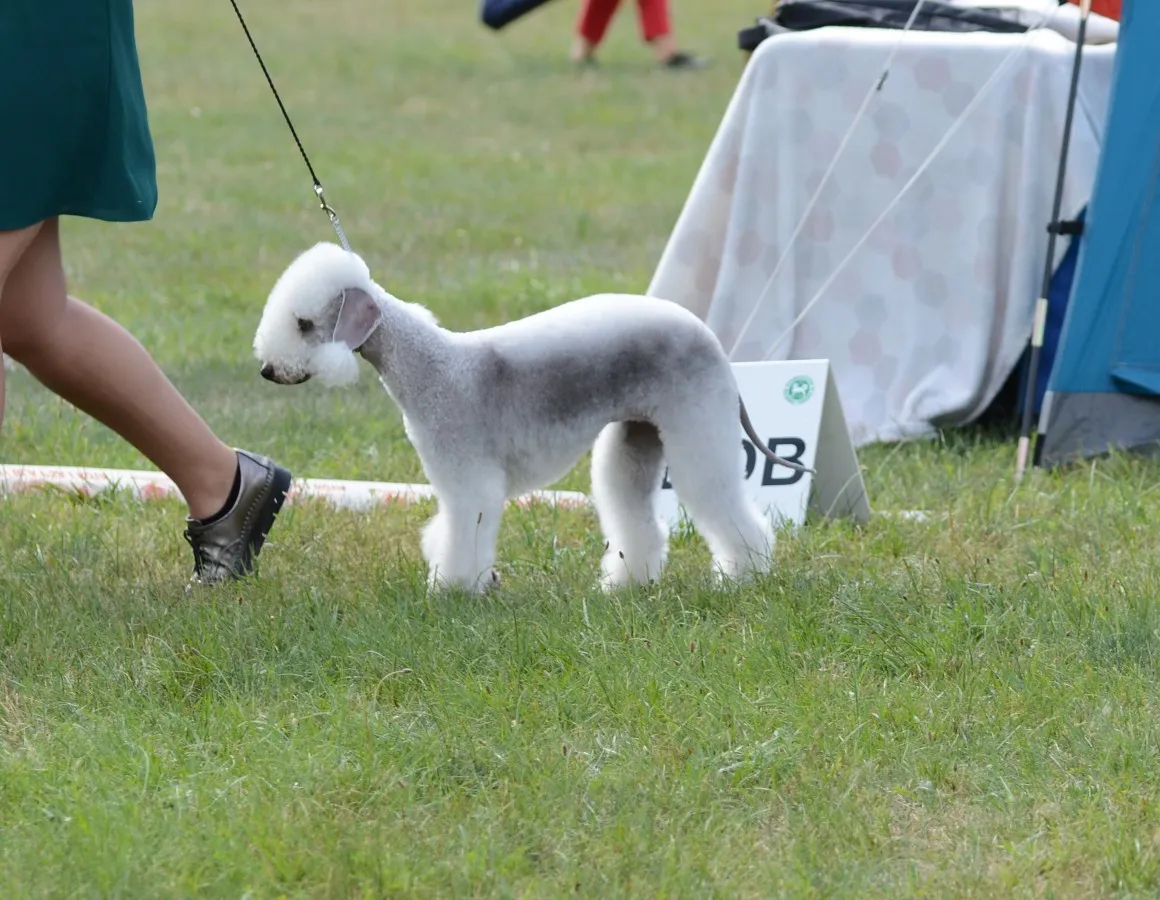
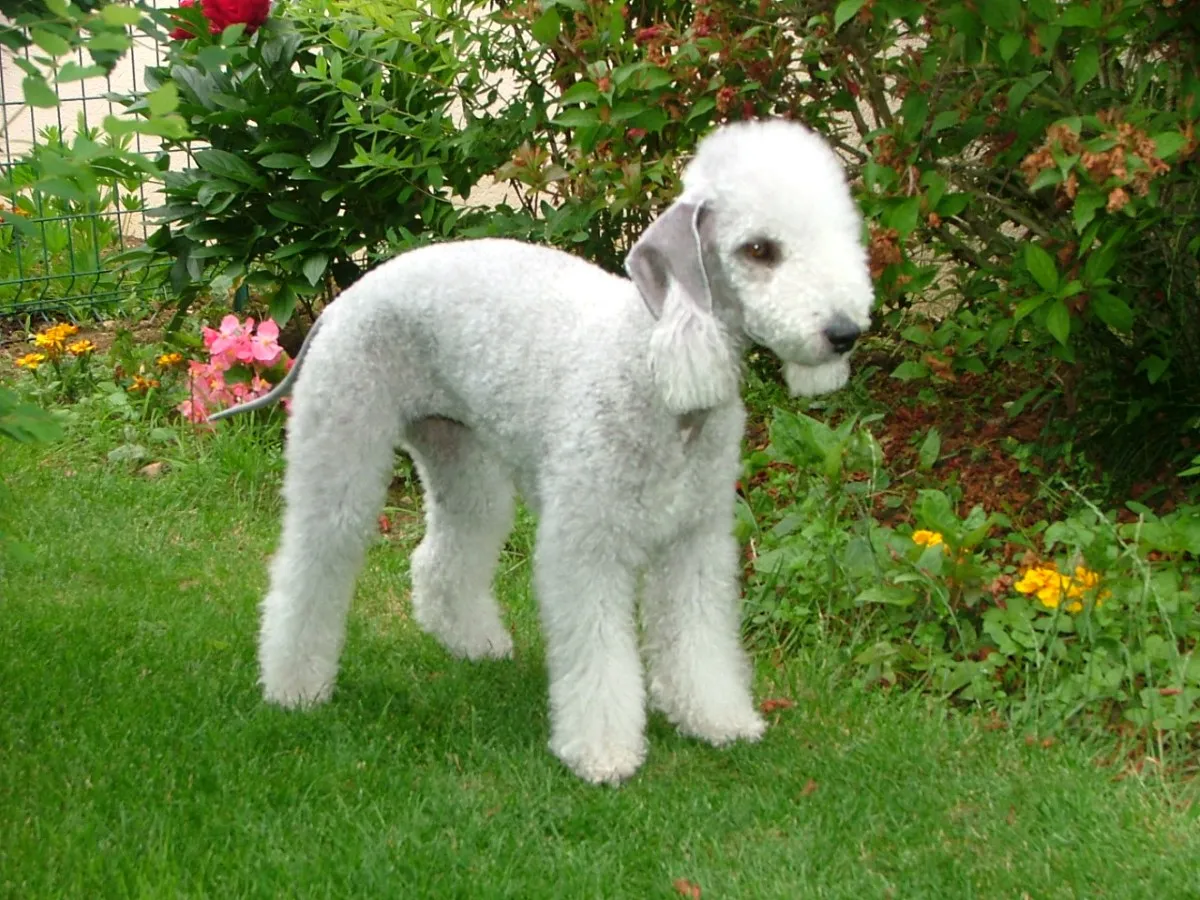
The Bedlington Terrier is a lamb-like terrier from northern England with a curly, woolly coat and a lifespan that often reaches the early teens. It is generally sturdy, but one inherited liver condition sets it apart from most other terriers, and a few eye, knee and grooming needs round out the list. Knowing them before you bring a puppy home, or while you already share your life with one, makes the screening and the vet visits much easier to plan.
In this guide
What Is Copper Toxicosis and Why Does It Matter So Much Here?
Have your Bedlington's liver values checked at every annual exam, and ask your veterinarian before giving any supplement or multivitamin that contains copper, because this breed cannot clear copper from the body normally.
Copper toxicosis is an inherited liver disease. The name combines the Latin cuprum, "copper," and toxicum, "poison." In Bedlington Terriers it is caused by a recessive gene change, which means a dog needs two affected copies to be at risk, and it reduces how well the liver gets rid of copper. Copper then builds up in liver tissue over years, causing chronic inflammation that can scar the liver, often before an owner notices anything wrong. The Merck Veterinary Manual explains the copper-associated liver disease mechanism in more depth.
A DNA test exists for the gene change, and the breed club recommends it for breeding dogs. That makes it the single most useful health question to ask a breeder.
How Is Copper Toxicosis Found and Managed?
Bloodwork that checks liver enzymes is often the first clue, sometimes well before a dog looks sick. Confirming the diagnosis is usually based on a liver biopsy, a small tissue sample that is measured for copper, which your veterinarian can arrange through a referral hospital. Management relies on a copper-restricted diet and, in some dogs, a medication called D-penicillamine that helps the body remove copper. The aim is to manage chronic liver disease rather than reverse it, so catching it early through routine bloodwork matters far more than waiting for symptoms.
Liver disease that has been building quietly can tip into a crisis. Know these warning signs before you ever need them.
- 01
Yellow gums or eyes
A yellow tint to the gums, whites of the eyes or skin.
- 02
Repeated vomiting
Vomiting that keeps returning or comes with refusing food.
- 03
Sudden lethargy
Unusual weakness, collapse, or being hard to rouse.
- 04
Swollen belly
The abdomen looks rounded or full of fluid.
What Eye Conditions Should Owners Watch For?
The breed club recommends an eye evaluation by a veterinary ophthalmologist, a specialist in animal eyes. Inherited eye problems reported in the breed include cataracts, a clouding of the lens, abnormally growing eyelashes that rub the eye, and persistent pupillary membranes, thin leftover strands of fetal tissue across the pupil. An annual eye exam starting in early adulthood catches changes before they cause trouble, and squinting, redness or a cloudy look are reasons to book a visit sooner.

Why Do Knees Need Checking?
Patellar luxation means the kneecap slips out of its groove. The word patella is Latin for "small dish." A dog may skip a step or briefly hold a back leg up, then carry on as if nothing happened. Over time it can cause pain and arthritis. Treatment ranges from medication and joint supplements to surgery, and the breed club recommends a kneecap evaluation for breeding dogs.
What Does Managing a Bedlington Terrier's Health Actually Cost?
| Condition or Need | Typical Cost Range | Notes |
|---|---|---|
| Annual liver enzyme bloodwork | $80 to $200 | Key early screening tool |
| Copper toxicosis DNA test | $60 to $150 | One time, ideally before breeding |
| Professional grooming | $60 to $120 per visit | About every six to eight weeks |
| Annual eye exam | $75 to $250 | Starting in early adulthood |
| Prescription low-copper diet | $60 to $100/month | Only if diagnosed |
Copper toxicosis is the line item that can shift a budget if a dog is affected, so it is worth pricing pet insurance while your dog is young and healthy.
Questions to Ask a Breeder Before Buying a Puppy
Ask for the parents' copper toxicosis DNA results, kneecap evaluations and eye clearances. The breed club recommends a copper toxicosis DNA test, a patella evaluation and an eye evaluation for breeding dogs, so ask to see the paperwork. A breeder who shares results without hesitation is usually running a program built around long-term health.
It also helps to ask how puppies are socialized, since Bedlingtons can be reserved with strangers if they are not exposed to new people early.
Daily Life With a Bedlington Terrier
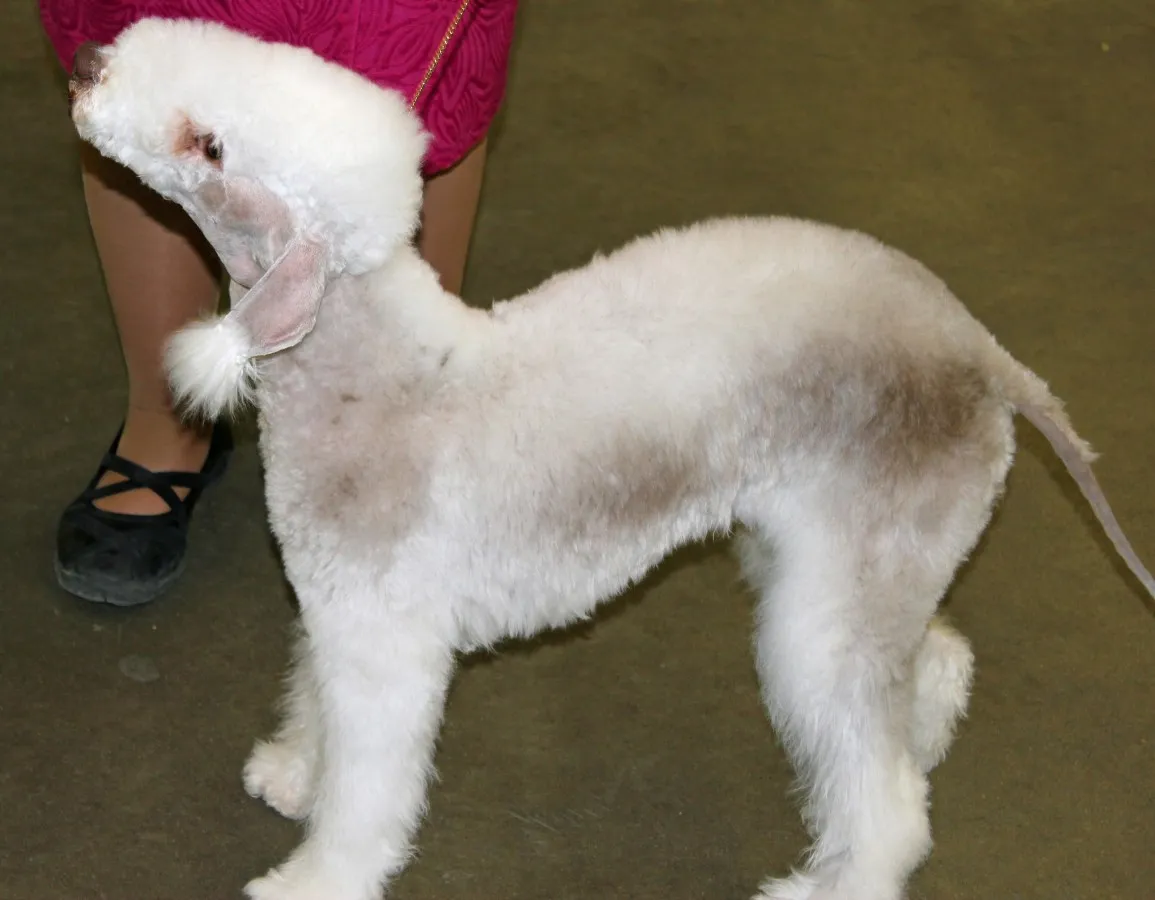
The curly, non-shedding coat is not low-maintenance. It needs brushing several times a week and a professional trim roughly every two months to prevent mats, and the grooming page explains the routine in detail. Skipping it for months lets skin problems hide under a matted coat.
Beneath the gentle look is a moderately active terrier with a strong prey drive. Bedlingtons are loyal and affectionate with family, as the personality profile explains, and they are intelligent and respond well to positive-reinforcement training. Plan on daily walks and play, a secure fence or leash, and supervision around small animals.
Keeping Your Bedlington Terrier Healthy for the Long Run
Check liver values at every annual exam, schedule an eye exam, and ask your veterinarian to check the kneecaps at routine visits. Keep up with grooming, and learn the liver warning signs before you need them.
Final Thoughts From a Veterinarian
Bedlington Terriers usually live 11 to 16 years and cost about $250 to $300 a month. Ask for a copper toxicosis DNA test, check liver values at every annual exam, and treat yellow gums or repeated vomiting as an emergency. Your veterinarian can tailor the plan.
Health & Costs FAQ
How much do Bedlington Terrier cost?
The cost of a Bedlington Terrier typically ranges from $1,500 to $5,000 from a reputable breeder, while adoption fees are approximately $200 to $500. Owners should also budget for essential initial supplies and professional grooming, which is necessary every six to eight weeks for their unique coat.
Purchase cost: 7 / 10
How long do Bedlington Terrier live?
Bedlington Terriers typically enjoy a long lifespan of 11 to 16 years. As sturdy and active companions, their longevity is supported by a healthy diet and regular exercise. Providing consistent veterinary care and monitoring for breed-specific conditions like copper toxicosis will help ensure your Bedlington lives a full, happy life.
Life expectancy: 8 / 10
Are Bedlington Terrier healthy dogs?
Bedlington Terriers are generally healthy and often live 11 to 16 years, but they carry one serious inherited risk, copper toxicosis, which damages the liver. Cataracts and other eye problems, and patellar luxation, also occur. Choosing a breeder who performs DNA, eye and kneecap screening, and checking liver values at annual exams, make a big difference.
Health: 7 / 10
What health problems do Bedlington Terrier have?
Bedlington Terriers are predisposed to copper toxicosis, an inherited liver condition. They can also develop eye problems such as cataracts, abnormally growing eyelashes and persistent pupillary membranes, and patellar luxation, where the kneecap slips. DNA testing, eye exams and annual liver bloodwork catch most problems early.
Health problem risk: 3 / 10
Are Bedlington Terrier expensive to maintain?
Bedlington Terriers have average to somewhat above average maintenance costs, mainly because the coat needs brushing several times a week and a professional trim roughly every two months. Owners should also budget for annual liver bloodwork and eye exams, since copper toxicosis is the breed's main health concern.
Maintenance cost: 5 / 10
How much does it cost to own a Bedlington Terrier per month?
Expect to spend about $250 to $300 monthly for a Bedlington Terrier. This covers quality food, routine veterinary care, preventative medications and professional grooming. Annual liver bloodwork and eye exams add to the total.
Monthly ownership cost: 5 / 10
How much does pet insurance cost for a Bedlington Terrier?
Pet insurance for a Bedlington Terrier typically costs about $35 to $70 per month. Because copper toxicosis and eye problems can be costly, a policy is worth pricing while your dog is young and healthy, before any condition counts as pre-existing.
Pet insurance cost: 4 / 10
Will homeowners insurance cover a Bedlington Terrier?
Yes, most homeowners insurance policies cover Bedlington Terriers, as they are not typically found on restricted breed lists. While they are a distinct breed, they are generally considered low-risk. However, always disclose your pet to your insurer to ensure your liability coverage remains valid and active.
Homeowners insurance difficulty: 9 / 10
Are Bedlington Terrier on insurance restricted breed lists?
No, Bedlington Terriers are not typically found on insurance restricted-breed lists. Insurers generally view them as low-risk companions due to their medium size and non-aggressive reputation. Most homeowners and renters policies cover them without issue, though you should always disclose your pet to your insurance provider.
Insurance restriction risk: 2 / 10
Can you get renters insurance with a Bedlington Terrier?
Yes, you can typically get renters insurance with a Bedlington Terrier. They are rarely included on restricted breed lists due to their medium size and non-aggressive reputation. Most policies provide liability coverage for them, but always confirm specific details with your insurer and review your lease agreement.
Renters insurance difficulty: 8 / 10