Plott Hound Health and Costs
Breed Group
Hound Dogs
Country of Origin
United States
Breed Size
Large
AKC Recognition
Yes, recognized in 2006
FCI Recognition
Yes, recognized in 1954
Rarity
Fairly Common4 / 10
Purchase cost
Affordable2 / 10
Life expectancy
Long Lifespan8 / 10
Health
Generally healthy7 / 10
Health problem risk
Mild health concerns3 / 10
Maintenance cost
Low maintenance cost2 / 10
A Veterinarian's Guide
Plott Hound Health Problems and Costs
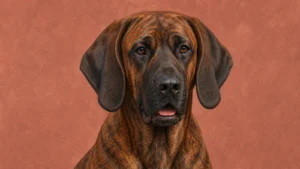
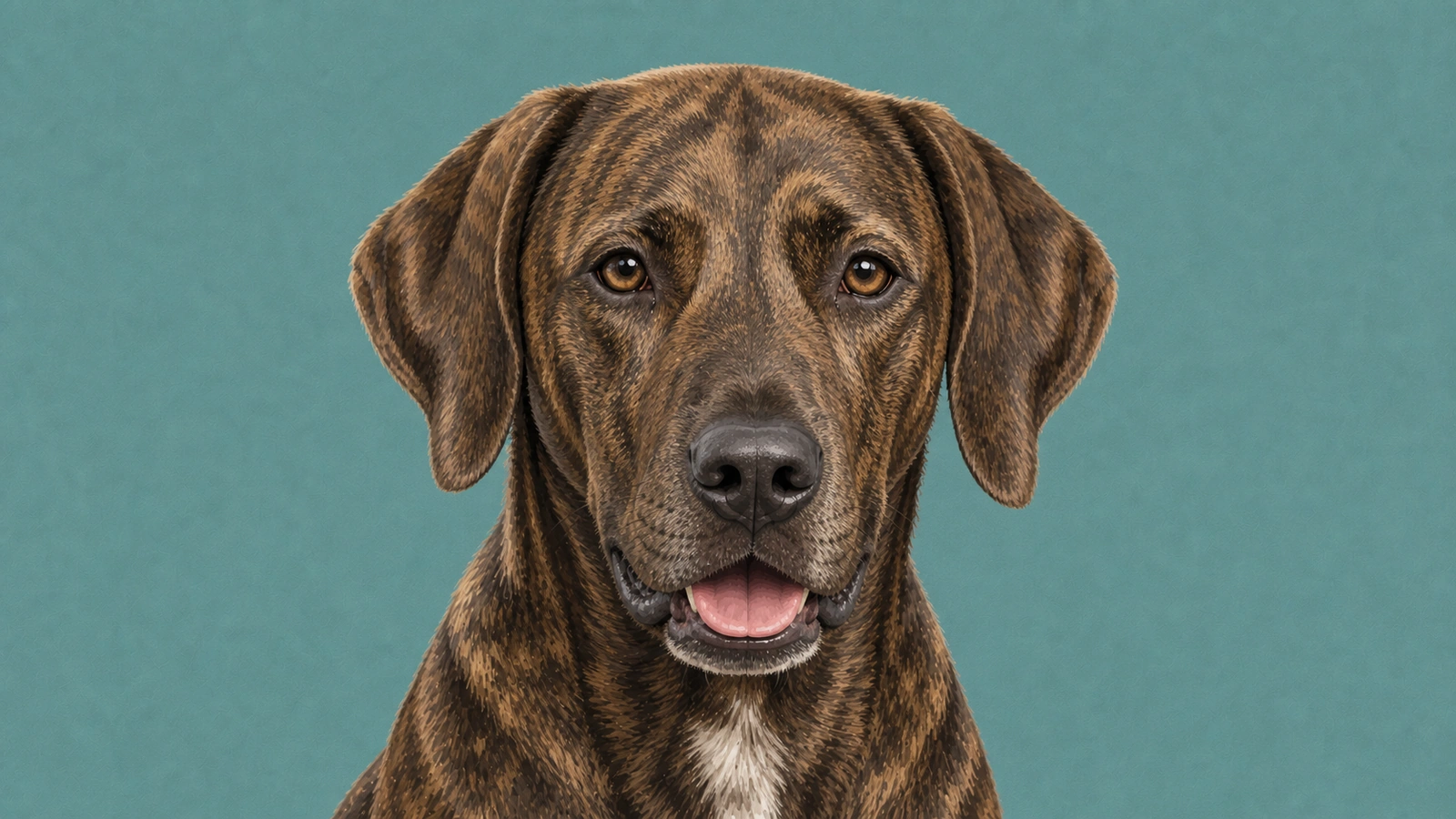
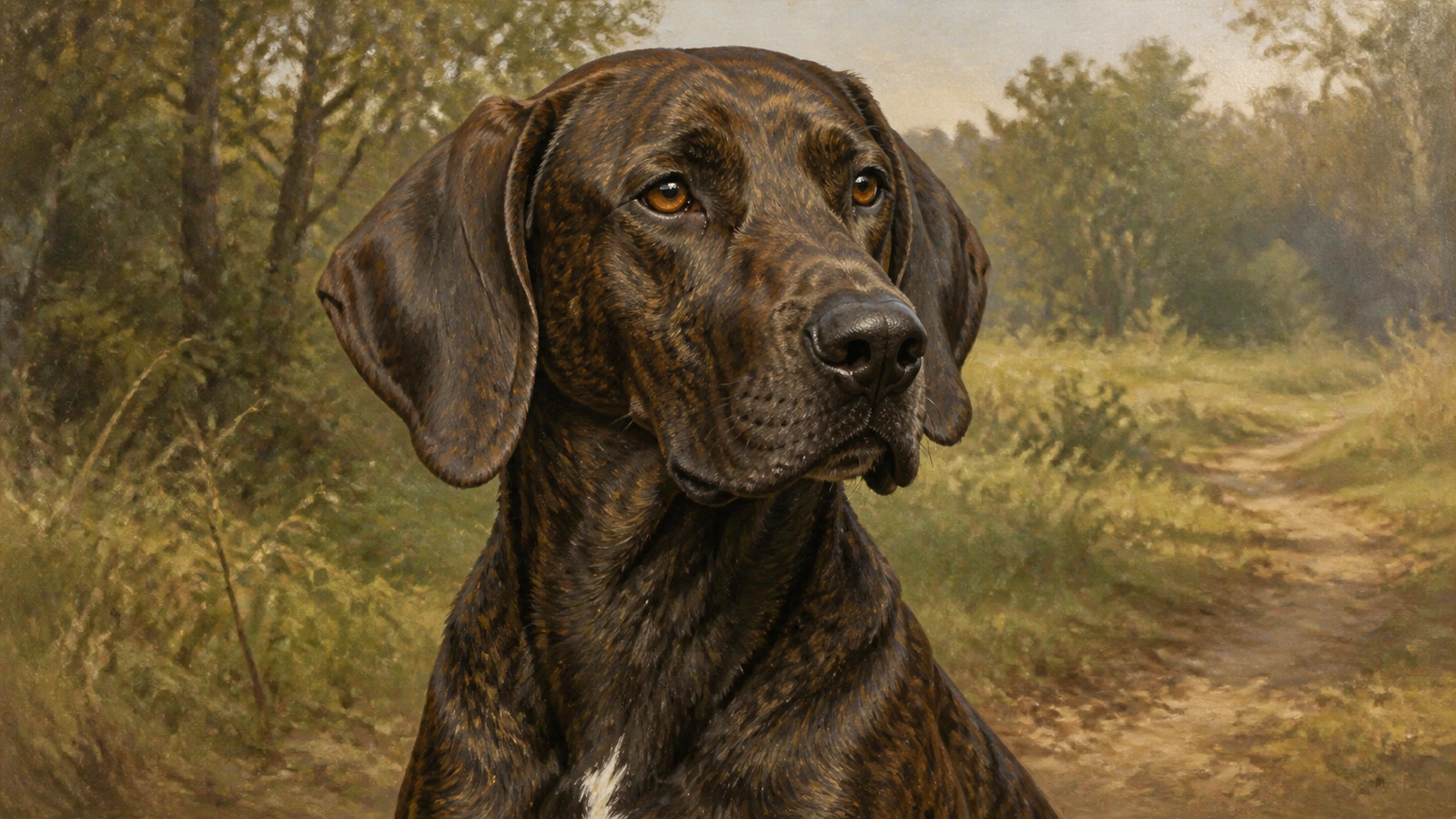
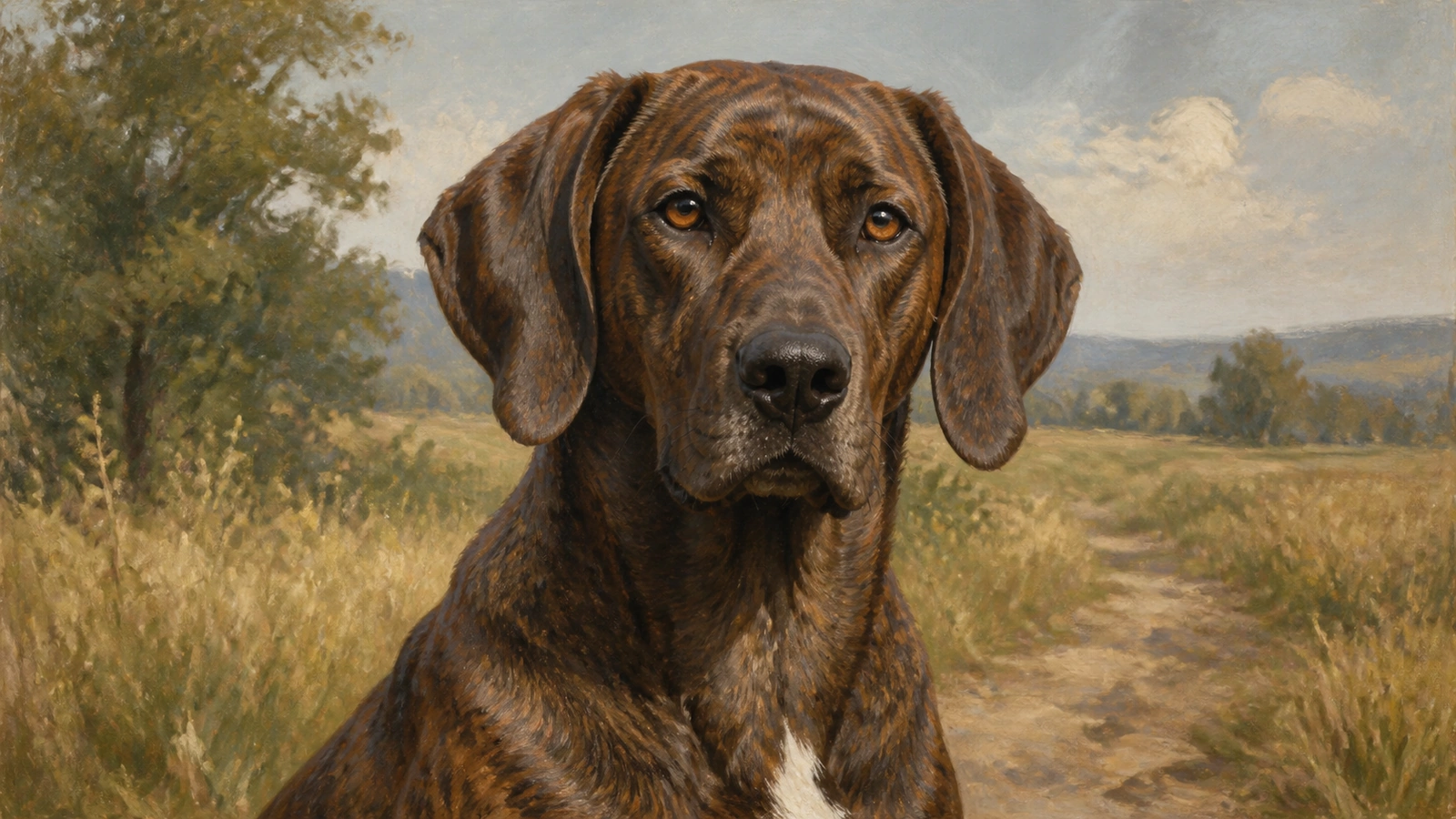
The Plott Hound is a rugged scenthound, bred in the mountains of North Carolina to trail bear and boar over rough ground for hours. It is generally a robust breed, but a few issues deserve attention: a rare inherited disorder called MPS I, hip and elbow dysplasia, ear infections from those long floppy ears, and bloat in a deep chest. Knowing them before you bring a puppy home, or while you already share your life with one, makes the screening and the vet visits much easier to plan.
In this guide
What Rare Inherited Condition Should Breeding Dogs Be Tested For?
Before buying a Plott Hound puppy, ask whether both parents have a result for the MPS I DNA test, and never assume it has been done.
Mucopolysaccharidosis type I, or MPS I, is an inherited metabolic disorder first recognized in a family of Plott Hounds in 1982. The name comes from the Greek poly, "many," and saccharide, "sugar." Affected dogs lack an enzyme that breaks down long sugar chains, so these molecules build up in the body's cells. Reported signs include slowed growth, joint problems, progressive lameness, and clouding of the cornea, the clear front surface of the eye, which can impair vision.
The condition is autosomal recessive, which means a puppy is affected only when it inherits the faulty gene from both parents. A carrier looks completely normal, so a DNA test is the only way to know. Pairing two carriers can produce affected puppies, which is why testing breeding dogs is the most effective protection.
Why Do Hips and Elbows Matter in a Working Hound?
Hip dysplasia and elbow dysplasia are malformations of the joint that can lead to arthritis over time. They are listed among the conditions this breed can be susceptible to. A driven hound can push through real discomfort because working is so rewarding to them, so subtle changes such as limping, an unusual gait, or swelling are worth mentioning to your veterinarian early. Our guide on why a dog may be limping explains what to look for.
A lean body weight protects joints that may already carry some structural risk. Plott Hounds are active and often food-motivated, so a hands-on rib check at routine visits catches weight creep earlier than the scale alone.
Why Do Floppy Ears Need Extra Attention in This Breed?
Long, hanging ears trap moisture and warmth, which encourages bacteria and yeast to grow in the ear canal. An ear infection is among the most common issues in the breed, and a dog that spends its days working through brush and water has plenty of chances to pick up debris. Regular cleaning, especially after swimming or a day in the field, helps prevent trouble.
Persistent head shaking, scratching at an ear, redness, or a foul smell calls for a veterinary visit rather than a home remedy, since the right treatment depends on what is growing in the canal. Infections that are caught early are generally simpler to clear.

Why Does a Deep Chest Call for Bloat Awareness?
Bloat, medically gastric dilatation-volvulus, happens when the stomach fills with gas and twists on itself, cutting off its own blood supply. Large, deep-chested dogs are at higher risk, there is no home treatment, and surgery is the only way to correct a twisted stomach. The Plott Hound has a deep chest, so it is worth learning these warning signs before you ever need them.
- 01
Swollen belly
The abdomen looks tight, rounded, or distended.
- 02
Unproductive retching
Straining to vomit with little or nothing coming up.
- 03
Restlessness and drooling
Pacing, drooling, or being unable to settle.
- 04
Sudden collapse
The dog becomes weak or collapses.
Feeding smaller, more frequent meals and skipping vigorous exercise right around mealtimes are commonly advised, though no precaution removes the risk entirely. Some owners choose a preventive gastropexy. The word comes from the Greek gaster, "stomach," and pexis, "fixing in place." The surgery tacks the stomach to the abdominal wall, often at the same time as a spay or neuter. It does not stop gas from building up, but it does stop the stomach from twisting, which is the part that can be fatal.
What Does Managing a Plott Hound's Health Actually Cost?
| Condition or Need | Typical Cost Range | Notes |
|---|---|---|
| Hip radiographs (certified) | $250 to $450 | Before breeding, ideally |
| MPS I DNA test | $65 to $150 | One-time, before breeding |
| Ear infection treatment | $100 to $300 per episode | More with a specialist workup |
| Emergency bloat surgery | $3,000 to $7,500 | Life-threatening, surgical |
Questions to Ask a Breeder Before Buying a Puppy
Ask for MPS I DNA results and hip evaluations for both parents. The AKC hound group health-testing page lists no recommended tests for the Plott Hound, so a breeder who tests voluntarily is going beyond that list, and a breeder unfamiliar with the MPS I test may not know to look for it.
It also helps to ask how the breeder talks to new puppy owners about bloat, including whether preventive gastropexy comes up, and how the line's ears have behaved.
Daily Life With a Plott Hound
This is the official state dog of North Carolina, a working scenthound with real stamina and drive. Owners should expect a dog that needs plenty of daily exercise and mental work, such as scent games, and does best with a securely fenced yard. Without an outlet, a bored hound often turns to digging, escaping, or barking.
The short coat keeps grooming simple, with weekly brushing usually enough. The deep, steady bay is part of the package, as the personality profile explains, and early socialization and consistent training help channel that drive, which makes the breed a poor fit for a noise-sensitive household.

Keeping Your Plott Hound Healthy for the Long Run
Confirm MPS I testing and hip evaluations in any breeding dog, check the ears weekly, and keep a lean weight. Learn bloat's warning signs before you ever need them. Pet insurance is worth pricing while your dog is young and healthy, given the cost of an emergency bloat surgery.
Final Thoughts From a Veterinarian
Plott Hounds usually live 12 to 14 years and are generally robust. Ask breeders about MPS I testing, check ears weekly, keep a lean weight, and treat a swollen belly as an emergency. Your veterinarian can tailor the plan.
Health & Costs FAQ
How much do Plott Hound cost?
The cost of a Plott Hound typically ranges from $300 to $700 when purchased from a reputable breeder. Adoption is a more affordable alternative, generally costing between $50 and $300. Owners should also budget for initial supplies and ongoing monthly expenses to ensure this active hunting breed remains healthy.
Purchase cost: 2 / 10
How long do Plott Hound live?
Plott Hounds typically enjoy a long and healthy lifespan of 12 to 14 years. As a sturdy, athletic breed, they thrive with regular vigorous exercise and a high-quality diet. Maintaining a healthy weight and scheduling routine veterinary check-ups are essential to ensuring your companion’s long-term well-being.
Life expectancy: 8 / 10
Are Plott Hound healthy dogs?
Plott Hounds are generally hardy, athletic dogs and often live 12 to 14 years, but they are not problem-free. They can be susceptible to hip and elbow dysplasia and ear infections, and the deep chest raises bloat concern. A rare inherited disorder called MPS I exists in the breed, so ask breeders about DNA testing. Routine checkups and a lean weight help maintain long-term health.
Health: 7 / 10
What health problems do Plott Hound have?
Plott Hounds can be susceptible to hip and elbow dysplasia, which can affect mobility, and their floppy ears are prone to infections, so regular checks and cleaning help. The deep chest raises bloat concern, which is a surgical emergency. MPS I, a rare inherited disorder, is also described in the breed, and DNA testing of breeding dogs is the best protection.
Health problem risk: 3 / 10
Are Plott Hound expensive to maintain?
Plott Hounds are affordable to maintain, as their short coats need only weekly brushing. Costs come mainly from quality food for an active dog, routine veterinary care, and ear care. Setting money aside for hip evaluation, ear infections, and a possible emergency bloat surgery is wise because those are the larger bills this breed can face.
Maintenance cost: 2 / 10
How much does it cost to own a Plott Hound per month?
Expect to spend between $250 and $300 per month to own a Plott Hound. This budget covers quality food, routine veterinary care, and preventative medications. As active hunting dogs, they may need durable gear and plenty of food to maintain their athletic lifestyle.
Monthly ownership cost: 5 / 10
How much does pet insurance cost for a Plott Hound?
Pet insurance for a Plott Hound typically costs between $30 and $55 per month. Premiums are often affordable because the breed is generally healthy. A policy is still worth pricing while your dog is young, since bloat surgery and hip or ear problems can add up to thousands of dollars.
Pet insurance cost: 3 / 10
Will homeowners insurance cover a Plott Hound?
Yes, most homeowners insurance policies cover Plott Hounds, as they are not typically found on restricted breed lists. Always disclose your dog to your insurer to ensure your liability protection remains valid, and check your own policy for its terms.
Homeowners insurance difficulty: 9 / 10
Are Plott Hound on insurance restricted breed lists?
No, Plott Hounds are not typically found on insurance restricted-breed lists. Most insurers view them as low-risk hunting dogs rather than aggressive breeds. Still, always disclose your dog to your provider so that full liability coverage remains in place.
Insurance restriction risk: 2 / 10
Can you get renters insurance with a Plott Hound?
Yes, you can typically get renters insurance with a Plott Hound, since the breed is rarely on restricted lists. Always disclose your dog to your insurer and confirm the policy and your landlord's pet rules to ensure full liability protection.
Renters insurance difficulty: 8 / 10