Belgian Sheepdog Health and Costs
Breed Group
Herding Dogs
Country of Origin
Belgium
Breed Size
Large
AKC Recognition
Yes, recognized in 1912
FCI Recognition
Yes, recognized in 1956
Rarity
Uncommon4 / 10
Purchase cost
Moderate5 / 10
Life expectancy
Long Lifespan7 / 10
Health
Moderate health concerns4 / 10
Health problem risk
Moderate health concerns4 / 10
Maintenance cost
Moderate upkeep cost4 / 10
A Veterinarian's Guide
Belgian Sheepdog Health Problems and Costs
The Belgian Sheepdog was developed as a versatile herding and working dog, and the high drive and dense double coat show it. Its health holds up well for a working breed, but a handful of issues repeat: hip and elbow dysplasia, epilepsy, inherited eye disease, bloat in a deep chest, and a sensitivity to anesthesia. Knowing them before you bring a puppy home, or while you already share your life with one, makes screening and vet visits much easier to plan.
In this guide
Why Do Vets Screen Belgian Sheepdogs for Hip and Elbow Dysplasia?
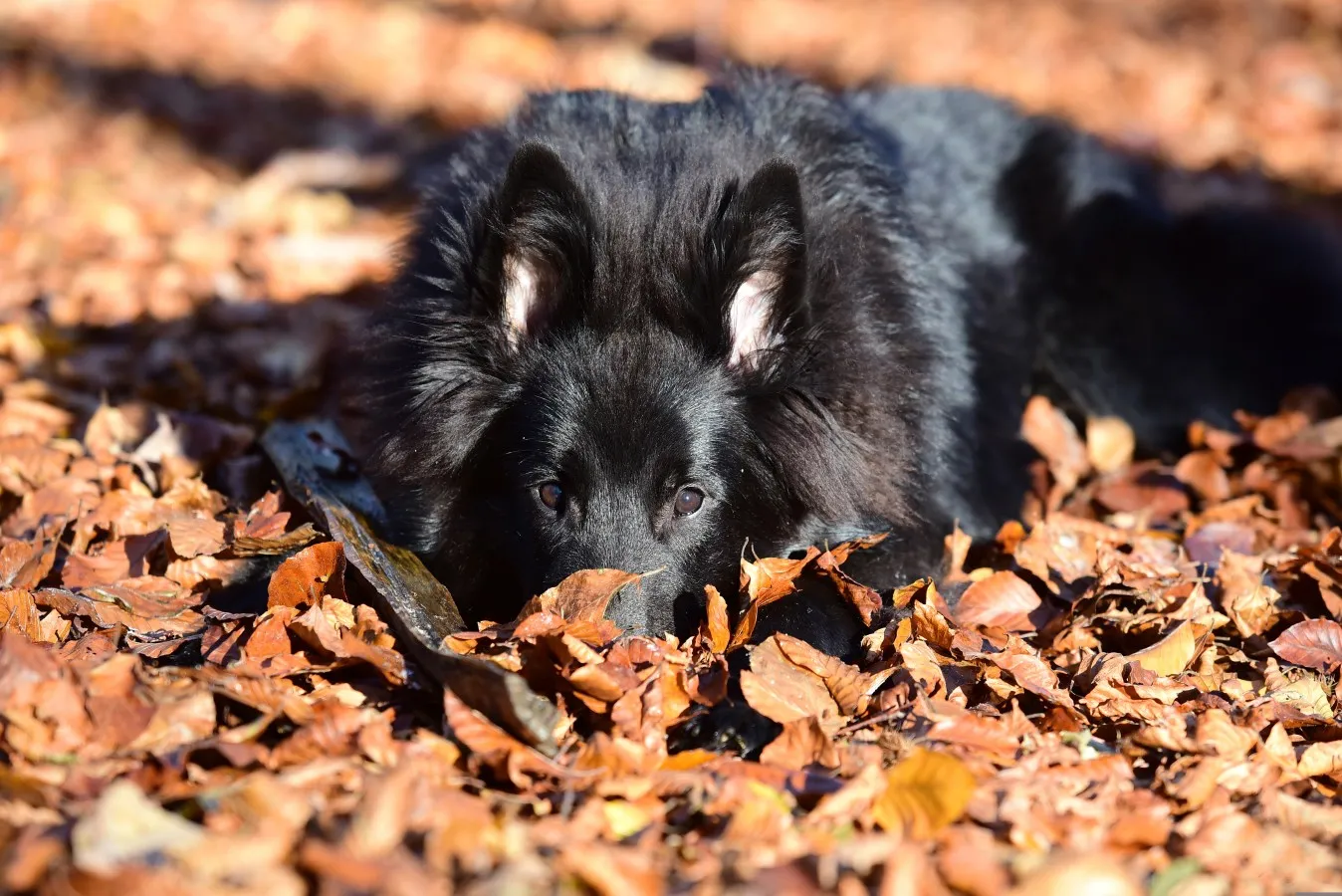
Dysplasia comes from the Greek dys, "faulty," and plassein, "to form." In hip and elbow dysplasia, the joint surfaces do not form and fit together properly during growth, which leads to abnormal wear and eventual arthritis. The breed club recommends hip and elbow evaluations for breeding dogs, and screening x-rays around one to two years of age catch the problem well before an owner would notice stiffness at home.
Keeping a Belgian Sheepdog lean through puppyhood is one of the most protective steps an owner can take. Mild dysplasia often does well with weight management and controlled exercise that builds muscle without pounding the joint. Severe cases may need surgery, and an orthopedic specialist can say whether your dog's imaging points that way.
Why Is Epilepsy a Concern in This Breed?
A seizure lasting longer than five minutes, or repeated seizures without full recovery in between, needs emergency veterinary care, because prolonged seizures can cause dangerous overheating and brain injury.
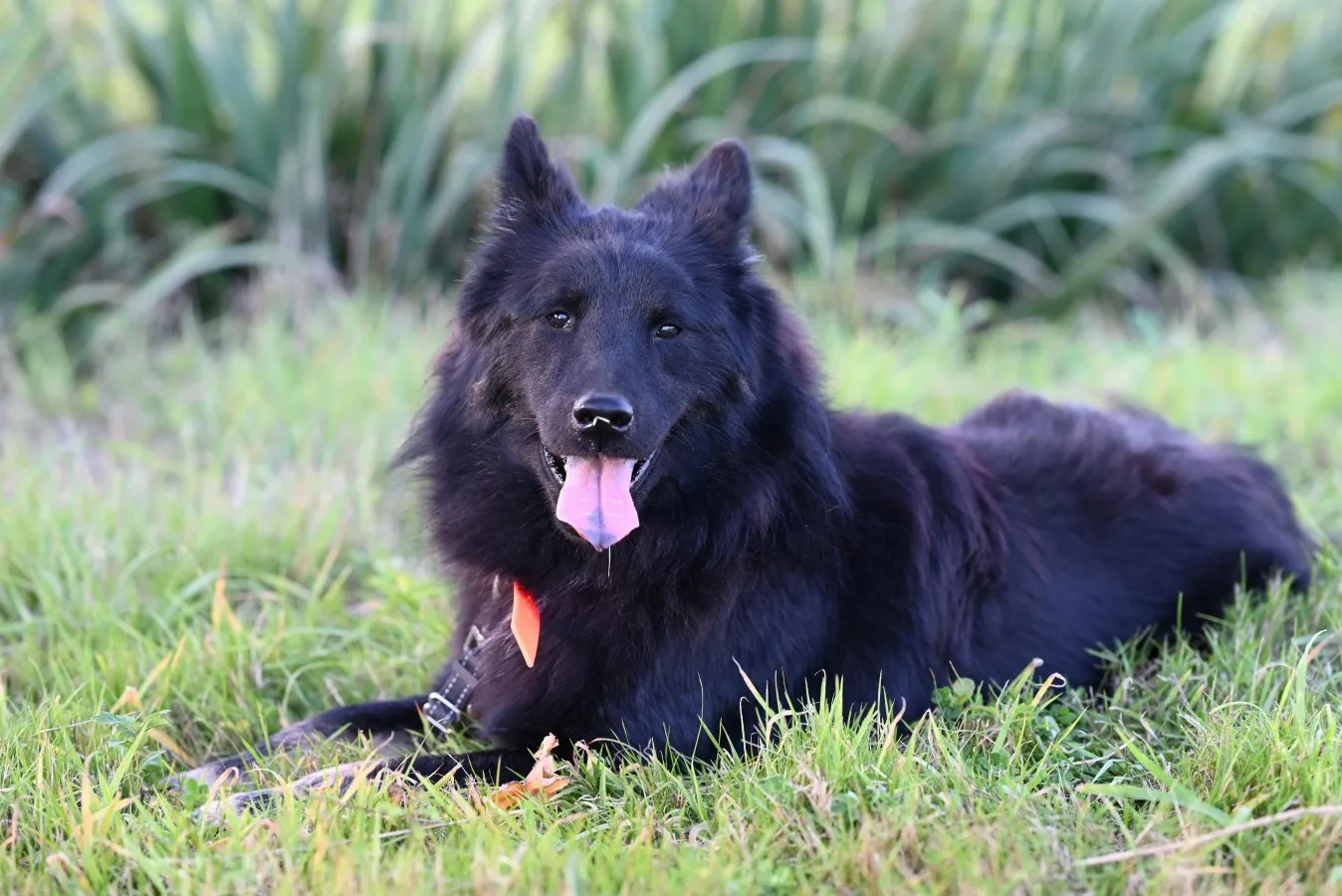
Epilepsy, a tendency toward recurring seizures with no other underlying cause, is a notable concern in Belgian Sheepdogs, and signs can start in young dogs, sometimes as early as six months. The word comes from the Greek epilepsia, "a seizing." A single brief seizure is frightening to watch, but most resolve within a minute or two. Call your veterinarian the same day to talk through what happened.
Before settling on epilepsy, a veterinarian rules out other causes of seizures, such as liver disease, low blood sugar, toxins, or a brain lesion, using bloodwork and sometimes advanced imaging. Many dogs are then managed with daily anticonvulsant medication, a drug that prevents seizures. A written log of the date, length, and look of each seizure helps your veterinarian judge whether the plan is working.
What Eye Conditions Should Owners Watch For?
Progressive retinal atrophy, or PRA, is an inherited breakdown of the retina's light-sensing cells that can lead to blindness over time. Atrophy comes from the Greek for "without nourishment." Cataracts, a clouding of the lens, are also reported in the breed. Neither is painful early on, which is why an annual exam by a veterinary ophthalmologist, as the breed club's ophthalmologist evaluation recommends for breeding dogs, matters more than waiting for obvious signs.
Dogs that lose vision gradually usually adapt well in a home where the furniture stays put. Cataract surgery exists for dogs whose vision is badly affected, and many mild cataracts are simply monitored.
Bloat Is an Emergency in Deep-Chested Dogs
Bloat, medically gastric dilatation-volvulus, happens when the stomach fills with gas and twists on itself, cutting off its own blood supply. Large, deep-chested dogs like the Belgian Sheepdog are at higher risk, there is no home treatment, and surgery is the only way to correct a twisted stomach. Dogs who reach surgery quickly generally do better, so learn these warning signs before you ever need them.
- 01
Swollen belly
The abdomen looks tight, rounded, or distended.
- 02
Unproductive retching
Straining to vomit with little or nothing coming up.
- 03
Restlessness and drooling
Pacing, drooling, or being unable to settle.
- 04
Sudden collapse
The dog becomes weak or collapses.
Feeding smaller, more frequent meals and skipping vigorous exercise around mealtimes both help, though no precaution removes the risk entirely. Some owners choose a preventive gastropexy. The word comes from the Greek gaster, "stomach," and pexis, "fixing in place." The surgery tacks the stomach to the abdominal wall, often at the same time as a spay or neuter, and it stops the stomach from twisting even if gas still builds up.
Does This Breed Have Anesthesia Considerations?
Belgian Sheepdogs are described as especially sensitive to anesthesia, partly because of their low ratio of body fat to body weight, so a standard protocol may lead to a longer or rougher recovery. Tell the clinic about your dog's breed and build before any procedure, and ask about a plan suited to lean, athletic dogs. Mention any seizure history too, since some anesthetic drugs can affect dogs that are prone to seizures.
What Does Managing a Belgian Sheepdog's Health Actually Cost?
| Condition or Need | Typical Cost Range | Notes |
|---|---|---|
| Hip and elbow radiographs | $300 to $700 | Ideally by age two |
| Epilepsy workup and medication | $200 to $500 to start | Ongoing, often lifelong medication |
| Annual eye exam | $150 to $300 | By a veterinary ophthalmologist |
| Cataract surgery | $2,500 to $4,000 per eye | Optional, case dependent |
| Emergency bloat surgery | $3,000 to $7,000 | Life-threatening, surgical |
These are broad estimates that vary by region and by how early a problem is caught. Pet insurance is worth pricing while your dog is young and healthy, since an emergency like bloat or a seizure disorder is hard to plan for.
Questions to Ask a Breeder Before Buying a Puppy
Ask for the parents' hip, elbow, and eye results, since these are the evaluations the breed club recommends. Ask whether seizures have appeared in the line and how old the affected relatives were, and whether any relatives have had bloat.
It also helps to ask about the line's energy level and temperament, since this is a sensitive, high-drive dog that needs a lot of work and companionship.
Daily Life With a Belgian Sheepdog
This is an intelligent, loyal, eager-to-please herding dog that can be strong-willed and sensitive at once, and that craves company. It needs vigorous daily exercise, up to nearly two hours for some dogs, along with mental work. A bored or lonely Belgian can turn destructive or develop separation anxiety, and the herding instinct may lead it to chase cyclists, joggers, or cars, so a leash and a secure fence matter.
The double coat needs weekly brushing most of the year and daily brushing during the heavy shed once or twice a year, as the grooming profile explains. The personality profile describes the protective, wary-of-strangers side, and early socialization and positive-reinforcement training suit this sensitive breed best.
Keeping Your Belgian Sheepdog Healthy for the Long Run
Screen the joints and eyes, keep your dog lean, and learn the signs of bloat and of a prolonged seizure before you ever need them. Tell every clinic about the breed's anesthesia sensitivity. Belgian Sheepdogs typically live about 12 to 14 years, and most of the conditions in this guide are manageable with early, proactive care.
Final Thoughts From a Veterinarian
Belgian Sheepdogs often live 12 to 14 years and cost about $100 to $160 a month. Screen hips, elbows, and eyes, know the signs of bloat and prolonged seizures, and flag their anesthesia sensitivity at every clinic. Your veterinarian can tailor the plan.
Health & Costs FAQ
How much do Belgian Sheepdog cost?
The cost of a Belgian Sheepdog generally ranges from $800 to $2,000 when purchased from a reputable breeder. Adoption is a more affordable alternative, typically costing between $50 and $500. Owners should also budget for initial expenses like vaccinations, supplies, and potential training for this athletic breed.
Purchase cost: 5 / 10
How long do Belgian Sheepdog live?
Belgian Sheepdogs typically have a lifespan of 12 to 14 years. Providing a high-quality diet, regular exercise, and routine veterinary care will help ensure your Belgian Sheepdog lives a full, healthy, and happy life as an intelligent and devoted companion.
Life expectancy: 7 / 10
Are Belgian Sheepdog healthy dogs?
Belgian Sheepdogs are generally healthy for a working breed and typically live 12 to 14 years, but they are prone to hip and elbow dysplasia, epilepsy, and inherited eye disease. Bloat is a risk in deep-chested dogs, and the breed is sensitive to anesthesia. Regular screening helps catch most problems early.
Health: 4 / 10
What health problems do Belgian Sheepdog have?
Belgian Sheepdogs can develop hip and elbow dysplasia, epilepsy, progressive retinal atrophy, and cataracts. Bloat is an emergency risk for this deep-chested breed, and they are sensitive to anesthesia, so tell your veterinarian before any sedation. Screening and awareness of seizure and bloat signs matter most.
Health problem risk: 4 / 10
Are Belgian Sheepdog expensive to maintain?
Belgian Sheepdogs have moderate maintenance costs. Beyond quality food and routine veterinary care, the double coat needs weekly brushing and daily brushing during heavy sheds, and an active dog needs plenty of exercise gear. Setting money aside for joint and eye screening and for possible emergencies like bloat is wise.
Maintenance cost: 4 / 10
How much does it cost to own a Belgian Sheepdog per month?
Expect to spend about $100 to $160 per month to own a Belgian Sheepdog. This covers high-quality food, routine veterinary care, preventive medication, and grooming supplies. Costs vary with pet insurance, training, and professional grooming.
Monthly ownership cost: 5 / 10
How much does pet insurance cost for a Belgian Sheepdog?
Pet insurance for a Belgian Sheepdog typically costs between $40 and $65 per month. Premiums vary based on the dog's age, your location, and chosen coverage limits. Securing a policy early is recommended to manage potential costs related to hereditary conditions or unexpected injuries.
Pet insurance cost: 4 / 10
Will homeowners insurance cover a Belgian Sheepdog?
Yes, most homeowners insurance policies cover Belgian Sheepdogs, since the breed is not typically on restricted breed lists. Because they are protective working dogs, always confirm your policy and liability limits with your insurance provider.
Homeowners insurance difficulty: 9 / 10
Are Belgian Sheepdog on insurance restricted breed lists?
No, Belgian Sheepdogs are not typically found on insurance restricted-breed lists. While these lists often target breeds with perceived liability risks, this breed is generally viewed as a standard dog. However, always disclose your pet to your insurer to ensure your liability coverage remains valid and active.
Insurance restriction risk: 2 / 10
Can you get renters insurance with a Belgian Sheepdog?
Yes, you can typically obtain renters insurance with a Belgian Sheepdog. They are rarely found on restricted breed lists compared to other working dogs. Because they are a large breed, ensure your liability coverage is adequate and always check that your landlord permits the breed under your lease.
Renters insurance difficulty: 8 / 10