Miniature Pinscher Health and Costs
Breed Group
Toy Dogs
Country of Origin
Germany
Breed Size
Small
AKC Recognition
Yes, recognized in 1925
FCI Recognition
Yes, recognized in 1955
Rarity
Very Common2 / 10
Purchase cost
Moderate5 / 10
Life expectancy
Long Lifespan8 / 10
Health
Generally healthy7 / 10
Health problem risk
Mild health concerns3 / 10
Maintenance cost
Low maintenance cost2 / 10
A Veterinarian's Guide
Miniature Pinscher Health Problems and Costs
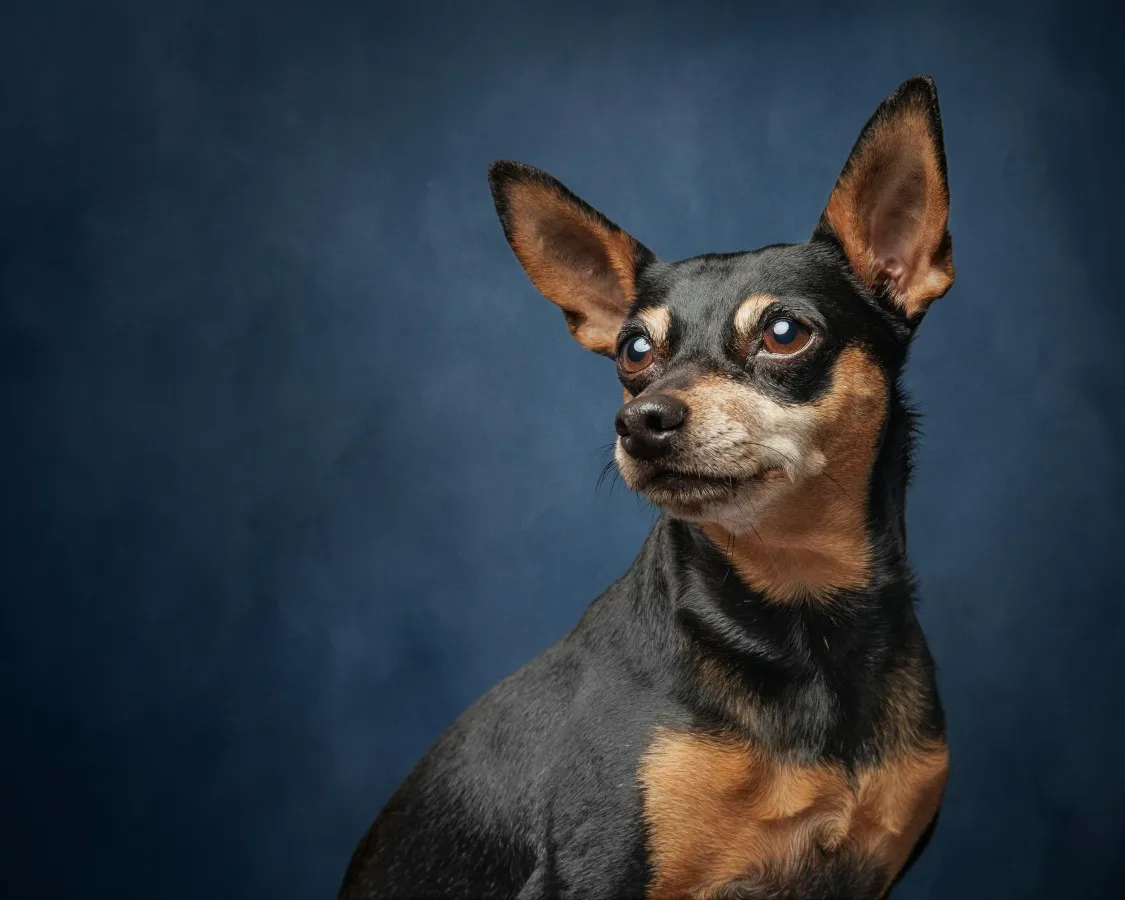
The Miniature Pinscher carries itself like a much bigger dog, and that fearless, high-stepping confidence is part of the breed's charm. It is a fairly healthy, long-lived toy breed, but the same short list of problems comes up again and again: kneecaps, the hip joint, the eyes, seizures, the thyroid, and teeth. Knowing them early makes screening and vet visits easier to plan.
In this guide
Which Knee and Hip Problems Do Miniature Pinschers Get?
If your Miniature Pinscher puppy or young dog starts holding up a back leg, hopping, limping or protecting a hip, tell your veterinarian that patellar luxation and Legg-Calvé-Perthes disease are known breed concerns. Both are far easier to manage when caught early.
Patellar luxation means the kneecap slips out of its groove. The word patella is Latin for "small dish," describing the kneecap's shape. PetMD calls it one of the most common health problems in the breed, and the classic sign is a sudden hop or "bunny hop" on a back leg before the dog runs normally again. Mild cases may only need monitoring, but the breed club lists it as a major concern and the AKC lists a patella evaluation as the recommended test, so mention even occasional skipping at a wellness visit.
Legg-Calvé-Perthes disease is a hip condition in which blood flow to the top of the thigh bone stops and the bone breaks down inside the hip joint. It causes lameness and hip pain, usually in young dogs, and surgery is the usual treatment. The breed club also names a cervical (neck) disc problem among its major concerns, so a Miniature Pinscher that suddenly cries out or will not move its neck needs to be seen.
What Eye Conditions Should I Watch For?
Cataracts, a clouding of the eye's lens, are described as an inheritable eye condition in the breed, and they can also develop with age or diabetes. Progressive retinal atrophy, or PRA, is a group of inherited diseases that gradually damage the retina and can cause blindness. Retina comes from the Latin rete, "net," and atrophy from the Greek for "without nourishment." PRA usually starts with poor vision in dim light. Neither condition is painful, and most dogs adapt well to vision loss in a familiar home, but yearly eye exams catch changes early. See your veterinarian promptly for eye discharge or a cloudy or red eye.
What Other Conditions Are Common in This Breed?
PetMD notes that the breed is more susceptible to epilepsy, a seizure disorder, and the breed club lists epilepsy, thyroid disease and heart defects among its concerns. Hypothyroidism, or low thyroid hormone activity, can cause weight gain, low energy and coat changes, and it is managed with daily thyroid hormone replacement. A heart listen at each yearly exam is a simple way to catch murmurs early.
- 01
A seizure that will not stop
A seizure that goes on for minutes or keeps repeating.
- 02
Labored breathing
Fast, effortful breathing at rest, or a new cough with weakness.
- 03
Collapse
Sudden weakness or collapse.
- 04
Sudden back or neck pain
Crying out, a stiff neck, or dragging the back legs.
Teeth deserve special mention in a toy breed. WebMD advises a regular teeth cleaning routine with dog-specific toothpaste, and your veterinarian can tell you whether professional cleanings are needed. Weight matters too, since extra pounds add stress to knees, hips and heart.

What Does Managing a Miniature Pinscher's Health Actually Cost?
| Condition or Need | Typical Cost Range | Notes |
|---|---|---|
| Routine wellness care | $200 to $400/year | Exam, vaccines, parasite control |
| Patellar luxation surgery | $1,500 to $3,000 per knee | Only for more severe cases |
| Legg-Calvé-Perthes surgery | $1,500 to $2,500 | Usually in young dogs |
Figures vary by region and clinic, so ask your veterinarian for an estimate. Lifelong conditions such as epilepsy or low thyroid add ongoing medication costs, so pet insurance is worth pricing while your dog is young and healthy, before any condition counts as pre-existing.
Questions to Ask a Breeder Before Buying a Puppy
Ask for the parents' patella evaluation results, which is the test the AKC lists for the breed in its toy group health testing requirements. The national breed club's health page also points breeders toward OFA and eye registry screening. Ask whether any relatives have had Legg-Calvé-Perthes disease, seizures or eye problems. A breeder who volunteers that history is usually well informed about the breed.
Daily Life With a Miniature Pinscher
This is an athletic, spirited dog that wants regular exercise and plenty to think about, and short walks plus indoor and backyard play are usually enough. The confident temperament leads to jumping and rough play, so discourage repeated leaps off furniture to protect those knees and hips. The short, smooth coat keeps grooming simple, with a weekly brushing generally enough, as PetMD and WebMD both note. The personality profile explains the bold, alert side of the breed, and consistent, early training keeps that confidence pointed in a good direction.
Keeping Your Miniature Pinscher Healthy for the Long Run
Keep your dog lean, schedule a patella check, a heart listen and an eye check at yearly exams, and brush the teeth regularly. Report hopping, limping, seizures or any change in vision promptly. Miniature Pinschers usually live 12 to 16 years, so steady preventive care pays off for a long time.
Final Thoughts From a Veterinarian
Miniature Pinschers usually live 12 to 16 years. Check knees and hips, keep weight and teeth in good shape, and take seizures, breathing trouble and sudden pain seriously. Most stay bold and active for years. Your veterinarian can tailor the plan.
Health & Costs FAQ
How much do Miniature Pinscher cost?
Purchasing a Miniature Pinscher from a reputable breeder typically costs between $1,000 and $2,000, though championship lineages can reach $6,000. Adoption fees generally range from $50 to $500. Expect to spend an additional $500 to $1,000 on initial supplies, vaccinations, and veterinary checkups to start your journey.
Purchase cost: 5 / 10
How long do Miniature Pinscher live?
Miniature Pinschers usually live 12 to 16 years. Keeping your dog lean, checking the knees and hips, and staying up to date on eye exams, heart checks and dental care help them stay active into their senior years.
Life expectancy: 8 / 10
Are Miniature Pinscher healthy dogs?
Miniature Pinschers are fairly healthy, active dogs that often live 12 to 16 years, but a few conditions repeat in the breed. These include patellar luxation, Legg-Calvé-Perthes disease, cataracts and progressive retinal atrophy, and epilepsy. Regular veterinary checkups and a healthy weight help catch problems early.
Health: 7 / 10
What health problems do Miniature Pinscher have?
Miniature Pinschers can develop patellar luxation and Legg-Calvé-Perthes disease, which affect mobility, along with cataracts, progressive retinal atrophy and epilepsy. The breed club also lists thyroid disease, heart defects and a cervical disc problem among its concerns. A patella evaluation, yearly eye exams and regular checkups catch several of these early.
Health problem risk: 3 / 10
Are Miniature Pinscher expensive to maintain?
Miniature Pinschers are inexpensive to keep. Their size keeps food costs low, and the short, smooth coat needs only weekly brushing. Owners should still budget for routine veterinary care, regular dental care, and screening such as a patella check and eye exams.
Maintenance cost: 2 / 10
How much does it cost to own a Miniature Pinscher per month?
Expect to spend between $95 and $175 per month to own a Miniature Pinscher. This budget covers high-quality food, treats, toys, and routine veterinary care. While their small size keeps feeding costs lower, setting aside funds for potential breed-specific health issues is highly recommended.
Monthly ownership cost: 2 / 10
How much does pet insurance cost for a Miniature Pinscher?
Pet insurance for a Miniature Pinscher commonly costs $42 to $96 per month, though quotes vary by region, age and coverage. A policy is worth pricing while your dog is young and healthy, since knee, hip and eye problems can cost thousands of dollars.
Pet insurance cost: 5 / 10
Will homeowners insurance cover a Miniature Pinscher?
Yes, most homeowners insurance policies will cover a Miniature Pinscher. The breed is not typically found on restricted breed lists, but you should always disclose your dog to your provider to ensure full liability coverage.
Homeowners insurance difficulty: 9 / 10
Are Miniature Pinscher on insurance restricted breed lists?
No, Miniature Pinschers are not typically included on insurance restricted-breed lists, which generally target breeds seen as higher liability risks. Always disclose your dog to your provider so your coverage stays valid.
Insurance restriction risk: 2 / 10
Can you get renters insurance with a Miniature Pinscher?
Yes, you can typically get renters insurance with a Miniature Pinscher, since the breed is rarely found on restricted lists. Always disclose your dog to your insurer and check your lease terms.
Renters insurance difficulty: 8 / 10