Bedlington Terrier Training Profile
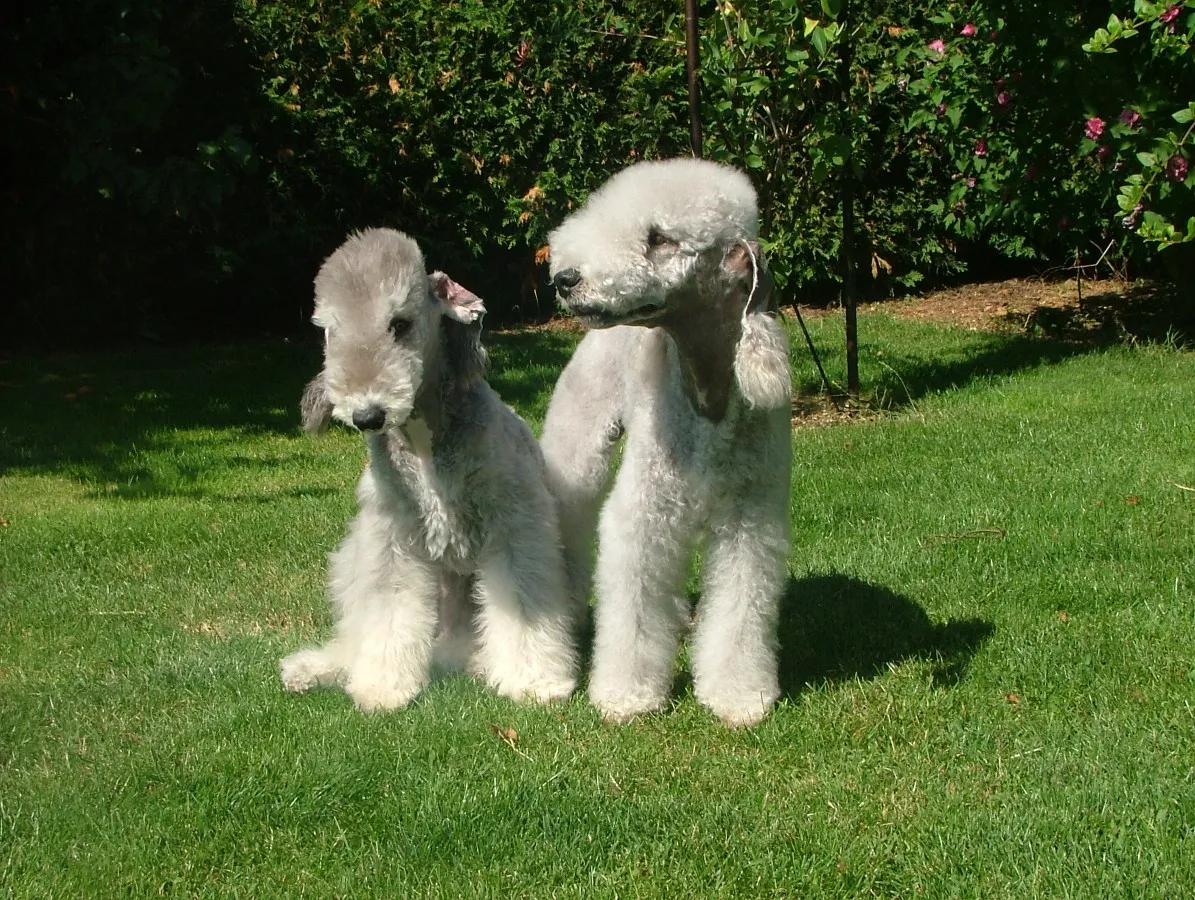
Bedlington Terriers are intelligent and loyal, yet they possess a signature terrier stubbornness that makes training challenging. They respond best to consistent, positive reinforcement and varied, fun sessions to prevent boredom. While affectionate with family, early socialization and firm routines are essential for managing their independent nature and high exercise needs.
TRAINABILITY
Stubborn
3 out of 10
MENTAL STIMULATION NEEDS
High Needs
8 out of 10
LOVE FOR GRUB
Picky Eater
3 out of 10
TRAINING FAQ
Are Bedlington Terriers easy to train?
Independent
4 out of 10
Bedlington Terriers are intelligent and generally responsive to training, but they often possess a stubborn independent streak typical of terriers. While they learn basic commands quickly through positive reinforcement, their tenacity and high prey drive can lead to selective hearing or a refusal to cooperate if they find a task uninteresting. Consistent, patient leadership and making training sessions fun and varied are essential to manage their occasional headstrong nature and ensure they remain engaged and well-behaved.
Are Bedlington Terriers stubborn?
Stubborn
3 out of 10
Bedlington Terriers are highly intelligent but possess a classic terrier stubbornness and an independent streak. They often prefer to follow their own agenda or chase scents rather than follow commands, especially if they find training repetitive or unrewarding. To succeed, owners must use consistent positive reinforcement, keep sessions fun and light, and use high-value rewards to maintain their interest and overcome their potential for selective hearing.
How to train a Bedlington Terrier puppy?
Average
6 out of 10
Train Bedlington Terrier puppies using positive reinforcement like treats and praise in short, fun sessions to prevent boredom. Focus on early socialization and basic obedience to manage their independent terrier streak. Because they are sensitive, use gentle methods and avoid harsh corrections, which can cause them to withdraw. Keep their minds active with varied challenges, interactive puzzles, and consistent routines from a young age.
How difficult is to potty train a Bedlington Terrier puppy?
Challenging
3 out of 10
Potty training a Bedlington Terrier typically takes 4 to 6 months. While they are intelligent and agreeable, their terrier tenacity requires a consistent schedule. Use positive reinforcement and crate training to guide them, as patience is key to overcoming their occasional independent streak during housebreaking.
How many walks does a Bedlington Terrier need?
Above Average
7 out of 10
Bedlington Terriers typically require 60 minutes of daily exercise, which is best split into two or three brisk walks. They are energetic and athletic dogs that thrive on a combination of physical activity and mental stimulation, such as playtime or scent games. Consistent daily routines are essential to keep this breed satisfied and prevent boredom-related behaviors.
What is the best daily routine for a Bedlington Terrier?
High Needs
8 out of 10
A Bedlington Terrier’s daily routine should focus on balancing their high energy with mental engagement and structured care. Provide 60 to 90 minutes of daily exercise, split into two brisk 30-45 minute walks or sessions of aerobic play like fetch and agility. Feed adults twice daily with high-quality food, monitoring portions to prevent obesity, and provide fresh water consistently. Essential daily care includes 10-15 minute training sessions using positive reinforcement to manage their stubborn streak, daily tooth brushing, and a weekly coat brushing to prevent mats. Ensure they have a secure indoor space for cuddling and rest, as they thrive on human companionship.
VET INSIGHTS
Bedlington Terriers are intelligent and loyal companions with a signature terrier stubbornness. They require consistent, positive reinforcement training and 60 to 90 minutes of daily exercise to manage their independent nature and high energy. While affectionate with families, their strong prey drive and sensitivity necessitate early socialization and firm routines to prevent boredom and destructive behaviors.

Reviewed by
Dr. Vojtech Gabriel
DVM · PhD · MBA
Veterinarian
Researcher
Dog breed specialist
✓
Verified