Nova Scotia Duck Tolling Retriever Health and Costs
Breed Group
Sporting Dogs
Country of Origin
Canada
Breed Size
Medium
AKC Recognition
Yes, recognized in 2003
FCI Recognition
Yes, recognized in 1981
Rarity
Average2 / 10
Purchase cost
Moderate to Expensive6 / 10
Life expectancy
Long Lifespan7 / 10
Health
Fairly healthy6 / 10
Health problem risk
Average health burden5 / 10
Maintenance cost
Moderate upkeep cost4 / 10
A Veterinarian's Guide
Nova Scotia Duck Tolling Retriever Health Problems and Costs
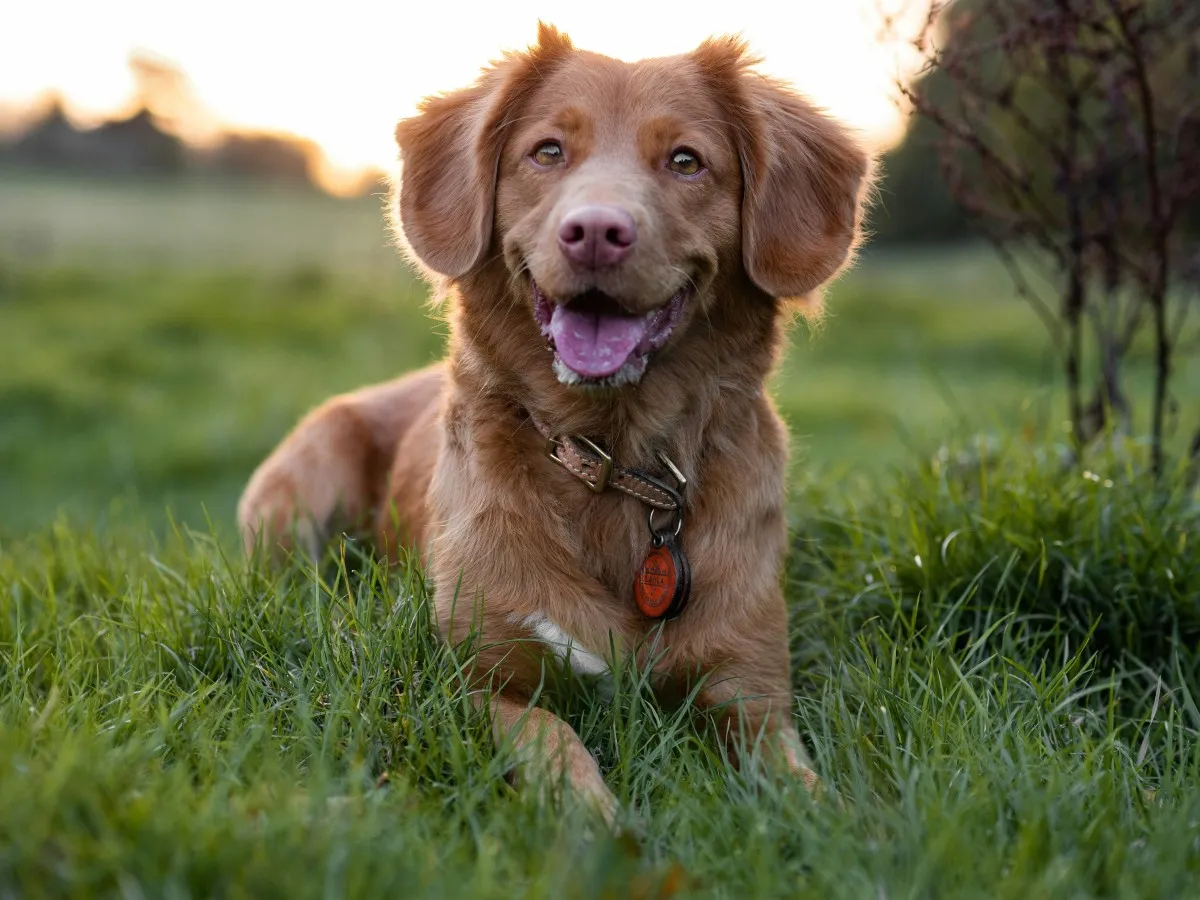
The Nova Scotia Duck Tolling Retriever, usually called the Toller, is the smallest of the AKC's retrievers, bred in Nova Scotia to lure waterfowl within range and then fetch them from cold water. Most Tollers are athletic, bright and long-lived, but a few conditions repeat in the breed: Addison's disease, immune-mediated joint and nervous system inflammation, hips, and inherited eye disease. Knowing them early makes screening and vet visits easier to plan.
In this guide
Why Is Addison's Disease the Toller's Best-Known Health Risk?
Tell your veterinarian that Addison's disease is a known breed risk if your Toller has vague, on-and-off lethargy, poor appetite, vomiting or diarrhea. Routine blood work can look normal, so ask whether an ACTH stimulation test is appropriate.
Addison's disease, or hypoadrenocorticism, means the adrenal glands do not make enough of the hormones that handle stress and balance the body's salts. It is thought to result from the immune system damaging the hormone-producing cells. A health survey of Tollers found it in roughly 1% of dogs, about ten times the rate in dogs generally, and a veterinary immunology review notes that Tollers tend to be diagnosed younger, at around 2.6 years compared with 5.5 years in other breeds. The signs are vague and can come and go, which is why the disease is so often mistaken for a stomach problem first.
The ACTH stimulation test measures cortisol before and after a small injection of a synthetic hormone, and it is the most definitive test. Once diagnosed, most dogs do very well on ongoing hormone replacement, given as a monthly injection, tablets, or both, with regular rechecks to adjust the dose. A national breed club DNA test for a juvenile form of Addison's disease is listed by the AKC, so ask breeders about it.
- 01
Sudden collapse
Your dog falls over or cannot stand.
- 02
Severe weakness
Sudden, marked weakness or wobbliness.
- 03
Severe vomiting
Repeated vomiting that does not settle.
- 04
Severe diarrhea
Heavy or repeated diarrhea with a very tired dog.
These signs can mean an Addisonian crisis, which needs immediate hospital treatment. Most dogs go on to resume normal lives afterward. A simple note of when tired or off-food days happen helps your veterinarian see a pattern sooner.

What Immune-Mediated Conditions Affect Tollers?
Tollers are predisposed to several immune-mediated conditions, meaning the immune system attacks the dog's own tissues. Steroid-responsive meningitis-arteritis, or SRMA, is inflammation of the membranes around the brain and spinal cord, usually in young dogs around a year old. It tends to cause neck pain, fever and lethargy, and affected dogs respond to steroid treatment, although roughly a third may relapse. Immune-mediated polyarthritis, sometimes called immune-mediated rheumatic disease, inflames several joints at once and causes stiffness and pain. Arthritis comes from the Greek arthron, "joint," plus -itis, "inflammation."
None of this is a reason to avoid the breed, but a young Toller with fever, a stiff neck or shifting lameness should be seen promptly. Diagnosis often needs bloodwork, joint or spinal fluid sampling and sometimes a referral, and treatment can last months. The AKC's national breed club does not list a screening test for these conditions, so careful family history questions matter.
Why Do Hips Need Screening in a Dog Built for Fetching?
Hip dysplasia, an inherited looseness or malformation of the hip joint that leads to pain and arthritis, occurs in the breed. An energetic Toller can hide early discomfort because fetching is so rewarding, so a certified hip evaluation tells you more than watching for limping. Keeping your dog lean protects joints that may already carry some structural risk, and a hands-on rib check at routine visits catches weight gain that a scale can miss.

What Eye Conditions Should Toller Owners Know About?
Progressive retinal atrophy, or PRA, is an inherited breakdown of the retina's light-sensing cells. In Tollers it usually causes night blindness first and can later lead to full blindness. Retina comes from the Latin rete, "net," and atrophy from the Greek for "without nourishment." A DNA test for the form seen in the breed (PRA-prcd) is listed by the AKC, and it can show whether a dog is clear, a carrier, or affected before any breeding decision. Collie eye anomaly, a developmental eye difference present from birth, is also reported in the breed and is usually mild. An exam by a veterinary ophthalmologist, as the national breed club recommends, catches both. Most dogs adjust well to gradual vision loss in a familiar home.

What Does Managing a Toller's Health Actually Cost?
| Condition or Need | Typical Cost Range | Notes |
|---|---|---|
| Routine wellness care | $300 to $500/year | Exam, vaccines, parasite control |
| Addison's diagnosis (ACTH test) | $300 to $600 | Plus any bloodwork |
| Addison's medication | $40 to $150/month | Ongoing once diagnosed |
| Immune-mediated disease care | $50 to $200/month | Varies widely by diagnosis |
| Hip surgery, severe cases | $3,000 to $7,000 per hip | Conservative care costs far less |
Figures vary by region and clinic, so ask your veterinarian for an estimate. Because Addison's disease is lifelong, pet insurance is worth pricing while your dog is young and healthy, before any condition counts as pre-existing.
Questions to Ask a Breeder Before Buying a Puppy
The national breed club recommends hip, cardiac and eye evaluations plus DNA tests for PRA, juvenile Addison's disease and a breed-specific cleft palate and extra-toe condition. Ask to see the results for both parents, and ask how many relatives have had Addison's disease, SRMA or joint inflammation. A breeder who volunteers that history is usually well informed about the breed.
Daily Life With a Nova Scotia Duck Tolling Retriever
Tollers are energetic and need vigorous daily exercise plus mental work such as retrieving, swimming or dog sports, and a bored Toller can turn noisy or destructive. The medium-length water-repellent coat needs weekly brushing and more during shedding season, as the grooming guide explains. They are affectionate and tuned in to their people, as the personality profile describes, and they usually take well to training that keeps sessions varied and rewarding. Stop play when your dog looks distressed, even if it wants to keep going.

Keeping Your Toller Healthy for the Long Run
Learn the vague signs of Addison's disease, and treat collapse as an emergency. Schedule a hip evaluation, yearly eye exams and any DNA tests your breeder has not already done. Keep a hands-on eye on weight, and see your veterinarian promptly for fever, neck pain or stiffness in a young dog.
Final Thoughts From a Veterinarian
Tollers usually live 12 to 14 years. Learn the on-and-off signs of Addison's disease, screen hips and eyes, and take fever, neck pain or collapse seriously. Most Tollers stay active for years. Your veterinarian can tailor the plan.
Health & Costs FAQ
How much do Nova Scotia Duck Tolling Retriever cost?
A Nova Scotia Duck Tolling Retriever from a reputable breeder commonly costs somewhere between $1,500 and $3,500, with breeder health testing often reflected in the price. First-year costs are commonly estimated at $3,000 to $6,800, and routine annual care at $1,200 to $2,500. Prices vary by region and breeder.
Purchase cost: 6 / 10
How long do Nova Scotia Duck Tolling Retriever live?
Nova Scotia Duck Tolling Retrievers typically enjoy a healthy lifespan of 12 to 14 years. To help your Toller reach these senior years, prioritize a nutritious diet, regular vigorous exercise, and consistent veterinary check-ups, ensuring they remain a happy and active member of your family for a long time.
Life expectancy: 7 / 10
Are Nova Scotia Duck Tolling Retriever healthy dogs?
Nova Scotia Duck Tolling Retrievers are generally healthy and often live 12 to 14 years, but a few conditions repeat in the breed. Addison's disease is about ten times more common than in dogs generally, and immune-mediated joint and nervous system inflammation, hip dysplasia and progressive retinal atrophy also occur. Breeder health testing and regular veterinary checkups help catch problems early.
Health: 6 / 10
What health problems do Nova Scotia Duck Tolling Retriever have?
Tollers can develop Addison's disease, steroid-responsive meningitis-arteritis and immune-mediated polyarthritis, hip dysplasia, and eye disease such as progressive retinal atrophy and collie eye anomaly. Vague, on-and-off lethargy, vomiting or diarrhea deserves an Addison's disease check, and collapse is an emergency. Hip and eye evaluations plus breeder DNA tests catch several of these early.
Health problem risk: 5 / 10
Are Nova Scotia Duck Tolling Retriever expensive to maintain?
Nova Scotia Duck Tolling Retrievers have moderate upkeep costs. The medium-length water-repellent coat needs weekly brushing and more during shedding season, and their energy calls for vigorous daily exercise and mental stimulation. The larger bills are health-related, such as lifelong Addison's disease care if it develops, so setting money aside is wise.
Maintenance cost: 4 / 10
How much does it cost to own a Nova Scotia Duck Tolling Retriever per month?
Monthly ownership costs for a Toller typically run $100 to $180. That covers food, routine veterinary care and preventive medication, but not major problems such as Addison's disease treatment or immune-mediated disease care, which add to the budget.
Monthly ownership cost: 4 / 10
How much does pet insurance cost for a Nova Scotia Duck Tolling Retriever?
Pet insurance for a Toller commonly costs $45 to $95 per month, though quotes vary by region, age and coverage level. Because Addison's disease is lifelong, a policy is worth pricing while your dog is young and healthy, before any condition counts as pre-existing.
Pet insurance cost: 5 / 10
Will homeowners insurance cover a Nova Scotia Duck Tolling Retriever?
Yes, most homeowners insurance policies will cover a Nova Scotia Duck Tolling Retriever. The breed is generally not found on restricted breed lists, but you should always disclose your dog and check with your provider that your liability coverage is adequate.
Homeowners insurance difficulty: 9 / 10
Are Nova Scotia Duck Tolling Retriever on insurance restricted breed lists?
No, Nova Scotia Duck Tolling Retrievers are typically not found on insurance restricted-breed lists. Those lists usually focus on breeds seen as higher liability risks, and the Toller is a medium-sized, friendly sporting breed. Always disclose your dog to your provider so your coverage stays valid.
Insurance restriction risk: 2 / 10
Can you get renters insurance with a Nova Scotia Duck Tolling Retriever?
Yes, you can typically get renters insurance with a Nova Scotia Duck Tolling Retriever, since the breed is generally not on restricted lists. Most policies include liability coverage for dog-related incidents, but always disclose your dog to your insurer and check your lease agreement.
Renters insurance difficulty: 8 / 10