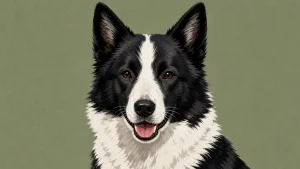
Nova Scotia Duck Tolling Retriever Grooming Profile
COAT TYPE
Double Coat
SHEDDING
Moderate
GROOMING SKILL
Moderate
TRAINING FAQ
Are Nova Scotia Duck Tolling Retrievers hypoallergenic?
Worst Choice
Nova Scotia Duck Tolling Retrievers are not hypoallergenic. They possess a dense, water-repellent double coat that sheds moderately year-round and heavily during seasonal changes. This process releases dander and fur into the home, which can significantly trigger reactions in individuals with pet allergies or sensitivities.
Do Nova Scotia Duck Tolling Retrievers shed a lot?
Moderate
Nova Scotia Duck Tolling Retrievers are moderate year-round shedders with a dense, water-repellent double coat. Owners should prepare for heavy seasonal "blowouts" in spring and fall. While they are moderate shedders, they are not considered hypoallergenic due to dander and saliva. Regular weekly brushing is necessary to manage loose hair, while daily sessions during shedding seasons help keep your home clean.
How often should you groom your Nova Scotia Duck Tolling Retriever?
45 mins/week
They require weekly brushing to manage their dense, water-repellent double coat and prevent mats in their fine feathering. During seasonal shedding, daily brushing is essential. Bathe them only as needed, and check their ears after swimming to prevent infections. They are moderate year-round shedders and need daily brushing during seasonal blowouts.
Are Nova Scotia Duck Tolling Retrievers low maintenance dogs?
Hard
Nova Scotia Duck Tolling Retrievers are not considered low-maintenance dogs. While their grooming needs are standard, they require at least an hour of vigorous daily exercise and significant mental stimulation to prevent boredom. Their high energy and intelligence demand dedicated time from active owners to remain well-behaved companions.
How big do Nova Scotia Duck Tolling Retrievers get?
Medium
Nova Scotia Duck Tolling Retrievers are the smallest of the retrievers. Ideal weight for males is 45-51 pounds and females 37-43 pounds. Maintaining a healthy weight is vital for their agility and joint health.
When do Nova Scotia Duck Tolling Retrievers usually stop growing?
18-24 months
They reach full height by 18 months and fill out until age 2.
How much should a Nova Scotia Duck Tolling Retriever eat?
2-3 cups
Adults typically require 2.5 to 3 cups of high-quality dry food daily, divided into two meals. As an active, high-energy sporting breed, their caloric needs vary based on exercise levels.
How often should a Nova Scotia Duck Tolling Retriever eat?
3-4 meals/day
Nova Scotia Duck Tolling Retriever puppies require three to four small meals daily to support their rapid growth and high energy levels. Around six months of age, you can transition to two meals per day. Consistent monitoring ensures they maintain a lean, healthy weight.