Poodle Health and Costs
Breed Group
Companion Dogs
Country of Origin
France
Breed Size
Medium
AKC Recognition
Yes, recognized in 1887
FCI Recognition
Yes, recognized in 1955
Rarity
Most Common1 / 10
Purchase cost
Moderate to Expensive8 / 10
Life expectancy
Long Lifespan8 / 10
Health
Fairly healthy6 / 10
Health problem risk
Average health burden5 / 10
Maintenance cost
High maintenance cost7 / 10
A Veterinarian's Guide
Poodle Health Problems and Costs
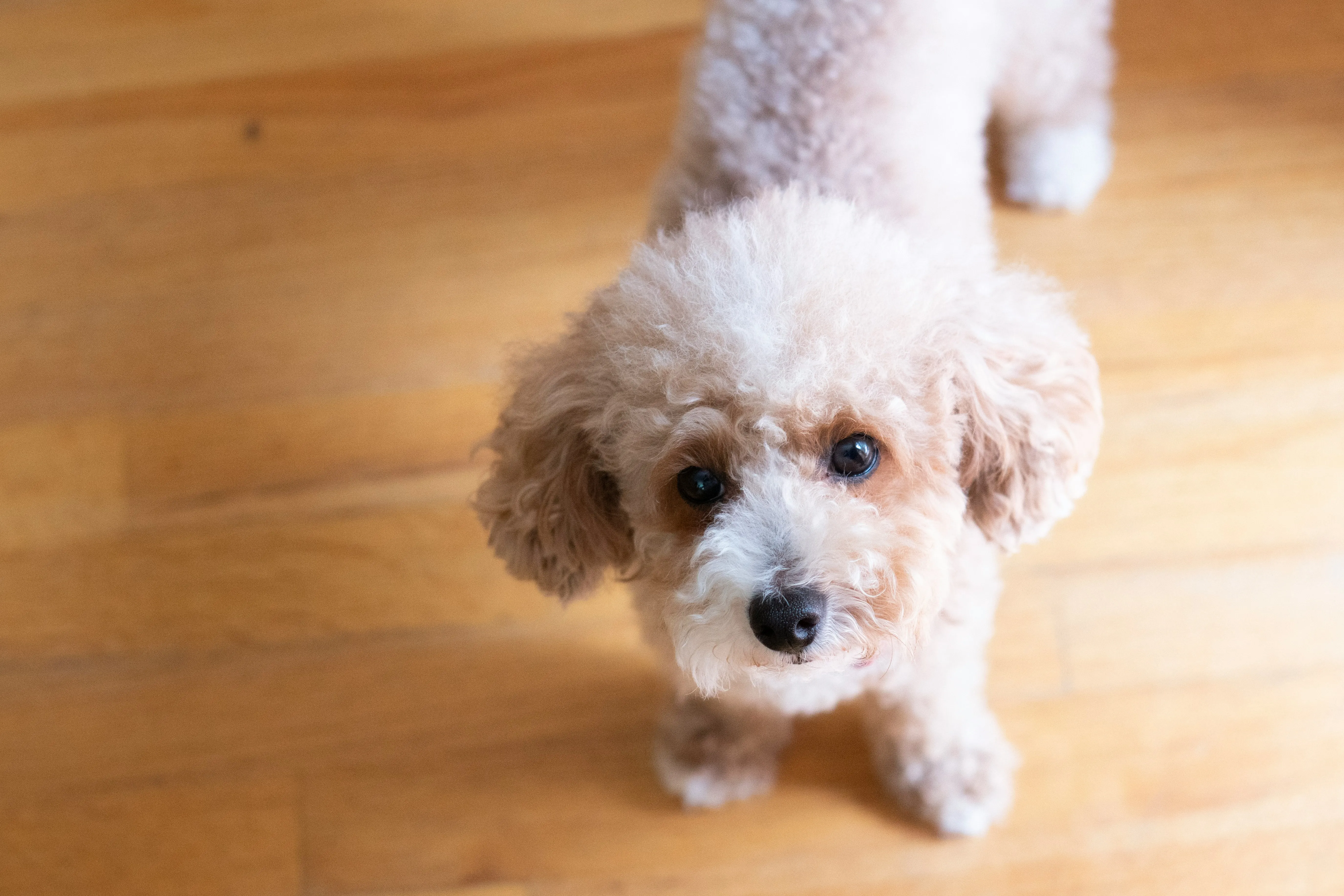
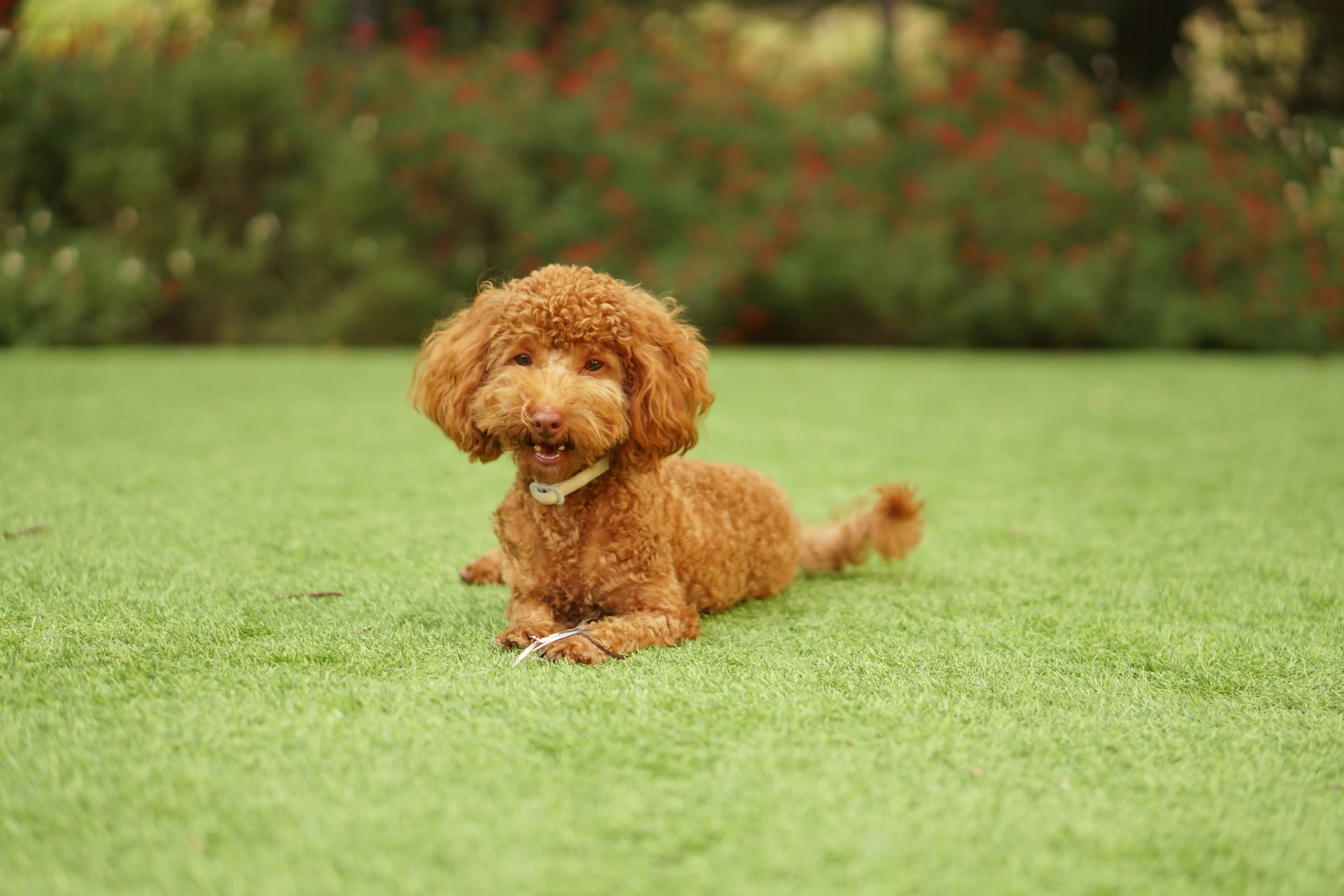
The Poodle is a bright, athletic dog that comes in three sizes, Standard, Miniature, and Toy, and size changes which health problems matter most. Standards carry the bloat and hormone risks, while smaller Poodles lean toward kneecap and eye concerns. Knowing which applies to your dog makes screening, grooming budgets, and vet visits much easier to plan.
In this guide
Does a Poodle's Size Change Its Health Risks?
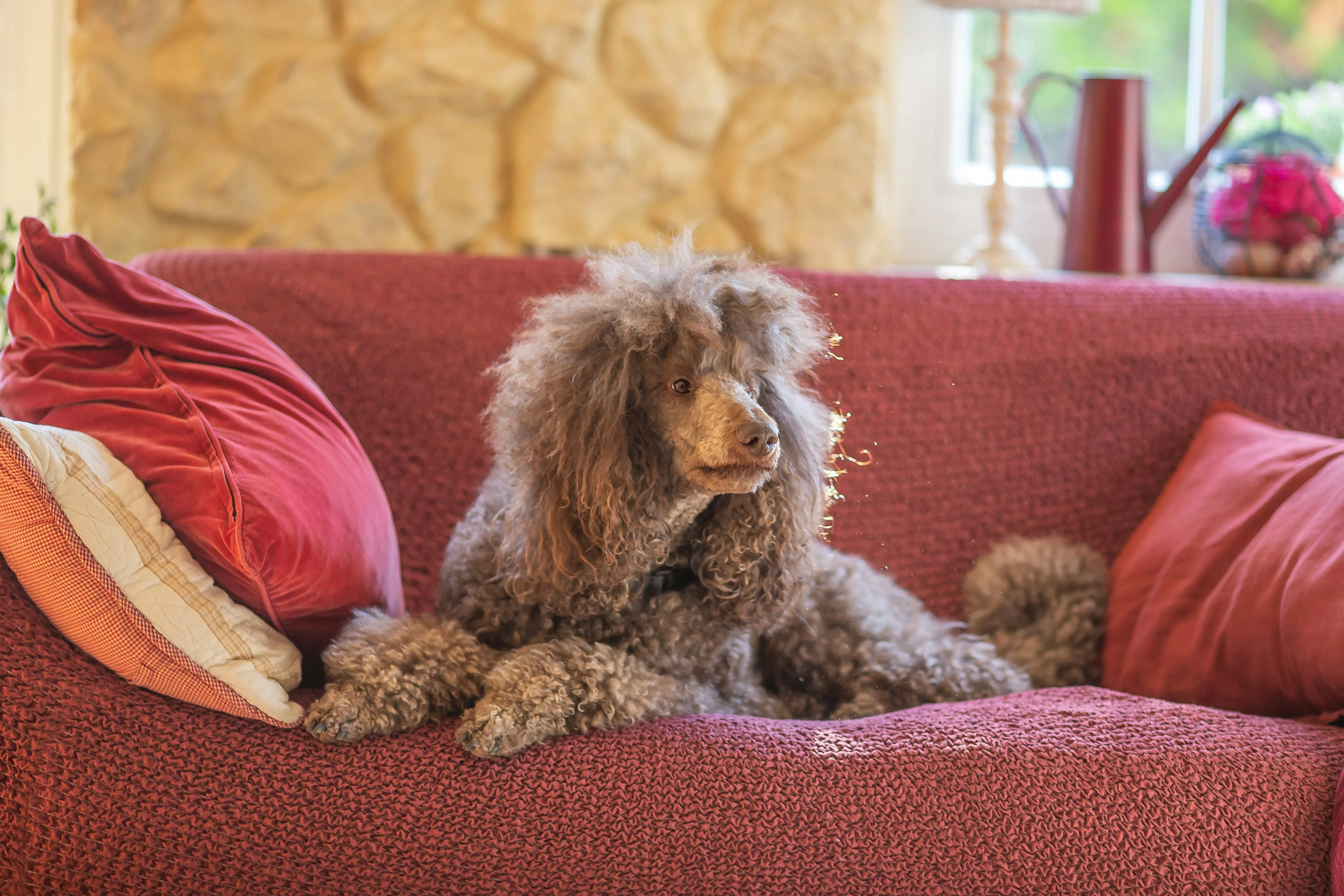
Yes, and more than in most breeds. A Standard Poodle has the deep chest that raises bloat risk, and it is the variety most often linked to Addison's disease and a skin condition called sebaceous adenitis. Toy and Miniature Poodles are more often screened for a slipping kneecap and an inherited eye disease. Hips are screened in Standards and Miniatures. All three share the same needs for coat care, ear checks, and dental care.
The AKC's breed health testing lists differ by variety, which is a helpful way to see the pattern: the Non-Sporting group page covers Standard and Miniature Poodles, and the Toy group page covers the Toy.
Why Is Bloat Such a Serious Concern for Standard Poodles?
Bloat, medically gastric dilatation-volvulus, happens when the stomach fills with gas and twists on itself, cutting off its own blood supply. The Merck Veterinary Manual lists the Standard Poodle among the breeds at risk. There is no home treatment, and surgery is the only way to correct a twisted stomach, so these warning signs are worth learning before you ever need them.
- 01
Swollen belly
The abdomen looks tight, rounded, or distended.
- 02
Unproductive retching
Straining to vomit with little or nothing coming up.
- 03
Restlessness and drooling
Pacing, drooling, or being unable to settle.
- 04
Weakness or collapse
The dog becomes pale, weak, or collapses.
Some owners of Standard Poodles discuss a preventive gastropexy with their veterinarian. The word comes from the Greek gaster, "stomach," and pexis, "fixing in place." The surgery tacks the stomach to the abdominal wall, often at the same time as a spay or neuter. It does not stop gas from building up, but it should stop the stomach from twisting, which is the life-threatening part.
Why Do Standard Poodles Get Addison's Disease?
A Poodle with vomiting, poor appetite, and unusual tiredness that comes and goes should be seen soon, and one that is weak, collapsing, or profoundly lethargic needs an emergency vet right away.
The Merck Veterinary Manual lists the Standard Poodle among the breeds over-represented for Addison's disease, also called hypoadrenocorticism. The name comes from the Greek hypo, "under," and the Latin ad renes, "near the kidneys," and it means the adrenal glands do not make enough of the hormones that manage stress, sodium, and potassium.
The signs are vague, often loss of appetite, vomiting, diarrhea, and lethargy that can come and go and worsen with stress, which is why the disease is easy to miss. Blood tests that show abnormal sodium and potassium raise suspicion, and a hormone stimulation test confirms the diagnosis. Once diagnosed, the condition is managed with lifelong hormone replacement and regular rechecks.

What Skin and Coat Problems Are Common in Poodles?
A Poodle's dense, curly coat keeps growing, so it needs regular brushing and clipping to prevent painful mats, and mats trap moisture against the skin. Standard Poodles are also predisposed to sebaceous adenitis, an inflammation that damages the glands that make coat oil. VCA describes a dull, brittle coat, scaling, and thinning hair as typical signs. The word comes from the Latin sebum, "tallow," the Greek aden, "gland," and -itis, "inflammation."
A skin biopsy is the only way to confirm it, and treatment is lifelong and tailored to each dog. Unexplained flaking or patchy hair loss is worth a vet visit rather than another shampoo.
What Joint and Eye Problems Should Poodle Owners Watch For?
Hip dysplasia, an inherited looseness of the hip joint that leads to pain and arthritis, is screened for in Standard and Miniature Poodles. Toy and Miniature Poodles are screened for patellar luxation, where the kneecap slips out of its groove. The word comes from the Latin patella, "small dish," and luxare, "to dislocate." A mild case may show up only as an occasional skip in the stride, while a severe one may need surgery.
The same smaller varieties are screened for progressive retinal atrophy, or PRA, an inherited breakdown of the retina's light-sensing cells. Retina comes from the Latin rete, "net." A DNA test can show whether a breeding dog carries the form found in Poodles, and yearly eye exams are part of the breed's health testing. Keeping a Poodle lean is one of the simplest ways to protect its joints.
What Does Managing a Poodle's Health Actually Cost?
| Condition or Need | Typical Cost Range | Notes |
|---|---|---|
| Professional grooming | $75 to $120/visit | Recurring, every few weeks |
| Hip radiographs (certified) | $250 to $450 | Standard and Miniature |
| Annual eye exam | $75 to $200 | All varieties |
| Dental cleaning | $300 to $700 | Periodic, under anesthesia |
| Preventive gastropexy | $200 to $500 | Add-on at spay or neuter, Standards |
| Emergency bloat surgery | $3,000 to $7,500 | Life-threatening, surgical |
Figures are typical United States ranges and vary by region and clinic. A single bloat emergency can cost more than years of routine care, which is a large part of why many Standard Poodle owners price pet insurance before they need it.
Questions to Ask a Breeder Before Buying a Puppy
Ask which variety the puppy is and which health tests were done on both parents. For Standards, the AKC lists hip and eye evaluations, an autoimmune thyroiditis evaluation, and DNA tests for von Willebrand disease type I and a seizure disorder in newborn puppies called neonatal encephalopathy. For Miniatures and Toys, it lists kneecap and eye evaluations and the PRA DNA test, plus hips for Miniatures. The AKC testing list is a good checklist, and a breeder who shares results without being pressed is usually well informed about the breed.
It also helps to ask how long relatives in the line have lived, whether any have had Addison's disease or bloat, and what grooming the coat will need. Reading about low thyroid hormone beforehand helps you understand the thyroid results you are shown.
Daily Life With a Poodle
Poodles are quick learners who enjoy having a job, and the personality profile explains how that plays out at home. Mental work and daily exercise keep them settled, and early training is rewarding with a dog this willing to learn.
The coat is the main daily-care task. The grooming guide covers brushing and clipping, and checking the ears after baths or swimming and brushing teeth several times a week prevent many smaller problems. A Poodle that paws at its ears, shakes its head, or has persistent bad breath deserves a checkup. Feeding measured meals rather than leaving food out also helps keep weight, and joint strain, in check.
Keeping Your Poodle Healthy for the Long Run
Know your Poodle's variety, since it shapes the screening plan. Learn bloat's warning signs if you own a Standard, mention unexplained vomiting and tiredness early, and schedule yearly eye exams and routine joint checks. Keep the coat clipped and brushed, and consider weighing pet insurance while your dog is young and healthy.
Final Thoughts From a Veterinarian
Poodles are bright, athletic dogs whose risks depend on size: bloat, Addison's disease, and skin disease in Standards, kneecap and eye concerns in smaller Poodles. Keep up grooming, screening, and weight checks, and let your veterinarian tailor the plan.
Health & Costs FAQ
How much do Poodle cost?
Purchasing a Poodle from a reputable breeder generally costs between $800 and $3,000, though specialized sizes like Teacups or celebrity bloodlines can exceed $8,000. Adoption is a more affordable alternative at $200 to $500. Owners should also budget for significant initial supplies and professional grooming.
Purchase cost: 8 / 10
How long do Poodle live?
Poodles often live well into their teens, and the smaller Toy and Miniature varieties tend to live longer than Standards. Keeping a Poodle lean, brushing its teeth, and scheduling regular veterinary checkups and variety-specific screening help it stay active into its senior years.
Life expectancy: 8 / 10
Are Poodle healthy dogs?
Poodles are generally healthy dogs, but their risks depend on size. Standard Poodles are predisposed to bloat, Addison's disease, and sebaceous adenitis, while Toy and Miniature Poodles are screened for kneecap and eye problems. A healthy weight, grooming, and regular veterinary checkups help manage these risks.
Health: 6 / 10
What health problems do Poodle have?
Standard Poodles are at risk of bloat (GDV), which is life-threatening, as well as Addison's disease, sebaceous adenitis, and hip dysplasia. Toy and Miniature Poodles are screened for patellar luxation and progressive retinal atrophy, and Miniatures for hips. Screening depends on the variety.
Health problem risk: 5 / 10
Are Poodle expensive to maintain?
Poodles are considered high-maintenance because their coat keeps growing. They need regular professional grooming, often every few weeks, plus frequent brushing to prevent painful matting. Owners should also budget for ear checks and dental care, and for variety-specific screening such as hip and eye exams.
Maintenance cost: 7 / 10
How much does it cost to own a Poodle per month?
Expect to spend between $182 and $665 per month to own a Poodle. This budget covers high-quality food, professional grooming, pet insurance, and routine veterinary care. Monthly costs vary significantly by size, with Standard Poodles being more expensive to maintain than Toy or Miniature varieties.
Monthly ownership cost: 5 / 10
How much does pet insurance cost for a Poodle?
Pet insurance for a Poodle typically costs between $35 and $70 per month, though premiums can be higher for Standard Poodles than for Toy or Miniature varieties because of size-related risks such as bloat. Pricing a policy while your dog is young and healthy is worthwhile.
Pet insurance cost: 4 / 10
Will homeowners insurance cover a Poodle?
Yes, most homeowners insurance policies cover Poodles, as they are not typically on restricted breed lists. Their liability coverage generally protects you if your dog causes injury or property damage. However, always verify specific breed policies and liability limits with your insurance provider to ensure full protection.
Homeowners insurance difficulty: 9 / 10
Are Poodle on insurance restricted breed lists?
No, Poodles are not typically found on insurance restricted breed lists. These lists generally target breeds with perceived higher liability risks or histories of aggression. Poodles are viewed as intelligent, low-risk companions, meaning owners usually enjoy standard homeowners coverage without the extra premiums or exclusions applied to more restricted breeds.
Insurance restriction risk: 2 / 10
Can you get renters insurance with a Poodle?
Yes, you can typically obtain renters insurance with a Poodle. They are rarely found on restricted breed lists due to their intelligent and non-aggressive nature. While usually welcomed by landlords, it is important to disclose your pet to your insurer to ensure full liability coverage is active.
Renters insurance difficulty: 8 / 10