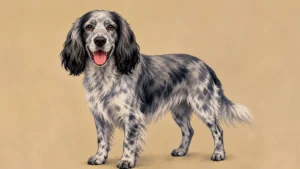
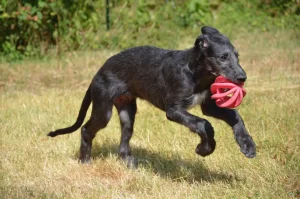
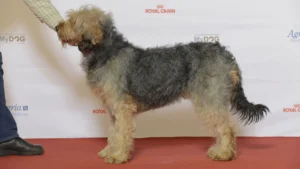
Basset Artésien Normand Training Profile
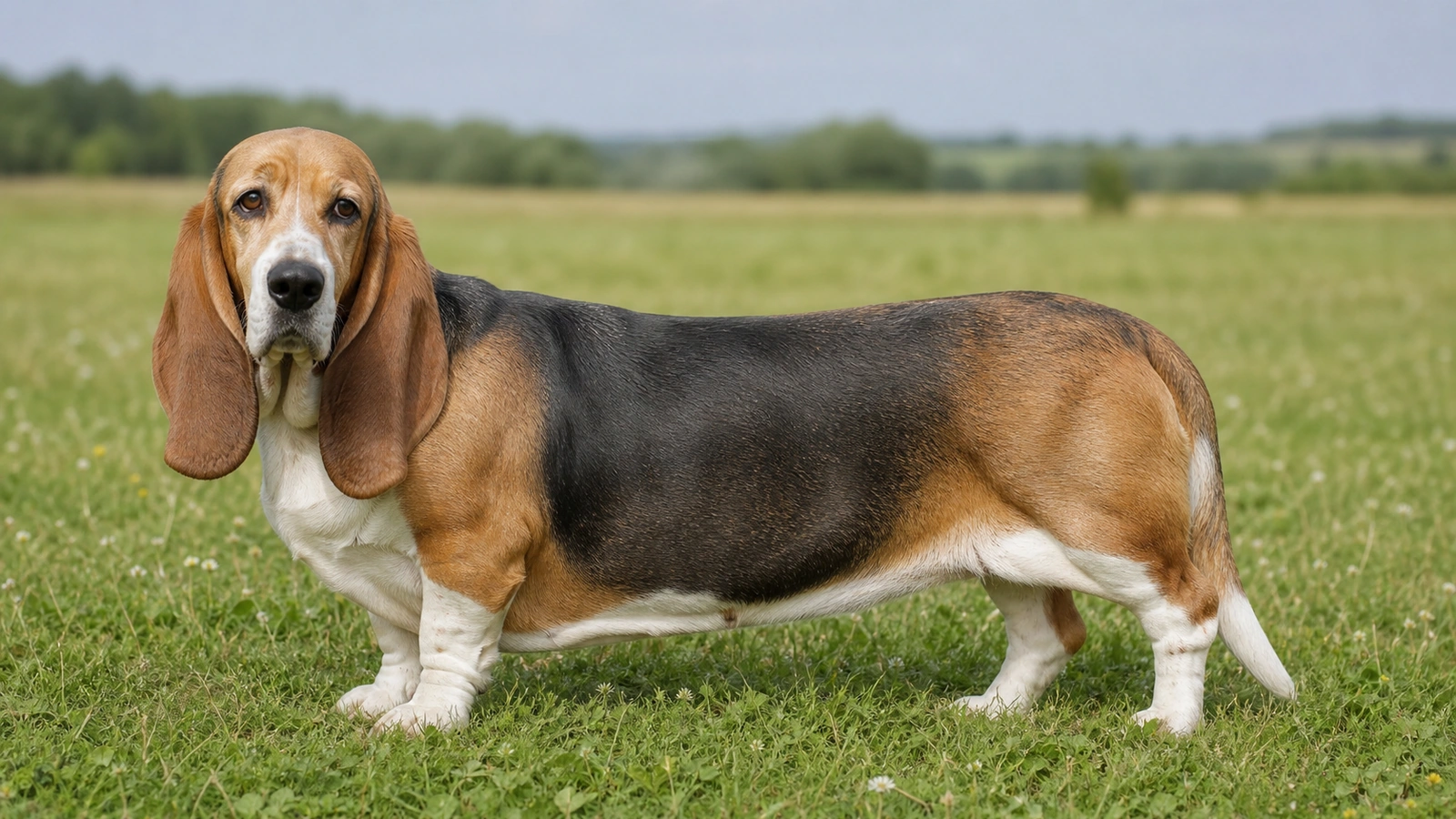
Basset Artesien Normands are intelligent and generally obedient hounds that thrive on positive reinforcement. While their calm nature aids training, they can possess an independent streak typical of scent hounds. Success requires patience, early socialization, and consistent, rewarding sessions to manage their tracking instincts and ensure a well-adjusted, cooperative companion.
TRAINABILITY
Average
5 out of 10
MENTAL STIMULATION NEEDS
Average Needs
5 out of 10
LOVE FOR GRUB
Good Eater
7 out of 10
TRAINING FAQ
Are Basset Artésien Normands easy to train?
Independent
4 out of 10
Basset Artésien Normands are intelligent and generally eager to please, making them relatively obedient for a hound breed. However, they possess an independent and occasionally stubborn nature that requires a patient, consistent approach. They respond best to positive reinforcement and short, engaging training sessions that account for their keen sense of smell and potential for distraction.

Are Basset Artésien Normands stubborn?
Sometimes Stubborn
5 out of 10
Basset Artésien Normands are generally obedient and eager to please, making them less stubborn than many other scent hounds. While they are intelligent and quick to learn, their strong hunting instincts can lead them to prioritize interesting scents over owner commands. To overcome this occasional independent streak, maintain a firm, consistent hand and use positive reinforcement with treats and favorite toys.
How to train a Basset Artésien Normand puppy?
Moderate
5 out of 10
Train your Basset Artésien Normand puppy using short, progressive sessions and plenty of positive reinforcement. These calm and obedient hounds respond well to treats and praise, though they can occasionally be independent. Focus on early socialization with people and other pets to build confidence. Establish a consistent routine for basic commands like sit and stay, and avoid harsh punishment, as they are sensitive and may shut down. Because they are scent-driven, maintain their focus with high-value rewards to manage distractions during training.
How difficult is to potty train a Basset Artésien Normand puppy?
Demanding
4 out of 10
Potty training a Basset Artesien Normand typically takes several months, and in some cases, it can take up to a year or more for them to be fully reliable. These hounds are famously stubborn and independent, often requiring extreme patience and a very rigid schedule. Success relies on consistent positive reinforcement with high-value food rewards, crate training, and frequent outdoor breaks to overcome their independent nature and tendency to get distracted by scents.
How many walks does a Basset Artésien Normand need?
Moderate
5 out of 10
Basset Artésien Normands are moderate-energy hounds that typically require one or two brisk walks daily, totaling about 60 minutes. While they enjoy exploring scent trails, they need consistent activity to stay healthy and fit, ideally covering an hour of movement each day.
What is the best daily routine for a Basset Artésien Normand?
Moderate
5 out of 10
A Basset Artésien Normand’s daily routine should focus on moderate activity and weight management to protect their heavy build and short legs. Provide 60 minutes of daily exercise, ideally split into two brisk walks at a steady pace that allows for scent exploration. Feed adult dogs twice daily and ensure puppies receive three to four small meals to maintain a healthy weight. Daily care should include checking their long ears for dirt or infection and conducting short, 5-10 minute training sessions using positive reinforcement. To prevent joint and spinal issues, minimize their use of stairs and avoid high-impact activities like jumping.


VET INSIGHTS
Basset Artésien Normands are intelligent, calm scent hounds that are generally obedient but possess an independent streak. Training requires patience and positive reinforcement, especially for demanding housebreaking. They need 30 to 45 minutes of daily walks at a steady pace. Routine care focuses on weight management, ear cleaning, and protecting their joints by avoiding stairs and high-impact jumping.
Reviewed by
Dr. Vojtech Gabriel
DVM · PhD · MBA
Veterinarian
Researcher
Dog breed specialist
✓
Verified